
Overview
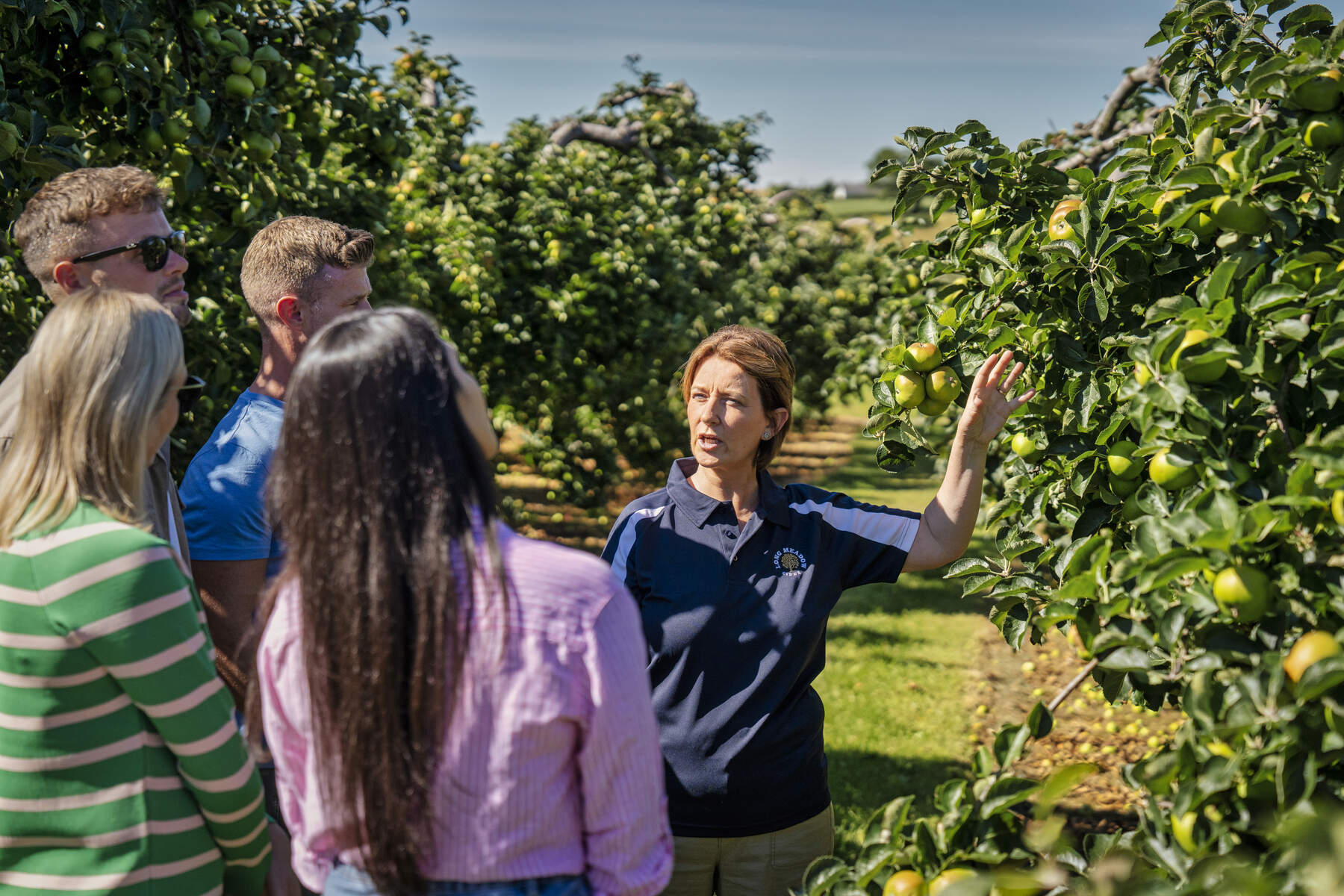
Armagh County Museum stands proudly on the tree‑lined Mall in the heart of Armagh, occupying a striking neoclassical façade that dates back to the mid‑19th century. Opened in 1937, it holds the distinction of being the oldest county museum in Ireland. The museum is free to enter and provides a welcoming base for visitors seeking to understand the cultural, archaeological and artistic heritage of County Armagh – often referred to as the ‘Orchard County’ for its historic apple orchards.
History
The building that now houses the museum began life as Charlemont Place National School (1835‑1840s), possibly designed by William Murray, a pupil of the celebrated architect Francis Johnston. After the school proved unsustainable, the Armagh Natural History and Philosophical Society took a lease in 1856, converting the interior into a reading room, library, lecture hall and a modest museum. By the late 19th century the Society’s membership had swelled to 275, and the collection expanded to include specimens across natural history, antiquities and the arts.
In 1930 the newly formed Armagh County Council assumed control of the premises, initially intending to use it as a county library repository. Council secretary T.E. Reid, however, persuaded the council to revive the Society’s museum. A pivotal report by J.A. Sidney Stendall in 1933 recommended a modernised collection, leading to the dismissal of many low‑value curiosities. The council invested £1,300 in rebuilding the interior, and in 1934 appointed local historian George Paterson (T.G.F. Paterson) as the first full‑time curator. Paterson’s enthusiasm for local artefacts, from eighteenth‑century costumes to archaeological finds, laid the foundation for the museum’s diverse holdings.
The museum officially opened on 28 April 1937, with James Caulfeild, 8th Viscount Charlemont, presiding as Minister of Education for Northern Ireland. Funding from the Carnegie UK Trust helped complete the refurbishment, and a further grant arrived in 1938.
The 1960s saw a major overhaul: the original rear buildings were demolished, a red‑brick extension erected, and the museum moved to the first floor while the library occupied the ground level. Curator Roger Weatherup oversaw this transition, even using a cell in the nearby Armagh jail as a temporary office during the closure.
Following local government reorganisation in the 1970s, the museum was transferred to the Ulster Museum, establishing a 40‑year partnership that provided access to specialist resources. In the early 1980s the museum expanded into vacated library rooms, and in 1997 it became part of National Museums Northern Ireland (NMNI). The most recent administrative change occurred in April 2015 when the museum passed to Armagh City, Banbridge and Craigavon Borough Council.
What to See & Do
Armagh County Museum’s collections are organised into four principal themes:
- Archaeology – artefacts recovered from megalithic sites in South Armagh, such as the Clontygora and Annaghmare excavations, sit alongside items donated by the Philosophical Society.
- Transport – a fascinating assemblage of railway ephemera, handbills and posters collected by D.R.M. Weatherup during the 1960s documents the decline of local rail services.
- Costume – thanks to Paterson’s relationships with the county’s landed gentry, the museum displays an array of wedding dresses, rush‑light candle‑holders and other domestic textiles that illustrate rural life from the 18th to the 20th centuries.
- Art – the gallery boasts works by local and national artists, including John Luke’s celebrated Old Callan Bridge (1945), a masterpiece that epitomises post‑war Irish landscape painting. The collection also contains 26 paintings by the visionary poet‑artist Æ (George Russell), alongside his spectacles, palette and a trove of personal letters. Portraits by Stephen Slaughter, Martin Cregan and other 19th‑century painters provide a visual record of notable Armagh figures.
Temporary exhibitions rotate throughout the year, often drawing on objects from the museum’s own stores or borrowing from other NMNI sites. Recent shows have highlighted contemporary local artists, traditional music sessions featuring the pipes, and thematic displays on the county’s agricultural heritage. Guided tours are available on request, and a modest gift shop offers reproductions of museum artworks and locally crafted souvenirs.
Practical Information
Address: The Mall East, Armagh, County Armagh BT61 9BE Coordinates: 54.34933, -6.64935 Website: Visit Armagh – Museum page
| Day | Opening Hours |
|---|---|
| Monday – Friday | 10:00 – 17:00 |
| Saturday | 10:00 – 16:00 |
| Sunday | Closed |
| Admission | Price |
|---|---|
| General public | Free |
| Children & infants | Free (baby‑changing facilities available) |
The museum accepts euros and all major credit/debit cards for any on‑site purchases such as the gift shop. Facilities include accessible toilets, baby‑changing rooms, and free parking in the adjacent public car park (charges may apply). Wheelchair access is provided throughout the ground‑floor exhibition spaces; detailed accessibility information is available via the AccessAble guide linked above.
Getting there – The museum is a short walk from Armagh’s main bus stops and is within easy reach of the city centre’s pedestrian routes. For those arriving by car, the nearby Mall car park offers convenient drop‑off points.
Nearby attractions – A stroll of just a few minutes brings you to St Patrick’s Cathedral, the Royal Irish Fusiliers Museum, and the Armagh Observatory and Planetarium.


Whether you are a history enthusiast, an art lover, or a family looking for an engaging indoor activity, Armagh County Museum provides a richly layered experience that brings the story of County Armagh to life.