
Overview
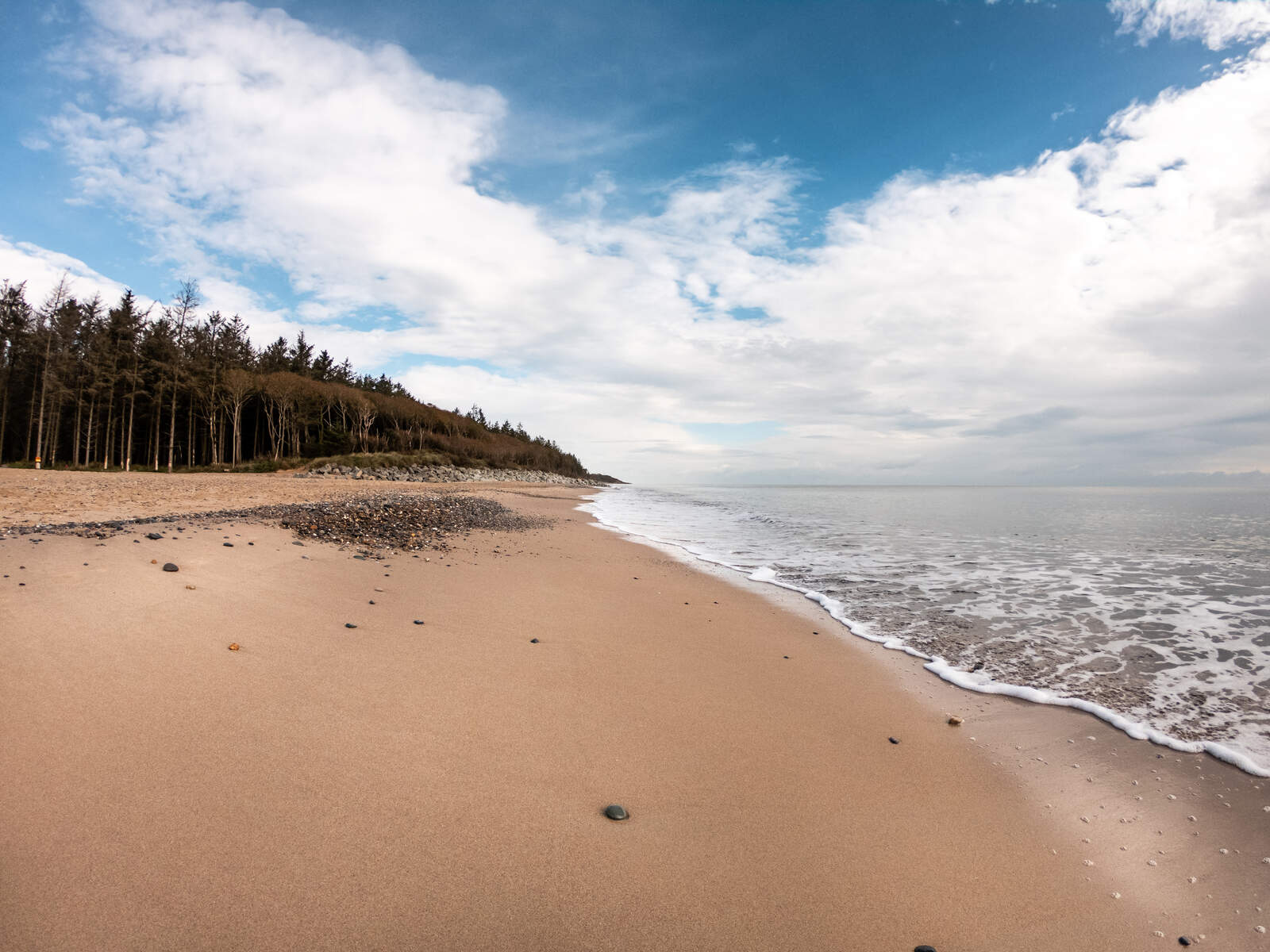
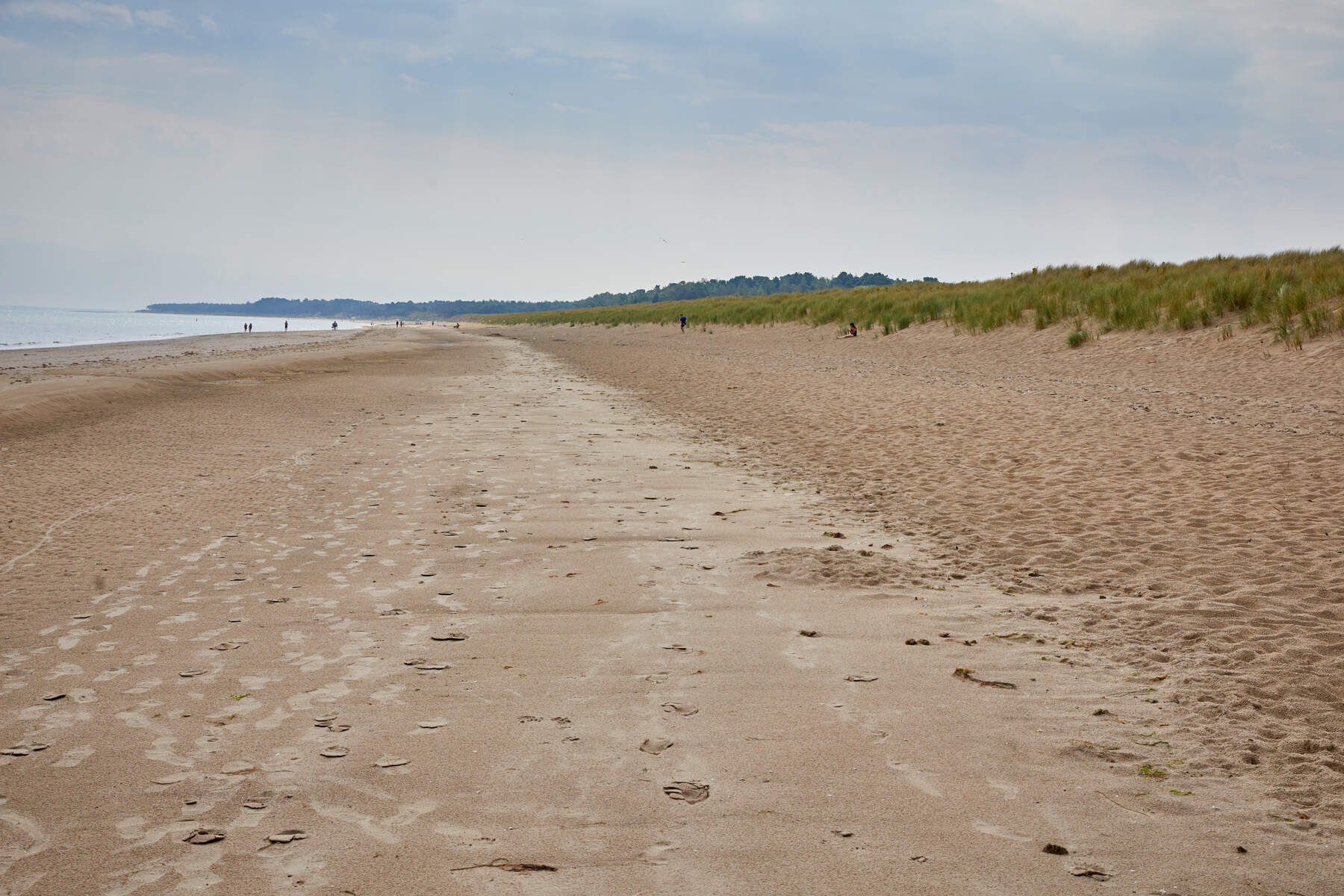
Ballyteige Burrow, often called Ballyteige Strand or simply “the Burrow”, lies just north‑west of the fishing village of Kilmore Quay in County Wexford. The 227 ha reserve unfolds over more than 5 km of shingle and sand, forming a mosaic of high dunes, dune slacks, salt‑marshes, mudflats and a coastal lagoon. Recognised internationally under the EU Habitats Directive, it enjoys dual protection as a Special Area of Conservation (SAC IE0000696) and a Special Protection Area (SPA IE0004020), as well as national status as a nature reserve since 1987.
History & Conservation
The dunes at Ballyteige have been shaped by Atlantic winds and Irish Sea tides for centuries. Formal protection arrived in 1987, acknowledging both the ecological richness and the historic rabbit warrens that gave the site its name. European rabbits (Oryctolurus cuniculus) still roam the dunes, their populations fluctuating with natural disease cycles.
Management is overseen by the National Parks and Wildlife Service, supported by local volunteers. Since the 1990s the Kilmore Quay Community Development Association has introduced conservation grazing to keep aggressive scrub in check, while the Kilmore Quay Conservation Group runs a regular BioBlitz on iNaturalist, logging every plant and animal sighting. These citizen‑science events help track the reserve’s rare habitats and species, informing ongoing monitoring and adaptive management.
What to See & Do
Walking the Burrow
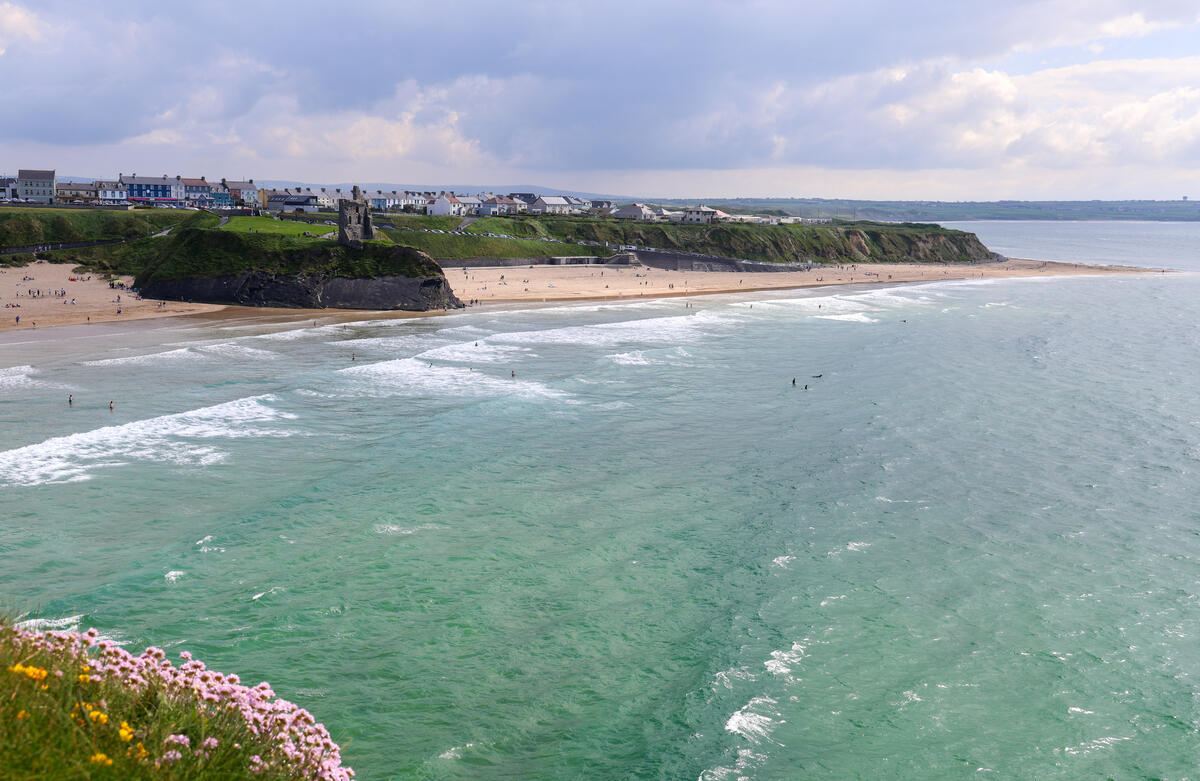
- Ballyteige Burrow Loop – A 4.5 km moderate‑grade trail that starts and finishes at the Harbour Car Park in Kilmore Quay. Way‑marked with purple posts, the loop weaves beach, dune paths and short boardwalks, offering constant wildlife opportunities.
- Beach Walk – A gentle stroll along the wide, golden sand, ideal for families or a quick dip at low tide.
- Dune Walk – A slightly more adventurous route through shifting dunes, where marram grass, sea holly and other specialised vegetation cling to the sand.
- Farm‑Fence Path – A quieter track skirting the fence that separates the dunes from adjoining farmland, with occasional glimpses of grazing livestock.
Flora

Ballyteige Burrow hosts four protected plant species: wild asparagus, perennial glasswort (Ireland’s stronghold for this species), Borrer’s saltmarsh grass and lesser centaury. The reserve also supports a rare lichen community and is the only Irish site for several coastal specialists.
Fauna & Birdwatching
The dunes and estuary are a haven for birds. During migration and winter, gulls, terns and waterbirds gather in the lagoon, while skylarks sing across the open sand. The rabbit warrens add a lively under‑storey, and insects such as dune beetles thrive among the vegetation.
Key birdwatching periods
- Autumn & winter – Ring‑necked Pheasant‑Tail, Skylark, Little Tern, Common Tern, Grey‑Lag Goose and Wigeon.
- Spring – Insect‑eating migrants pass through the dunes.
- Summer – Rare plant‑associated insects are most active.
Early mornings and late evenings give the best light and quieter conditions for observation. The Kilmore Quay Conservation Group’s BioBlitz events (usually held in late spring) provide an excellent opportunity to join local experts in spotting both birds and invertebrates.
Tide & Safety Tips
The beach is safest at low to mid tide; the lagoon and shingle banks are exposed at high water, making walking more difficult and increasing the risk of being cut off by the sea. Visitors are advised to check local tide tables – the eOceanic site provides up‑to‑date predictions for Kilmore Quay – before planning a dip or a long beach walk.
Practical Information
- Access: The main entry point is the Harbour Car Park on the Kilmore Quay waterfront. From there the Burrow Loop is clearly sign‑posted.
- Parking: Free parking is available at the car park (limited spaces in summer). Arrive early during peak months.
- Tides: See the Tide & Safety Tips section above.
- Facilities: No on‑site cafés or toilets; the nearest public toilets are in Kilmore Quay village (about 300 m away). Bring water and a packed lunch. Portable waste bins are provided at the car park.
- Guidelines: Stay on marked paths to protect fragile dune vegetation, keep dogs on leads during bird‑nesting season, and take litter home.
- Accessibility: Boardwalk sections of the loop are suitable for sturdy wheelchairs, but much of the dune terrain is uneven and not wheelchair‑friendly.
- Seasonality: Best for birdwatching in autumn/winter; wildflowers peak late spring to early summer.
- Opening Hours: Open year‑round; no admission charge.
Getting There
By Car – From Wexford town, follow the R734 south‑west to the Kilmore Quay turn‑off (signposted for the harbour). The journey is about 25 km and takes roughly 30 minutes. Follow signs for the Harbour Car Park; the Burrow Loop starts immediately opposite the harbour.
Public Transport – Bus Éireann route 370 runs between Wexford and Kilmore Quay on weekdays and Saturdays, stopping a short walk from the car park. Check the latest timetable for seasonal variations.
Cycling – The R734 is a low‑traffic road suitable for cyclists. Bike racks are available at the Harbour Car Park.
Nearby Marina & Boating
Kilmore Quay hosts a 55‑berth marina, of which 15 berths are reserved for visiting vessels. The marina can accommodate drafts up to 2.4 m, although recent silting has reduced the maximum depth in the entrance. The harbour offers safe anchorage for leisure boats and is a popular launch point for trips to the Saltee Islands. Sailors should be aware of strong southeasterly winds near high water, as noted by eOceanic.
Nearby Attractions
- Ballyteige Bay – A sheltered inlet ideal for kayaking and windsurfing; see the dedicated page Ballyteige Bay.
- Curracloe Beach – A popular sandy beach with a nearby forest walk, just a 10‑minute drive north.
- Duncannon Fort – Historic 16th‑century fort with panoramic sea views, reachable via the R734.
- Kilmore Quay – The fishing village itself offers fresh seafood, a harbour, and the Kilmore Quay Lifeboat Station.
These sites can be combined for a full‑day coastal itinerary, making Ballyteige Burrow an excellent base for exploring the south‑eastern tip of County Wexford.