
Overview
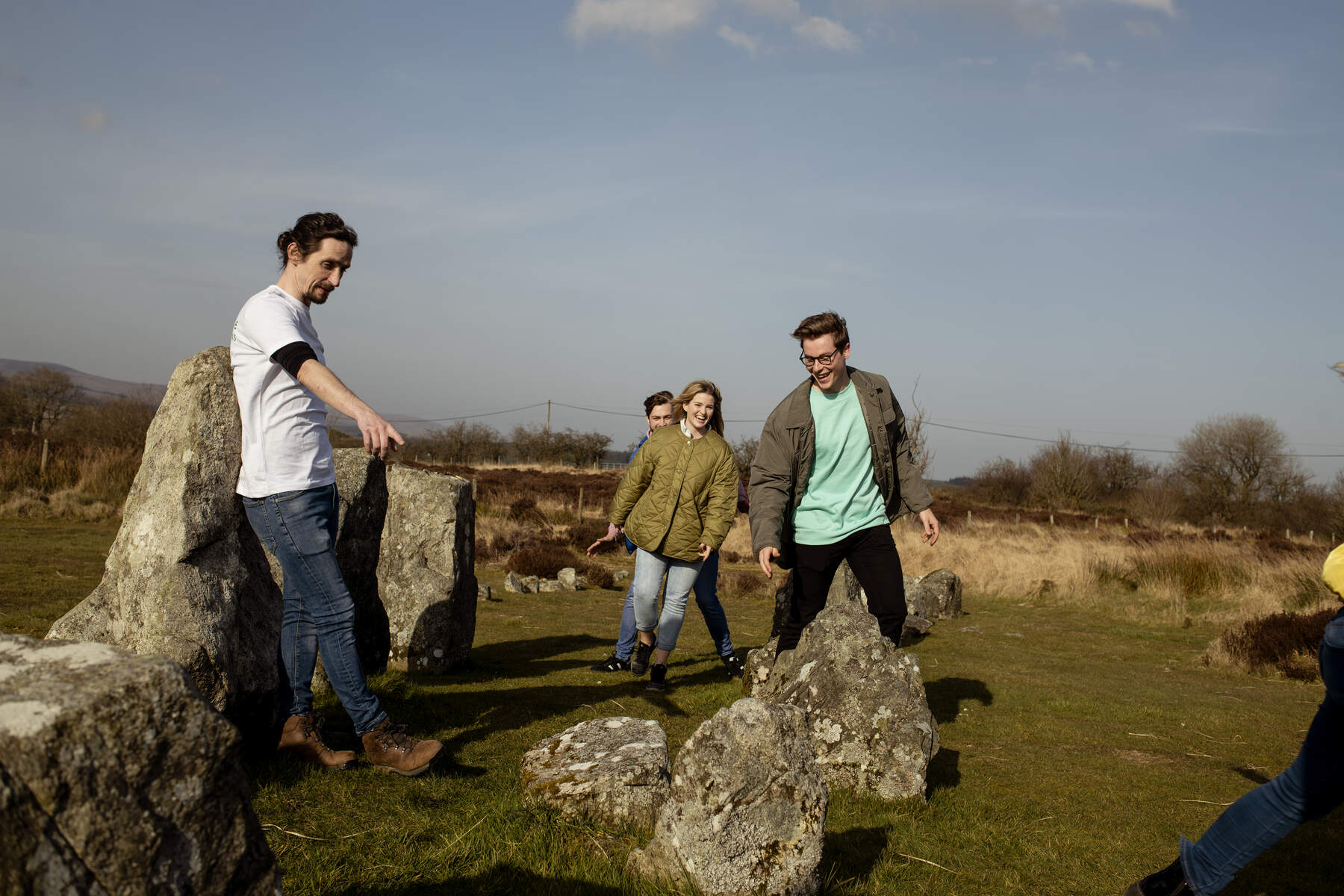
Beaghmore Stone Circles sit on a rolling expanse of heather‑clad moorland, just 8.5 miles north‑west of Cookstown in County Tyrone. The complex consists of seven stone circles, ten rows of standing stones and twelve burial cairns, all carefully positioned among the grass and peat. The name Beaghmore (Irish Bheitheach Mhór) translates to “big place of birch trees”, a reminder that the area was once a dense woodland before Neolithic farmers cleared it for agriculture.
The site was uncovered in the late 1930s during peat cutting, when workers revealed a staggering 1,269 stones. Carbon‑dating of hearths and flint tools places the earliest activity between 2900 BC and 2600 BC, meaning visitors are standing among monuments that have watched over the landscape for more than five millennia.
History
Archaeologists believe the stone circles and alignments were erected over several centuries, spanning the late Neolithic into the early Bronze Age. Some of the stone rows cut across the remains of ancient field walls, indicating a continuity of settlement and land use.
The circles may have served astronomical purposes. Three of the rows align with the midsummer sunrise, while another points toward a lunar maximum, suggesting the builders used the stones as a calendar to track solar and lunar events. Intriguingly, a few stones bear marks that resemble the earliest form of Ogham script – a secretive Celtic writing system used for magic and divination – though the exact meaning remains a mystery.
What to See & Do
- The Seven Stone Circles – Walk among the concentric rings and imagine ancient ceremonies performed under the same sky you gaze upon today.
- Stone Rows – Follow the linear arrangements; three point toward the summer solstice sunrise, offering a dramatic view when the sun climbs the horizon.
- Cairns – Twelve burial cairns dot the landscape, each a silent testament to the people who once called this moor home.
- Astronomical Alignments – On midsummer mornings, the sunrise aligns perfectly with several rows, a spectacular photo opportunity for those interested in archaeo‑astronomy.
- Interpretive Signage – On‑site panels explain the site’s chronology, the significance of the Ogham‑like markings, and the ongoing debates among scholars.
The open nature of the site encourages quiet contemplation. Bring a notebook and sketch the stones, or simply sit on a blanket and watch the clouds drift over the ancient silhouettes.
Practical Information
| Detail | Information |
|---|---|
| Opening hours | Open all year; no specific opening times. The site is accessible 24 hours a day, though daylight visits are recommended for the best visibility. |
| Admission | Free |
| Parking | Free on‑site car park available near the entrance. |
| Accessibility | The terrain is uneven grass and peat; there is no formal wheelchair access, but the main circles can be reached via a short, gentle path. |
| Website | Discover Northern Ireland – Beaghmore Stone Circles |
| Contact | +44 289 082 3207 |
Getting There
Beaghmore lies on Blackrock Road, Cookstown (BT80 9PA). The most convenient way to reach the circles is by car; the free parking area is just off the road. From Cookstown town centre, follow the signs for Blackrock Road north‑west for about 8.5 miles. Public transport options are limited, but local bus services run through Cookstown and can connect you to nearby villages; from there a short taxi ride will bring you to the site.
Nearby Attractions
While you’re in the Sperrin region, consider a short drive to Davagh Forest, a Dark Sky Park ideal for stargazing, or the Aghascrebagh Ogham Stone for another taste of ancient script. The surrounding countryside offers gentle walking routes and panoramic views of the mountains.
Seasonal Notes
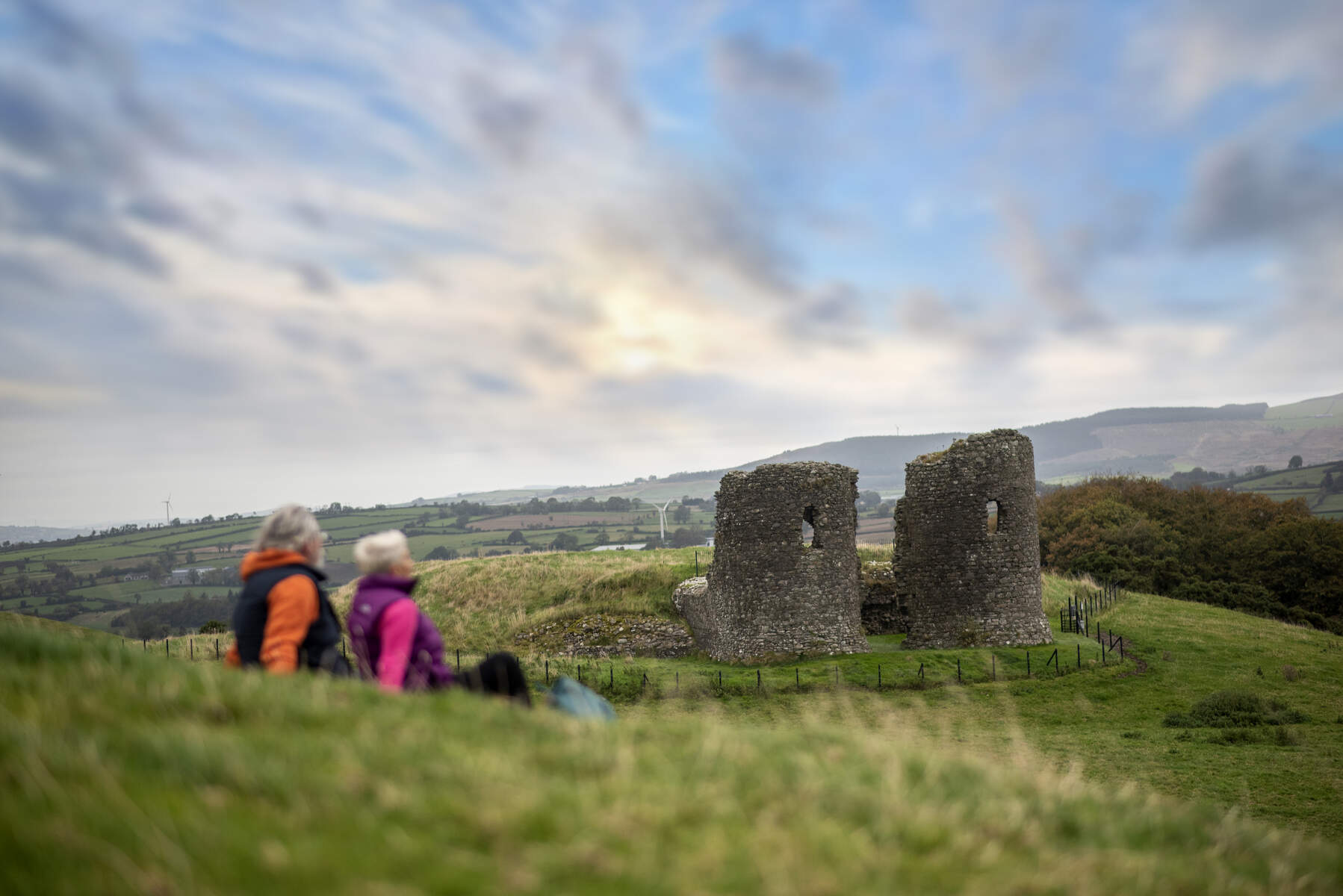
The site is especially atmospheric during the summer solstice when the sunrise aligns with the stone rows, creating a vivid play of light across the circles. Autumn brings a carpet of heather and golden grasses, enhancing the mystical ambience.
Beaghmore Stone Circles remain one of Northern Ireland’s most enigmatic prehistoric landscapes. Whether you are a history enthusiast, an amateur astronomer, or simply a traveller seeking a quiet spot to reflect, the stones invite you to step back in time and share the sky with the people who first marked it.