Overview
Belfast sits at the mouth of the River Lagan where it meets Belfast Lough, a natural harbour that has shaped the city’s destiny for centuries. With a metropolitan population of over 670,000, it is the second‑largest city on the island of Ireland after Dublin. Once the world’s leading linen producer and ship‑building hub – the home of Harland & Wolff and the ill‑fated RMS Titanic – today Belfast is a dynamic service‑based city celebrated for its music, festivals, and a revitalised waterfront known as the Titanic Quarter. The city’s nickname, “Strong in Spirit, Big in Heart,” captures the resilience that carried it from the turmoil of the Troubles to a thriving cultural destination.
History
The name Belfast derives from the Irish Béal Feirste – “mouth of the Farset” – referring to the small river that once ran through the centre of town before being culverted in the 18th century. Early settlement dates back to the Bronze Age, with the nearby Giant’s Ring henge testifying to a 5,000‑year‑old human presence. In 1613 the town was chartered under King James VI & I, attracting English and Scottish settlers. The 18th century saw a boom in linen manufacturing, earning Belfast the moniker “Linenopolis”. By the early 20th century the Harland & Wolff shipyard was building a quarter of the United Kingdom’s tonnage, including the Titanic, launched in 1911.
Sectarian conflict scarred the city from the 1920s through the late 20th century, culminating in the three‑decade period known as the Troubles. The 1998 Good Friday Agreement ushered in a new era of peace, and the city’s physical landscape began to change – peace walls remain, but cultural quarters, new hotels and the Titanic Quarter have transformed Belfast into a major tourist magnet.
What to See & Do
| Attraction | Type | Highlights |
|---|---|---|
| Titanic Belfast | Visitor experience | Interactive galleries tracing the ship’s design, construction and legacy; located beside the historic slipways. |
| Belfast City Hall | Civic building | Baroque‑style dome, stained‑glass windows, free guided tours; gardens feature the Titanic Memorial and the Cenotaph. |
| Crumlin Road Gaol | Historic prison | 19th‑century Grade‑A listed jail with original cells, a tunnel to the courthouse and occasional concerts. |
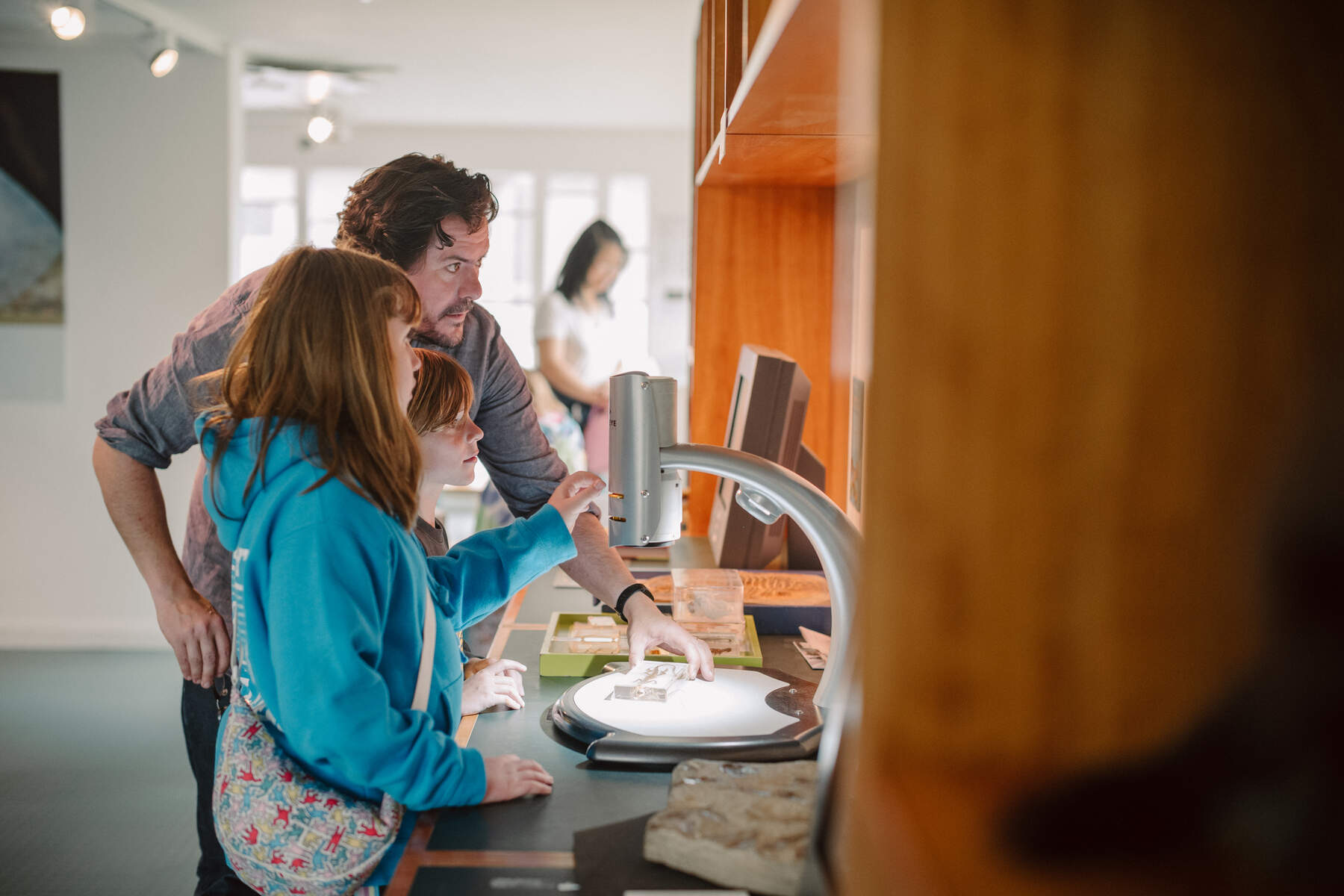
| Ulster Museum | Museum | Collections of art, natural history, and a dedicated Troubles exhibition; set in the Botanic Gardens. |
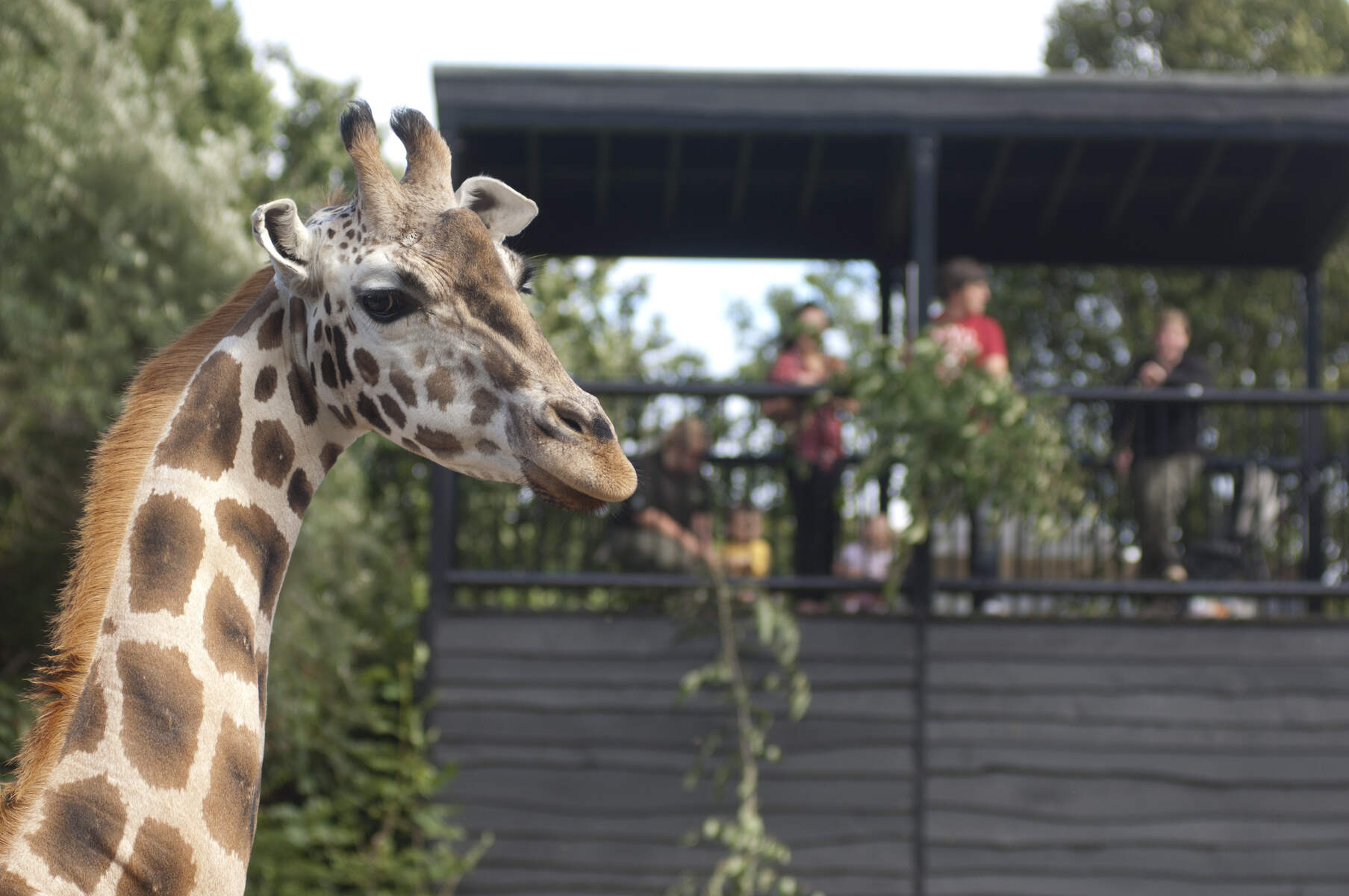
| Belfast Zoo | Zoo | Over 120 species including Asian elephants, Barbary lions and western lowland gorillas; situated on the slopes of Cave Hill. |
| Cave Hill Country Park | Outdoor | Panoramic city views, the iconic ‘Napoleon’s Nose’, and walking trails that lead to the historic Belfast Castle. | | St George’s Market | Market | Open Friday‑Sunday; a historic food and craft market offering local produce, live music and a lively atmosphere. |

| Cathedral Quarter | Cultural quarter | Bars, restaurants, the Crown Liquor Saloon, and venues such as the MAC (Metropolitan Arts Centre). | | Gaeltacht Quarter | Irish‑language quarter | Irish‑language cultural centre Cultúrlann McAdam Ó Fiaich, murals, and community events. | | CS Lewis Square | Public art | Bronze sculptures celebrating the author of The Chronicles of Narnia; located on Newtownards Road. |
Arts & Nightlife
Belfast’s music scene earned UNESCO City of Music status in 2021. Traditional sessions thrive in historic pubs, while venues like the Ulster Hall, Grand Opera House and the SSE Arena host everything from classical concerts to the MTV Europe Music Awards. The city’s comedy circuit can be sampled at The Empire on Tuesday nights, and rooftop bars across the Cathedral and Linen Quarters provide skyline views with a cocktail in hand.
Sports & Events
Sports fans can catch Ulster Rugby at the Kingspan Stadium, football at Windsor Park, or ice‑hockey with the Belfast Giants at the SSE Arena. Annual events include St Patrick’s Day parades, the Belfast International Tattoo, and the Belfast Marathon in May.
Practical Information
Getting Here
- Air – Belfast is served by two airports: George Best Belfast City Airport (on the Lagan’s eastern shore) and Belfast International Airport (30‑40 min west of the city). A 600 bus links the city centre to the City Airport every 30 minutes (adult fare £2.30 in 2026). The International Airport is reachable by Ulsterbus 300 (50 min, £9 single) or by train via the nearby Sydenham station.
- Train – The new Belfast Grand Central Station (opened 2024) is the island’s largest integrated transport hub. The Enterprise service runs hourly between Dublin Connolly and Belfast, taking 2 h 15 min. Suburban services connect Derry, Bangor, Portadown and Larne.
- Bus & Coach – Translink operates city‑wide Metro (pink) and Glider (purple) services; a single adult fare within the city centre is £1.80. Long‑distance coaches link Belfast to Dublin, Glasgow, London and other UK cities.
- Ferry – Stena Line runs catamarans from Cairnryan (Scotland) to Belfast (2 h 15 min) and from Birkenhead (England) to Belfast (8 h). Seasonal routes to the Isle of Man also operate.
- Car – The M2 and M22 motorways radiate from the city. Park‑and‑Ride sites at Sprucefield, Black’s Road, Cairnshill and Dundonald are free and connect to city buses (close at 7 pm).
Opening Hours & Admission (selected attractions)
| Attraction | Opening Hours (2026) | Admission |
|---|---|---|
| Belfast City Hall (guided tours) | Mon‑Fri 9:30‑17:00; Sat‑Sun 10:00‑17:00 | Free (first‑come, first‑served) |
| Titanic Belfast | Mon‑Sun 9:00‑19:00 (varies seasonally) | Adults £25, Concessions £20, Children £15 (prices from official site) |
| Ulster Museum | Tue‑Sun 10:00‑17:00 (closed Mon) | Free |
| Crumlin Road Gaol | Mon‑Sat 10:00‑17:00; Sun 12:00‑16:00 | Adults £9, Concessions £7, Children £5 |
| Belfast Zoo | Daily 10:00‑17:00 (last entry 16:00) | Adults £12, Concessions £9, Children £8 |
Accessibility
Most major attractions – City Hall, Titanic Belfast, Ulster Museum and the zoo – provide wheelchair access, tactile maps and audio guides. The new Grand Central Station is fully step‑free, and Translink’s Glider buses feature low‑floor boarding.
Practical Tips (embedded in prose)
When planning a visit to the Titanic Quarter, note that the visitor map is available as a downloadable PDF on the Titanic Belfast website, helping you navigate the themed route efficiently. For those interested in the city’s industrial past, the Maritime Mile walk from Sailortown to the Titanic Quarter is well signposted and offers free public art installations such as the iconic “Big Fish”. If you prefer a guided narrative, black‑taxi tours operate from the city centre and provide insight into West Belfast’s murals and peace walls – a unique perspective on the city’s recent history.
Where to Stay & Eat
Belfast’s accommodation ranges from budget chains (Premier Inn, Ibis) to luxury hotels such as the Merchant Hotel, which houses the historic Crown Liquor Saloon. Foodies will enjoy the bustling St George’s Market for local produce, while the Cathedral Quarter offers a plethora of eateries – from traditional Irish fry‑ups to contemporary Asian fusion (e.g., Thai Village on Dublin Road).
Contact & Further Information
- Official tourism portal: Visit Belfast
- City Hall visitor information: Belfast City Council – City Hall
- Titanic Belfast tickets & details: Titanic Belfast
Whether you’re tracing the legacy of the Titanic, strolling through Victorian streets, or soaking up live music in a cosy pub, Belfast offers a compelling blend of past and present that invites exploration at every turn.