
Overview
Beragh (Irish: Bearach, “place of points/hills/standing stones”) sits about 8 km southeast of Omagh in the Fermanagh and Omagh District. With a 2021 population of 694, the village retains a tight‑knit, rural feel while offering easy access to some of the most picturesque parts of County Tyrone. The surrounding landscape is a patchwork of gentle hills, meandering rivers and ancient stone monuments, making it a natural playground for walkers, cyclists and anyone who enjoys a quiet countryside retreat.
History
The first recorded mention of Beragh appears on a 1690 Plantation map, confirming its long‑standing presence in the region. In the 1820s the village was part of the Earl Belmore’s estate and was described as a “long wide street of very mean houses” whose tenants were largely engaged in trade and agriculture. By 1841 the settlement comprised 103 houses and a population of 617, and it even held a market patent under the name Lowrystown.
Railway history also touches Beragh. The Portadown, Dungannon and Omagh Junction Railway opened Beragh railway station on 2 September 1861, linking the village to the wider Ulster network. The line was closed by the Ulster Transport Authority on 15 February 1965, and today the nearest active railhead is in Omagh. The village’s historic fabric is still evident in its standing stone, a solitary monolith that marks the townland’s ancient past and offers a tangible link to the early inhabitants of the Sperrin foothills.
What to See & Do
Natural attractions
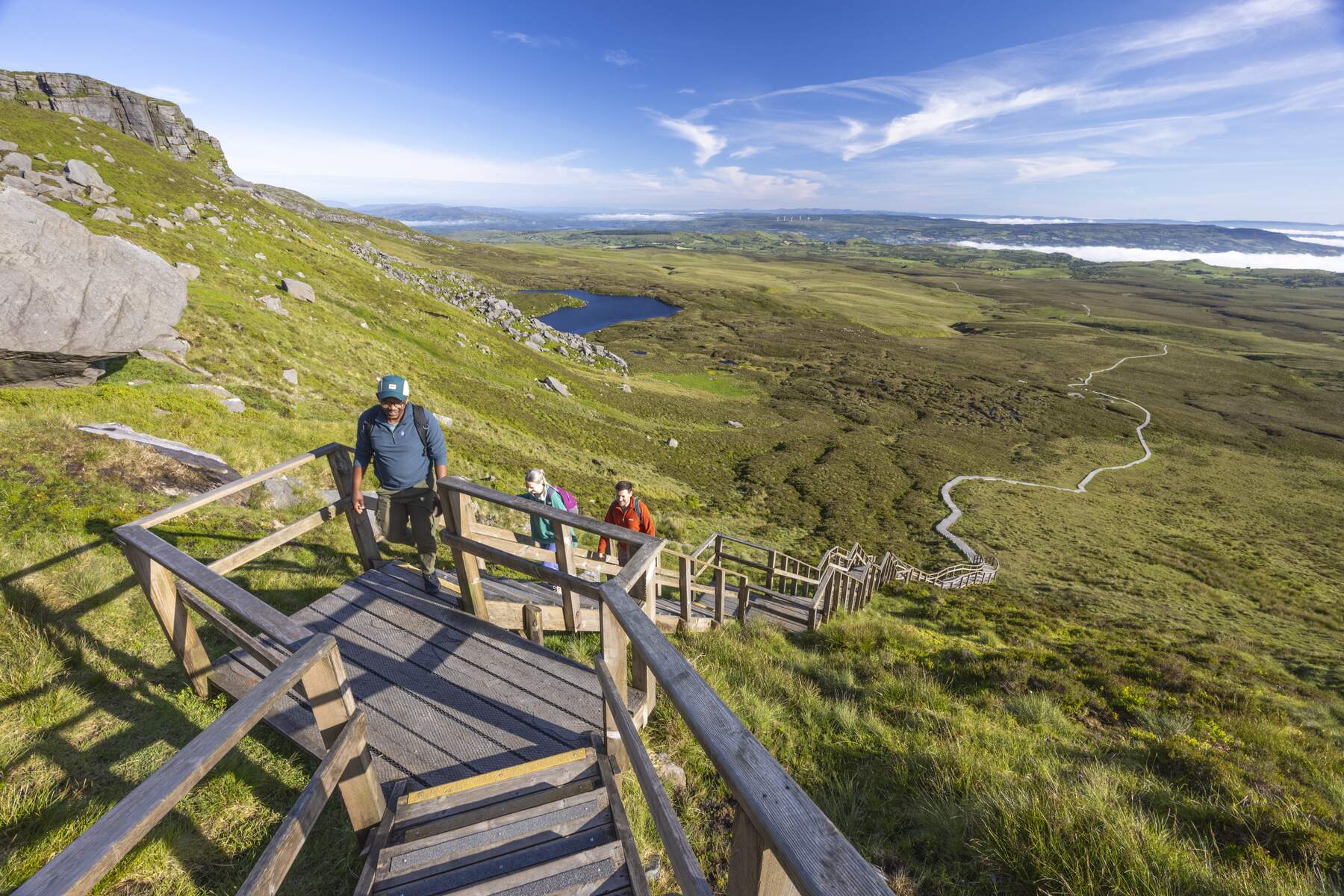
- Gortin Glen Forest Park – A short drive north of Beragh, this forested haven boasts a 5‑mile scenic drive, well‑marked trails, waterfalls and a resident herd of sika deer. A small café at the park’s centre provides a pleasant stop for refreshments. More information can be found on the Komoot highlight page.
- Lover’s Retreat – Nestled along the Camowen River, this tranquil spot is famed for nesting herons and a graceful weeping willow. It is a popular dog‑walking area and occasionally hosts a mobile coffee van, adding a convivial touch to the natural setting. See the Komoot guide.
- Dunbreen Road – This quiet country road offers sweeping views of the Sperrin countryside, especially spectacular when the gorse is in bloom. Cyclists and walkers alike enjoy the fragrant air and the sense of open space.
- Camowen River Weir & Quiggery Water – Both are modest but photogenic water features that provide peaceful viewpoints away from the main tourist routes. The weir can be accessed via a well‑maintained bike path, while Quiggery Water runs alongside Blackfort Road, offering a quiet riverside stroll.
Historic sites
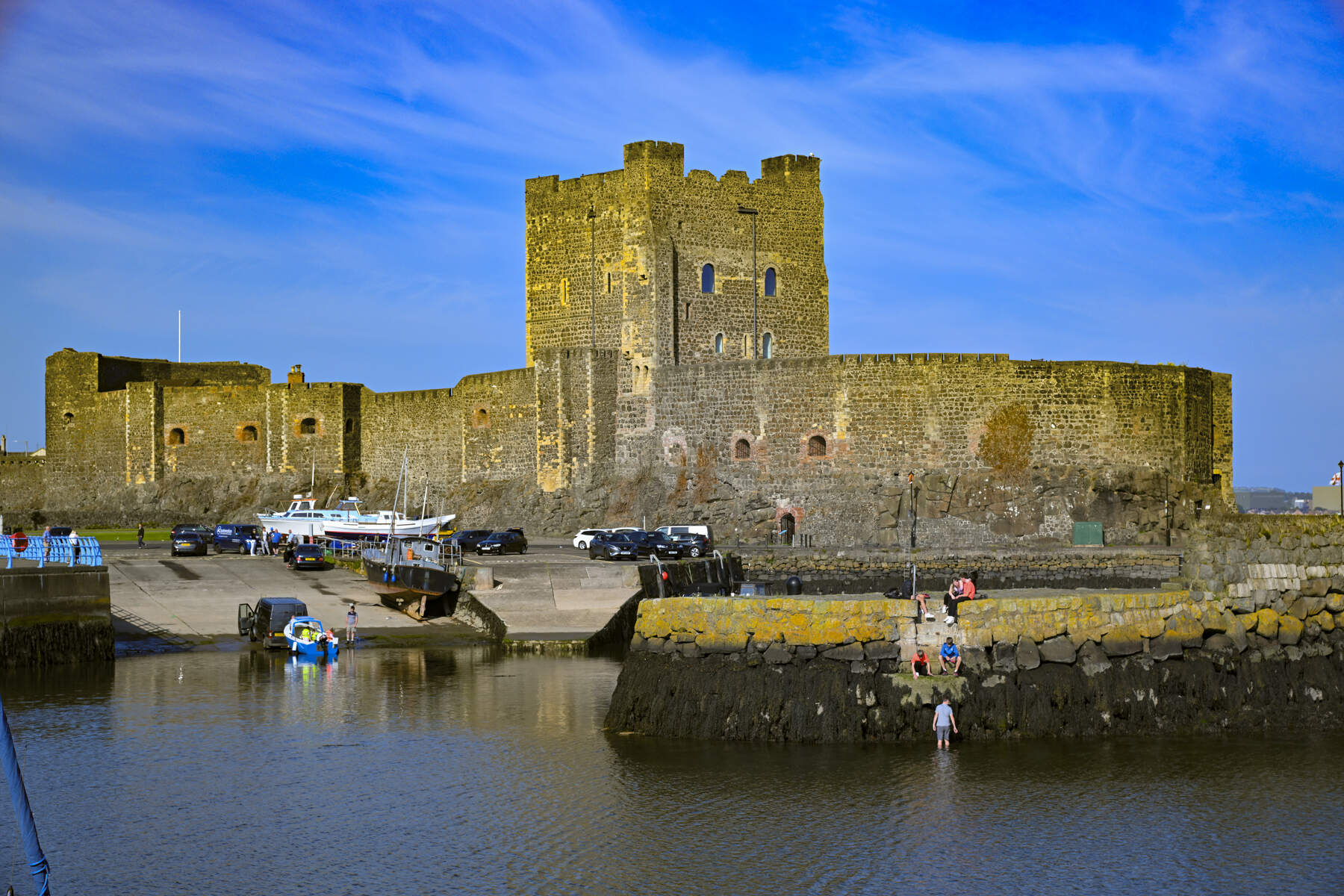
- Newtownstewart Stone Bridge – A well‑preserved stone bridge spanning the Strule River, this structure is a testament to the engineering of the 18th‑century and sits within the historic village of Newtownstewart, a short drive north of Beragh. The bridge is highlighted on Komoot.
- Sacred Heart Church, Omagh – Though located in the county town, this striking twin‑spired church is a short journey from Beragh and offers insight into the region’s religious heritage. It is featured in the Komoot FAQ as a notable religious site.
- Knockmany Cairn – An ancient burial cairn with rare megalithic art, reachable via local walking routes. It provides a glimpse into the prehistoric landscape that surrounds Beragh.
- Standing Stone in Beragh townland – Visible within the village limits, this monolith is a reminder of the area’s early ceremonial landscape.
Sports and community life
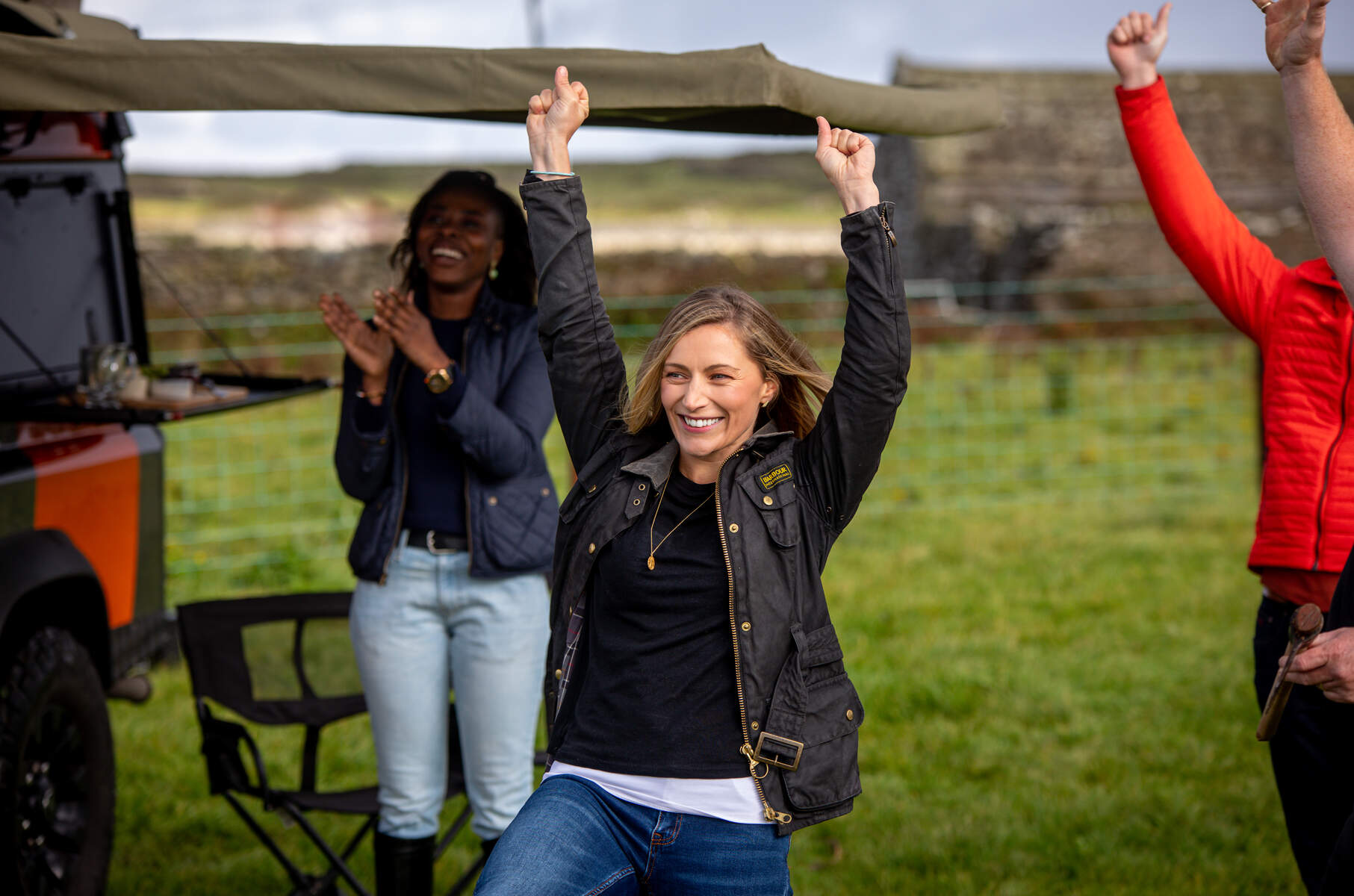
Beragh supports a vibrant Gaelic football tradition through Beragh Red Knights and a competitive association football side, Beragh Swifts F.C., which currently plays in the Fermanagh & Western 1st Division. Attending a local match offers a genuine slice of community spirit.
Nearby attractions
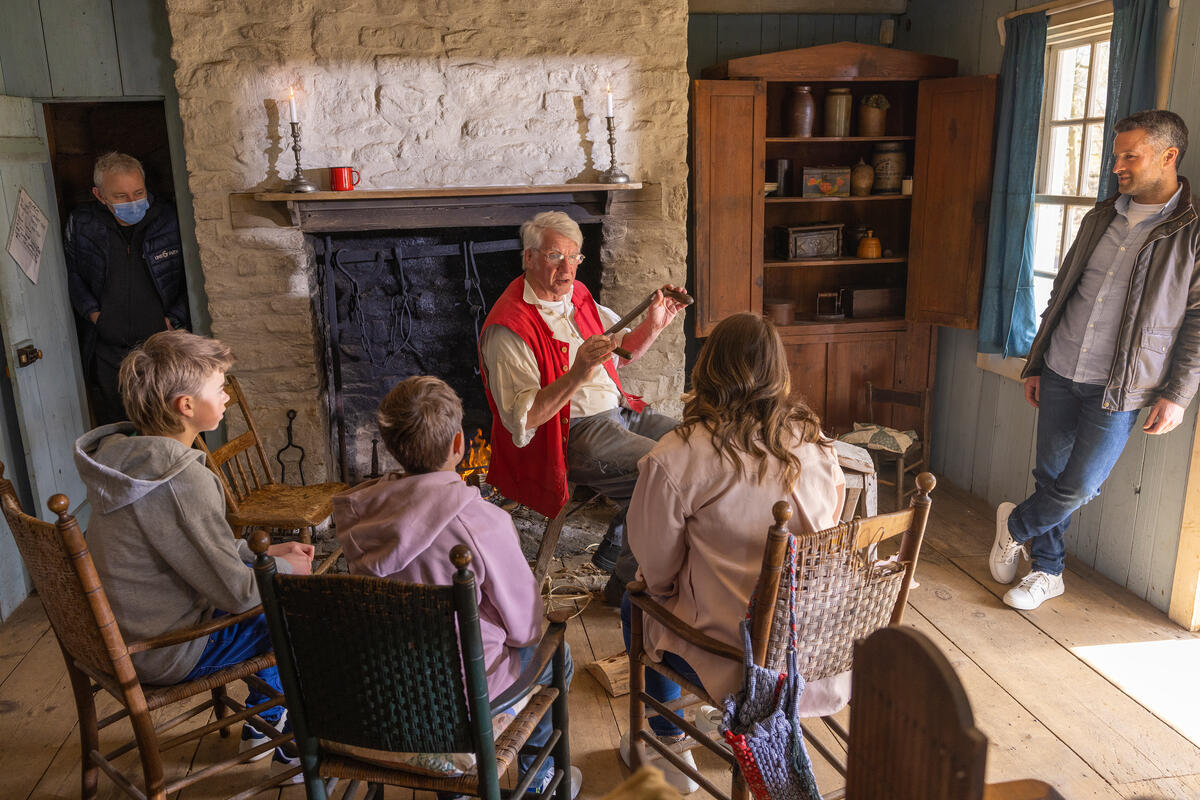
- Ulster American Folk Park (Omagh) – A short 15‑minute drive from Beragh, this open‑air museum tells the story of Irish emigration to America through reconstructed buildings, costumed interpreters and interactive exhibits.
- Beaghmore Stone Circles – Located a few kilometres north‑west of Beragh, these Bronze‑Age stone circles are among the finest in Northern Ireland and make for a fascinating short walk.
- Glenelly Valley – The longest valley in the Sperrins, offering gentle riverside walks, wildlife spotting and picnic spots.
- Davagh Forest – A mixed‑wood forest with marked trails, ideal for family walks and mountain biking.
- Baronscourt – The grand 18th‑century estate of the Duke of Abercorn, featuring formal gardens, a historic house and a visitor centre.
Events and festivals
Beragh hosts a handful of community‑run events throughout the year, typically centred on local sports matches, seasonal fairs and occasional music sessions in the village hall. Dates and details vary, so visitors are advised to check the latest information on community notice boards or with the local tourist information centre before planning their trip.
Practical Information
Getting there
Beragh is most conveniently reached by car via the A5 and regional roads linking Omagh, Dungannon and Strabane. While the village’s own railway station closed in 1965, regular bus services run between Omagh and surrounding towns, and the nearest active train station is Omagh railway station, offering connections to Belfast and Derry. For visitors arriving at Belfast International Airport, a private transfer service is available and can be booked through local providers.
Accommodation & dining
The village itself offers a handful of charming bed‑and‑breakfasts and self‑catering cottages, many of which are family‑run and provide hearty Irish breakfasts. For a wider selection, the nearby town of Omagh hosts several hotels, guesthouses and pubs serving traditional dishes such as soda bread, Irish stew and the Ulster fry.
Outdoor activities
The surrounding countryside is criss‑crossed by a network of marked trails suitable for hiking, running and road cycling. Popular routes include the Sperrins Route 3 – Struel Valley Cycle Route, the Mullagharn South Top hike and the Bessy Bell loop. Detailed route information and GPS tracks are available on Komoot’s dedicated guides for hiking, running and road cycling.
Accessibility
Most of the natural attractions such as Gortin Glen Forest Park and the standing stone are accessible via paved paths and have minimal gradients, making them suitable for visitors with limited mobility. However, some of the more rugged walking routes and historic bridges may involve uneven surfaces.
Seasonal considerations
Late spring to early autumn (May‑September) offers the longest daylight hours and milder weather, ideal for exploring the countryside and attending local events. Winter walks are also rewarding, with the possibility of seeing frost‑kissed stone circles and enjoying quieter trails.
Beragh may be modest in size, but its blend of history, natural beauty and community warmth makes it a rewarding stop on any Northern Irish itinerary. Whether you’re tracing ancient standing stones, cycling along the Dunbreen Road, or cheering on the Red Knights at a Gaelic football match, the village invites you to slow down, breathe in the fresh air and savour the simple pleasures of rural Tyrone.