Overview
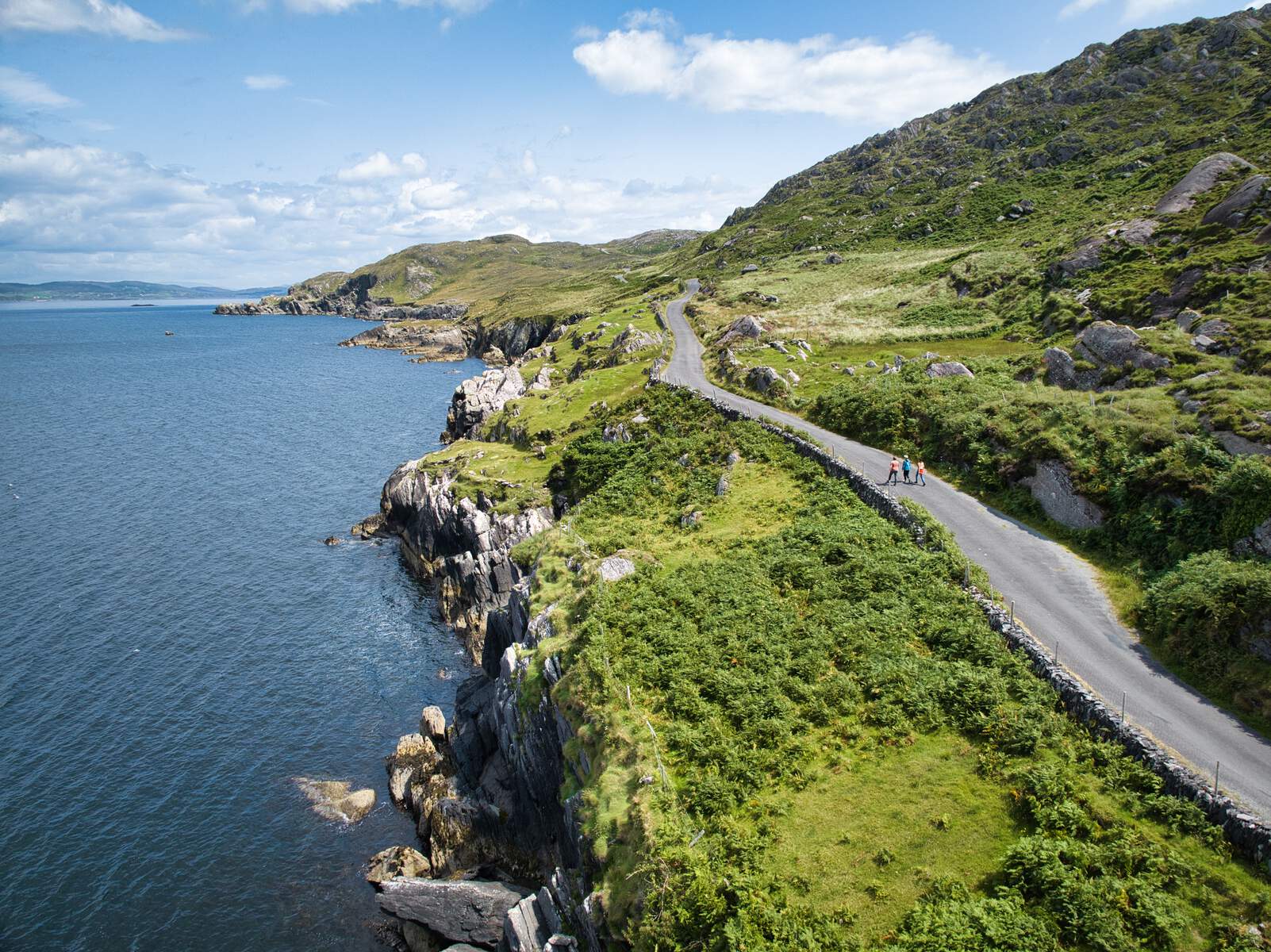
The Berehaven Copper Mines sit on the edge of the village of Allihies, the last settlement at the tip of the Beara Peninsula in West Cork. Over a century of copper extraction has left a striking industrial scar across the mountainside – rust‑coloured engine houses, stone‑built gun‑powder magazines, man‑made reservoirs and the famous Man Engine House, the only surviving example of its kind in Ireland. The mines are now anchored by the Allihies Copper Mine Museum (formerly the Cornish Miners’ Methodist Church, built 1845) which interprets the social and engineering story of the area.
Geology & Early Mining
Copper has been associated with the Beara Peninsula since the Bronze Age, when small‑scale extraction produced the first native copper artefacts. The modern era began in 1812 when John Puxley observed bright malachite staining on the quartz promontory at Dooneen. The Puxley family quickly turned the find into Ireland’s largest copper enterprise, attracting skilled Cornish miners who brought steam‑engine technology to the remote west coast. Their influence is still visible in the Cornish‑style engine houses that dominate the landscape.
History
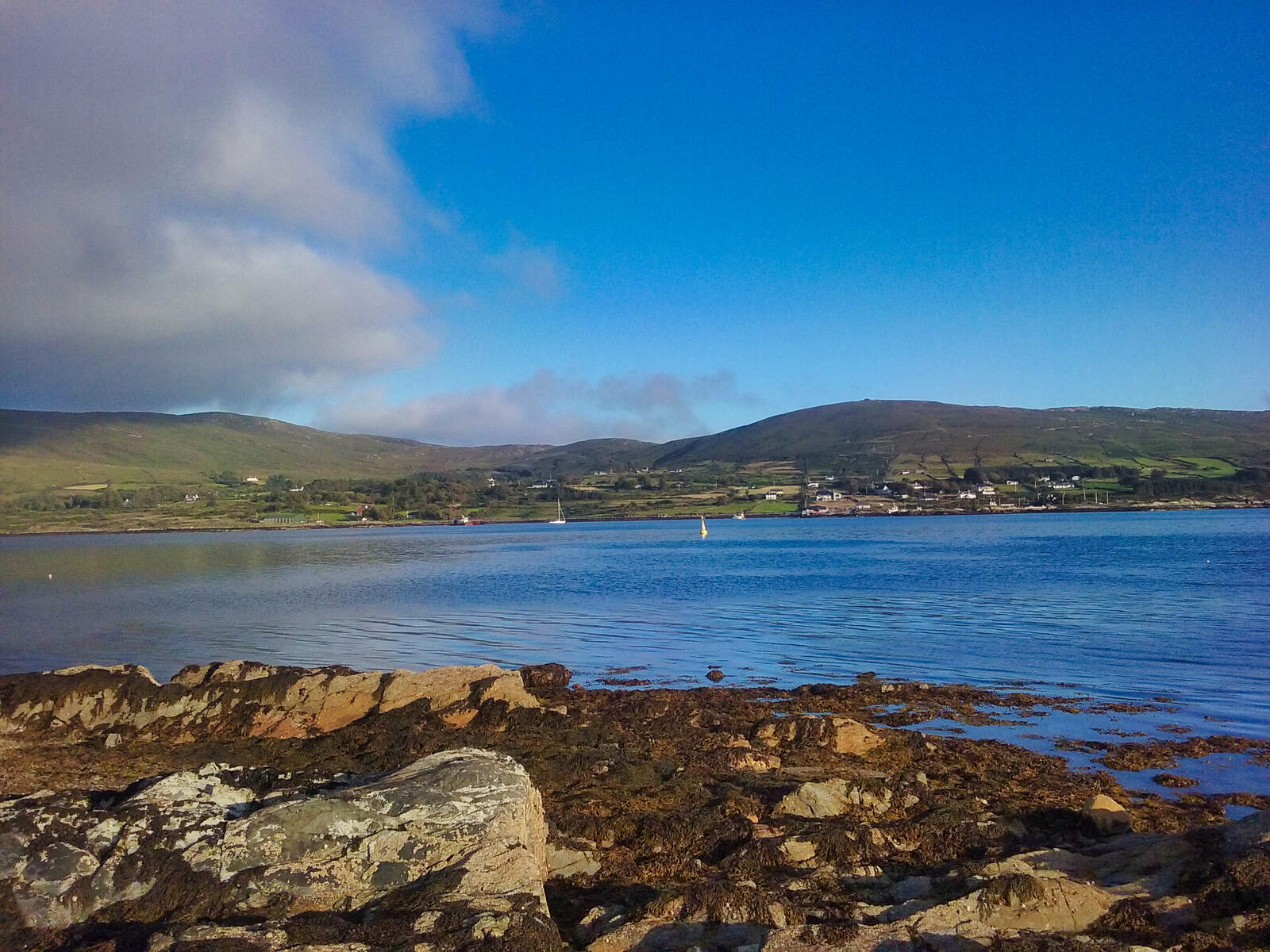
Copper was first identified on the Beara Peninsula in 1812 when John Puxley noticed bright malachite staining on the quartz promontory at Dooneen. The Puxley family quickly turned the discovery into Ireland’s biggest copper enterprise, employing up to 1 600 miners at its peak. Six principal mines were worked:
| Mine | Years of operation | Notable features |
|---|---|---|
| Dooneen | 1812‑1838 | Early adit, 1823 engine house, high‑level water reservoir |
| Caminches | 1818‑~1850 | Two 36‑inch steam engines, large water‑wheel reservoir (burst in 1833) |
| Coom | 1870‑1882 | 28‑inch steam engine, known locally as “Bewley’s” |
| Kealogue | 1842‑1882 | Four engine houses, 50‑inch Cornish pumping engine, extensive ore‑dressing floors |
| Mountain | 1813‑1882 | Open‑cast start, 1862 Man Engine House, deepest workings (421 m, 280 m below sea level) |
| Allihies (general) | 1812‑1884, intermittent later work | Network of shafts, stamping mills, gun‑powder magazine |
The Berehaven Mining Company took over in 1868, installing a new 22‑inch engine at Dooneen (1872) and reviving the Mountain Mine’s output, but the ore quickly ran thin and the whole complex was abandoned by 1882. Brief revivals in the 1920s and 1950s proved uneconomic, leaving the ruins as a testament to the Industrial Revolution’s reach into remote Ireland. The site was featured in the 2020 RTÉ programme Building Ireland, highlighting its engineering significance and the surviving Man Engine House.
In addition to the mines themselves, the Puxley estate built a Methodist National School (1875‑1883) to educate the children of miners – the building still stands near the museum and is a reminder of the community that grew around the industry.
Guided Tours & Visitor Experience
The Allihies Copper Mine Museum offers guided walks that take visitors through the engine houses, gun‑powder magazines and the dramatic Pig Street miners’ pathway. Interactive displays explain steam‑driven machinery, the geology of the copper ore, and the social history of the Cornish community. Highlights include:
- A working scale model of the Man Engine that once lifted miners 45 m underground.
- Original 19th‑century cost books and ledgers, providing insight into miners’ wages and living conditions.
- A dedicated gallery on the emigration of Allihies miners to Butte, Montana, linking Irish industrial heritage to the American West.
- A rotating art exhibition showcasing works by local artists.
The museum is free to enter, though donations are welcomed. It is wheelchair‑accessible at ground level; however, interior access to some engine‑house rooms is limited for preservation reasons.
Copper Café & Gift Shop
The on‑site Copper Café (open 10 am‑5 pm) offers light lunches, coffee and locally sourced seafood. Its sensory garden provides panoramic views of the Allihies countryside and the quartz‑sand Ballydonegan Beach, a beach whose golden grains were washed down from the mines.
Walking Trails & Outdoor Activities
The Copper Mine Trail is a marked route that weaves past engine houses, reservoirs, the gun‑powder magazine and the historic Pig Street. Trail lengths vary from 1.5 km (easy loop) to 10 km (challenging hill walk) and are well sign‑posted. Maps are available at the museum. The trail forms part of the Beara Way, allowing longer walkers to combine the mines with coastal scenery.
- Pig Street – a steep, historic path once used by miners’ families to reach the village.
- Man Engine House viewpoint – offers sweeping Atlantic vistas and excellent photography opportunities.
- Ballydonegan Beach – a short walk from the trail; the sand’s distinctive colour comes from mineral particles eroded from the old workings.
Practical Information
Opening hours (Café)
| Day | Hours |
|---|---|
| Monday – Friday | 10:00 am – 5:00 pm |
| Saturday | 10:00 am – 5:00 pm |
| Sunday | Closed |
The museum’s opening hours should be confirmed before visiting.
Admission – Museum entry is free; donations are appreciated. Café meals range €12‑€15.
Parking – Free parking is available beside the museum.
Accessibility – Ground‑level museum access is wheelchair‑friendly; some historic interiors have limited access.
Contact – Email info@acmm.ie or call +353 27 73218.
Getting there – The site lies 130.6 km from Cork city centre and 144.1 km from Cork Airport. From the N71 turn onto the R572 and follow signs to Allihies. Coordinates: 51.6390 N, ‑10.0448 W.
Public transport – Information pending – please verify bus routes or nearest train station.
Literary and Media Appearances
- Daphne du Maurier’s novel Hungry Hill was inspired by the Puxley family and the dramatic landscape of the Berehaven Copper Mines. The novel’s fictionalised account brings the 19th‑century mining boom to life.
- The mines were the focus of an episode of RTÉ’s Building Ireland (April 2020). The programme gave viewers unprecedented access to underground workings and highlighted the engineering achievements of the Man Engine House.
- A scholarly monograph, “The Berehaven Copper Mines” by R. A. Williams (British Mining No 42, Northern Mine Research Society), remains the definitive reference for researchers and enthusiasts.
Further Reading & Resources
- Northern Mine Research Society – The Berehaven Copper Mines – detailed historical account and bibliography: https://nmrs.org.uk/publication/the-berehaven-copper-mines/
- Discover Ireland – Allihies Copper Mine Museum – visitor information and booking details: https://www.discoverireland.ie/cork/allihies-copper-mine-museum
- Allihies Copper Mine Museum website – up‑to‑date news, events and downloadable trail maps: https://acmm.ie/
Nearby Attractions & Day Trips
While in Allihies, visitors often explore:
- Ballydonegan Beach – a sandy bay formed from particles washed down from the mines.
- The historic Cornish Village ruins scattered across the peninsula.
- The colourful cottages and three traditional pubs of Allihies village.
- The Allihies Copper Mines page for a deeper dive into individual shaft histories.
- The Beara Way – a long‑distance coastal walking route.
- Other Beara Peninsula highlights such as Adrigole and Dursey Island.
The Berehaven Copper Mines are also part of the Wild Atlantic Way, making them a natural stop on a scenic coastal drive.
Berehaven Copper Mines offer a rare blend of industrial archaeology, dramatic scenery and community heritage – a compelling destination for history lovers and outdoor enthusiasts alike.