
Overview
Bird Point is a modestly‑scaled birdwatching location that sits along Ireland’s rugged coastline. Though it does not carry the fame of Bull Island or the Saltee Islands, its unspoiled dunes, mudflats and low cliffs create a micro‑habitat that attracts a surprising variety of birds. The site is ideal for anyone who wants to combine a gentle walk with the chance to observe waders, gulls and occasional raptors in a setting that feels far removed from the bustle of the city.
Background
Ireland’s position on the western edge of Europe makes it a natural waypoint for migratory birds travelling between the Arctic and Africa. As highlighted by several national bird‑watching guides, the island supports more than 400 recorded species, ranging from the humble wren to the majestic golden eagle. Bird Point benefits from this broader ecological context: the surrounding intertidal zones provide feeding grounds for wintering geese and ducks, while the nearby sand dunes offer nesting sites for ground‑nesting waders.
What to See & Do
Avian Highlights
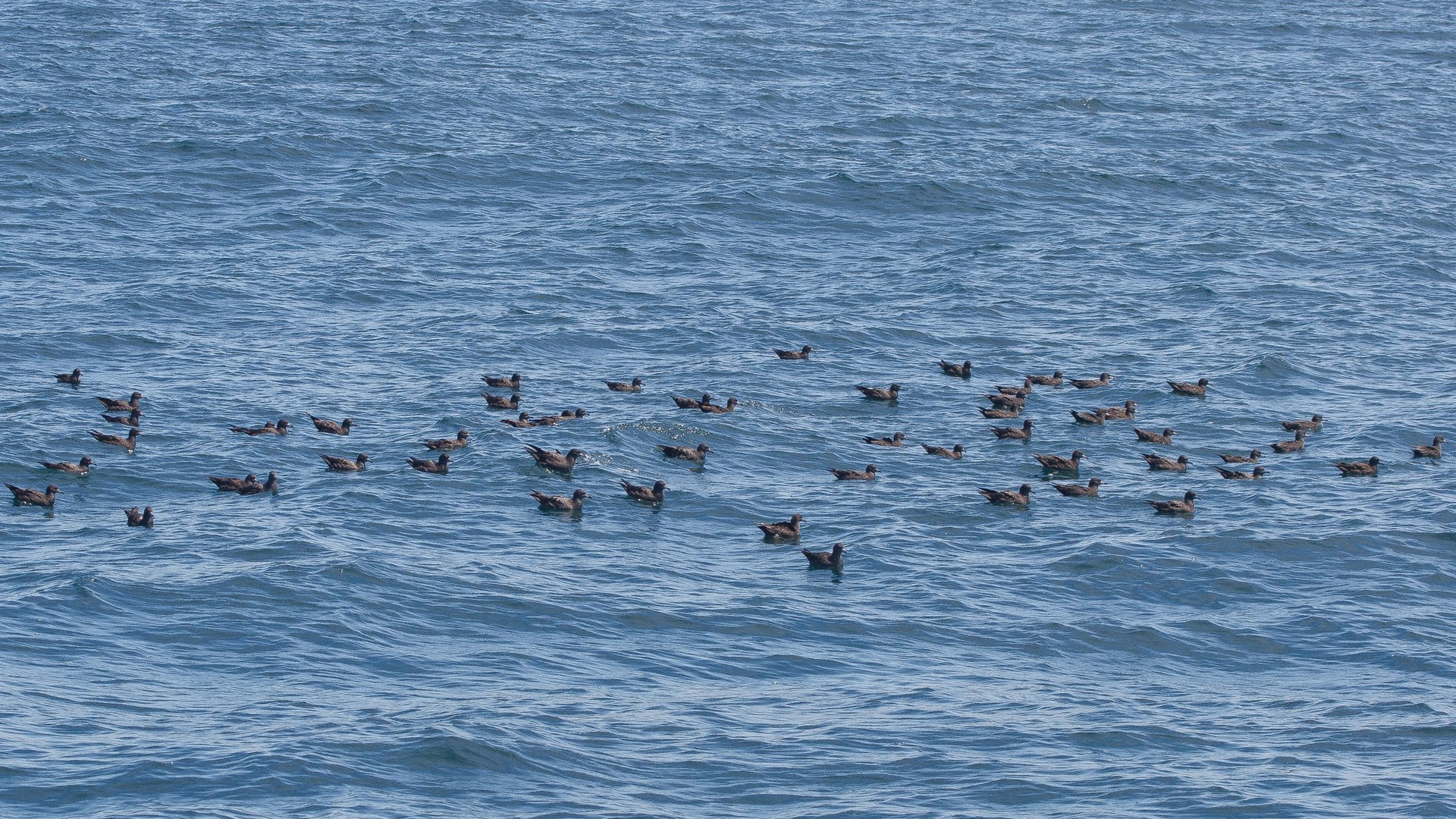
While the exact species list for Bird Point is not published, the habitats it shares with other Irish coastal sites suggest a predictable roster of visitors:
- Brent Geese – often seen in large flocks during winter months, feeding on the exposed mudflats.
- Pintail and Shoveler – dabbling ducks that favour shallow water for foraging.
- Short‑eared Owl – a secretive raptor that hunts over open grassland and dunes.
- Peregrine Falcon and Merlin – swift hunters that use the cliffs for perching and launching.
- Gulls and Terns – including black‑tailed gulls and common tern, which roost on the beach at low tide.
These birds mirror the diversity reported at nearby sites such as North Bull Island and the East Coast Nature Reserve, where similar habitats support a comparable mix of waterfowl, waders and birds of prey.
Walking Routes
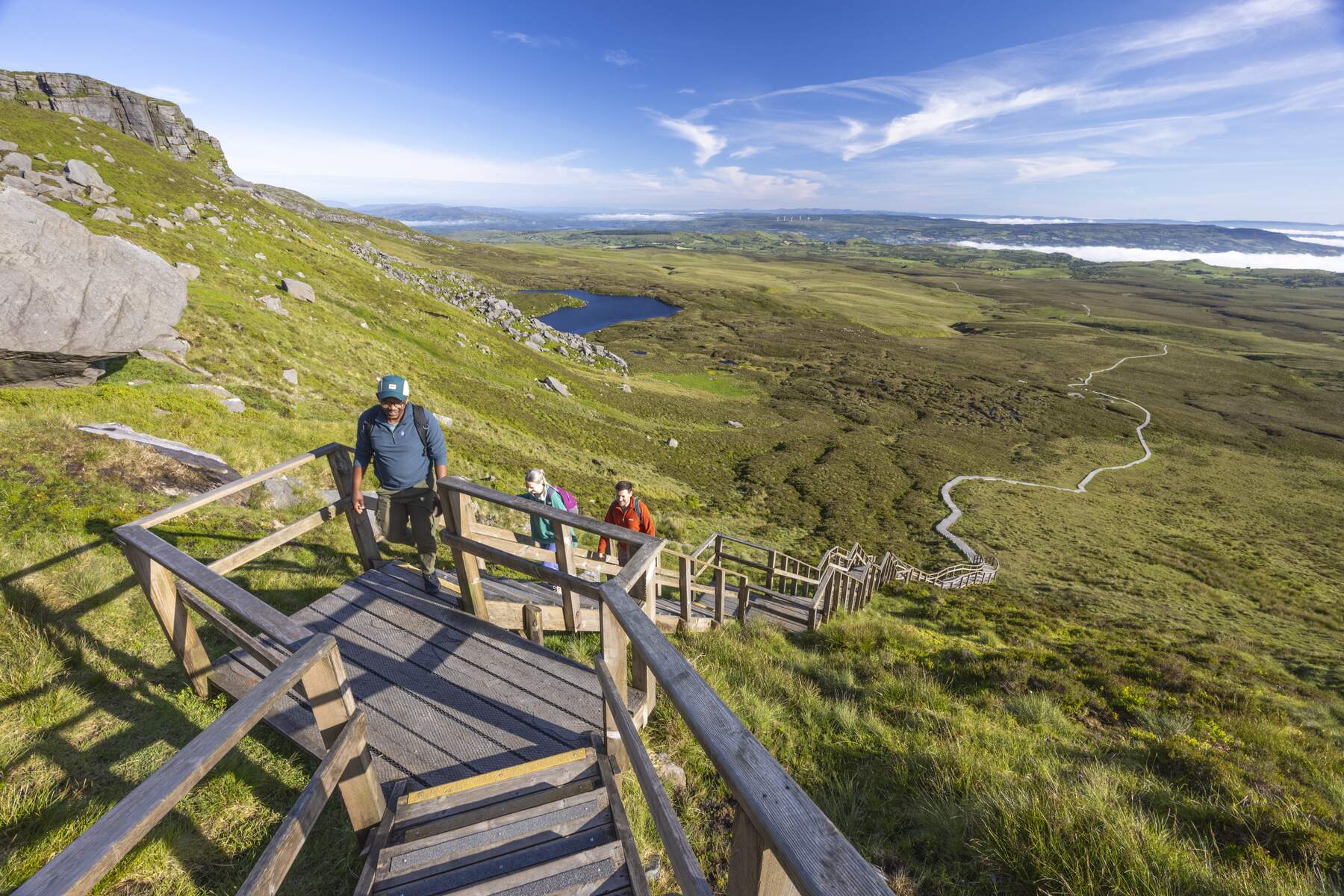
A short, well‑marked trail loops around the headland, offering several viewpoints:
- Dune Walk – a gentle stroll across the sand dunes, ideal for spotting ground‑nesting waders and listening for the distant call of a curlew.
- Cliff Edge Path – a narrow track that skirts the sea‑cliff, providing excellent perch points for raptors and a panoramic backdrop for seabird photography.
- Mudflat Boardwalk – accessible at low tide, this boardwalk leads to the intertidal zone where flocks of waders feed.
Each segment is designed to keep visitors on a defined route, protecting sensitive nesting areas while still granting ample bird‑watching opportunities.
Practical Information
Bird Point is publicly accessible via a small car park located a short walk from the main trailhead. Parking is free and there are a few basic facilities, such as a bench and a waste bin, positioned near the entrance. The site is car‑free beyond the parking area, encouraging visitors to explore on foot or by bicycle – a common approach for many Irish birding locations, including Bull Island.
Getting there: The nearest town is reachable by regional bus services, and a short taxi ride will drop you at the trailhead. For cyclists, a dedicated bike lane runs from the town centre to the parking area, mirroring the bike‑friendly access described for Dublin’s coastal birding sites.
Seasonality: Spring and autumn are peak migration periods, when the influx of waders and waterfowl is at its highest. Winter brings larger flocks of Brent geese and other Arctic migrants, while summer offers the occasional sighting of puffins and gannets on the offshore cliffs.
Observation points: Two modest hides have been installed near the dune and cliff sections. They provide shelter from the wind and a stable platform for binoculars, echoing the observation hides found at places like Castle Espie Wetland Centre and Lough Neagh Discovery Centre.
Accessibility: The main trail is relatively flat and suitable for most walkers. However, the cliff edge path includes some uneven sections and steep drops, so visitors with limited mobility may prefer the dune walk and boardwalk.
Nearby Birdwatching Sites
If you have time, consider adding other coastal birding locations to your itinerary. The Bann Estuary is renowned for its overwintering waterfowl, while the Castle Espie Wetland Centre offers a visitor centre and additional hides. The Lough Neagh Discovery Centre provides a fresh‑water contrast to the salt‑marsh habitats at Bird Point.
Why Bird Point Stands Out
Bird Point may lack the large‑scale infrastructure of Ireland’s flagship reserves, but its understated charm lies in the intimacy of the experience. The site’s low visitor numbers mean you can often hear the subtle rustle of wings rather than the chatter of crowds. Moreover, its proximity to other notable birding hotspots makes it an excellent addition to a day‑trip itinerary that could also include nearby coastal villages, historic lighthouses or a short ferry ride to a larger island sanctuary.
Planning Your Visit
When planning a trip to Bird Point, consider the following practical steps (presented as part of the narrative, not a separate list):
- Check tide tables before heading to the mudflat boardwalk; the best feeding times for waders occur at low tide.
- Bring a pair of binoculars with a wide field of view – many of the species here, such as gulls and terns, are best observed in flight.
- If you are interested in recording rare sightings, the Irish Birding website provides a platform for submitting observations, a practice encouraged at most Irish birdwatching locations.
Bird Point offers a slice of Ireland’s rich avian tapestry without the crowds, making it a perfect stop for both seasoned birders and casual nature lovers seeking a peaceful spot to watch the skies.
Tags: [“Scenic”, “Outdoors”, “Free Entry”]