
Overview
Blarney Castle rises from the River Martin in the village of Blarney, just 8 km northwest of Cork city. Built in 1446 by Cormac Láidir MacCarthy, Lord of Muskerry, the 15‑storey keep dominates a 60‑acre demesne of formal gardens, woodland walks, and a series of whimsically named rock formations. While the stone walls are now a romantic ruin, the site is fully operational year‑round and draws millions of visitors eager to kiss the world‑famous Blarney Stone – a block of bluestone set into the machicolations beneath the battlements that, according to legend, grants the gift of eloquence.
History
The first fortification on the Blarney site predates 1200, likely a timber structure that left no trace. By 1210 a stone fort replaced it, only to be destroyed in 1446. Cormac Láidir MacCarthy rebuilt the castle that year, creating the keep that still crowns the hill today. The stronghold survived the Irish Confederate Wars, was seized by Parliamentarian forces in 1646, and changed hands several times during the Williamite wars of the 1690s. In the early 18th century Sir James Jeffreys, governor of Cork, acquired the estate; his descendants later erected Blarney House, a Scottish‑baronial mansion completed in 1874 and still occupied by the Colthurst family.
What to See & Do
- The Blarney Stone – Set into the wall just below the parapet, the stone is reached by leaning backwards over a sheer drop, assisted by a guide. Children under eight may need staff discretion, but the experience is open to all ages.
- The Keep and Battlements – Climb the 90‑foot tower for panoramic views of the surrounding countryside and the lake that mirrors the castle’s silhouette.
- Blarney House – A striking baronial mansion overlooking the lake, open to the public and showcasing Victorian interiors and a grand staircase.
- Gardens & Grounds – The estate boasts a Fern Garden with over 80 species of ferns, a Herbaceous Border topped by an 80‑metre rose pergola, and a spectacular Poison Garden that displays wolfsbane, mandrake, ricinus, opium poppies and even cannabis behind protective cages.
- Rock Close – A mystical woodland area featuring the Druid’s Circle, Witch’s Cave, the Seven Sisters standing stones, and the Wishing Steps, where a silent ascent and descent with eyes closed is said to grant a wish within a year.
- Lake Walk – A 45‑minute circuit around the 22‑acre lake offers sightings of swans, kingfishers, and red squirrels, plus quiet benches for contemplation.
- The Dungeon and Murder Hole – Below the tower lies a chilling dungeon once used for prisoners; a murder hole in the floor once allowed defenders to drop rocks or boiling water on attackers.
- Café and Souvenir Shop – The Stable Yard Café serves a signature loganberry ice‑cream made from estate‑grown fruit, while the shop offers locally crafted gifts.
Practical Information
Tickets can be purchased online via the official ticket portal or at the on‑site ticket office; there are no timed entry slots, so visitors may arrive at any point during opening hours. The site accepts Visa and Mastercard.
Opening hours vary by season (see table above). The castle is closed on 24 December and 25 December.
Parking is available on the grounds for a flat fee of €2 for the duration of the visit; the car park closes at the official closing time, and overstaying incurs a €50 penalty. Overnight parking is not permitted.
Accessibility – While the historic keep is not wheelchair‑friendly, the gardens, lake walk and many of the themed paths are level and have accessible routes. Staff can provide assistance free of charge.
Public transport – The 215 bus runs from Cork city centre to Blarney village, stopping a short walk from the castle. From Cork Airport, follow signs to the city centre, then the N20 towards Limerick; after 7 km exit left for Blarney. By train, Cork is reachable from Dublin via Irish Rail, and a short bus ride (215) completes the journey. Shannon Airport visitors can drive via the Limerick‑Mallow corridor or take a bus to Cork city and transfer to the 215.
Facilities – A coffee hut (No. 12 on the visitor map) and the Stable Yard Café provide refreshments. Restrooms are located near the entrance and within the garden complex. Audio guides are available in English; printed maps are offered in six languages (English, French, German, Spanish, Italian, Chinese).
Visitor etiquette – Dogs are not permitted in the castle or gardens, except for assistance dogs. Bicycles, scooters, roller‑blades and ball games are prohibited within the demesne, and drones are not allowed as the estate is private property.
Time to allocate – While a brisk climb to the stone can be done in an hour, the full experience—including the gardens, Poison Garden, lake walk and Blarney House—comfortably fills 3–4 hours.
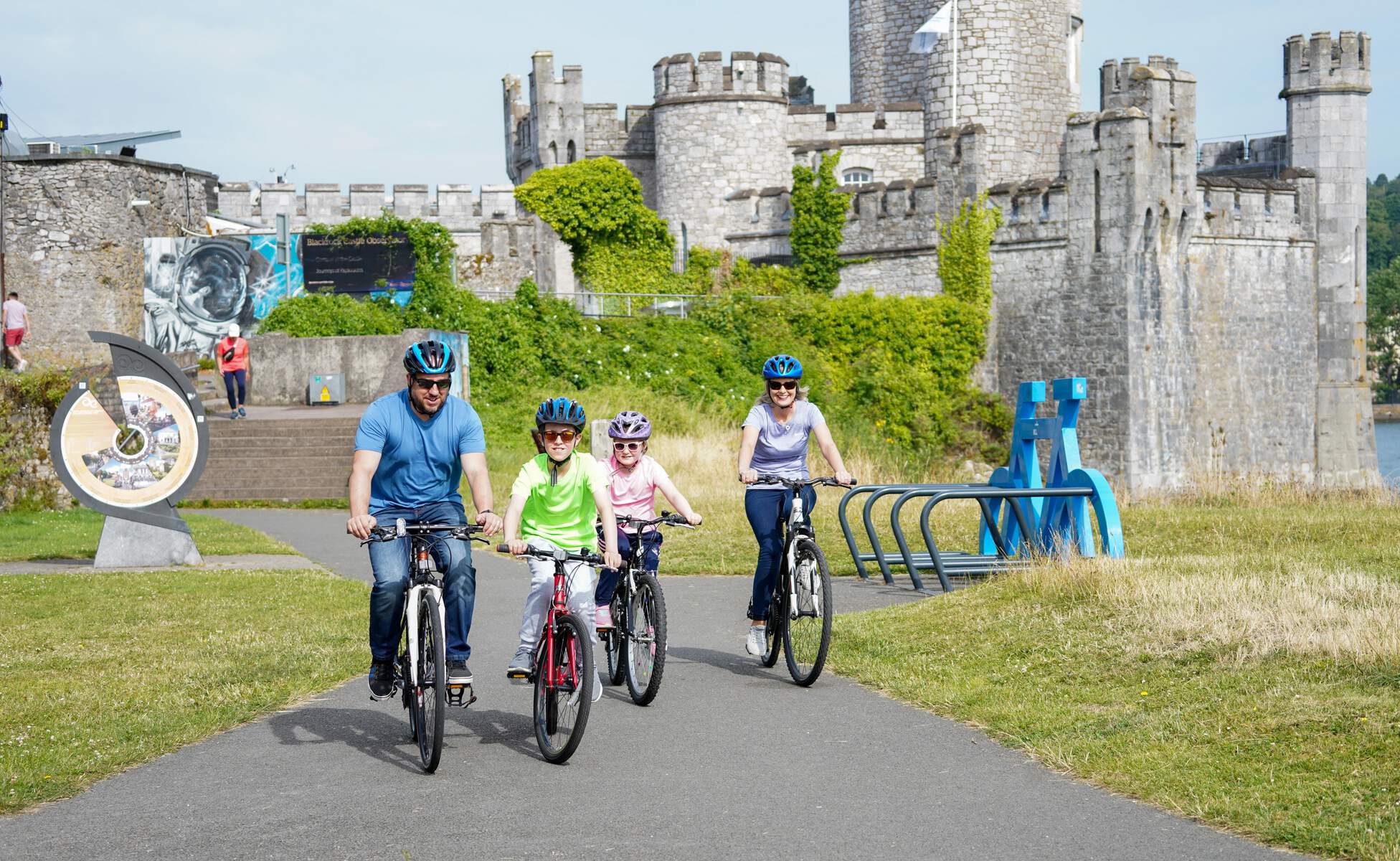
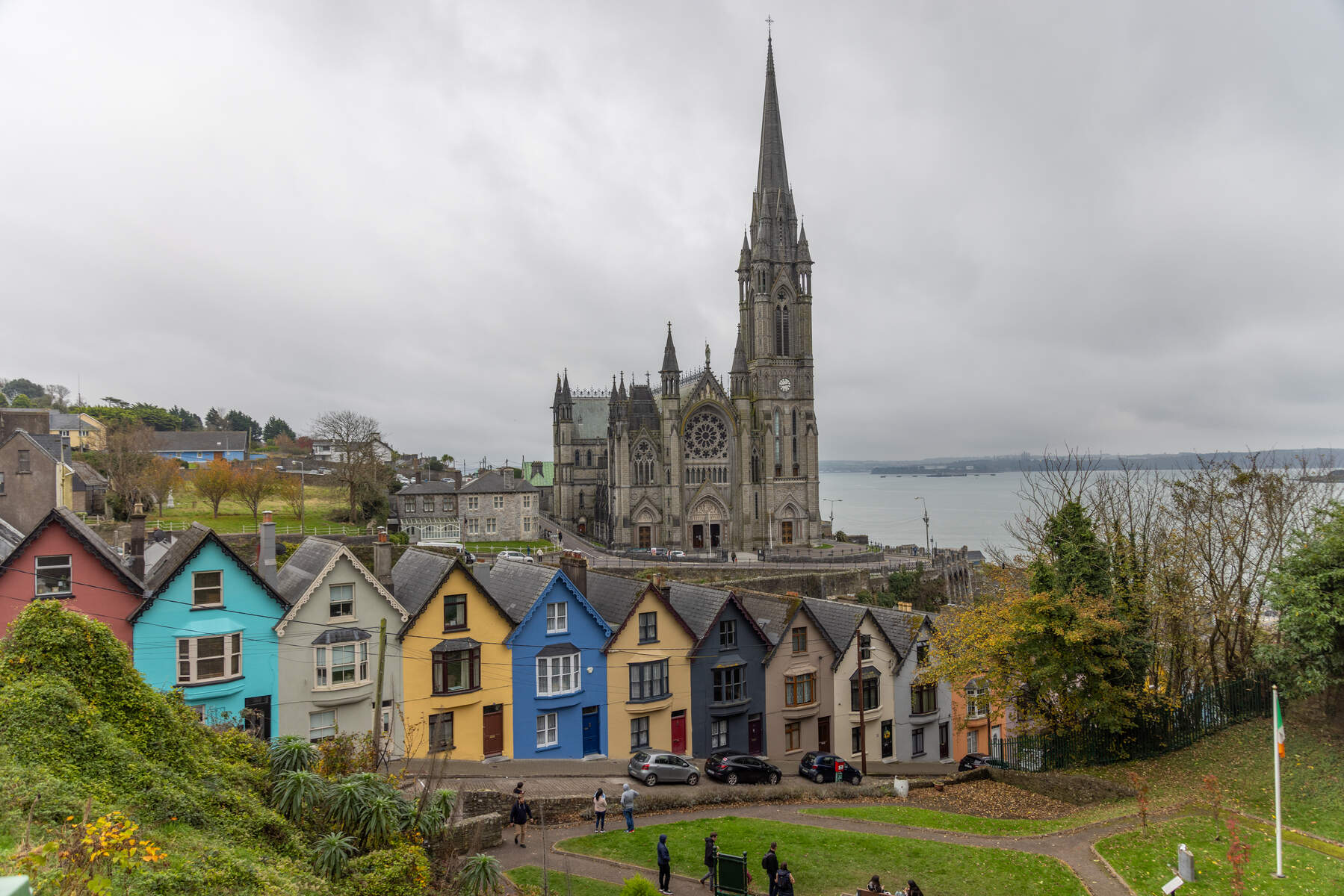
Nearby attractions – Blarney makes an excellent base for exploring County Cork: [Cork city]’s English Market, the historic Blackrock Castle, Fota Wildlife Park, and the coastal towns of Cobh and Kinsale are all within a short drive.
Booking – Advance booking is recommended during peak summer months; tickets are refundable only as a date change, not a cash refund.
For the most up‑to‑date information, visit the official website or call the visitor centre.