
Overview
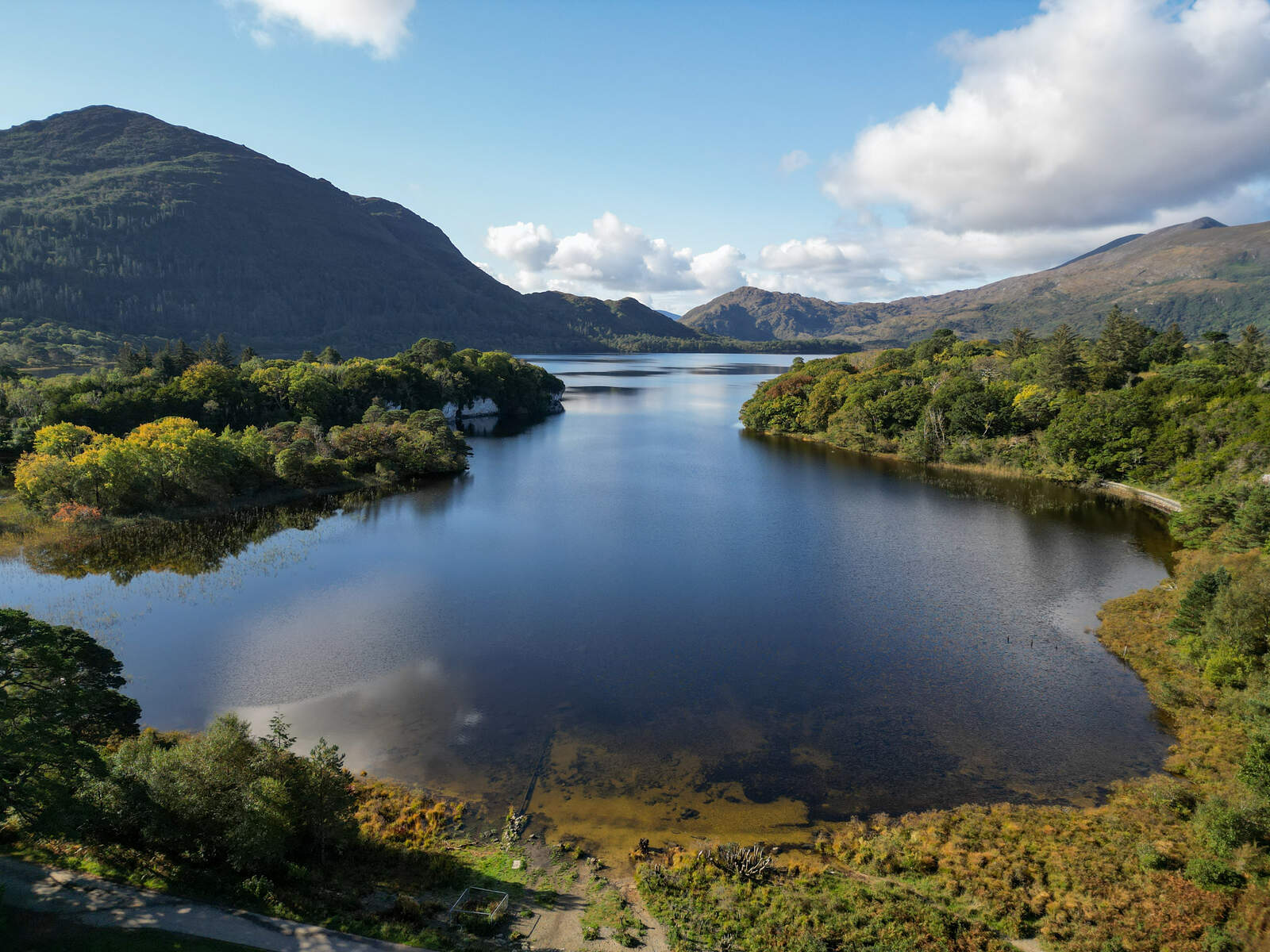
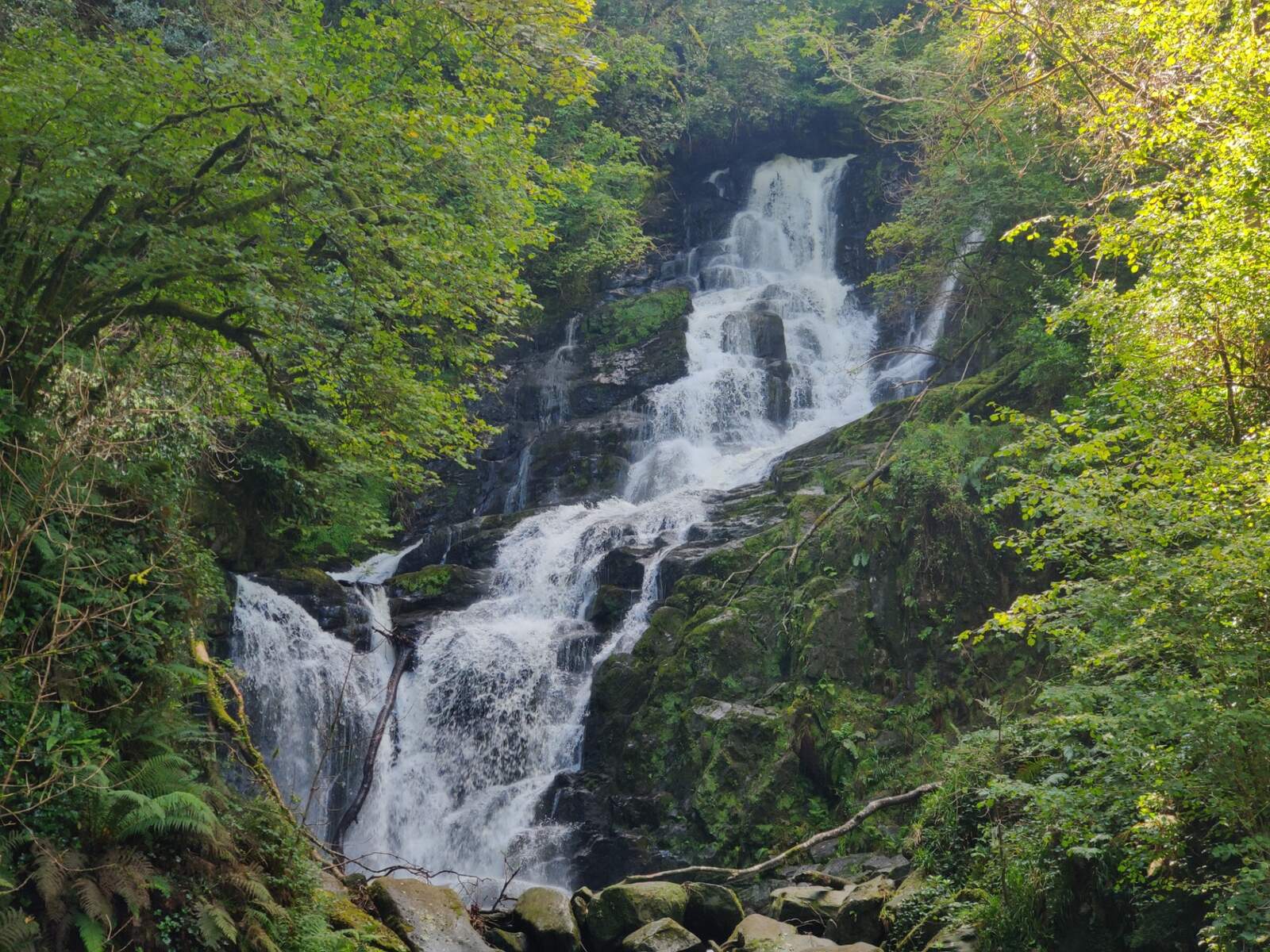
Bourn‑Vincent Memorial Park is the 4,300‑hectare core of Killarney National Park, situated just south‑west of the town of Killarney in County Kerry. Recognised as Ireland’s first national park, the area is a mosaic of native oakwoods, the largest yew woodland in Western Europe, and a thriving herd of native red deer that have roamed these hills since the last Ice Age. The park’s landscape stretches from tranquil lakes to rugged mountain slopes, offering visitors a compact yet diverse snapshot of Ireland’s natural heritage.
Early History and Heritage
The park’s origins lie in the 19th‑century Muckross Estate. In 1911 William B. Bourn bought the estate as a wedding gift for his daughter Maud, who married Senator Arthur Vincent. In 1932 the Bourn family and Senator Vincent presented the estate to the Irish State in memory of Maud, creating Ireland’s first national park – an act formalised by the Bourn‑Vincent Memorial Park Act, 1932. The original 4,300 ha donation formed the nucleus of the park; subsequent acquisitions have expanded the whole of Killarney National Park to over 10,000 ha.
Human presence in the Killarney area stretches back to the early Bronze Age, when copper was mined on Ross Island some 4,000 years ago. Early Christian monastic settlements followed, most famously Innisfallen Abbey (founded by St Finian the Leper) whose annals are a key source for medieval Irish history. The 15th‑century Muckross Abbey, founded in 1448, still stands amid a venerable yew tree that may be as old as the abbey itself. The late‑19th‑century Muckross House (built 1843) was later owned by the Herbert family and Sir Arthur Edward Guinness before being gifted to the state in 1932.
Geology & Landscape
The park sits on a complex geology of Old Red Sandstone mountains, Carboniferous limestone reefs and glacially‑carved lake basins. This variety creates a patchwork of habitats – from alpine‑like heath on the peaks of Torc and Mangerton, to limestone‑rich yew woodlands on the Muckross Peninsula, and peat‑filled bogs in the uplands. The landscape is shaped by the last Ice Age, leaving deep corries, U‑shaped valleys and a network of lakes that reflect the surrounding mountains.
Flora Highlights
The oakwoods are dominated by sessile oak, with holly, hazel and a rich understory of evergreen shrubs. The Reenadinna Yew Woodland on the Muckross Peninsula is a Special Area of Conservation and the largest yew forest in Western Europe; many trees are 200‑250 years old. The mild, oceanic climate supports an extraordinary diversity of bryophytes, lichens and mosses, including rare species such as Greater Butterwort, St Patrick’s Cabbage and Arbutus. Alpine‑type plants cling to the higher slopes, while alder and willow dominate the wet woodland along lake edges.
Fauna Highlights
- Red deer – the only native herd in Ireland, numbering over 850 and roaming the upland slopes of Torc and Mangerton.
- Japanese sika deer – introduced in the 19th century, now common throughout the woods.
- Kerry cattle – heritage breed grazing the demesne grasslands.
- Bank vole – first identified in north‑west Kerry in 1964, now widespread in the park.
- Birdlife – meadow pipit, stone chat, raven, peregrine falcon, merlin, red grouse, kingfisher, dipper and wintering Greenland white‑fronted geese.
- Fish – brown trout, salmon, charr and the endemic Killarney shad; fishing is free with a standard Irish salmon licence.
Conservation & Management
Killarney National Park was designated a UNESCO Biosphere Reserve in 1981 and remains a flagship site for Irish conservation. The NPWS Management Plan (2005‑2009) set out objectives to protect habitats, control invasive rhododendron, manage deer and goat populations, and restore paths. Conservation rangers monitor water quality, conduct species surveys and enforce bylaws. The park is overseen by a 26‑member Liaison Committee representing conservation, recreation, community and commercial interests.
Recreational Activities
- Walking & Hiking – a network of marked nature trails ranges from short, wheelchair‑friendly loops around the formal gardens to longer sections of the Kerry Way that cross mountain passes and lakeshores. Trail maps and booklets are available at the Visitor Centre.
- Jaunting‑car tours – traditional horse‑drawn carriages operate from several points adjoining the park, offering a relaxed way to see the lakes and woodlands.
- Cycling – bicycles can be hired in Killarney (e.g., O’Sullivan’s Cycle Hire) and ridden on the park’s traffic‑free roads and dedicated cycle routes.
- Fishing – anglers may fish the lakes and rivers free of charge, provided they hold a valid Irish salmon licence.
- Guided walks & educational programmes – the Visitor Centre runs regular guided walks, wildlife talks and school‑group activities throughout the summer.
- Bird‑watching – designated hides at Torc and near the lakes give good views of raptors and waterfowl.
Visitor Centres and Exhibitions
The Killarney National Park Visitor Centre, located in Killarney House & Gardens, offers a free 15‑room interactive exhibition that explains the park’s geology, flora, fauna and conservation work. The exhibition is open daily Thursday‑Monday from 9:15 am to 5:15 pm, with the last entry at 5:00 pm. A seasonal information office operates at Torc Waterfall during the summer months. Restrooms, a wheelchair‑accessible WC and baby‑changing facilities are available on the ground floor.
Nearby Amenities & Education Sites
- Muckross House Garden Restaurant and Ross Castle Garden Café provide meals and refreshments.
- Muckross Traditional Farms showcase historic farming practices and have a craft shop.
- Knockreer Estate, the former Kenmare demesne, hosts an education centre with walks along Lough Leane’s shore.
Events & Seasonal Highlights
- Samhain Autumn Gathering – held each October (e.g., 17‑19 Oct 2025) with music, storytelling and craft workshops celebrating Celtic traditions.
- Goldens Gates – the exhibition at Killarney House runs Thursday‑Monday, 9:15 am‑5:15 pm (last entry 5:00 pm). Check the park website for any seasonal changes.
- Winter wildlife spotting – December to February is the best time to see the flock of Greenland white‑fronted geese and hear the calls of wintering birds.
Practical Information
Access – The park is reached via the N71 road. The nearest railway station is Killarney (2 km north of the park) with regular services from Dublin, Cork and Tralee. Bus Éireann routes 274 and 275 also serve the town centre.
Parking – Free car parks are available at Muckross, Ross Castle and Muckross Abbey. Overnight parking and camping are not permitted.
Opening Hours
| Area | Hours |
|---|---|
| Pedestrian access to the park | Open 24 h year‑round |
| Killarney House & Gardens (exhibition) | 9:15 am – 5:15 pm (last entry 5:00 pm) |
| Gardens (seasonal) | 8:00 am – 6:00 pm (varies) |
Admission – Free entry to the park; attractions such as Muckross House charge an admission fee.
Dog Policy – Dogs are welcome on the marked trails but must be kept on a lead at all times.
Accessibility – The Visitor Centre and the short loop around the formal gardens are wheelchair‑friendly. Some longer trails involve uneven surfaces and steps.
Permits – Commercial activities (e.g., filming, organised walks, canoeing) require a permit from the park’s permits office (email: PermitsKNP@npws.ie). Drones are prohibited throughout the park.
Nearby Scenic Drives – The park forms a highlight of the famous Ring of Kerry drive, allowing visitors to combine a scenic road trip with walks, wildlife spotting and heritage sites.
Contact – Visitor‑centre queries: +353 1 539 3620 or email infokillarneyhouse@npws.gov.ie. Main information page: National Parks – Killarney.
Plan your visit to Bourn‑Vincent Memorial Park with ample time to wander its ancient woods, watch the red deer at dusk, and enjoy the cultural and natural attractions that earned it UNESCO Biosphere Reserve status.