

Overview
The Boyne River is a 112 km waterway that rises in County Kildare and winds eastward through the heart of Counties Meath and Louth before spilling into the Irish Sea at the Boyne Estuary. Its gentle meanders carve the celebrated Boyne Valley, a landscape dotted with UNESCO‑listed Brú na Bóinne (Newgrange, Knowth and Dowth), medieval castles, monastic ruins and modern adventure hubs. Dominating the skyline of Drogheda, the Boyne Viaduct stretches 155 m across the river and rises 30 m above the water, linking the historic Dublin‑Belfast railway line with today’s InterCity services.
History / Background
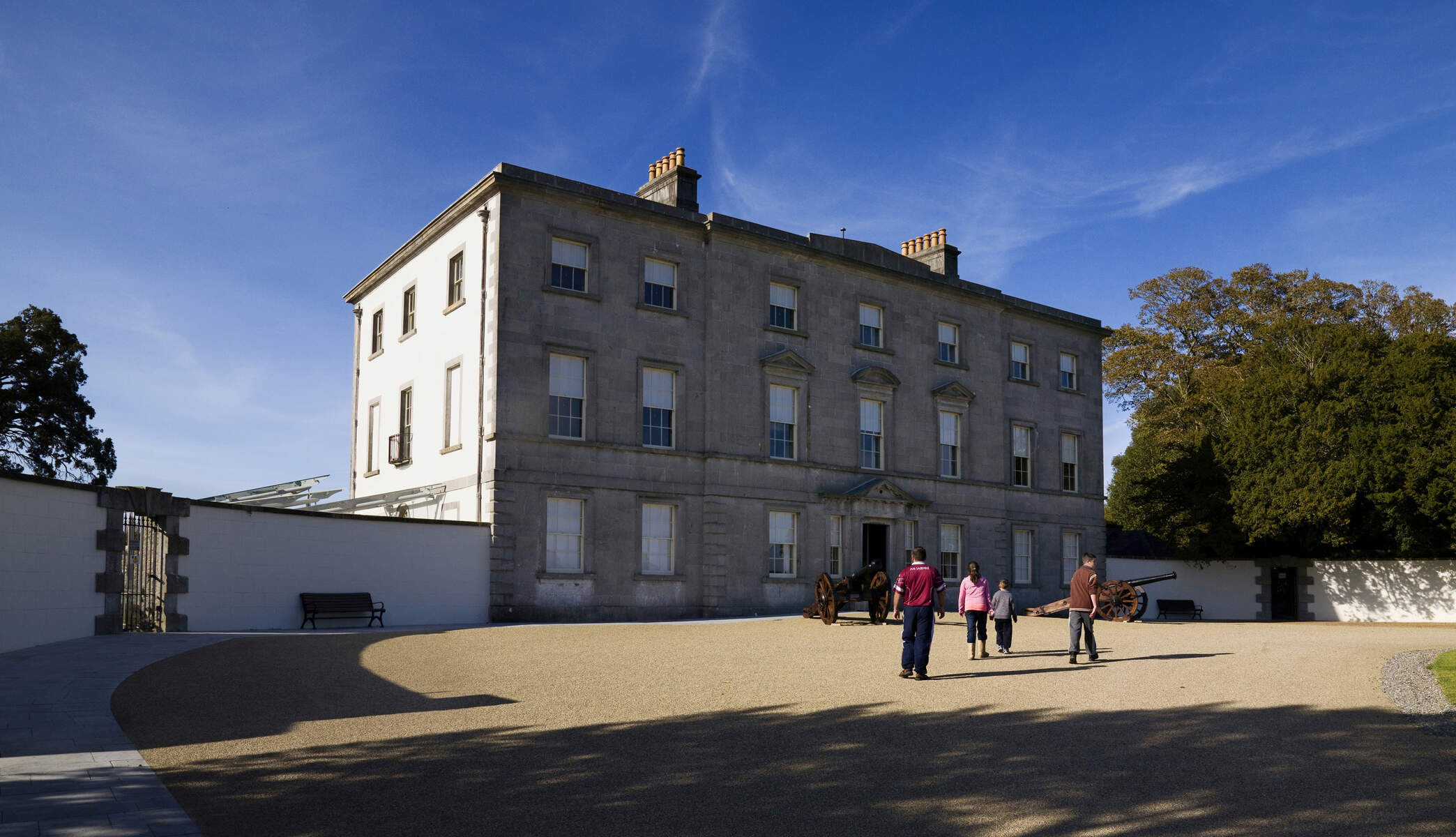
For more than 5,000 years the Boyne has been a sacred corridor. Neolithic peoples erected the world‑renowned passage tombs of Newgrange, Knowth and Dowth on its flood‑plains, aligning them with celestial events. Later the valley witnessed the rise of the High Kings at the Hill of Tara, the spread of Christianity through sites such as Mellifont Abbey, and the decisive 1690 Battle of the Boyne at Oldbridge, which reshaped Irish politics.
The Boyne Viaduct was designed by civil‑engineer John Benjamin Macneill and built between 1853 and 1855 using a pioneering stress‑analysis method devised by William Bindon Blood. Its twelve stone arches on the south bank, three on the north, and a central Pratt‑truss iron bridge were hailed as a global engineering marvel – one of the world’s first bridges of its type. The structure played a strategic role during the Second World War and celebrated its 150th anniversary in 2005 with a special steam‑locomotive run. Major upgrades in the 1930s, 1990s and a €6.1 million EU‑funded refurbishment in 2015 have kept the viaduct in active service while preserving its historic fabric.
What to See & Do
| Activity | Location | Highlights |
|---|---|---|
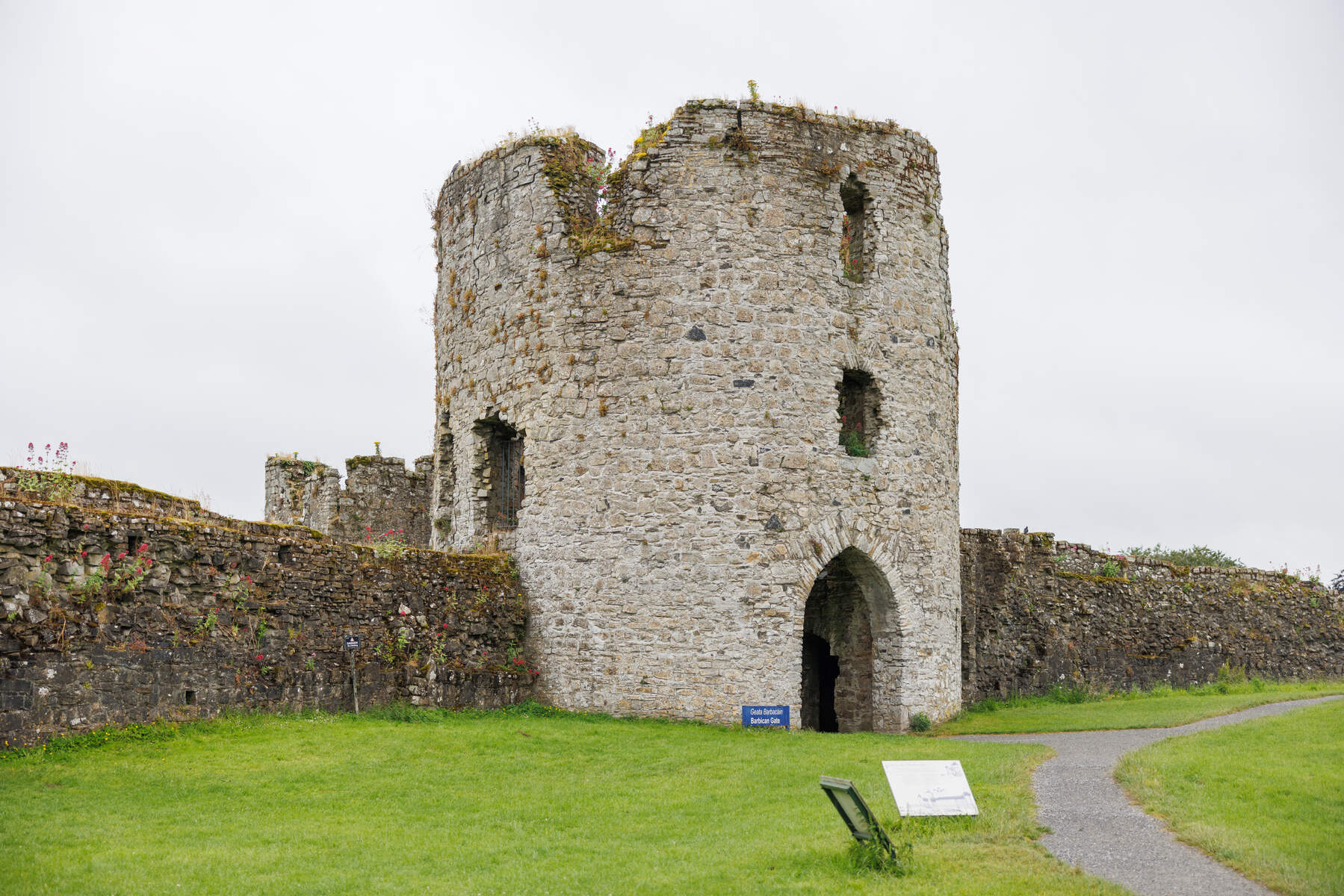
| Kayaking & Blueway Tours | Boyne Blueway (Trim) | Paddle past Trim Castle’s medieval walls; guided currach trips with Boyne Valley Activities. |
| Walking & Cycling | Boyne Greenway (Drogheda) | 4.5 km boardwalk along the south bank, passing the Mary McAleese Boyne Cable Bridge and the Battle of the Boyne Visitor Centre. |
| Heritage Walks | Boyne Valley Camino | 25 km loop through ramparts, canals, Old Mellifont Abbey and the scenic Belnumber Woods. |
| Royal Canal Greenway | South of the valley | Part of the Dublin‑Shannon route, offering views of the Boyne Aqueduct and the viaduct side‑by‑side. |
| Historic Sites | Across the valley | Brú na Bóinne, Hill of Tara, Trim Castle, Slane Castle, Loughcrew cairns, Oldbridge battle site. |
| Viaduct Viewpoints | Drogheda | Cord Road (north side) for classic arch shots; Longwood Harbour where the viaduct meets the canal; riverbank walks in town centre; train‑spotting from the south‑bank footpath. |
| River‑Side Relaxation | Slane & Meath | Stay at The Millhouse, an 18th‑century Georgian manor with river views, or enjoy cafés near the Boyne Valley Activities base. |
The river also supports fishing, bird‑watching and seasonal events such as the Laytown Races on the nearby coast. Families will find the Boyne Blueway’s easy‑access routes perfect for a day of “craic” without demanding advanced skill.
Accommodation & Amenities
For a comfortable base, the Knightsbrook Hotel, Spa & Golf Resort sits on 186 acres of parkland just outside Trim. The four‑star resort offers 120 rooms, a 17‑metre indoor swimming pool, sauna, steam room and a fully equipped health club. Its championship golf course and on‑site restaurants provide leisure options after a day of exploring the valley. The hotel’s location puts you within a short drive of Trim Castle, the Boyne Greenway and the viaduct, making it an ideal launch‑pad for kayaking, cycling or heritage walks.
Other riverside stays include The Millhouse (mentioned above) and a range of B&Bs in Drogheda and Slane that provide easy access to the Boyne Blueway and the historic sites along the river.
Events & Seasonal Highlights
- 150th Anniversary Steam‑Locomotive Run (May 2005) – A special heritage train crossed the viaduct, celebrating its engineering legacy. While the event was a one‑off, occasional steam‑train tours are organised by Irish Rail heritage groups.
- Laytown Races (August) – Held on the nearby beach, this historic horse‑racing festival draws crowds to the Boyne estuary area.
- Summer Blueway Festivals – Local operators run weekend paddling festivals on the Boyne Blueway, featuring guided currach trips, stand‑up paddle‑boarding demos and family‑friendly activities.
Check the local tourism office or the Boyne Valley website for the latest event calendar.
Wildlife & Nature
The Boyne’s clean waters support a healthy fish population, making it popular with anglers targeting brown trout and pike. The riverbanks and adjoining wetlands attract a variety of birdlife, including kingfishers, herons and occasional migratory waders in the estuary. Nature walks along the greenway often spot otters and water‑voles, especially in the quieter stretches near Trim.
Practical Information
The Boyne Valley is exceptionally well‑connected. The M1, M2, M3 and M4 motorways intersect near the valley, placing the river just 20 minutes north of Dublin Airport and about 1½ hours south of Belfast International Airport. Regular Irish Rail services run between Dublin and Belfast, stopping at Drogheda, Dundalk and other towns along the line that crosses the viaduct. Bus routes link the towns of Drogheda, Trim and Slane, while the Royal Canal Greenway and Boyne Greenway provide traffic‑free routes for cyclists and walkers.
For those travelling by car, ample parking is available at Trim Castle, the Battle of the Boyne Visitor Centre and the Longwood Harbour viewpoint. Visitor centres in Drogheda and Trim offer maps, guided‑tour bookings and information on seasonal events.
Whether exploring ancient tombs, cycling historic greenways, or admiring a Victorian railway marvel, the Boyne River and its iconic viaduct offer a seamless blend of Ireland’s past and present.