
Overview
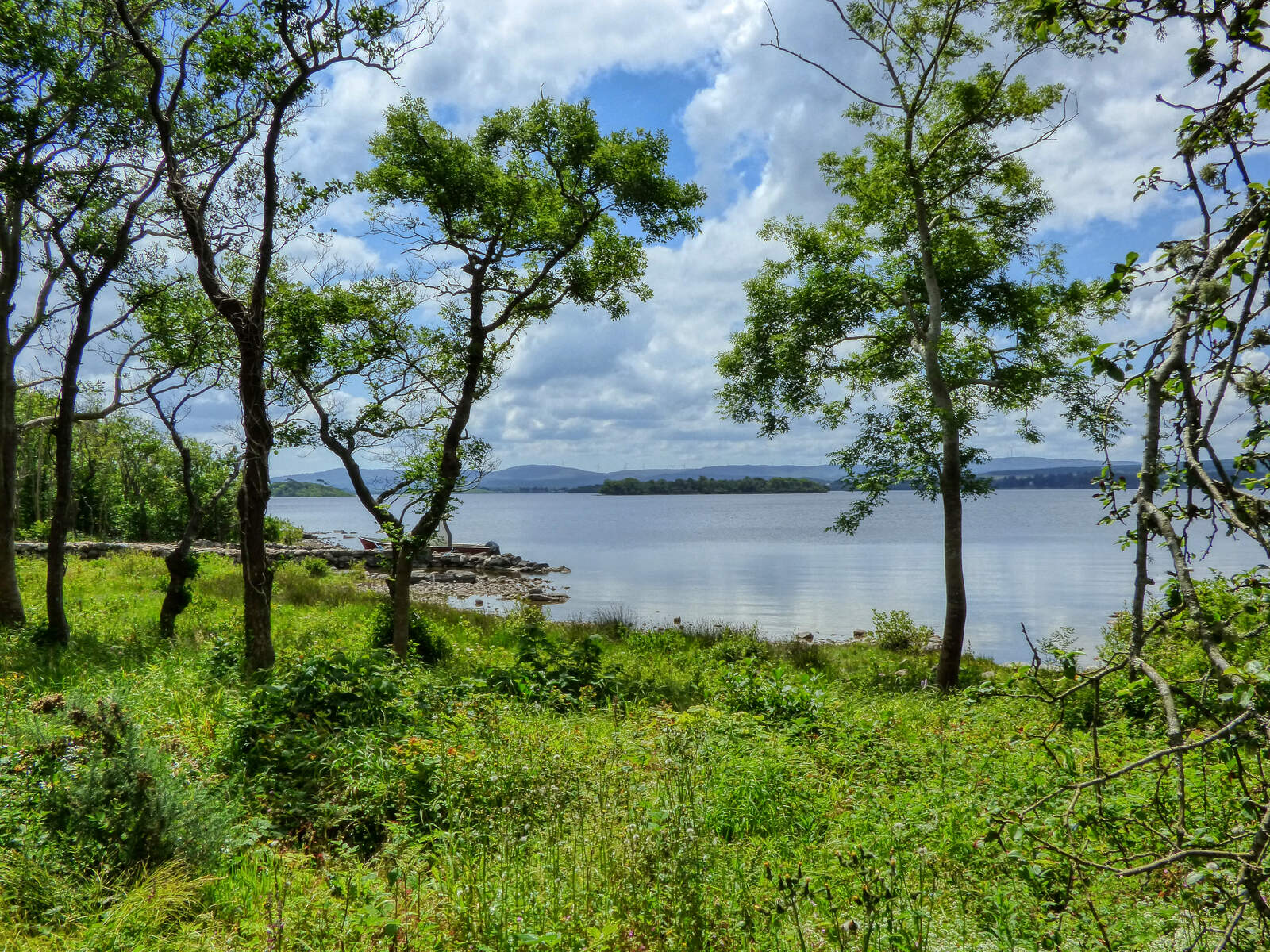
Caisleán na Circe, literally Castle of the Hen, crowns a half‑acre island in the north‑western arm of Lough Corrib. The stone keep, now a romantic ruin, dominates the lake’s shimmering surface and has long been a point of reference for anglers, boaters and anyone cruising the waters between Maam and Doon. While the castle itself is a protected National Monument and the island is officially closed to the public, the silhouette of its square‑topped towers can be admired from a distance, especially on guided boat tours that ply the lake’s many islands.
History
The first fortification on Castle Island is thought to have been burnt down in 1233. Two years later, Feidhlim, King of Connacht, ordered a new keep to be erected – the structure that would become Caisleán na Circe. 13th‑century masonry reveals a rectangular keep measuring roughly 12 × 11 m internally, with small square towers at each corner and walls that flare outward at the base for extra stability.
Ownership of the castle shifted repeatedly. Initially it belonged to the O’Connor clan, but by the late medieval period the O’Flahertys, powerful Gaelic lords of Connemara, had taken control. In the mid‑16th century the castle became entwined with the legend of Grace O’Malley, the famed pirate queen. Her husband, Donal an Chogaidh Ó Flaithbheartaigh (Donal of the War), was nicknamed “the Cock”. After his murder in 1565, the Joyces seized the keep, prompting Grace to rally O’Flaherty forces and drive the invaders back. The dramatic defence cemented the moniker “Hen’s Castle” – the hen being Grace herself.
The keep survived several remodels in the 15th and 16th centuries, as evidenced by a latrine chute on the north‑east wall and traces of a removable wooden bridge that once led to the south‑tower doorway. By the 19th century, however, the ruin had been heavily vandalised; stones were pilfered for nearby houses, and the interior collapsed into a mass of rubble and weeds. Today, the remaining walls still convey the skill of medieval Irish builders and the strategic importance of controlling Lough Corrib’s waterways.
Local folklore adds a magical layer to the stone. One tale tells of a witch hired by the O’Flahertys to conjure the castle in a single day and night. She left a protective hen to guard the stronghold; when famine forced the inhabitants to eat the hen, the castle’s fortunes waned. Another story recounts a Norman knight, de Burgo, laying siege and starving the garrison into surrender, after which the keep was partially demolished.
Viewing the Castle
Because the island is restricted, the only way to get close is by water. The most popular launch points are the small car parks at Maam and Doon, both accessed via the R310. From these points you can hire a private motor boat, join a local guided tour, or launch a kayak/paddle‑board. Guided operators (names to be confirmed) typically circle the upper Lough Corrib islands, pausing at a safe distance to point out the square towers and share the Grace O’Malley story.
If you prefer a shoreline perspective, the Maam viewpoint on the southern shore offers a clear line of sight across the water, especially at sunrise when the castle’s silhouette is reflected on the glassy lake surface.
What to See & Do
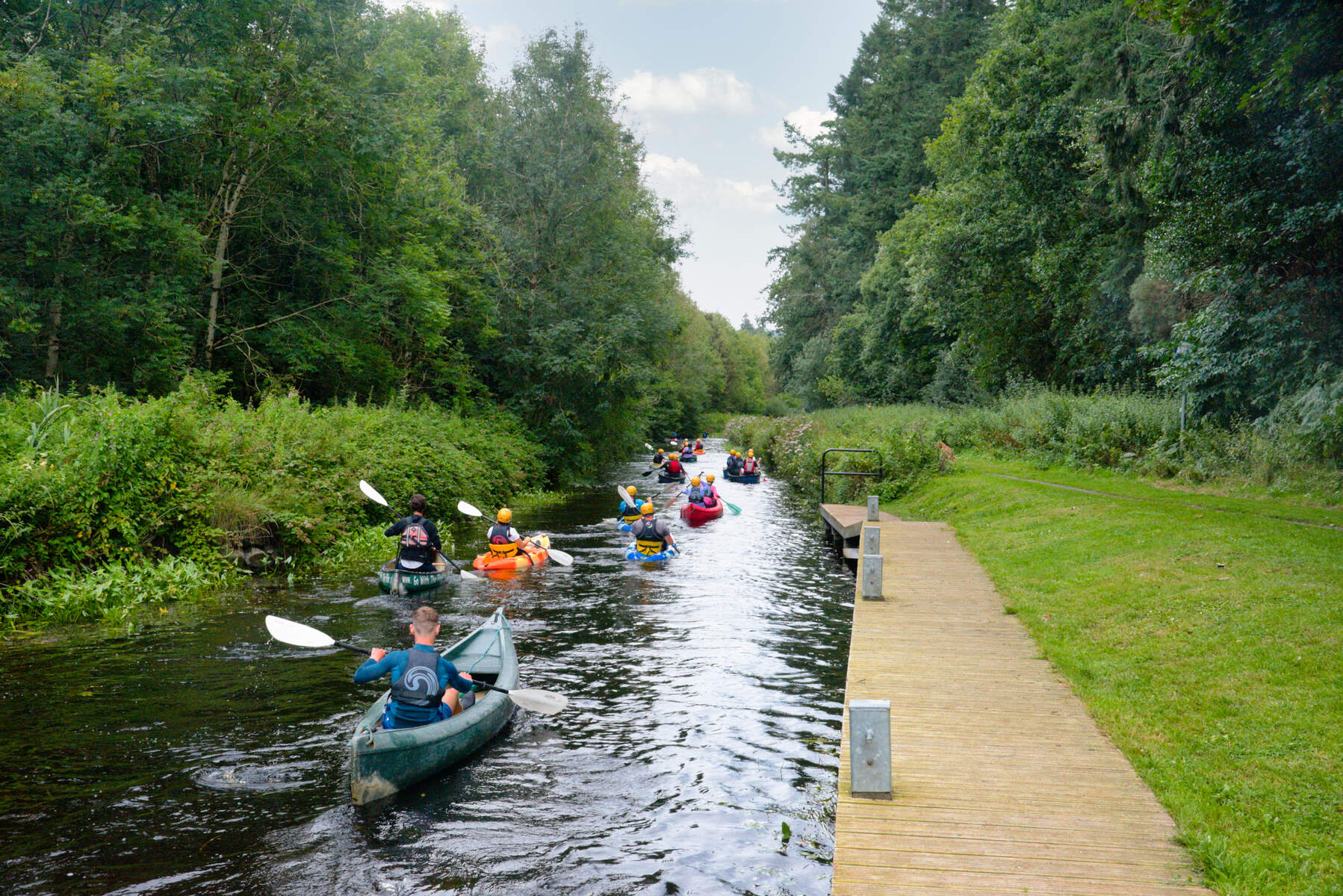
Even though the island is off‑limits, the surrounding lake offers several ways to experience Caisleán na Circe:
- Boat excursions – Many local operators run half‑day trips around the upper Lough Corrib islands. Guides point out the keep’s square towers, explain the clan battles and recount Grace O’Malley’s daring defence.
- Kayaking and paddle‑boarding – For the more adventurous, a self‑guided paddle lets you glide up close to the stone walls, offering unique photographic angles of the weather‑worn masonry.
- Bird‑watching – The island’s cliffs provide nesting sites for gulls and occasional sightings of kingfishers that dart along the water’s edge.
- Historical interpretation – The Historic Environment Viewer (see link below) overlays archaeological data on a map, allowing you to visualise the original layout of the keep, the now‑lost wooden bridge and the interior staircases.
Seasonal Highlights
- Spring (March‑May) – Migratory birds arrive; kingfishers and sandpipers are frequently seen. The lake’s water level is still relatively low, making boat trips smoother.
- Summer (June‑August) – Peak tourist season; most guided tours operate daily. Long daylight hours give photographers ample golden‑hour light on the castle’s stonework.
- Autumn (September‑October) – The surrounding hills turn amber, creating striking reflections on the lake. Fewer crowds mean a more tranquil paddle.
- Winter (November‑February) – Weather can be brisk and the lake surface rough. While tours are limited, the stark, mist‑filled landscape offers a dramatic backdrop for experienced kayakers.
Wildlife & Photography
Beyond the resident gulls, keep an eye out for kingfishers, grey herons, and the occasional whooper swan gliding across the lake. Early morning or late afternoon light highlights the texture of the stone keep and creates mirror‑like reflections on the water – ideal for landscape photography. A polarising filter can help reduce glare when shooting from a boat.
Practical Information
Caisleán na Circe is designated National Monument 245 and is restricted; there is no public entry, visitor centre or on‑site facilities. The site is unguided and the Office of Public Works disclaims liability for any accidents on the island. For most visitors the best approach is to view the ruin from the water.
| Item | Details |
|---|---|
| Access | Private boat, organised tour, or self‑guided kayak from Maam or Doon launch points |
| Opening hours | Closed to the public – the island is not open for landings |
| Admission | Free (no entry fee as the site is not open) |
| Nearest parking | Public car parks in the villages of Maam and Doon; both provide easy launch points for boat hire |
| Safety | Rocky shoreline is uneven; remain on board unless accompanied by a qualified guide |
For up‑to‑date navigation and archaeological data, consult the Historic Environment Viewer. The Heritage Ireland page provides the official status of the monument and a brief note on its restriction: “Castlekirk is restricted: closed and situated on island”.
Getting There
The easiest way to reach the launch points is via the R310 road that runs along the southern shore of Lough Corrib. From Galway city, follow signs for Maam (approximately 70 km). Once in Maam, local signage directs drivers to a small car park beside the pier where kayak rentals and small motor boats are available. If you prefer a guided experience, several operators in Oughterard and Cong list Castle Island as a highlight of their lake tours.
Nearby Attractions
While waiting for your boat, consider exploring other Lough Corrib highlights:
- Inchagoill Island – Early Christian ruins and the famed “Gravestone of Lugna”.
- Friar’s Island – Remains of a medieval monastic settlement (no internal link available).
- Ashford Castle – A luxury hotel with a 13th‑century keep on the lake’s lower reaches.
- Ashford Falconry School – Offers bird‑of‑prey displays and hands‑on experiences near the castle.
- Ballycroy National Park – A short drive north‑west, ideal for a longer day of walking and wildlife spotting.
These sites, together with the dramatic scenery of the lake’s rolling hills and boglands, make a day on Lough Corrib a richly layered experience of nature, history and legend.
For the most current information on boat hire, weather conditions and any changes to site access, always check the latest updates from local tourism offices or the Heritage Ireland website before you travel.