
Overview
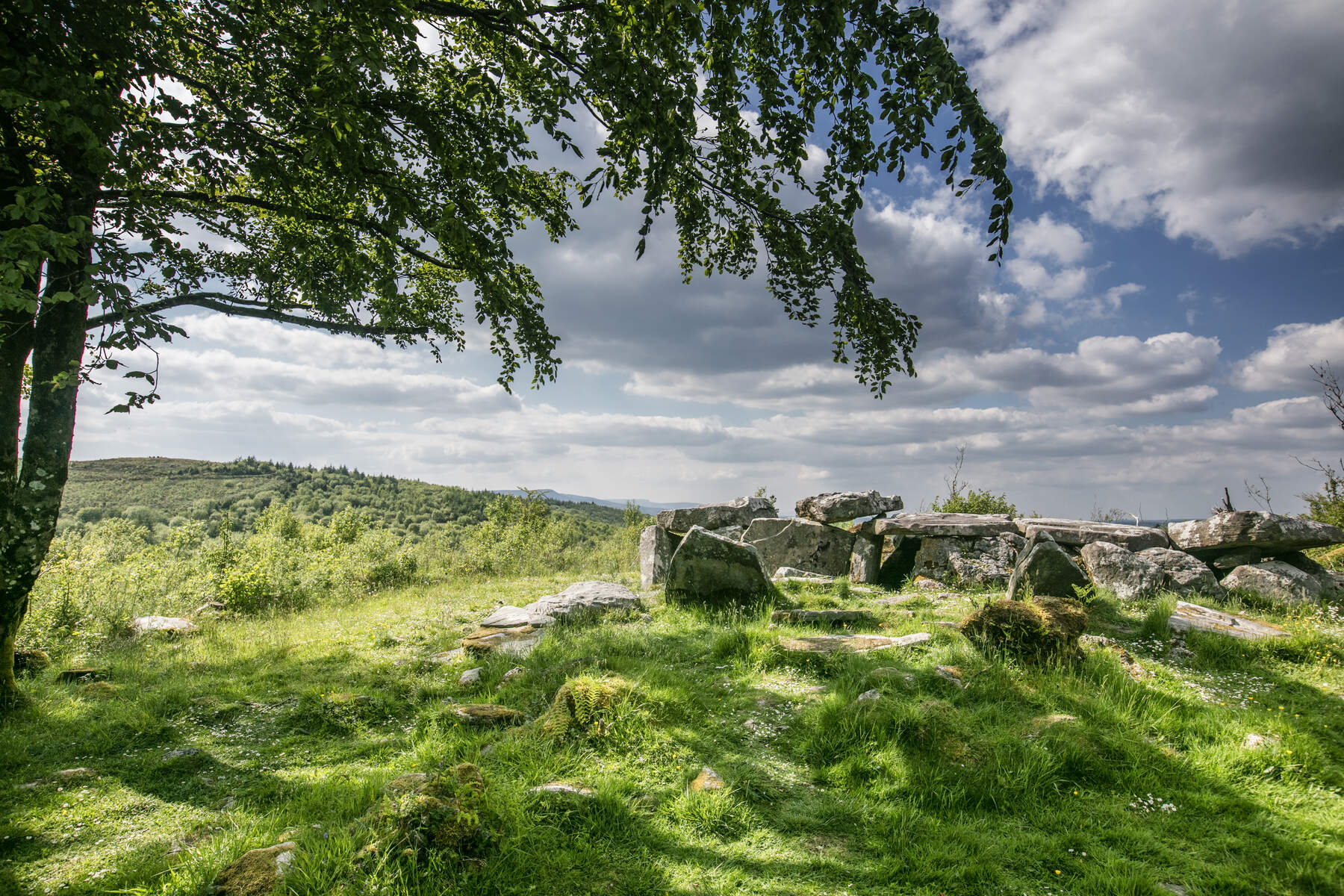
Cavan Burren Park sits on a limestone plateau in the heart of the Cuilcagh Lakelands Geopark, just off the N16 between Sligo and Enniskillen. The park’s tagline – “where stone‑aged kids played” – captures the sense of stepping into a landscape that has been shaped by sea, ice and human hands over hundreds of millions of years. Visitors start at a modest interpretative centre that explains the geology, archaeology and folklore of the area before heading out onto a network of marked trails that wind past wedge tombs, dolmens, sinkholes, glacial erratics and sweeping valley viewpoints. All of this is offered free of charge, making the park an accessible gateway to Ireland’s deep past.
History
The bedrock of Cavan Burren Park formed roughly 340 million years ago when a shallow tropical sea covered what is now north‑west Cavan. Over time the limestone was uplifted, then, during the last Ice Age about 13 000 years ago, glaciers scoured the landscape, leaving behind the massive boulders and deep dolines that dominate today’s scenery. When the ice retreated, Neolithic peoples arrived and began to carve their own monuments into the stone. The most visible of these are the wedge‑shaped tombs and portal dolmens that date to around 4 500 years ago, a period when early farmers marked the land with burial sites, stone circles and field walls. Folklore adds another layer: legends tell of two giants, Lugh and Lag, who leapt across a gorge – the story that gave the Giant’s Leap its name.
What to See & Do
Trails and Highlights
The park offers five marked routes, together covering more than 10 km. Each trail is themed and varies in length, terrain and difficulty. Below is a quick reference:
| Trail | Length | Approx. time | Wheelchair accessible |
|---|---|---|---|
| Calf House Dolmen | 1 km (0.5 mi) | 35 min | Yes |
| Giant’s Leap | 3 km (2 mi) | 50 min | No |
| Promontory Fort | 3 km (2 mi) | 1 h | No |
| Tullygobbin Lough | 1.5 km (1 mi) | 45 min | No |
| Cavan Way (section) | part of 26 km route | variable | – |
Calf House Dolmen Trail – an easy, circular walk that is fully accessible. It showcases the Tullygobbin Wedge Tomb, the Calf‑House Dolmen itself, a panoramic viewpoint over the Lost Valley and a series of glacial erratics. The trail’s gentle gradients make it ideal for families and visitors with limited mobility.
Giant’s Leap Trail – a slightly more rugged route that traverses bog‑bridge steps and gravel paths. Highlights include the Giant’s Leap wedge tomb, a dry valley that disappears into a sinkhole, and a rich mosaic of flora and fauna that thrives on the limestone soil.
Promontory Fort Trail – this loop leads through the tranquil Lost Valley, past a hill‑top promontory fort and past further sinkholes and relict farm walls. The views over Cuilcagh Mountain and Lough MacNean are especially striking on a clear day.
Tullygobbin Lough Trail – a short, lakeside walk that offers a different flavour of the park, with desiccated sandstone outcrops, abundant birdlife and a peaceful spot for a picnic beside the water.
Cavan Way – for the more ambitious, the Cavan Way marked route threads through the park, linking the Giant’s Leap dry valley to the wider 26 km Cavan Way that runs from Dowra to Blacklion. Hikers can join the route at any point and enjoy sweeping views of the infant Shannon River and the surrounding bogland.
Visitor Centre and Guided Experiences
The interpretative centre provides interactive displays on the park’s geological formation, Neolithic archaeology and the myths that have grown up around the landscape. Guided tours – available for individuals and groups – can be booked in advance via the park’s website and give deeper insight into the stories behind each monument.
Wildlife and Landscape
Beyond the stone monuments, the park is a haven for biodiversity. Limestone grasslands support rare orchids, while the varied micro‑habitats – from dry valleys to wet sinkholes – attract a range of birds, insects and small mammals. Spotting the occasional skylark or listening to the distant call of a curlew adds an auditory dimension to the visual feast.
Practical Information
Opening Hours
| Season | Opening | Closing |
|---|---|---|
| Oct – Mar | 8:00 am | 6:00 pm |
| Apr – Sep | 7:00 am | 10:00 pm |
| The gate is locked outside of these times. |
Admission
Entry to the park and all its trails is free year‑round.
Getting There
Cavan Burren Park lies about 4 km south of Blacklion on the N16 Sligo–Enniskillen route. From Blacklion, turn left onto the sign‑posted road to the park and follow the signs for roughly 4 km. The site is roughly 40 minutes from both Cavan town and Sligo, and about 20 minutes from Enniskillen.
Facilities
- Parking – ample car and coach parking available on‑site, free of charge during daylight hours.
- Toilets – located near the visitor centre.
- Picnic areas – scattered across the park, offering sheltered spots for a meal.
- Maps – printable trail maps can be downloaded from the park’s website here.
- Guided tours – can be pre‑booked online; they run from the visitor centre.
Accessibility
The Calf House Dolmen Trail is fully wheelchair‑accessible, featuring a smooth surface and gentle gradients. The remaining trails involve uneven ground, bog‑bridge steps or gravel and are best suited to able‑bodied walkers.
Contact
For the latest information or to arrange a guided group tour, call +353 71 985 3692 or visit the official website at https://www.cavanburrenpark.ie/.
Nearby Attractions
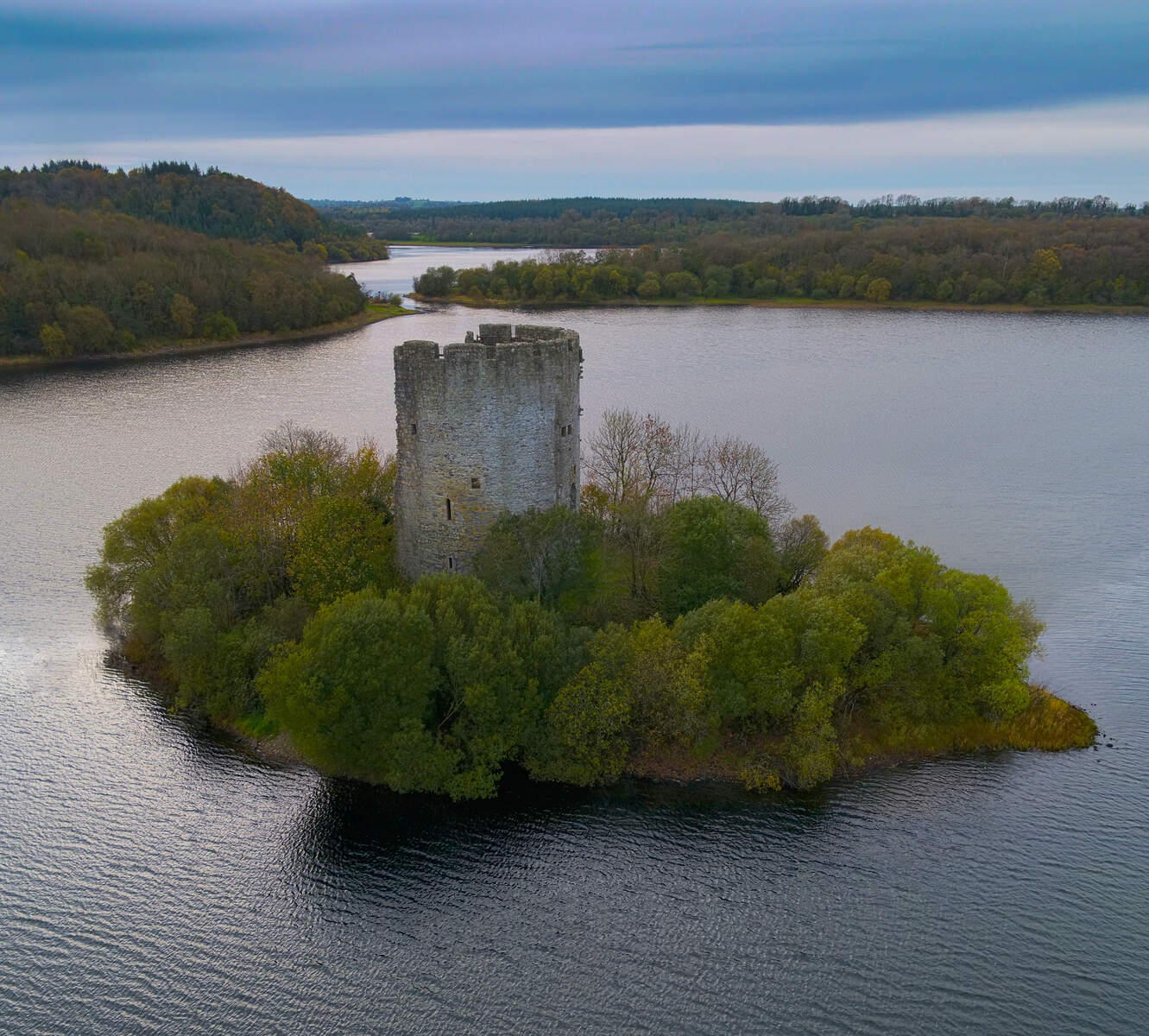
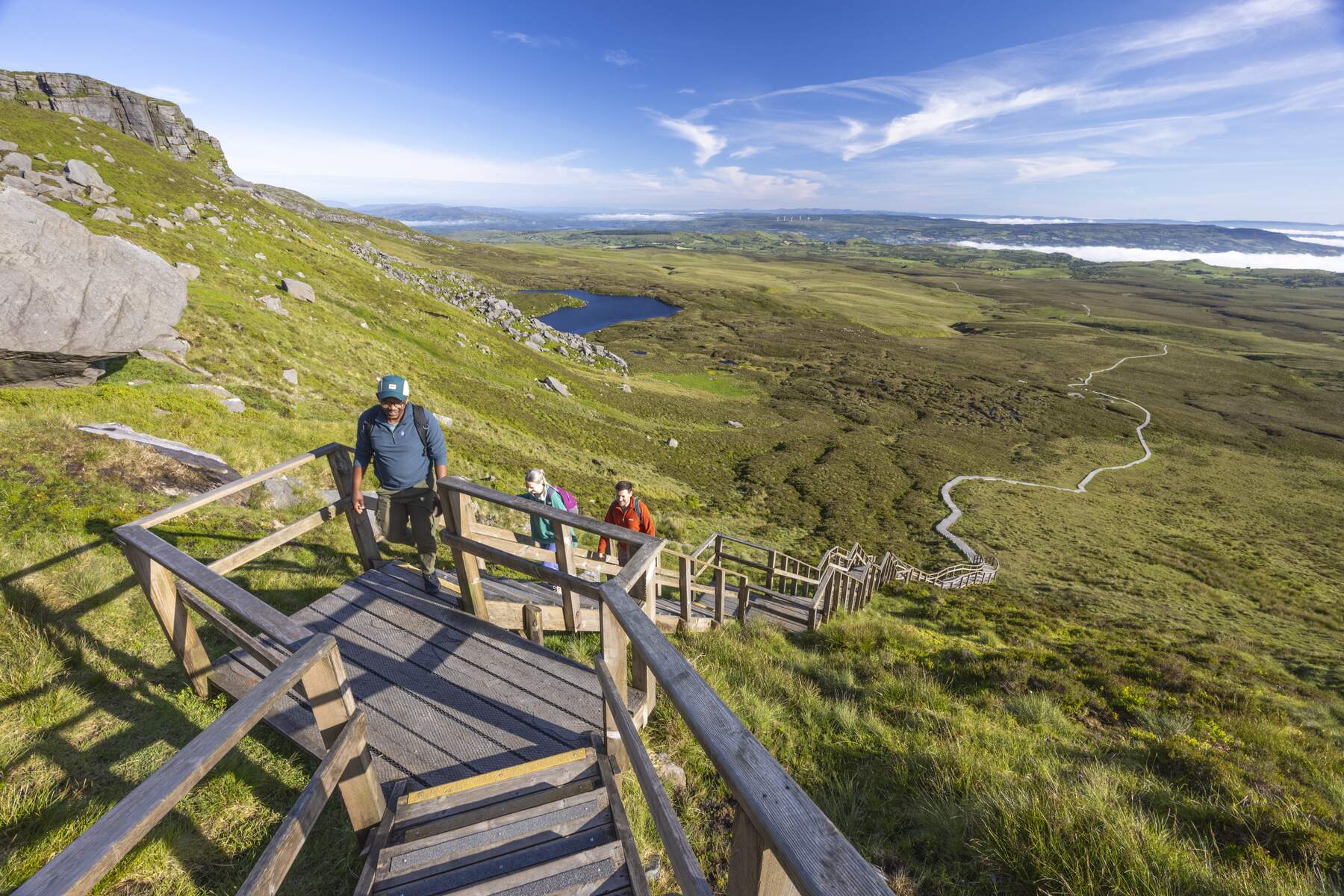
While you’re in the area, consider a short drive to Clough Oughter Castle, the Cuilcagh Boardwalk Trail for a steep but rewarding ascent, or the award‑winning MacNean House & Restaurant for a memorable meal.
Enjoy the blend of ancient stone, dramatic limestone scenery and vibrant wildlife that makes Cavan Burren Park one of Ireland’s most compelling outdoor museums.