
Overview
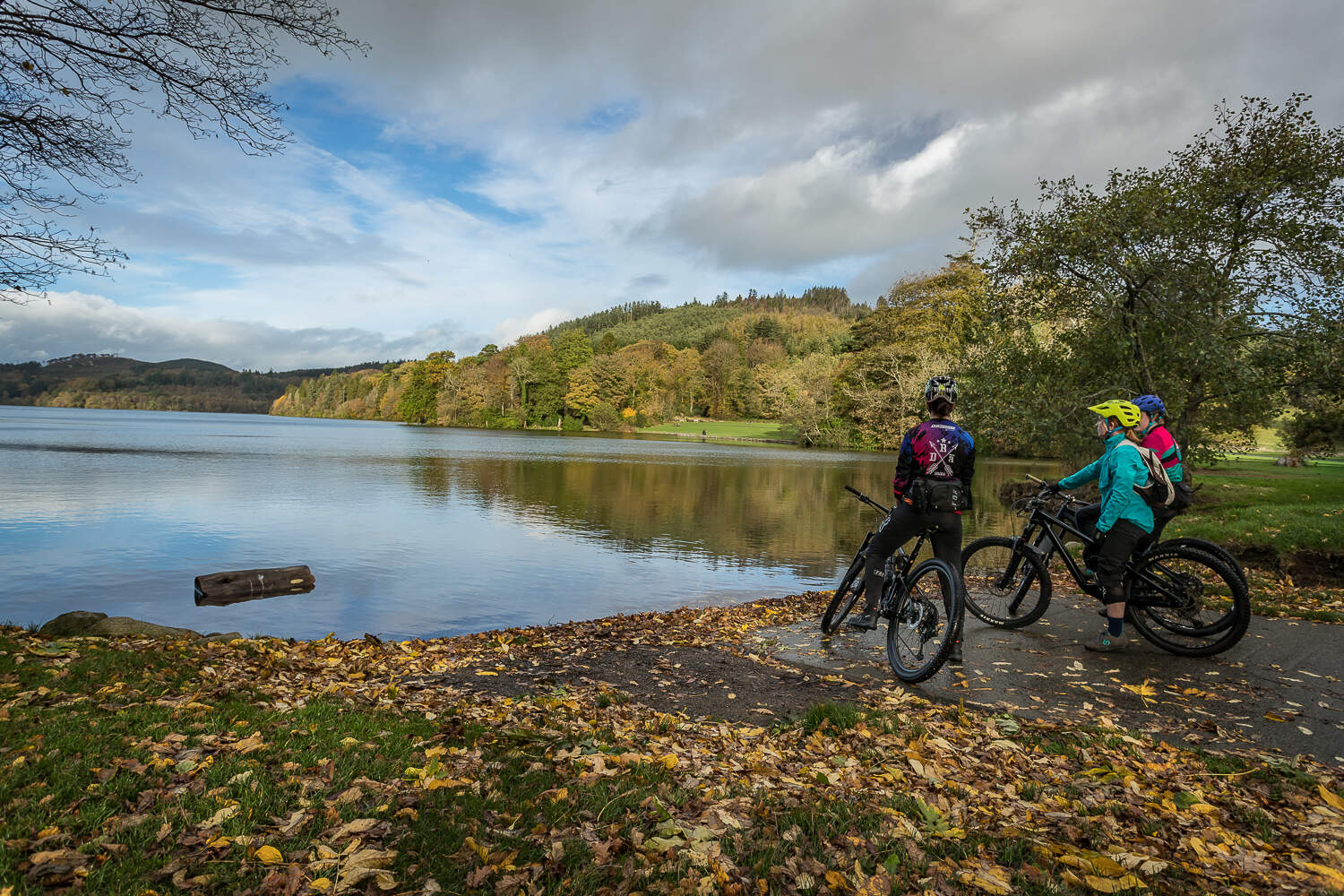
Clara Vale Nature Reserve – often called Clara Vale Forest – is a 220.57‑hectare fragment of native oak woodland in the heart of County Wicklow. Managed by the Irish National Parks & Wildlife Service, the reserve is one of the largest semi‑natural woodlands left in the county and may be the biggest stand of native hardwood in Ireland. The forest has been a living landscape since the last Ice Age, offering a rare glimpse of the country’s primordial woodlands.
History
The area received formal protection as a national nature reserve in 1983, ensuring that the ancient oak, hazel, willow, holly and birch trees would be safeguarded from commercial exploitation. The Special Area of Conservation known as Ballygannon Wood lies within its boundaries, highlighting the ecological importance of the site. Over millennia, the forest has developed a layered structure: towering oaks and Scots pines form the canopy, a middle tier of hazel, birch and willow provides shelter, and a rich understory of honeysuckle, bilberry, wood sorrel and bluebells adds colour and fragrance. This complex habitat supports a variety of birds – buzzards, woodcock, tree‑creepers and redstarts – as well as resident fallow deer.
Trails & Activities
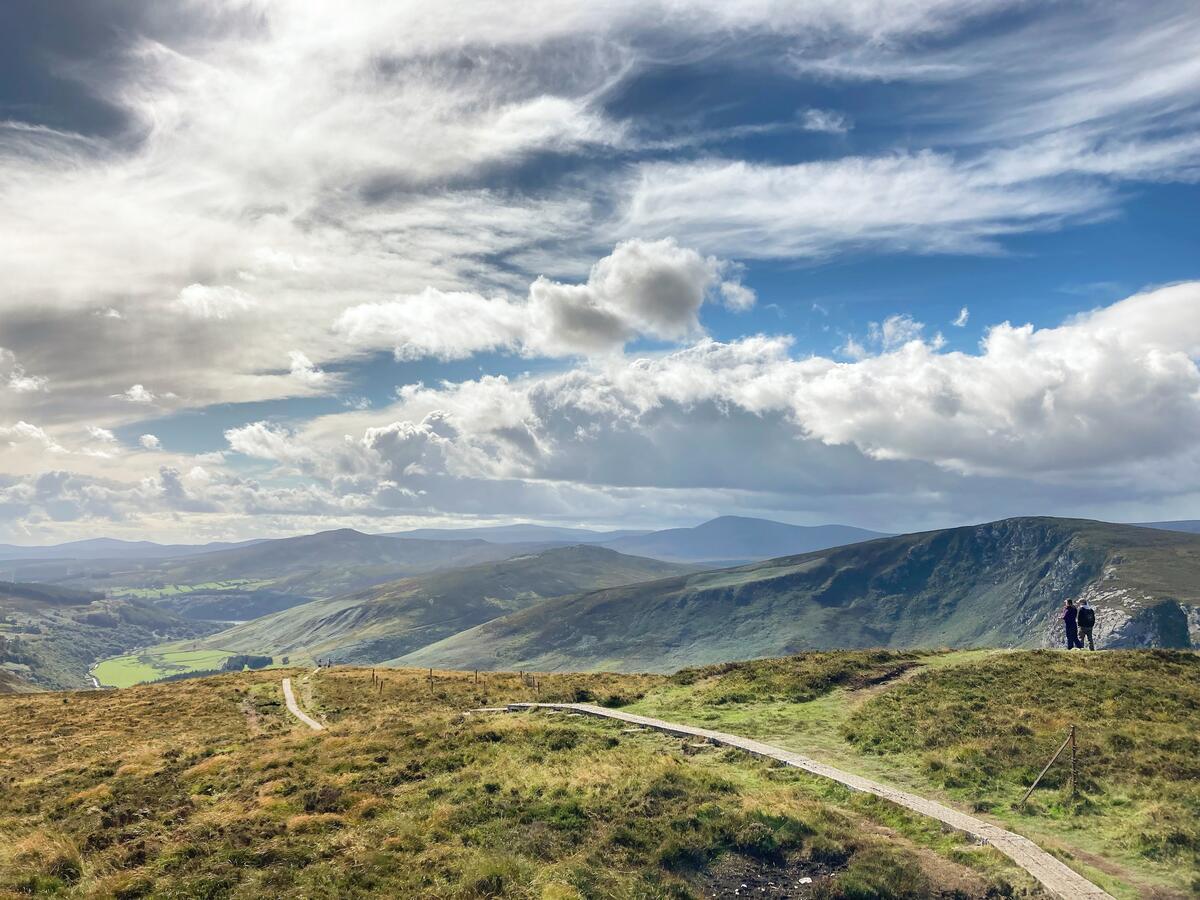
Blue Trail – 9.5 km
The most popular route is the blue‑coloured waymarked trail that loops for 9.5 km. It starts at the small church beside the stone bridge over the Avonmore River, climbs steeply, then descends gently before a second rise. Five entry points allow you to shorten or lengthen the walk as you wish. The trail is well‑signposted, takes about two and a half hours for the full loop and is suitable for walkers with a reasonable level of fitness.
Short Loops – Green (0.5 km) & Red (1.5 km)
Within Ballygannon Wood two shorter walks are marked: the 0.5 km Green Trail and the 1.5 km Red Trail. Both are flat, family‑friendly and showcase the spring carpet of bluebells, wildflowers and the diverse woodland fauna.
Avonmore Way – 12 km linear trail
The Avonmore Way, a newer addition to the Wicklow Trails Network, threads through Clara Vale linking Laragh and Rathdrum. Depending on the chosen start‑point you can walk 11–14 km (2–4 hours). The route is way‑marked with the national yellow walking‑man symbol and follows a mixture of quiet forest tracks, low‑traffic country lanes and a short stretch of road. Highlights include:
- The historic Samuel Hayes single‑span pedestrian bridge over the Avonmore River, built in the 18th century by the MP who wrote Ireland’s first book on trees.
- Views of the surrounding valleys from the bridge and from a few raised boardwalk sections.
- Opportunities to spot red squirrels, jays and a variety of woodland birds.
The trail is graded as easy; however, the short road section near Trooperstown can feel isolated, so walkers should carry a map or follow the way‑markers closely.
Other Activities
- Bird‑ and bat‑boxes installed by NPWS give a chance to see nocturnal wildlife.
- Kayaking on the Avonmore River is popular in summer when water levels are high.
- Picnicking: benches and small cleared areas are scattered along the trails, especially near the confluence of the two streams.
Practical Information
Access & Parking
- The reserve is accessed from the R755, about 8 km north of Laragh. The primary car‑park is beside Clara Vale church; it has a few spaces and fills quickly in summer.
- Larger free car‑parks are available at Laragh village, Trooperstown (near the northern Avonmore Way trailhead) and at Stump of the Castle (southern trailhead). These are a short walk from the reserve entrances.
- Dogs are permitted on a leash.
- The trails are not wheelchair‑friendly due to uneven ground and occasional steps.
Public Transport
- Bus: The Local Link service connects Laragh and Trooperstown with Rathdrum. A pre‑bookable shuttle is also run by WicklowWay.com during peak season.
- Train: Rathdrum railway station (Dublin‑Rosslare line) is a convenient drop‑off for the southern trailhead.
- Coach: The Glendalough/Avonmore Bus links Dublin city centre with Laragh.
Facilities
- Information boards and a modest wooden fence mark the official entrance.
- A printed trail map is available at the car‑park.
- Picnic benches are positioned near the river confluence and at the Samuel Hayes bridge.
- No toilet facilities are provided within the reserve; the nearest public toilets are in Laragh village.
Seasonal Highlights
- Spring: Bluebells carpet the floor, and the scent of honeysuckle fills the air.
- Summer: Longer daylight hours make the Avonmore Way ideal for a full‑day walk; the river is suitable for kayaking.
- Autumn: The oak canopy turns gold‑brown, and red squirrels are frequently seen gathering food.
- Winter: Snow‑covered trunks give the forest a stark beauty; walkers should wear sturdy boots and be prepared for shorter daylight.
For the most up‑to‑date information, visit the official NPWS page: Vale of Clara Nature Reserve.
Site Details
| Detail | Information |
|---|---|
| Area | 220.57 ha |
| Established | 1983 |
| Latitude | 52.942 |
| Longitude | -6.239 |
| Owner | State‑owned (NPWS) |