
Overview
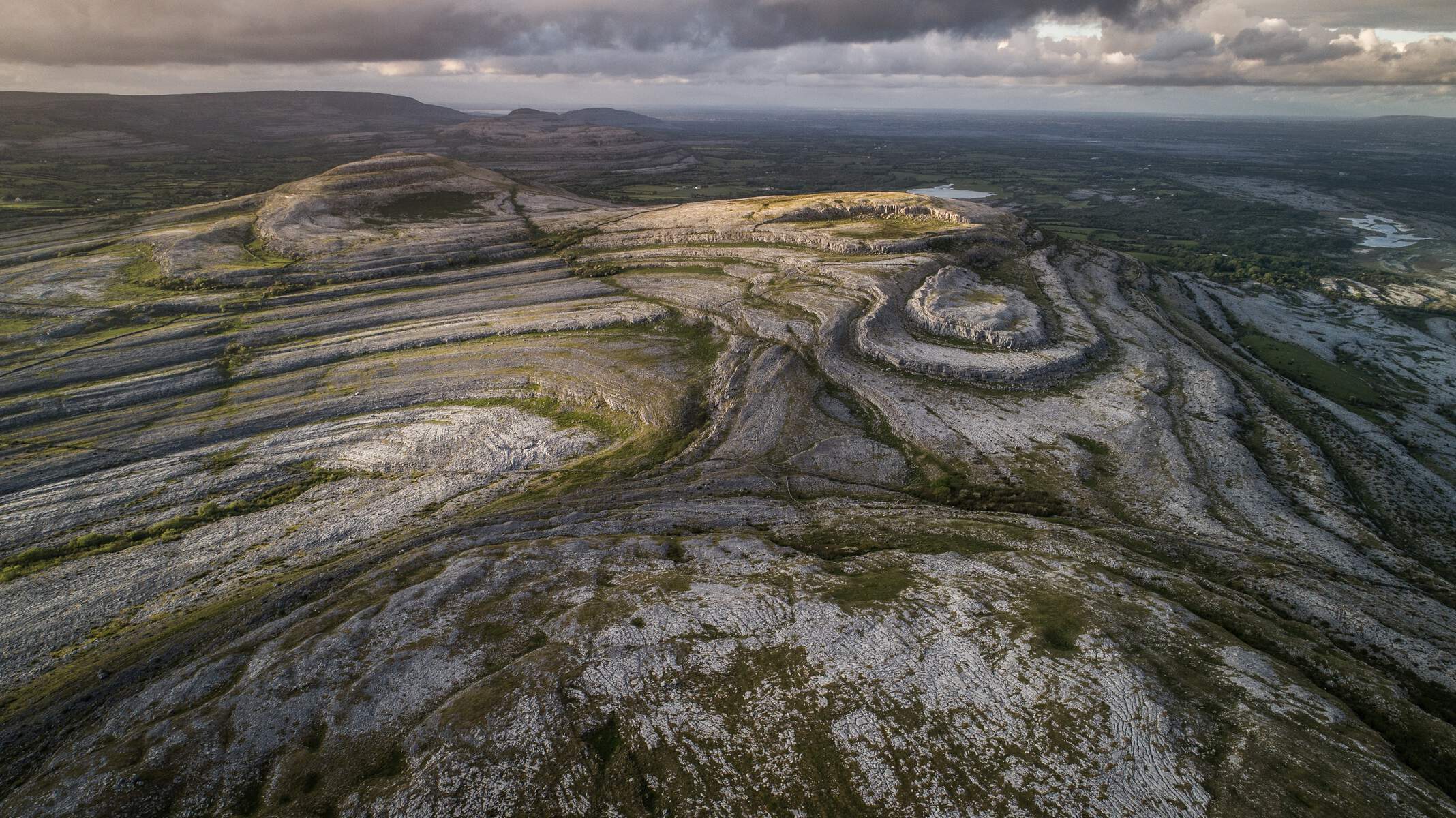
Clare Lake sits quietly amid the rolling countryside of County Clare, a county celebrated for its dramatic cliffs, limestone plains and vibrant cultural life. While the lake does not dominate the headlines like the Cliffs of Moher, it embodies the same sense of place that makes Clare a leading destination for nature lovers. The lake’s calm surface reflects the surrounding hills and sky, creating a picture‑perfect backdrop for a leisurely day out.
The lake benefits from County Clare’s broader commitment to sustainable tourism. As highlighted on the official tourism site, County Clare is EarthCheck Destination Certified, a mark of excellence that recognises the county’s efforts to protect its natural assets for both residents and visitors. Clare Lake, like many of the county’s quieter attractions, is part of this stewardship programme, encouraging low‑impact recreation and respect for the local environment.
Learn more about Clare’s sustainability journey
History & Background
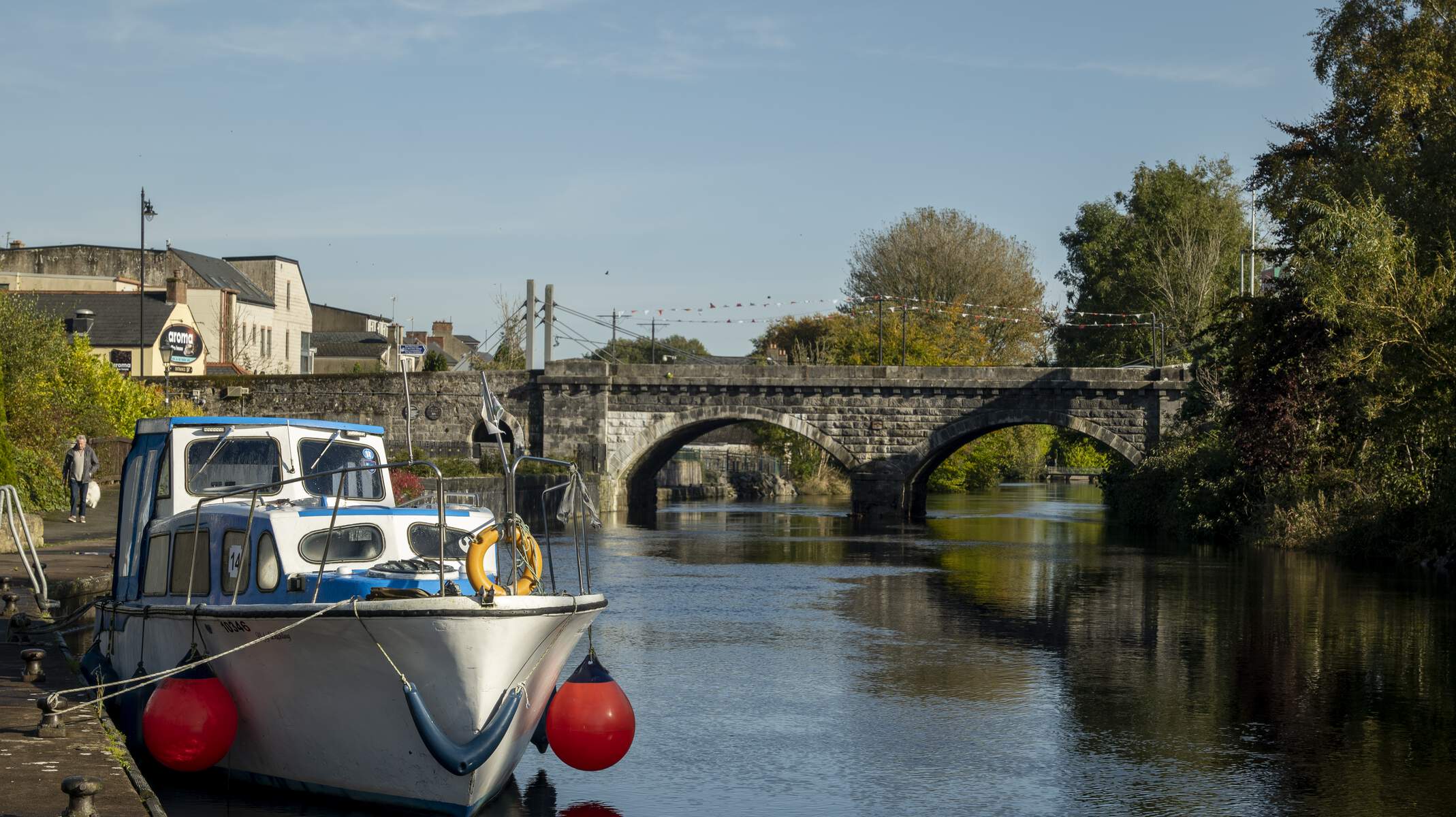
Although specific historical records for Clare Lake are scarce, the lake sits within a landscape that has been shaped by millennia of geological and human activity. The surrounding area forms part of the Shannon River’s largest lake system – Lough Derg – which has long served as a conduit for trade, travel and settlement. Over the centuries, the waterways of Clare have supported fishing communities, monastic sites such as Scattery Island, and a network of ancient routes that linked inland villages to the Atlantic coast.
The lake’s tranquil setting has made it a natural gathering point for locals, especially during the summer months when families and school groups venture out for picnics and nature studies. Its proximity to the Burren UNESCO Global Geopark means that the same limestone foundations that create the Burren’s iconic pavements also underlie the lake’s basin, giving the water a mineral‑rich clarity prized by anglers and birdwatchers alike.
What to See & Do
Clare Lake may not have a visitor centre, but its appeal lies in the simple pleasures that a natural lake offers:
- Gentle Lakeside Walks – A network of informal footpaths skirts the water, allowing visitors to wander at their own pace while spotting waterfowl, dragonflies and the occasional otter.
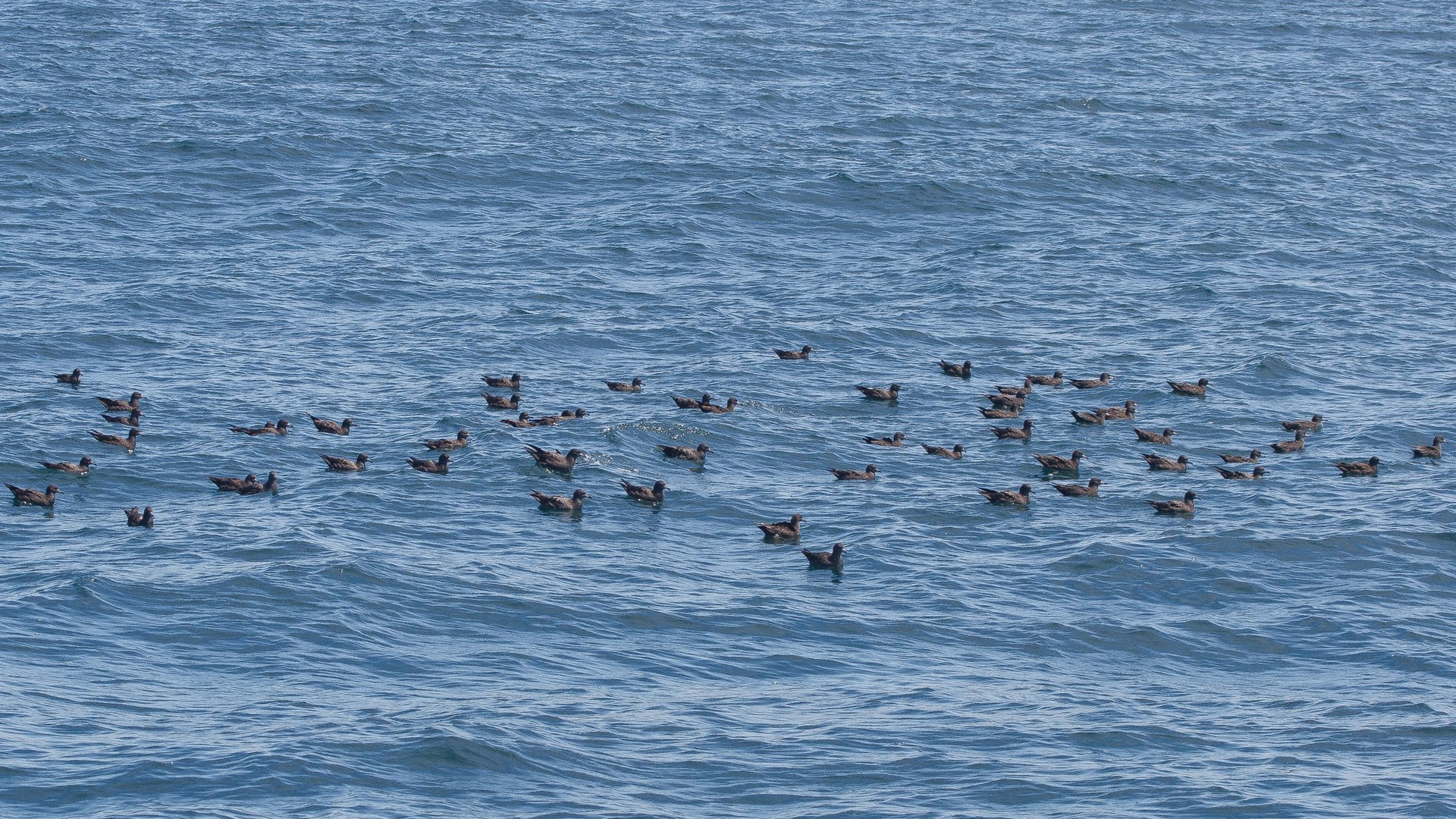
- Birdwatching – The lake forms part of an important migratory corridor for species such as the Little Auk, Storm Petrel and Manx Shearwater, which also frequent the nearby Bridges of Ross sea arch.
- Kayaking & Canoeing – While there are no commercial operators listed for Clare Lake, the calm waters are ideal for self‑guided paddling, a popular activity across County Clare’s many lakes and rivers.
- Picnicking – Designated grassy banks provide a scenic spot for a family lunch, with the lake’s reflective surface offering a tranquil backdrop.
- Photography – Sunrise over the lake creates a palette of pastel colours that photographers love, especially when the surrounding hills catch the early light.
Because the lake is part of a county that values sustainability, visitors are encouraged to follow the Leave No Trace principles: carry out all litter, stay on marked paths and avoid disturbing wildlife, especially during nesting season.
Location & Access
Clare Lake lies a short drive north‑east of Ennis, accessible via the N67 and the regional road R477. The nearest marked lay‑by is a small roadside pull‑out on the R477, offering convenient short‑term parking for cars and bicycles. There is no formal car park, so visitors should plan to arrive early in the busy summer months.
Public transport to the lake is limited; the most reliable option is a private hire or rental car. The lake is open year‑round and free to access – there is no admission fee and no set opening hours, although daylight is the safest time for walking the unpaved paths.
Wildlife & Birdwatching Highlights
The lake’s location at the edge of the Burren Geopark creates a rich mosaic of habitats:
- Waterfowl: Mallard, teal, and the occasional goldeneye.
- Waders: Curlew and lapwing use the shallow margins during migration.
- Seabirds: Little Auk, Storm Petrel and Manx Shearwater pass through in spring and autumn.
- Mammals: Otters have been spotted along the quieter banks; sightings are most common in early morning or dusk.
The best times for birdwatching are early morning in spring (April‑May) and late autumn (September‑October) when migratory traffic peaks.
Nearby Attractions & Day‑Trip Ideas
Clare Lake makes an ideal base for exploring the wider region. Consider adding one or more of the following to your itinerary:
- Burren Way – A long‑distance trail that threads through the limestone landscape; sections near Ballyvaughan are a short walk from the lake. (Burren Way)
- Ballyallia Lake – Another tranquil lake a 20‑minute drive north, perfect for a second paddle or a family picnic. (Ballyallia Lake)
- Scattery Island – Take a short ferry from Kilrush to explore the monastic ruins and lighthouse. (Scattery Island)
- Aillwee Cave & Birds of Prey Centre – A short drive south‑west, offering guided cave tours and bird‑of‑prey displays. (Aillwee Cave)
- Cliffs of Moher – The iconic cliffs are about a two‑hour drive, making a classic day‑trip from the lake.
Seasonal Tips
- Spring (March‑May) – Wildflowers begin to carpet the surrounding fields; ideal for gentle walks and photography.
- Summer (June‑August) – Peak visitor numbers; arrive early to secure parking and enjoy longer daylight for kayaking.
- Autumn (September‑October) – Migratory birds arrive; excellent for birdwatching and quieter lakeside picnics.
- Winter (November‑February) – The lake can be misty and the paths slippery; sturdy footwear and a waterproof jacket are essential.
Practical Information
Clare Lake is easily reached by road from the main towns of Ennis and Kilrush. The nearest major road is the N67, which runs along the western edge of the county and provides access to several scenic pull‑outs and lay‑bys.
| Facility | Details |
|---|---|
| Parking | Small roadside lay‑bys on the R477; no formal car park. |
| Admission | Free entry. |
| Opening hours | Open year‑round; daylight recommended. |
| Accessibility | Unpaved footpaths; gentle gradients but uneven in places – suitable for most walkers with reasonable mobility. |
| Facilities | No visitor centre; bring water, snacks and a blanket for picnics. |
If you plan to combine a visit to Clare Lake with other attractions, consider a day‑trip itinerary that includes the Burren Geopark, Lough Derg boat cruises, and the Cliffs of Moher – all within a two‑hour drive. Public transport options are limited in rural Clare, so hiring a car remains the most flexible way to explore the lake and its surrounding countryside.
Clare Lake may not have the fame of Ireland’s iconic cliffs, but its quiet charm offers a genuine taste of County Clare’s natural beauty and its commitment to protecting that beauty for future generations. Whether you’re a local family looking for a low‑key outing or a visitor seeking a peaceful spot to unwind after a day of coastal hikes, the lake provides a welcoming, free‑entry haven that reflects the best of Clare’s sustainable tourism ethos.