
Overview
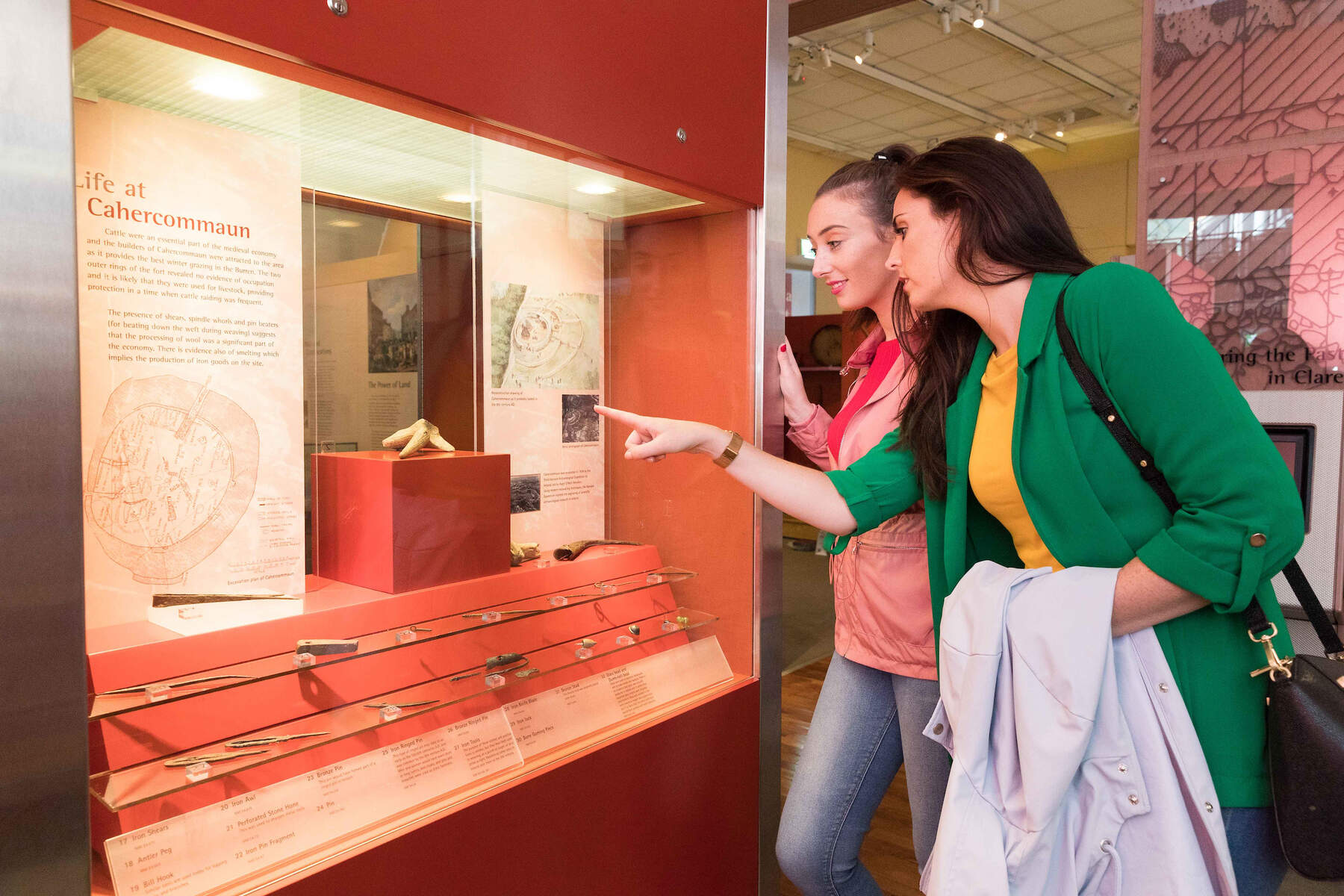
Clare Museum tells the story of County Clare from the earliest human footprints to modern political milestones. The museum’s slogan – 6,000 years of people, places and treasures – is more than a tagline; it reflects a carefully curated collection of over a thousand objects that illustrate the county’s archaeological, social and cultural evolution. The venue is free to enter, fully accessible, and situated in the heart of Ennis, making it an ideal first stop for anyone exploring the west of Ireland.
The two‑gallery exhibition, titled The Riches of Clare, uses colour‑rich panels, audio‑visual installations and a handful of replica objects to bring history to life. Visitors can wander through thematic zones – Earth, Power, Faith, Water and Energy – each revealing how the landscape and its people have interacted over millennia. Whether you are a history buff, a family with curious children, or a traveller seeking a concise overview before heading out to the Burren or the Cliffs of Moher, the museum offers a compact yet comprehensive experience that can be comfortably enjoyed in about 35 minutes.
History
The building that now houses Clare Museum began its life as part of the Sisters of Mercy school complex in 1854. A primary school wing was added in 1865, followed by a chapel and additional classrooms in 1869. After decades of educational use, the local authority – a partnership of Ennis Urban District Council, Clare County Council and the Department of Arts, Heritage, Gaeltacht and the Islands – refurbished the historic structures under the Cultural Development Incentive Scheme. The museum opened its doors to the public in October 2000, coinciding with a broader push to promote heritage tourism in the region.
Since its inauguration, the museum has participated in the Heritage Council’s Museum Standards Programme for Ireland and has been designated by the National Museum of Ireland to collect archaeological finds. This partnership has enabled a substantial loan of objects from the National Museum, enriching the local narrative with artefacts that would otherwise be housed in Dublin.
What to See & Do
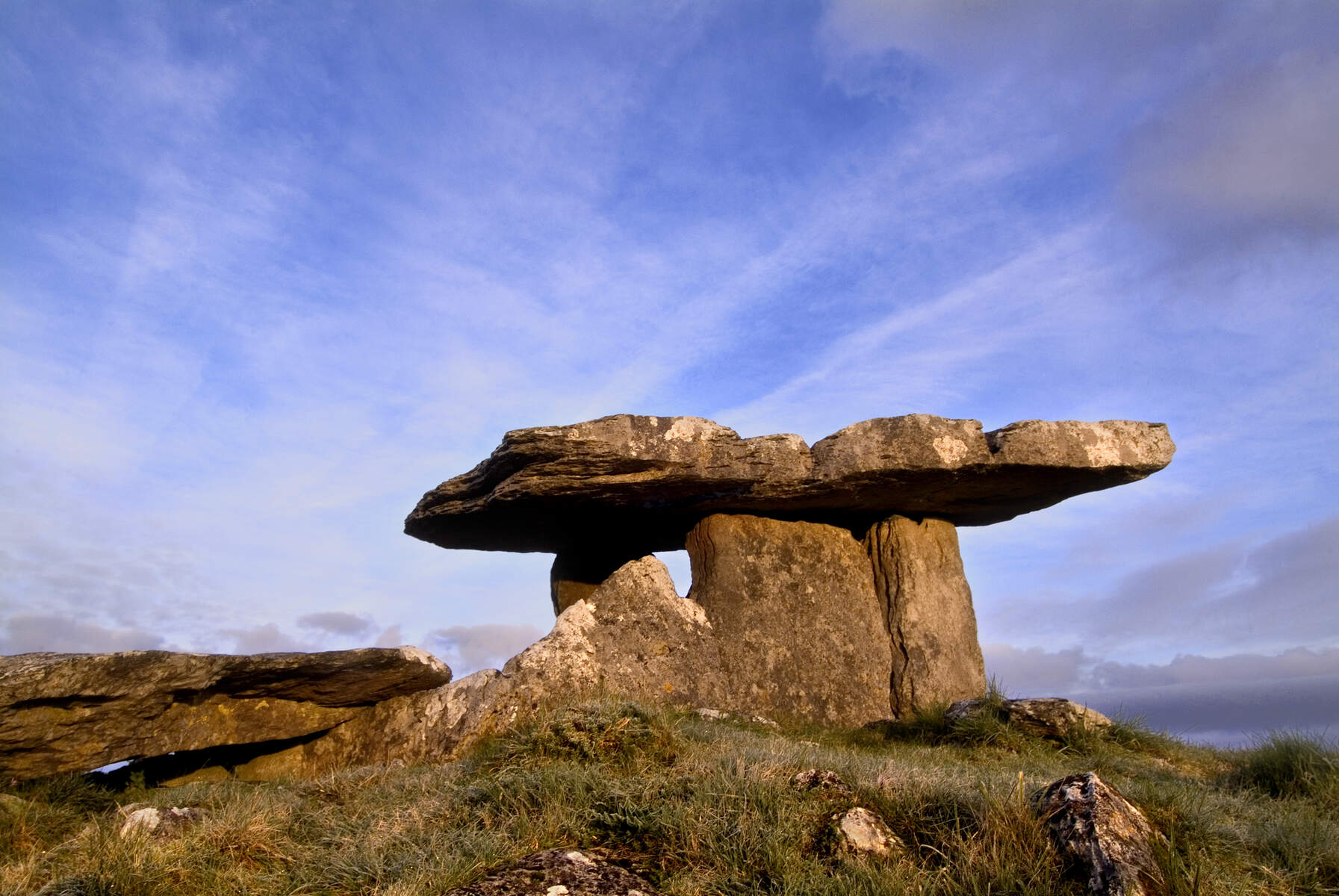
- Poulnabrone Portal Tomb artefacts – Stone tools and human remains recovered from the iconic Burren tomb (c. 3800‑3200 BC) are displayed alongside contextual information that highlights the tomb’s significance, predating even the Egyptian pyramids.
- Letters of Daniel O’Connell – Original correspondence from the “Liberator” during his 1828 Clare election campaign offers a rare glimpse into early 19th‑century Irish politics.
- Sheela‑na‑gig from Ballyportry Castle – This enigmatic medieval stone carving, famed for its symbolic fertility motifs, is presented with interpretive panels that discuss its cultural context.
- Artwork by Sir Frederick William Burton – The museum holds a selection of the 19th‑century painter’s works, linking Clare’s artistic heritage to the broader Irish art movement.
- Pen of Neville Chamberlain – The writing instrument used to sign the 1938 Anglo‑Irish Agreement is displayed, underscoring Clare’s role in modern diplomatic history.
- Parnell’s barrow and spade – The tools used by Charles Stewart Parnell to turn the first sod of the West Clare Railway illustrate the county’s industrial development.
- Éamon de Valera memorabilia – Personal items and documents trace the early political career of one of Ireland’s most influential statesmen, who began his journey in Clare.
- 1914 All‑Ireland Hurling Championship teams – Photographs, jerseys and trophies celebrate the county’s sporting legacy.
The exhibition also features an autograph book of former IRA volunteer and TD Patrick Brennan, providing a personal perspective on the turbulent early 20th century. Interactive stations allow visitors to listen to oral histories, view digitised maps, and even try their hand at a virtual archaeological dig.
Practical Information
Clare Museum is open year‑round; exact opening times vary seasonally, so it is advisable to check the official website before you travel. Admission is free, making it an accessible cultural experience for all budgets. The museum is fully wheelchair‑accessible, with accessible toilets on‑site and permission for guide dogs.
The venue is adjacent to a pay‑car‑park and offers free coach parking, which is convenient for larger groups or those arriving by bus. Cafés, restaurants and additional amenities are located within a short walking distance in the centre of Ennis, allowing visitors to combine a museum visit with a leisurely lunch or coffee break.
During the summer months (June‑September) the museum building also houses the Ennis Tourist Office, providing up‑to‑date information on local attractions, events and sustainable tourism initiatives. For those interested in deeper research, the museum participates in the National Museum of Ireland’s loan programme, meaning many objects are on temporary display and may rotate periodically.
Contact & Online Resources
- Website: claremuseum.ie
- Explore the collection: Explore over 1,000 objects →
- Latest news and exhibitions are listed on the museum’s news page, with recent highlights including a Vintage Christmas Cards exhibition (2025) and seasonal craft workshops.
Coordinates: 52.844098, -8.981468
Visitor statistics
| Item | Details |
|---|---|
| Admission | Free |
| Typical visit length | ~35 minutes |
| Accessibility | Fully accessible, accessible toilets, guide dogs welcome |
| Parking | Pay car‑park nearby; free coach parking |
Whether you are tracing the footsteps of ancient settlers, admiring 19th‑century political correspondence, or simply enjoying a well‑presented snapshot of County Clare’s heritage, Clare Museum offers a concise, engaging, and completely free cultural experience in the heart of Ennis.