
Overview
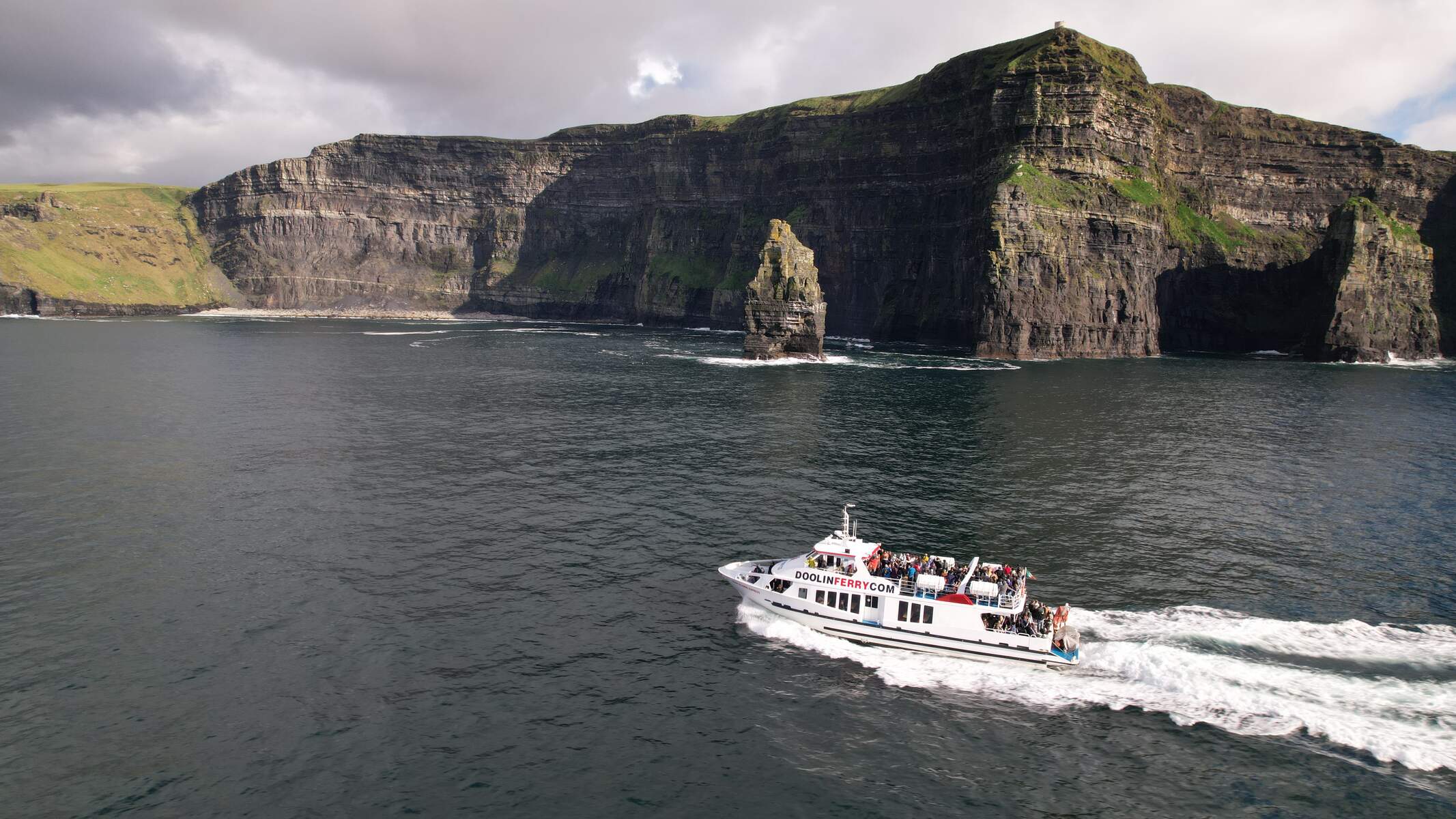
Perched on the western edge of the Burren, the Cliffs of Moher stretch for about 13 km along County Clare’s Atlantic coastline. At their highest point – just north of O’Brien’s Tower – the limestone face rises 214 m (702 ft) above the sea, creating a sheer wall of rock that drops dramatically to the surf below. The cliffs dominate the landscape of the Wild Atlantic Way, offering panoramic views of the Aran Islands, Galway Bay, the Maumturks and Twelve Pins mountain ranges, and the distant Loop Head peninsula.
History & Background
The name Moher derives from an old promontory fort – Mothar – that once stood on Hag’s Head, the southernmost point of the cliffed coast.
In the 1990s, Clare County Council commissioned a purpose‑built Cliffs of Moher Visitor Experience. After 17 years of planning and a €32 million investment, the eco‑friendly centre opened in February 2007. Its design incorporates geothermal heating, solar panels and grey‑water recycling, and it houses interactive exhibits on geology, flora, fauna and human history. The centre’s multimedia screen projects aerial footage of the cliffs, while a separate IMAX‑style show takes visitors beneath the sea caves that line the base of the cliffs.
What to See & Do
| Feature | Highlights |
|---|---|
| O’Brien’s Tower | Built 1835; climb for 360° views of the Aran Islands, Galway Bay and five Irish counties on a clear day. |
| Visitor Centre Exhibits | Interactive displays on 300‑million‑year‑old sedimentary rocks, river‑channel fossils, and the modern wildlife that inhabits the cliffs. |
| Wildlife Watching | Home to an Important Bird Area with ~30,000 birds of 20+ species – puffins, razorbills, kittiwakes, guillemots and occasional peregrine falcons. Marine life includes grey seals, dolphins, minke whales and basking sharks. |
| Coastal Walks | Doolin Cliff Walk (6.6 km, strenuous) – linear trail from Fisher Street in Doolin to O’Brien’s Tower. Hag’s Head to Cliffs (5.3 km, moderate) – quieter route with early cliff views. The full Cliffs of Moher Coastal Walk (19.5 km) is currently closed for safety upgrades (August 2024). |
| Ferry & Boat Tours | Seasonal boat trips from Doolin or Galway sail beneath the cliffs, offering a sea‑level perspective of the sheer rock face. |
| Film & Culture | Featured in The Princess Bride, Harry Potter and the Half‑Blood Prince, Leap Year and numerous music videos. |
Geology
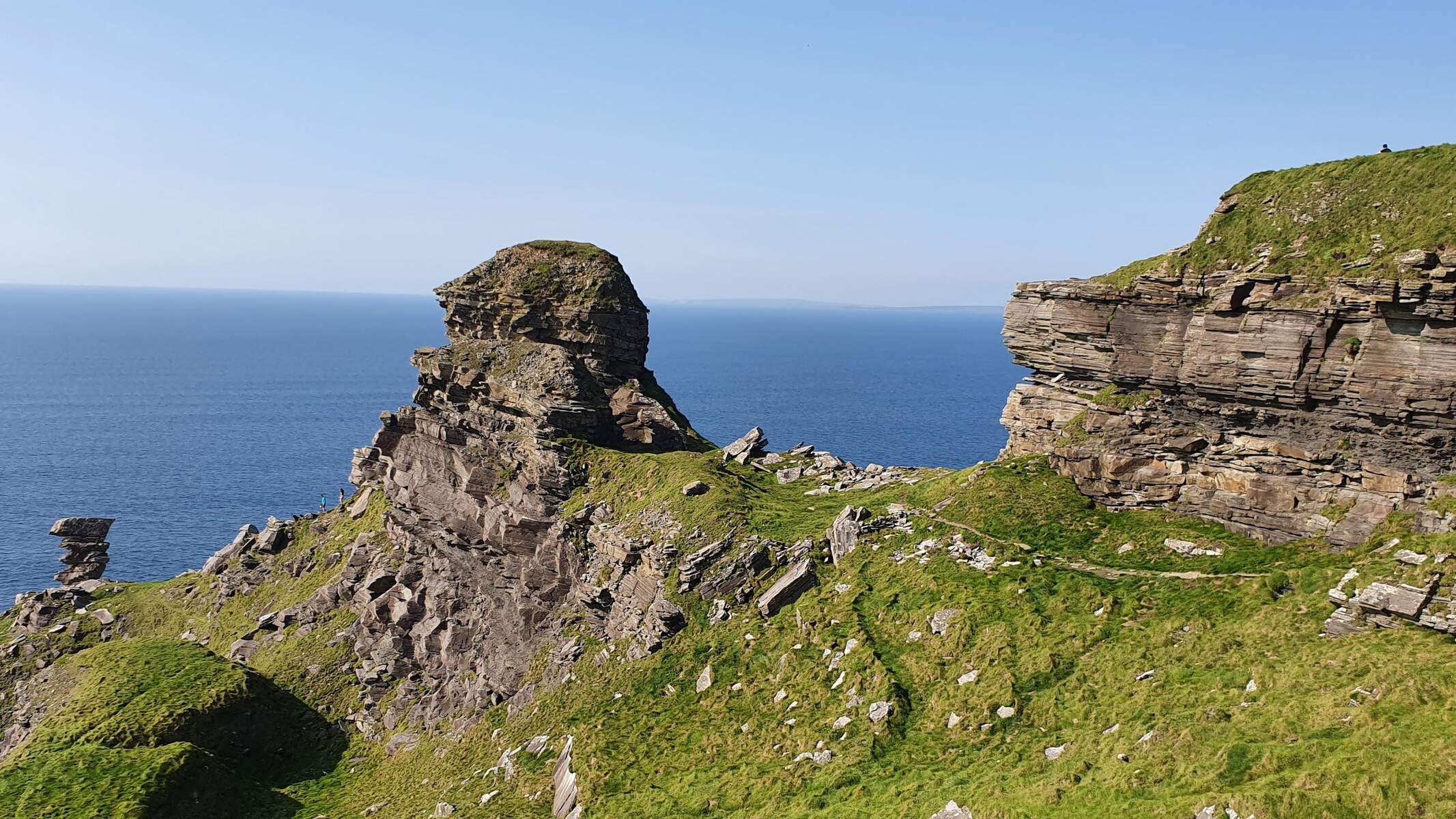
The cliffs consist mainly of Namurian shale and sandstone laid down between 313 and 326 million years ago when a river emptied into an ancient marine basin. Over millennia, the sediments compacted into the strata now exposed, preserving ripple marks, worm trails (scolicia) and burrow casts. Ongoing wave erosion creates sea caves, stacks (e.g., Branaunmore, a 67‑m sea stack) and sea arches, constantly reshaping the coastline.
Wildlife
During peak season the cliffs support 30,000+ breeding pairs of seabirds. Puffins nest on isolated ledges and on Goat Island; razorbills and kittiwakes dominate the cliff faces. Marine mammals such as grey seals, porpoises, dolphins, minke whales and basking sharks are frequently sighted from the viewing platforms.
Practical Information
Opening Hours (Seasonal)
| Season | Opening Times |
|---|---|
| Winter (Jan‑Feb) | 09:00 – 17:00 |
| Spring (Mar‑Apr) | 08:00 – 19:00 |
| Summer (May‑Aug) | 08:00 – 21:00 |
| Late Autumn (Sep‑Oct) | 08:00 – 19:00 |
| Early Winter (Nov‑Dec) | 09:00 – 17:00 |
The site remains open after the centre closes for self‑guided viewing, but ticket sales cease at the last entry time listed above.
Admission Fees
| Ticket Type | Price (online) | Price (on‑site) |
|---|---|---|
| Adult (standard) | €12 (no discount) | €12 |
| Online pre‑book – Morning | €7 | – |
| Online pre‑book – Afternoon | €10 | – |
| Online pre‑book – Evening | €8 | – |
| Child (under 12) | Free (accompanied) | Free |
Pre‑booking is strongly recommended during the summer months; the visitor centre can reach capacity quickly.
Getting There
- By Car: The R478 links the cliffs to the N67; ample parking is available at the Moher Sports Field (pay‑and‑display) and at the Visitor Centre (included with ticket).
- By Bus: Bus Éireann route 350 runs from Ennis, Galway, Doolin and Liscannor to the cliffs, with several daily services. An express bus from Galway (≈ 1 h 30 min) includes entry to the visitor centre for €45.
- From Dublin: A 3‑hour drive via the M6/M7, or a day‑tour that combines the cliffs with the Burren, Galway and the Aran Islands.
- From Doolin: The local 350 bus or a short taxi ride (065 707 5000) brings you to the centre. The historic Doolin‑to‑Moher shuttle is no longer in service.
Visitor Centre Facilities
The centre houses two cafés, a gift shop, clean restroom facilities and free Wi‑Fi. Audio‑guide apps are available for download at the entrance, providing narrated tours in multiple languages. The site is wheelchair‑accessible to the main viewing platforms, though the coastal trails themselves are unsuitable for mobility‑impaired visitors.
Safety & Seasonal Notes
- The official paths are set back from the cliff edge and are clearly marked. Unofficial routes have been closed after rock‑fall incidents (most recently in February 2025).
- Dogs, bicycles and children under 12 are not permitted on the official coastal walk sections for safety reasons.
- Weather on the Atlantic coast can change rapidly; the visitor centre’s indoor exhibits offer a dry alternative on windy days.
Nearby Attractions
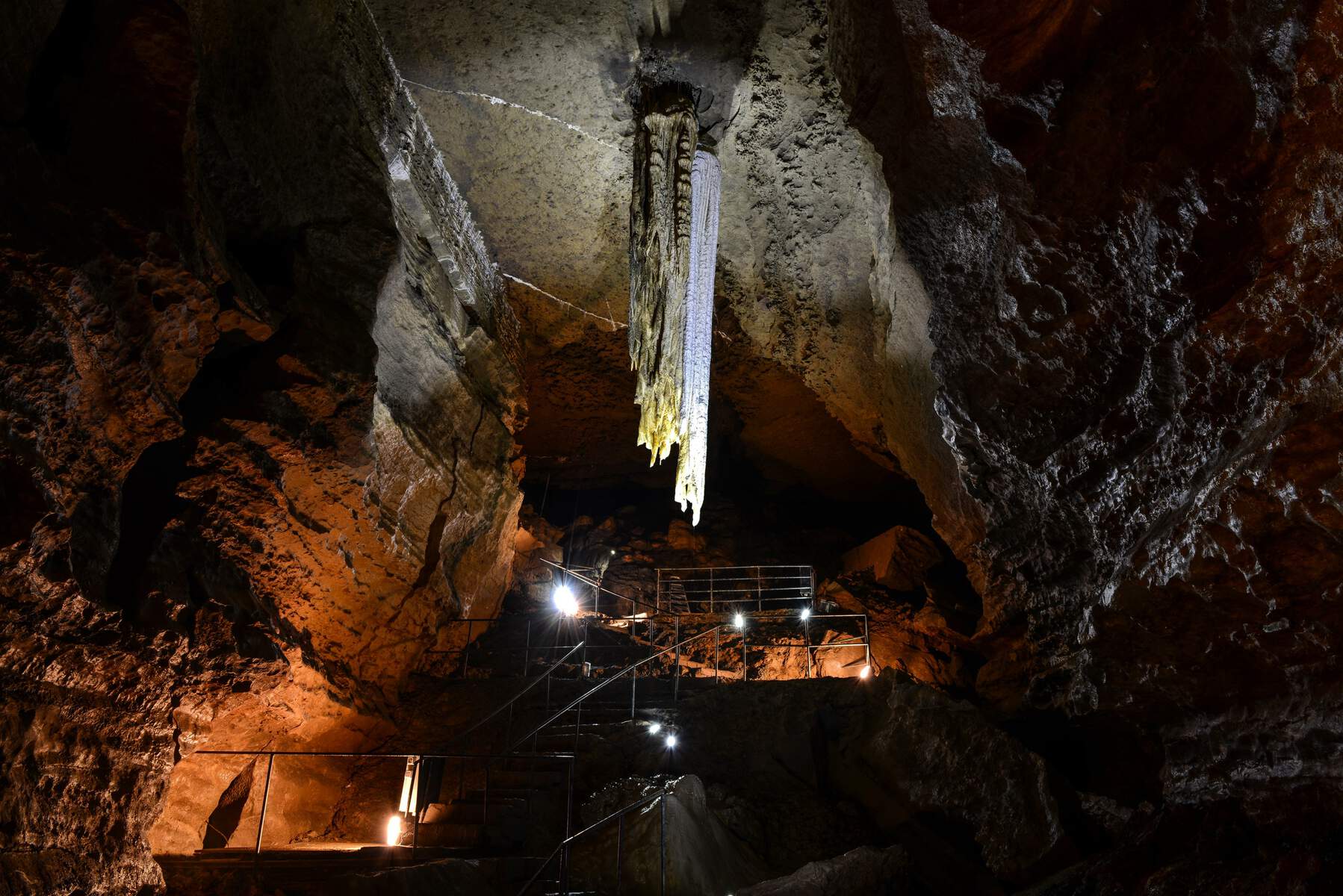
- Doolin (10 min drive) – traditional pubs, live music and the Doolin Cave.
- The Burren (20 min) – limestone karst landscape, Poulnabrone Dolmen and Aillwee Cave.
- Aran Islands – reachable by ferry from Doolin; the islands provide additional cliff‑side scenery and cultural heritage.
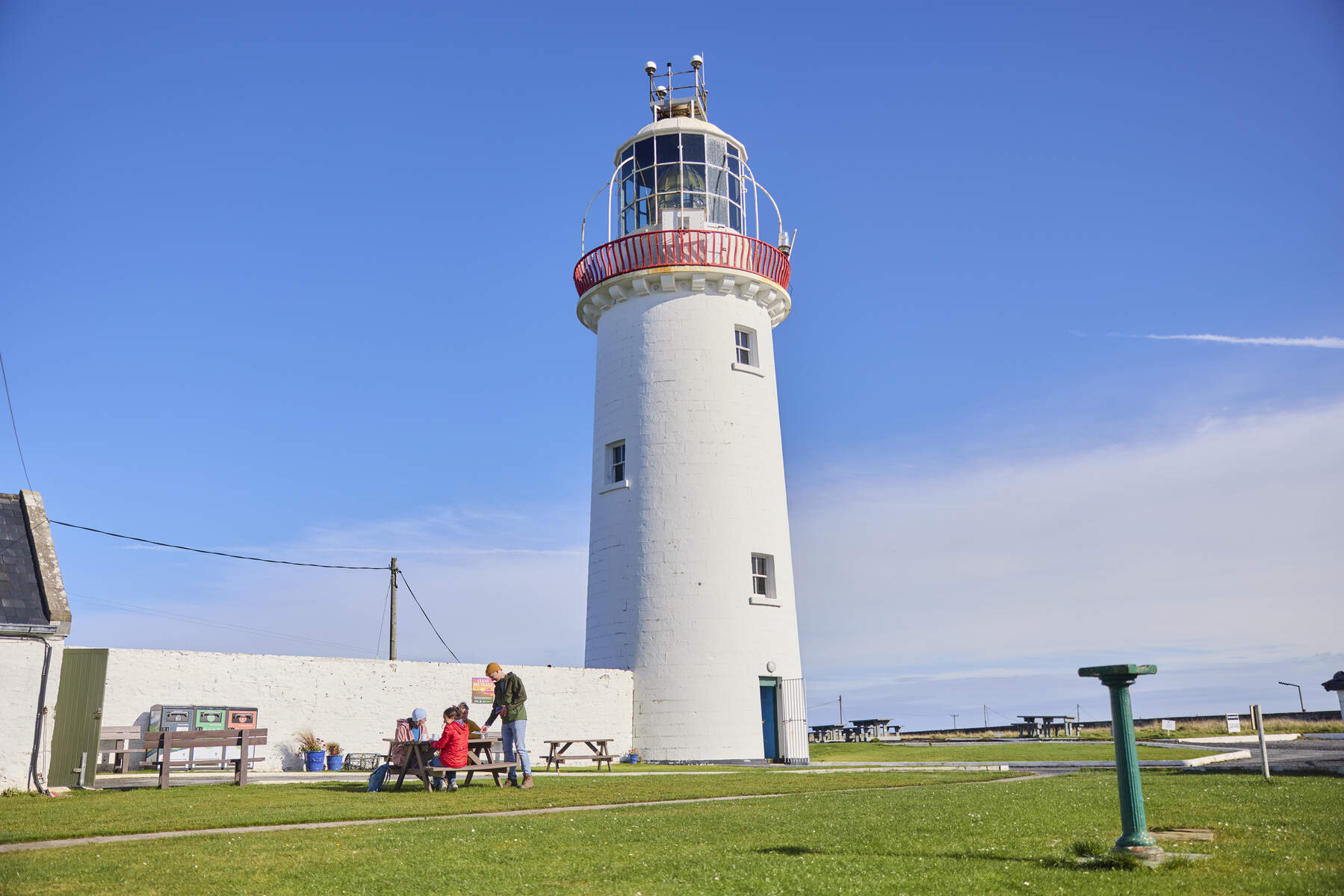
- Loop Head – a scenic lighthouse peninsula south of the cliffs.
Planning Tips
- Book online to secure the best price and guarantee entry during peak season.
- Visit early (morning) or late (evening) for quieter platforms and dramatic lighting for photography.
- Check the trail status before setting out; as of August 2024, large sections of the coastal walk remain closed for safety work.
The Cliffs of Moher combine raw natural power with carefully managed visitor facilities, making them a must‑see destination for anyone travelling the west of Ireland. Whether you’re watching puffins from the safety of the visitor centre, climbing O’Brien’s Tower for a sweeping Atlantic panorama, or sailing beneath the cliffs on a summer boat tour, the experience is unforgettable.