
Overview
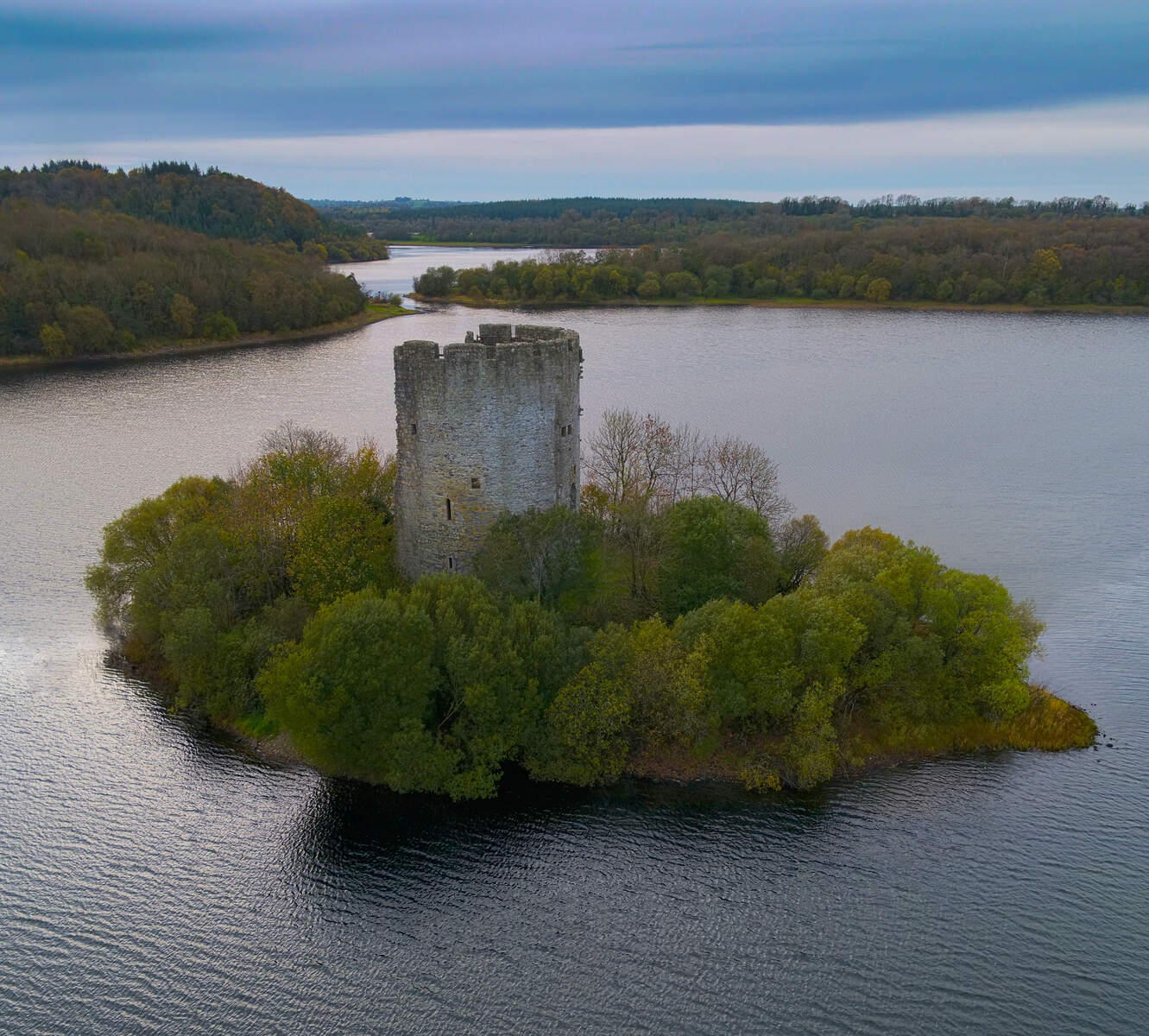
Clough Oughter Castle rises from a small, man‑made island in the middle of Lough Oughter, a maze of lakes, inlets and wetlands that form part of the River Erne system. The ruin is instantly recognisable – a solitary circular tower reflected in calm water, framed by swans, kingfishers and the occasional otter. Visitors arrive by boat or kayak, often after a short drive from the towns of Cavan or Killeshandra, and are rewarded with a blend of medieval atmosphere and pristine natural beauty.
History
The castle’s origins lie in the early 13th century, when the Anglo‑Norman de Lacy family erected a stone stronghold to assert control over the kingdom of Breifne. By the mid‑120s the O’Reilly clan, the Gaelic rulers of East Breifne, had seized the island and transformed it into a symbol of Irish resistance. For three centuries the O’Reillys used the fortress as both a defensive bastion and a prison for captured rivals.
During the Irish Rebellion of 1641 the castle again became a prison, this time holding the Anglican Bishop William Bedell and his family. The most famous inmate, however, was the Gaelic commander Owen Roe O’Neill, who died on the island in November 1649 under mysterious circumstances.
The final chapter came in 1653 when Cromwellian forces bombarded the keep from the shoreline. After a sustained cannonade the south‑facing wall was breached and the garrison surrendered. The castle was never rebuilt, leaving the striking ruin that visitors see today.
Architecture & Defensive Features
Unlike the square keeps that dominate many Irish castles, Clough Oughter’s tower is perfectly circular – a design choice that offered several tactical advantages. Rounded walls deflected projectiles, eliminated blind corners and distributed structural weight evenly, making the tower more resistant to collapse.
The stone walls, built from locally quarried limestone, are up to 2.13 m (7 ft) thick, providing formidable protection against arrows, battering rams and later cannon fire. Access was deliberately limited to a single entrance, likely reached via a removable wooden staircase that could be withdrawn during an attack.
The island location itself acted as a natural moat. Attackers had to cross open water under fire, and the O’Reillys could retreat by boat into the labyrinthine waterways of Lough Oughter, confusing any pursuers. Even the 1653 siege required artillery positioned on the shore to bring the walls down.
Legends & Folklore
Local folklore adds a spectral layer to the stone. Fishermen report ghostly lights flickering around the ruin on foggy evenings, while some claim to hear faint whispers and cries echoing across the lake – said to be the spirits of imprisoned rebels. A popular legend tells of a hidden treasure buried during the 1653 siege, never recovered and still rumored to lie beneath the ruins or in the lake’s depths.
What to See & Do
- Boat and kayak tours – The most immersive way to experience the castle is by water. Cavan Adventure Centre runs guided kayak tours that circle the island, offering historical commentary and wildlife spotting.
- Photography – The tower’s reflection at sunrise or sunset creates a picture‑perfect scene that draws photographers from around the world.
- Birdwatching – Lough Oughter supports a rich avian community, including whooping swans, great blue herons, tufted ducks and wintering wigeon.
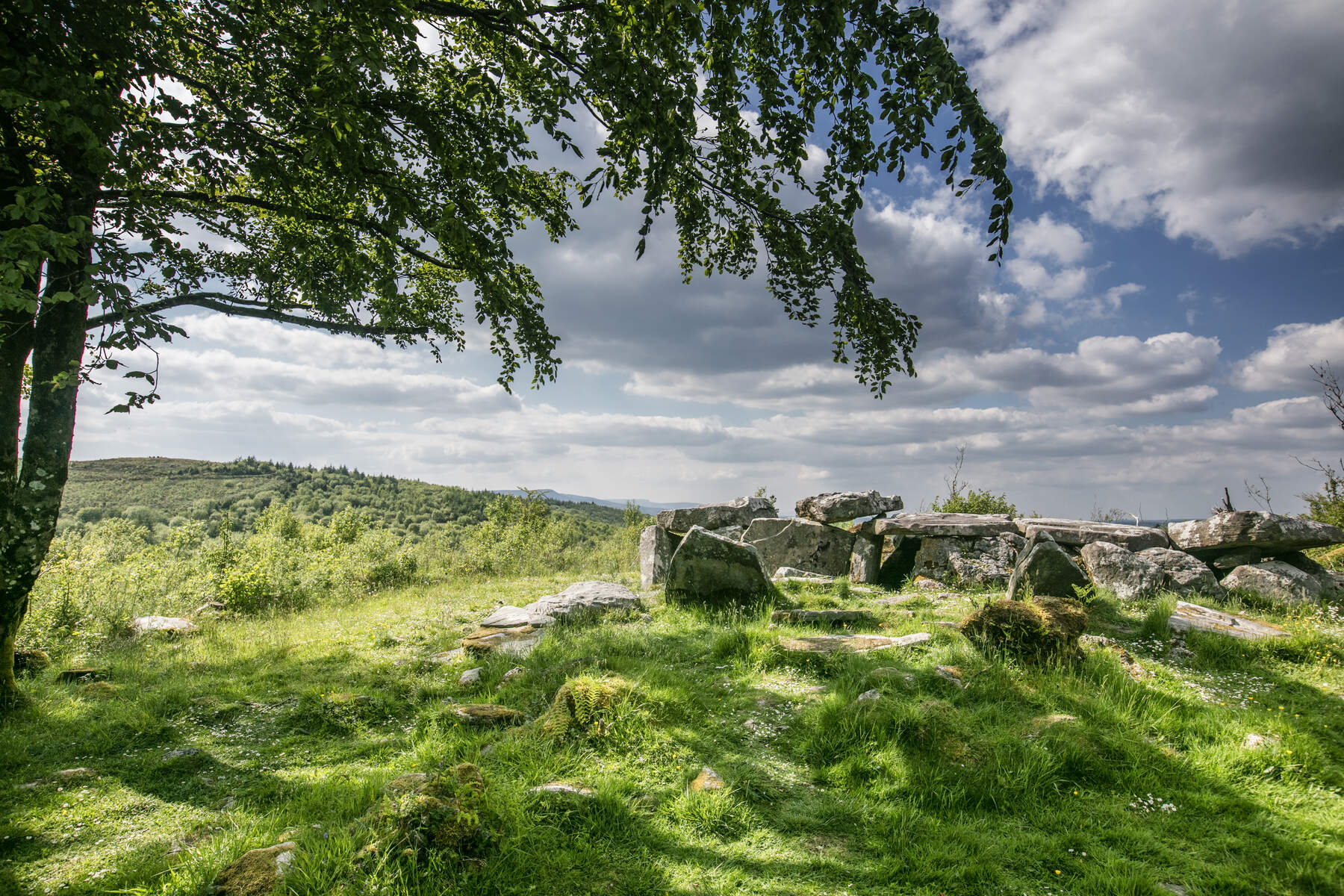
- Nearby attractions – After exploring the castle, head to Killykeen Forest Park for woodland walks, or visit the Cavan Burren Park to see megalithic tombs and limestone formations.
Sample Tour Pricing
| Provider | Tour Length | Price (per person) | Inclusions |
|---|---|---|---|
| Cavan Adventure Centre | 3‑hour kayak tour | €39 | Guided paddling, safety equipment, historical commentary |
Practical Information
Clough Oughter Castle is a National Monument under the protection of the Office of Public Works, and the site is maintained as an unguided, open‑air ruin. There are no formal opening hours; the island is accessible whenever water levels permit. The most reliable way to reach the castle is to arrange a boat or kayak through Cavan Adventure Centre (website: https://cavanadventure.ie/). During periods of exceptionally low water the remains of an old causeway may become visible, but a boat is still required for safe access.
The surrounding lake is part of the Marble Arch Geopark, a legally protected area noted for its diverse wildlife. Visitors are encouraged to respect the environment: stay on designated paths, avoid disturbing nesting birds, and take any litter home.
For those travelling by car, the route from Cavan town follows the R198 to Crossdoney, then the R199 to Killeshandra. Signage to the lake and the canoe centre is clearly marked.
Nearby Sites Worth Visiting
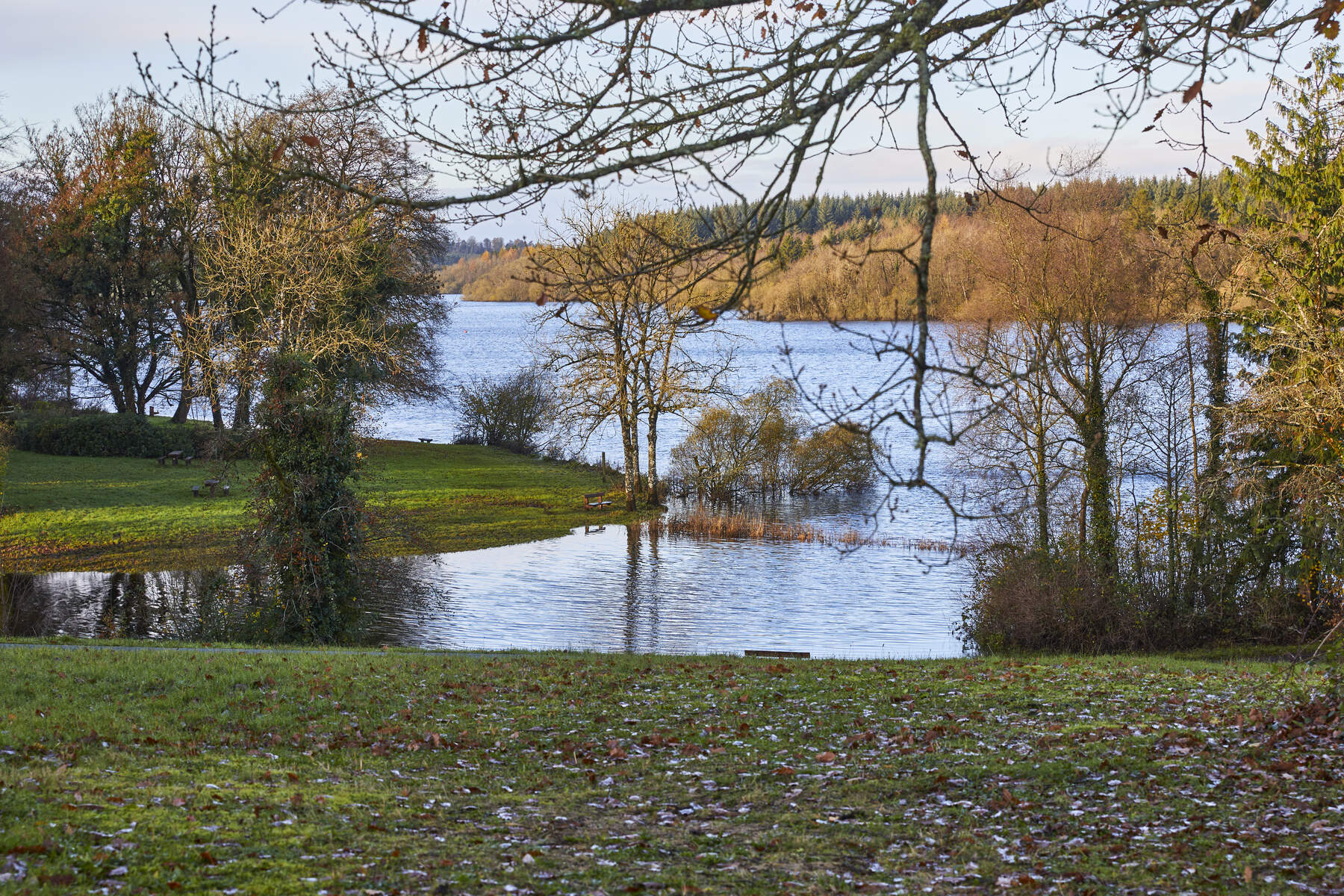
- Killykeen Forest Park – A Coillte‑managed forest offering easy walks along the lake shore, picnic areas and additional wildlife viewing points.
- Cavan Burren Park – A geopark with prehistoric tombs, limestone pavements and scenic trails.
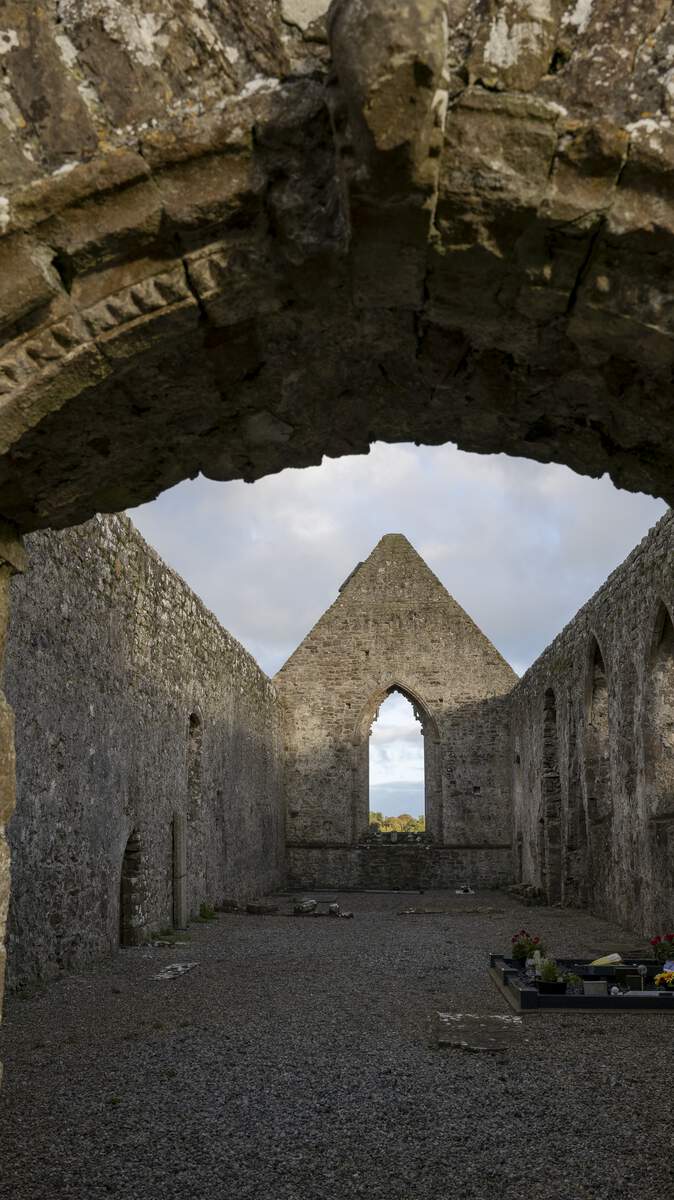
- Drumlane Abbey – A 6th‑century monastic site with a round tower, located a short drive north of the lake.
Whether you arrive by paddle, photograph the tower’s mirror image, or linger to hear the whispered legends, Clough Oughter Castle provides a rare combination of medieval intrigue and natural serenity that epitomises the hidden charms of County Cavan.