Overview
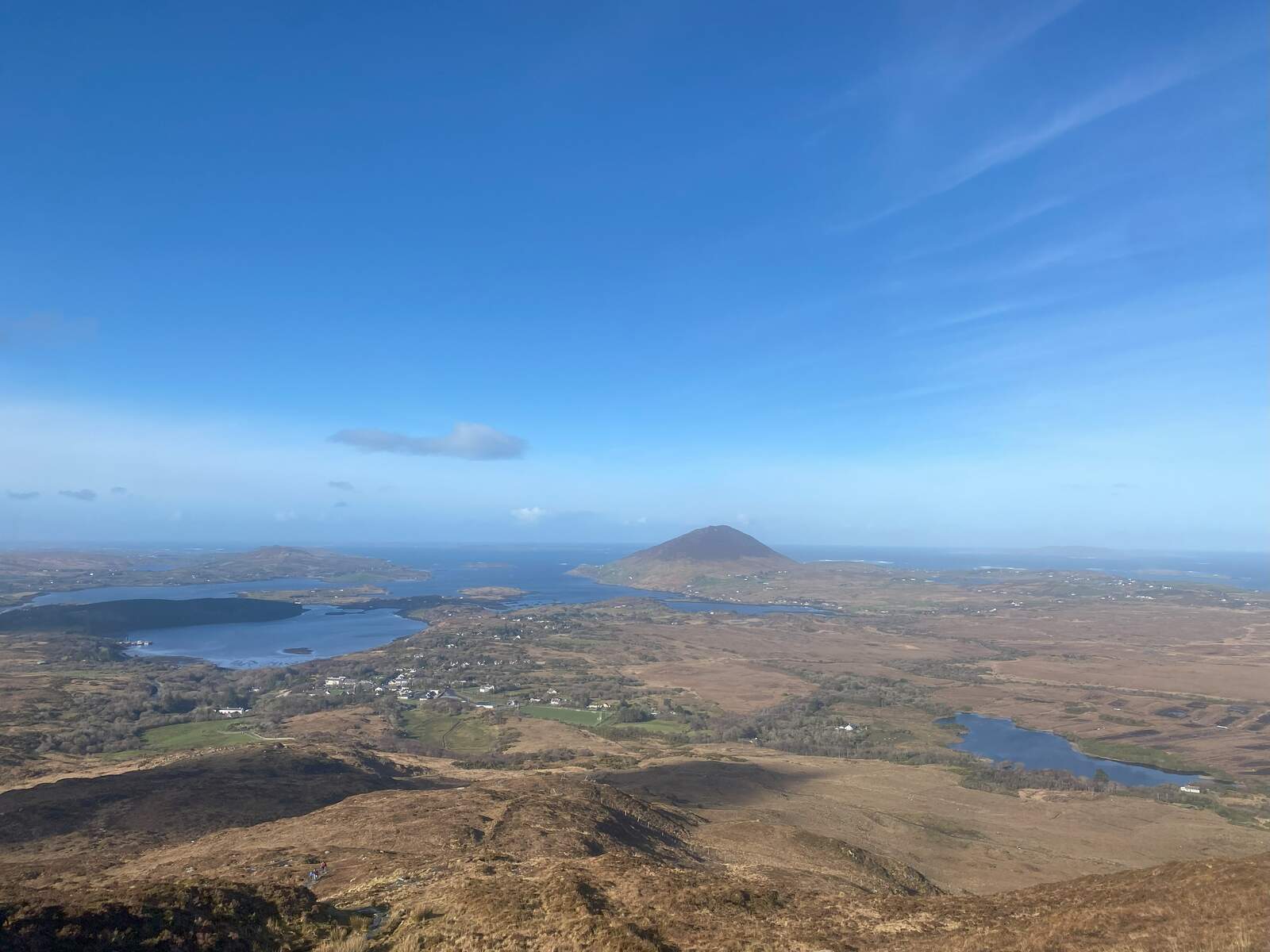
Connemara occupies the north‑west corner of County Galway, bounded by the Atlantic Ocean, Galway Bay and Killary Harbour. The landscape is a patchwork of granite peaks – the Twelve Pins (or Twelve Bens) – blanket bogs, clear lakes and a jagged coastline dotted with tiny islands. It is also the heart of the Irish‑speaking Gaeltacht, where Irish (Gaeilge) is the first language for many residents. The region’s cultural identity is reflected in its music, poetry, and the famous Connemara pony.
History
The name Connemara derives from the early tribal name Conmaicne Mara, meaning “the people of the sea”. Historically it formed part of the kingdom of Iar Connacht and was ruled by a succession of Gaelic clans, most notably the O’Flahertys and the O’Malleys. The 19th‑century landlord John D’Arcy founded the town of Clifden, which later hosted Daniel O’Connell’s 1843 Monster Meeting of up to 100 000 people. The Great Famine devastated the area, prompting emigration that still shapes its demographic profile. In the 20th century Connemara became a magnet for artists, writers and filmmakers – the landscape appears in John Ford’s The Quiet Man and the modern film trail highlights dozens of locations.
What to See & Do
| Attraction | Highlights | Admission |
|---|---|---|
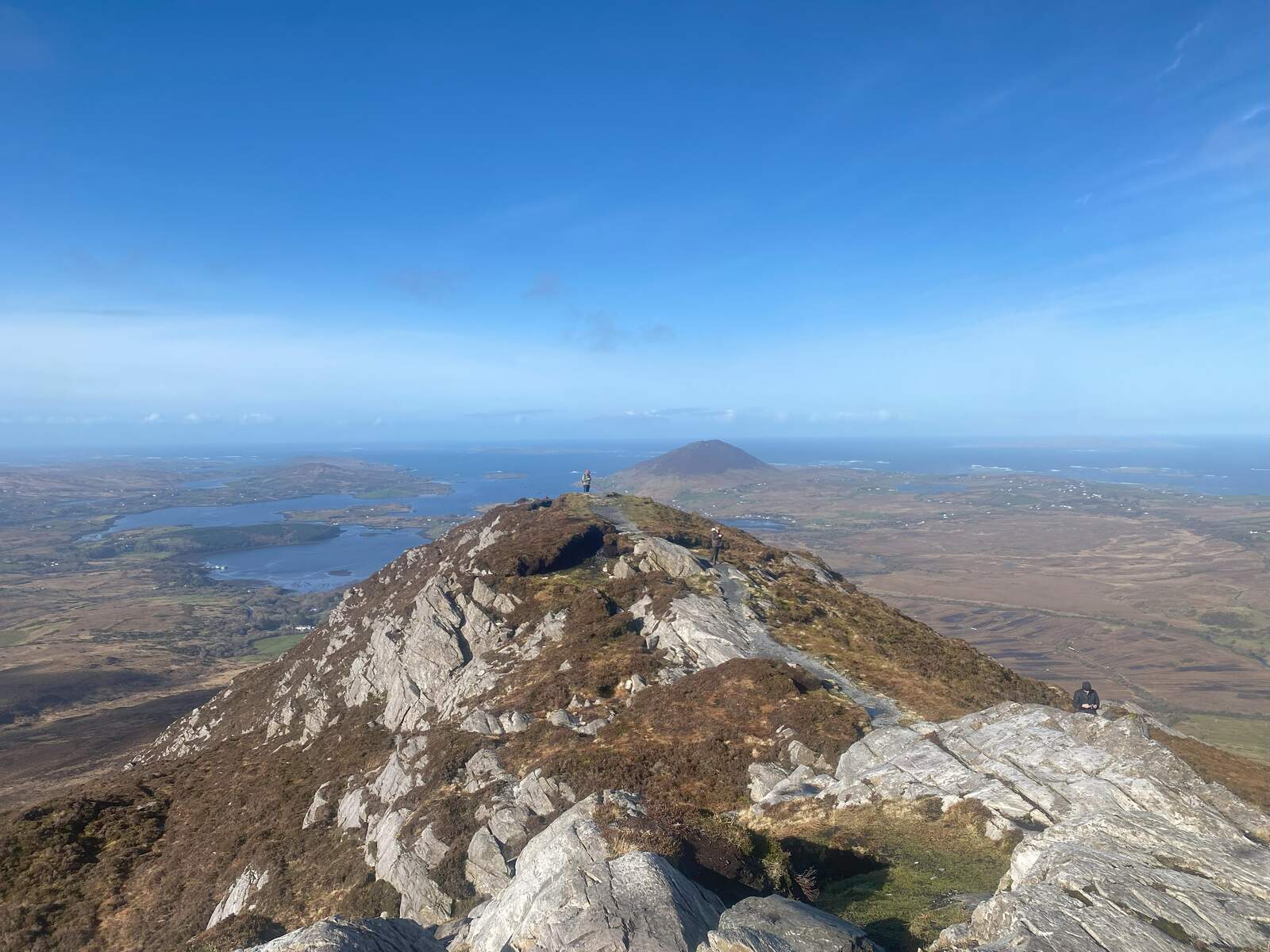
| Connemara National Park | 2 957 ha of mountains, bogs and woodlands; Diamond Hill summit with 360° views of the Twelve Bens and Kylemore Abbey. | Free (Visitor centre open 9 am–5:30 pm) |
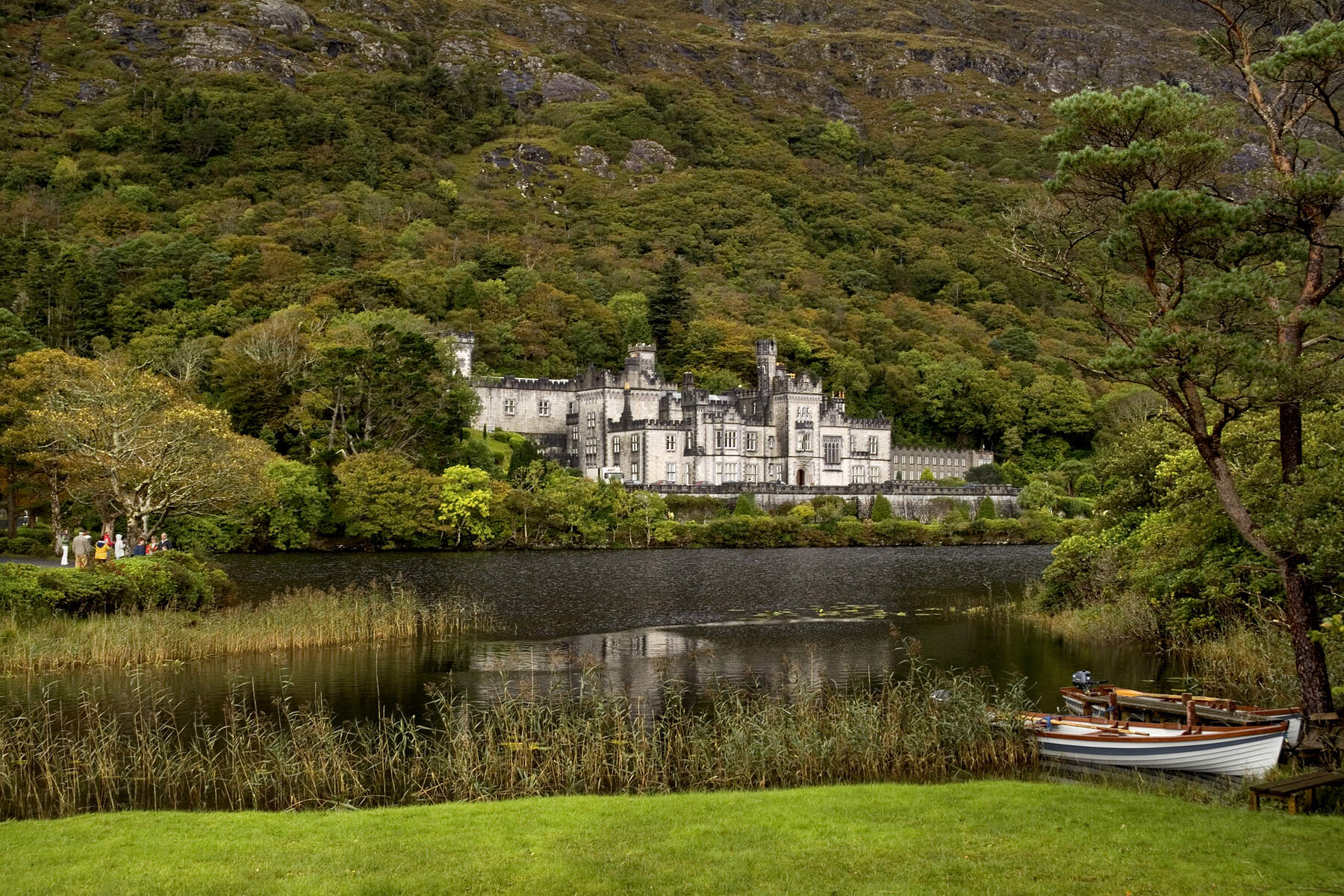
| Kylemore Abbey & Victorian Walled Gardens | Gothic‑revival monastery, formal gardens, Connemara ponies on the estate. | €17 (adult) – open 10 am–6 pm daily |
| Clifden & Sky Road | Colourful town, ruins of Clifden Castle, 11 km coastal loop with panoramic Atlantic vistas. | Free |
| Twelve Bens (Mountain Range) | Classic hill‑walking, from gentle loops to the challenging Glencoaghan Horseshoe. | Free |
| Island of Omey & Inishbofin | Tidal causeway to Omey, early‑Christian ruins; ferry‑linked Inishbofin for walking and traditional music sessions. | Free (ferry fees apply) |
| Connemara Heritage & History Centre | Open‑air museum with reconstructions of a crannóg, ring‑fort and a pre‑Famine farm. | Free |
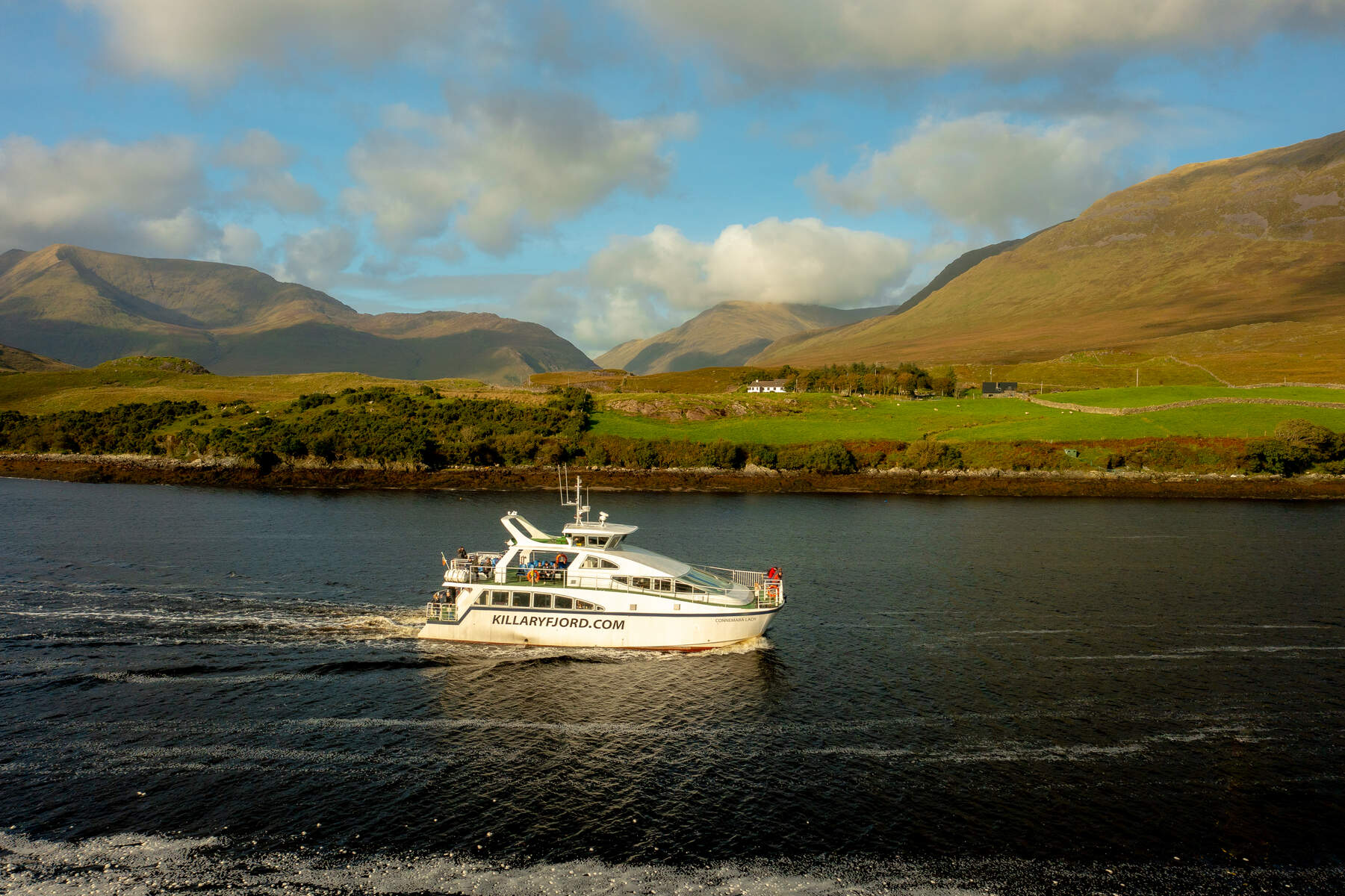
| Killary Fjord | Ireland’s only fjord; boat tours reveal dramatic cliffs and wildlife. | Varies by operator |
| Traditional Music Pubs | Molly’s (Letterfrack), Lowry’s (Clifden), The Shamrock Bar (Roundstone) – live sessions most evenings. | Free entry |
Outdoor pursuits
- Hiking – From the easy Ellis Wood Walk (0.5 km) to the demanding 19 km Diamond Hill & Muckanaght route. The Upper Diamond Hill Loop (3.7 km) offers the most photographed summit.
- Cycling – The Connemara Loop (R336/R59) provides a 45 km coastal ride; the Bog Road (R341) showcases remote peatlands and grazing sheep.
- Water sports – Kayaking, paddle‑boarding and coasteering are popular around Dog’s Bay, Derryclare Lake and the Atlantic coves.
- Equestrian – Several farms offer pony trekking on the native Connemara pony, a sturdy breed used for both work and leisure.
Cultural experiences
- Gaeltacht immersion – Visitors can join short Irish‑language workshops in villages such as An Spidéal or Carna, or simply practice a few phrases with locals.
- Film Trail – Follow the self‑guided map that marks locations used in The Quiet Man, Black ’47 and Arracht.
- Folklore – The region preserves dozens of Mass rocks from the Penal era; notable sites include Baile Eamoinn near Spiddal and Caorán Beag in Carraroe.
- Crafts – Roundstone Music & Crafts showcases handmade bodhráns; Brigit’s Garden near Rosscahill offers a horticultural showcase of native flora.
Practical Information
Getting there
- By car – The N59 from Galway to Clifden is the main artery; the scenic coastal alternative is the R336 (the “Connemara Loop”). Parking is free at most trailheads and at the National Park visitor centre.
- By bus – Citylink operates Route 923 (Galway ↔ Clifden) with a stop at Letterfrack; the service runs several times daily. TFI route 423 connects Westport to Letterfrack.
- By air – Connemara Airport (near Spiddal) offers scheduled flights to the Aran Islands; the nearest international airports are Ireland West (Knock) and Shannon.
- By train – The historic Midland Great Western Railway line closed in 1935; the nearest active station is Galway Ceannt.
Opening hours & fees (selected attractions)
| Attraction | Opening hours (summer) | Opening hours (winter) |
|---|---|---|
| Connemara National Park Visitor Centre | 9:00 am – 5:30 pm | 9:00 am – 5:30 pm (may close on severe weather) |
| Kylemore Abbey & Gardens | 10:00 am – 6:00 pm (daily) | 10:00 am – 5:00 pm (shorter season) |
| Connemara Heritage & History Centre | 10:00 am – 5:00 pm (May‑Sept) | Closed (Oct‑Apr) |
Accessibility
- The National Park visitor centre and main trails (Ellis Wood Walk, Lower Diamond Hill Loop) have firm surfaces and limited gradients, suitable for wheelchair users with assistance. The Upper Diamond Hill Loop involves steep, uneven steps and is not wheelchair‑accessible.
- Kylemore Abbey provides wheelchair‑friendly routes through the gardens, though some historic interior areas have steps.
Contact & online resources
- Tourism Ireland – Connemara page: https://www.ireland.com/en-au/destinations/regions/connemara/
- County Galway tourism: https://www.galwaytourism.ie/connemara/
- Connemara National Park: https://www.connemaranationalpark.ie/
- Kylemore Abbey: https://www.kylemoreabbey.com/
When to visit
The mild months of May to September give the longest daylight (up to 16 hours) and the most reliable footing for hill walks. Spring brings blooming heather; autumn paints the bogs in gold and reduces crowds. Winter is quiet, with dramatic mist‑shrouded scenery, but some higher trails may be icy.
Quick checklist
- Pack sturdy boots for mountain trails; the terrain can be wet and uneven.
- Bring a rain‑proof jacket – Connemara’s weather changes quickly.
- Check tide tables if you plan to drive to Omey Island or walk the sand causeway.
- Book accommodation in advance for peak summer weekends, especially in Clifden and Letterfrack.
Enjoy the “savage beauty” of Connemara – a place where wild nature, living Irish language and centuries of history converge on a stunning Atlantic canvas.