
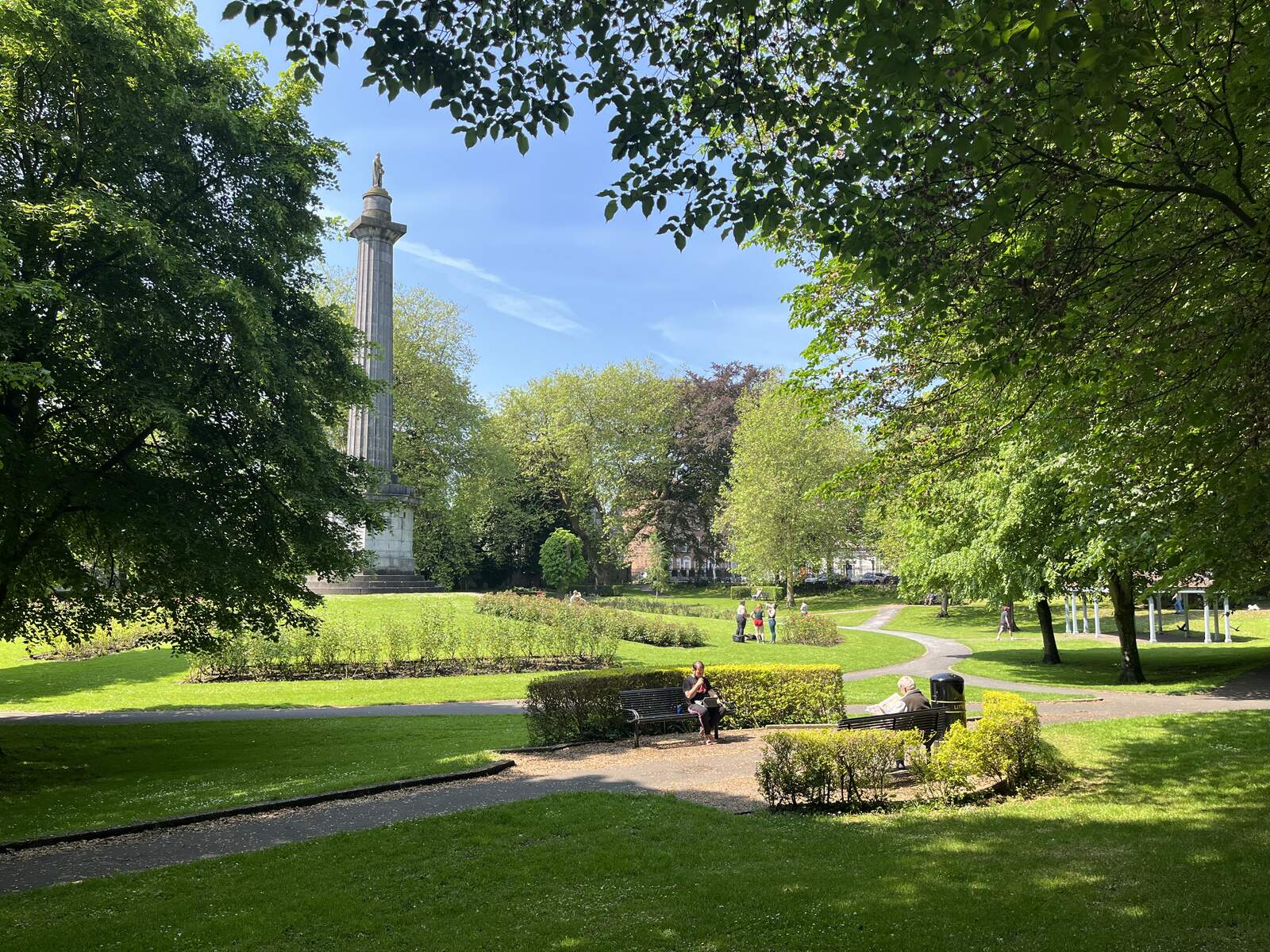
Overview
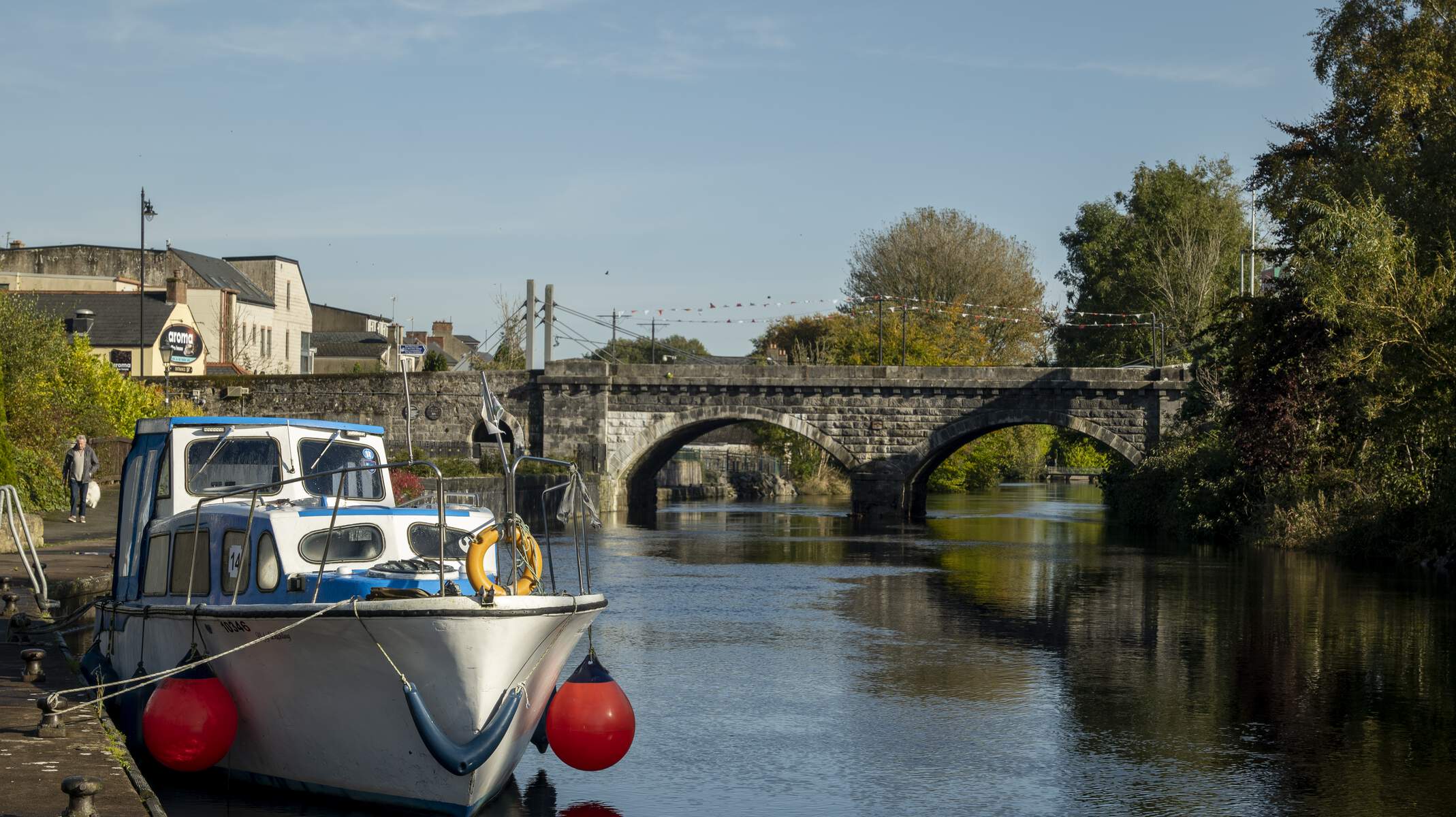
Corbally is a thriving townland and suburban area on the eastern fringe of Limerick city, perched on the River Shannon. Its name, derived from the Irish An Corrbhaile meaning “the noticeable town/village”, reflects a community that has grown from a modest agricultural settlement into a vibrant residential hub. The neighbourhood enjoys easy access to the city centre while retaining a distinct riverside character, with green corridors, wetlands and historic sites peppered throughout the area.
History
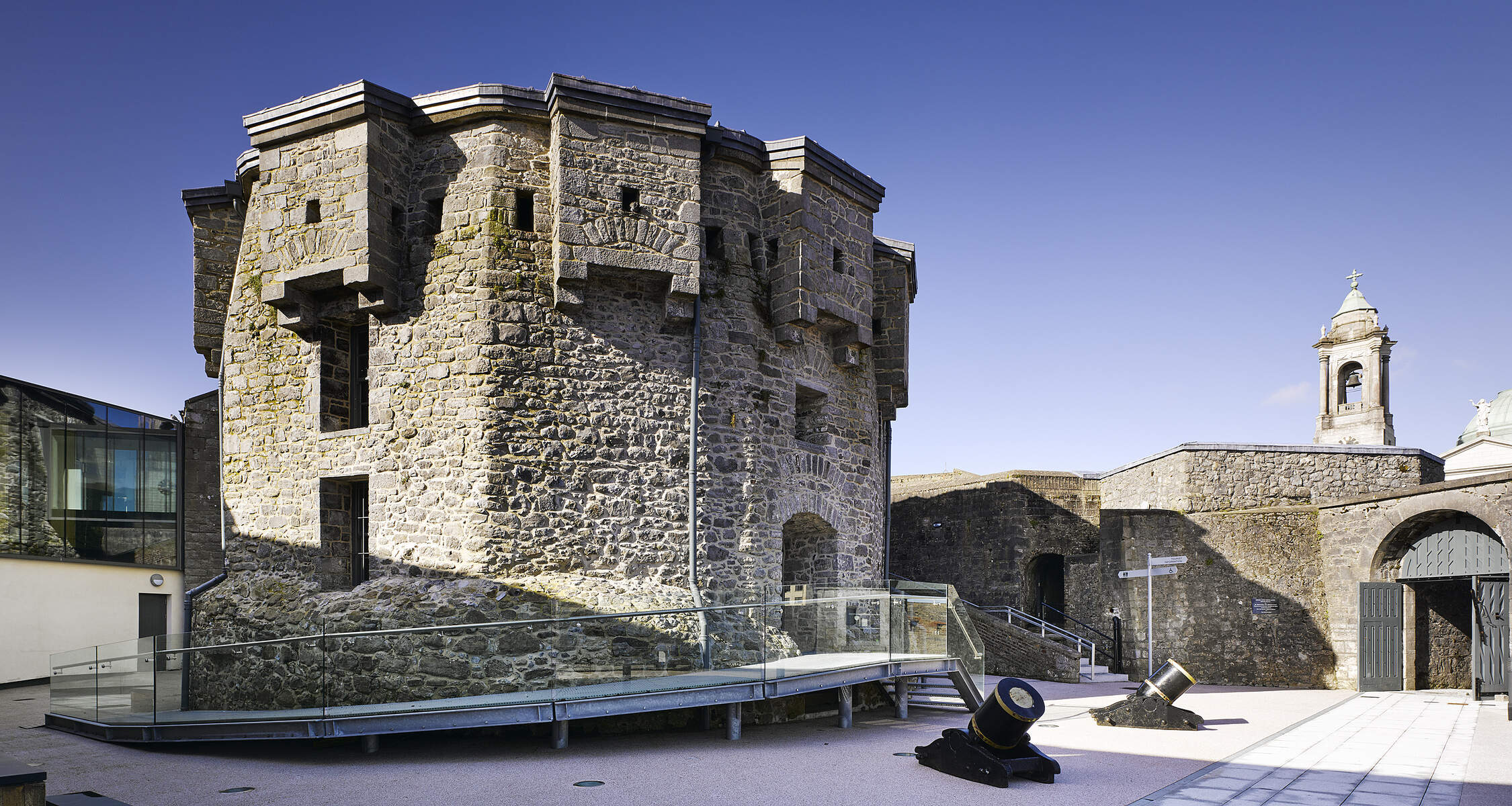
The most striking historical feature of Corbally is Athlunkard Bridge, a five‑arch limestone road bridge that spans the Shannon and marks the county boundary between Limerick and Clare. Designed by the Pain brothers, James and George Richard, construction began in 1826 and the bridge was completed in 1830 at a cost of £7,000. Its segmental‑headed arches, cut‑stone voussoirs and ashlar cutwaters exemplify early‑19th‑century engineering excellence. Originally a toll bridge – half‑penny for pedestrians and one penny for horse‑drawn traffic – it was declared toll‑free on 28 April 1884. A benchmark sits in the centre of the bridge, a subtle reminder of its surveying heritage.
Beyond the bridge, Corbally bears traces of older rural life. An old windmill on Mill Road, now a picturesque ruin, hints at the agricultural past, while the entrance gate of the former Corbally Palace offers a glimpse of the estate era that once dominated the landscape. The area also features a network of small forts and field systems that date back to the Land Commission redistributions of the late 19th century, visible in the long, narrow fields that stretch across the countryside.
What to See & Do
| Attraction | Type | Highlights |
|---|---|---|
| Athlunkard Bridge | Historic bridge | Five limestone arches, 1830 completion, free crossing, benchmark in centre. |
| Westfields Wetlands | Natural reserve | Frogs, dragonflies, herons; boardwalks for close wildlife viewing. |
| Corbally Wildflower Meadow | Botanical site | Over 120 species of wildflowers and insects; seasonal colour displays. |
| Old Windmill (Mill Road) | Ruin | Remnant of 19th‑century milling, photogenic backdrop. |
| Corbally Palace Gate | Architectural fragment | Remains of the estate entrance, evocative of the area’s gentry past. |
| River Shannon Walks | Outdoor | Scenic riverside paths linking the bridge to the Corbally Line green space; ideal for leisurely strolls or jogs. |
| Cycling Routes | Outdoor | Part of the Limerick‑Clare active travel scheme; well‑marked routes along the Shannon and through residential streets. |
| Cafés & Hook & Ladder Hatch | Food & Drink | Local cafés on Corbally Road, with the popular Hook & Ladder hatch offering a quick coffee stop after a riverside walk. |
The Westfields Wetlands and Corbally Wildflower Meadow are especially rewarding for families and nature enthusiasts. Boardwalks wind through the wetlands, allowing close observation of amphibians, dragonflies and a variety of birdlife without disturbing the habitat. In spring and summer, the meadow bursts into colour, attracting pollinators and offering excellent opportunities for photography.
Athlunkard Bridge itself is a destination for history buffs and architecture lovers. The bridge’s plaques, which record the commencement (1826) and completion (1830) dates as well as the names of the architects and the local MP Thomas Spring Rice, can be read up close. The bridge remains in active use for pedestrians, cyclists and vehicles, providing a seamless link between Limerick city and County Clare.
For those who enjoy a café culture, Corbally Road hosts a selection of independent cafés and eateries. After a walk along the Shannon, stop at the Hook & Ladder hatch, a beloved local spot where you can refuel with a coffee and a pastry while watching the river traffic drift by.
Practical Information
- Getting there: Corbally is accessed via the N18/M18 corridor and the local Corbally Road, which leads directly onto Athlunkard Bridge. Limerick City bus services (e.g., routes 301 and 302) stop at the Corbally Road stop, providing regular connections to the city centre and the University of Limerick.
- Bridge access: Athlunkard Bridge is open 24 hours a day and free of charge. Pedestrians and cyclists may use the dedicated footpaths on either side of the bridge; the bridge is fully paved and suitable for wheelchair users, although the historic stone surface can be uneven in places.
- Parking: Limited on‑street parking is available near the bridge on the Limerick side, with additional spaces at the nearby Corbally Line community park. Visitors are encouraged to use public transport or the city’s active travel scheme to reduce congestion.
- Walking & cycling: The Mill Road Active Travel Scheme has upgraded pathways and signage, making the riverside walk and cycle routes safe and well‑marked. Detailed route maps are available on the Limerick City and County Council website.
- Facilities: Restrooms are located at the Corbally Line park and at the Westfields Wetlands visitor area. Picnic benches line the Shannon banks, providing pleasant spots for a break.
- Seasonal notes: The wetlands can be water‑logged after heavy rain; check local conditions before setting out. The wildflower meadow is at its peak from late May to early August.
- Further reading: For an in‑depth look at Athlunkard Bridge, see the National Inventory of Architectural Heritage entry. Local history and community updates are featured on LimerickLife.com.
Nearby attractions
A short walk downstream brings you to the lively riverside promenade of Arthur’s Quay, where you can enjoy riverside cafés, street performers and views of the historic Limerick City Bridge. The quay area also connects to the popular Clancy’s Strand, offering a pleasant stretch for a seaside stroll.
Corbally offers a unique blend of historic charm, natural beauty and modern convenience, making it an ideal base for visitors who wish to experience the River Shannon’s tranquil edge while staying close to Limerick’s vibrant city life.