
Overview
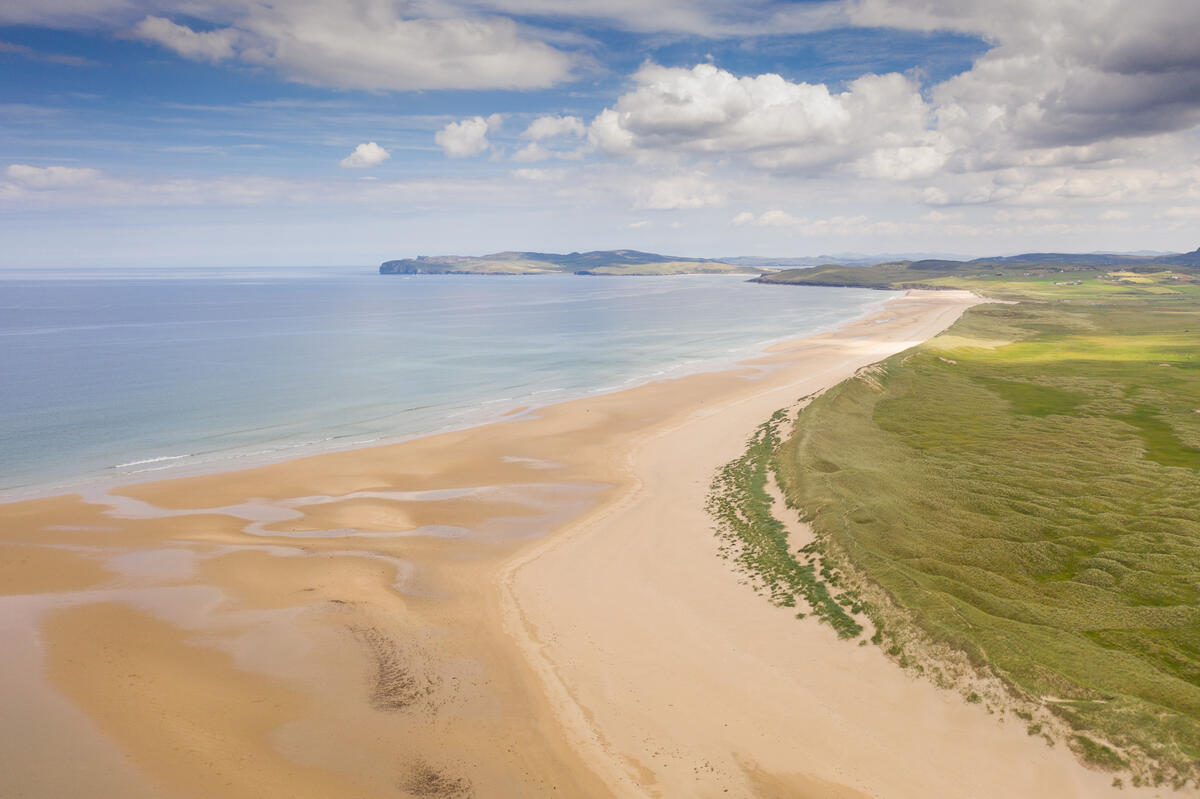
Croagh Beg (Irish: Croagh beag) sits on a gentle rise of stone just east of Kilcar, a fishing village on Donegal’s rugged north‑west coast. At 869 ft (265 m) the hill is modest in height but dominates the surrounding farmland and offers clear sightlines to the Atlantic, the iconic Giant’s Causeway and the dramatic cliffs of the Causeway Coast. The crown of the hill is home to the Croaghbeg Court Tomb, a Neolithic monument that dates back roughly 6,000 years and forms part of a wider landscape of prehistoric stone structures.
The site is freely accessible year‑round and is a favourite stop for archaeology enthusiasts, casual walkers and anyone drawn to the quiet power of ancient stonework set against a coastal backdrop.
History & Background
The court tomb was first uncovered during a four‑year excavation programme (1966‑1969). Archaeologists revealed a coffin‑shaped cairn with a distinctive crescent façade and a linear stern, built using dry‑stone masonry techniques that have survived millennia. At the heart of the monument lies a pear‑shaped court that cradles a dual‑chambered gallery. The entrance, excavated to just over a metre, yielded a mixed assemblage of artefacts ranging from flint flakes and chert tools to a leaf‑shaped arrowhead, indicating a sophisticated Neolithic toolkit.
Later Iron Age activity is evident in the rear chamber, where pottery shards, metal objects, a glass bead and a bone comb were recovered. These layers illustrate a long‑term relationship between people and the site, spanning from the Neolithic into the early historic period.
Key architectural features include:
- A 37‑metre‑long cairn with a pronounced dip at the front, suggesting a deliberate ceremonial approach.
- A 5‑metre passage leading toward the court, interrupted by a 1.5‑metre‑wide break in the façade.
- A 1.8‑metre‑wide, 0.5‑metre‑deep gully cut through the cairn, highlighting the builders’ engineering skill.
- A stone positioned on the northern flank, possibly serving a ritual or structural purpose.
The artefact suite—hollow scrapers, plano‑convex knives, a shale bracelet fragment and even a razor‑clam shell—paints a vivid picture of daily life, craft, and symbolic practice among the monument’s original builders.
What to See & Do
The Court Tomb
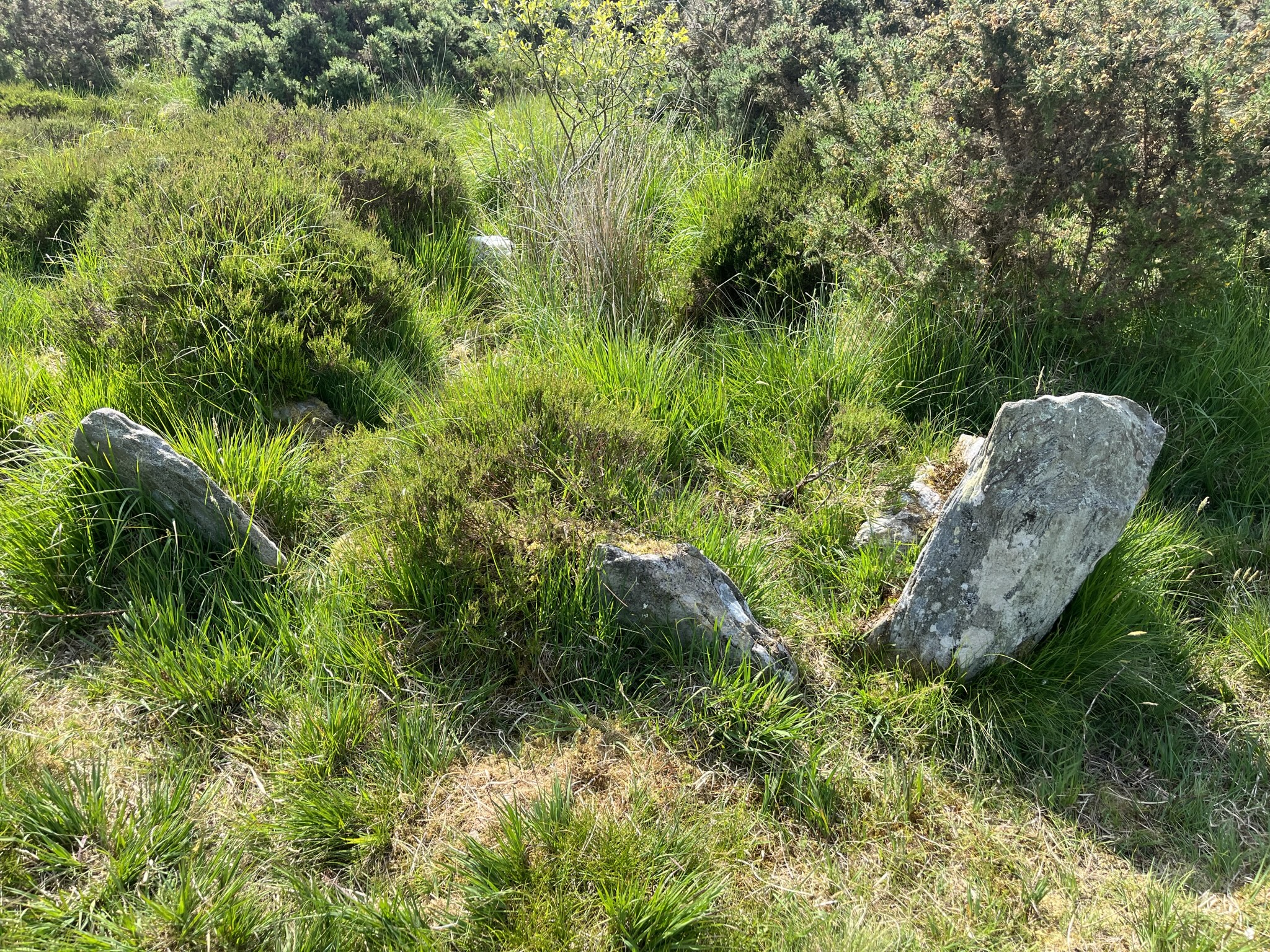
Approach the cairn from the small parking area off the R263 road. The stone structure is set on a low, grassy plateau; the court is clearly outlined, allowing visitors to walk around its perimeter and imagine the communal gatherings that once took place here. Look for the dual chambers—the front chamber still contains Neolithic floor deposits, while the rear chamber bears the later Iron Age layers.
Artefact Highlights
While the tomb itself is not a museum, the surrounding landscape still holds the spirit of the finds. Spot the flint tools and leaf‑shaped arrowhead that were uncovered during excavation; interpretive panels (installed by the local heritage group) mark where these items were discovered.
Scenic Walks
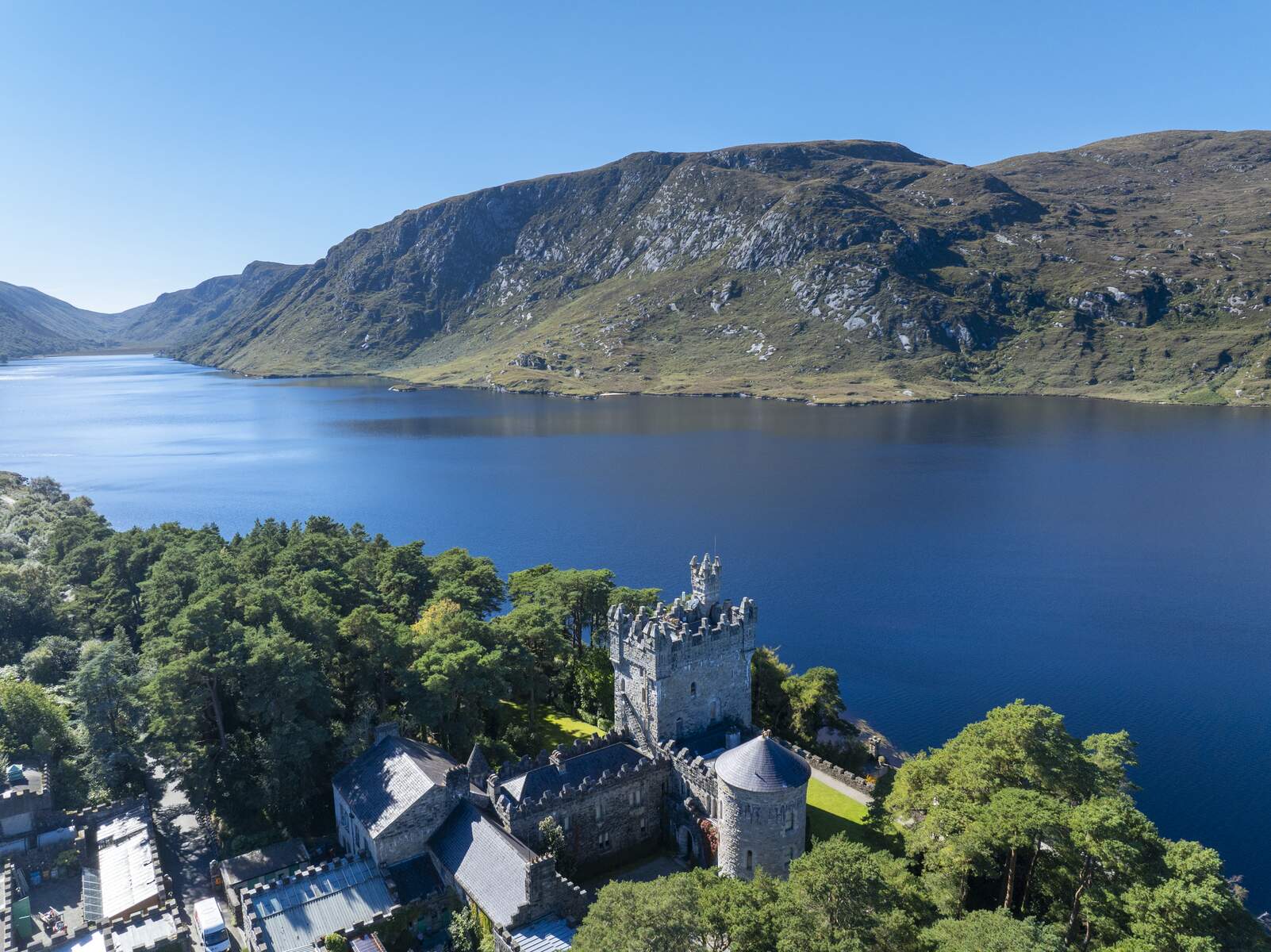
The hill’s gentle slope makes for an easy, rewarding walk. From the summit you can enjoy panoramic views of:
- Whitepark Bay and the rolling dunes to the north.
- The Causeway Coast with its famous basalt columns visible on clear days.
- The Muckross Head headland, a short detour that offers dramatic sea cliffs.
Because the hill is part of the Wild Atlantic Way, you can easily combine a visit to Croagh Beg with nearby attractions such as the Giant’s Causeway, Dunseverick Castle and the Amphitheatre (Port Reostan).
Practical Information
| Item | Details |
|---|---|
| Opening hours | Open all year; no gate or staff presence. |
| Admission fee | Free entry. |
| Nearest village | Kilcar (≈3 km east). |
| Parking | Small on‑site car park on the R263; spaces fill quickly in summer, so arrive early if possible. |
| Access | Short, well‑marked path from the car park to the tomb; the terrain is uneven but manageable for most walkers. |
| Coordinates | 54.6246809 N, ‑8.5619947 W |
| Elevation | 869 ft / 265 m (Rank #210 in Donegal, #1,356 in Ireland). |
Getting There
The most straightforward route is by car: travel north from Killybegs on the R263 toward Kilcar, then follow the signs for the “Court Tomb” parking area. Public transport is limited; the nearest bus stop is in Kilcar, from where a short taxi ride or a 30‑minute walk will bring you to the site.
Visitor Facilities
There are no permanent facilities (toilets, café) on the hill itself. The village of Kilcar, a short walk away, offers a handful of cafés, a traditional pub, and craft shops where you can sample Donegal knitwear and local seafood.
Accessibility
The path to the tomb involves uneven stone steps and a modest ascent; it is not wheelchair‑accessible. However, the surrounding fields and coastal viewpoints are open and can be enjoyed from the car‑park perimeter.
Nearby Attractions
While you’re in the area, consider adding these Donegal highlights to your itinerary:
- Assaranca Waterfall – a scenic cascade a short drive north of Kilcar, ideal for a quick photo stop.
- Ardara Heritage Centre – showcases local history and crafts, perfect for a cultural break.
- Ballymastocker Bay – a Blue Flag beach renowned for its turquoise waters and dramatic cliffs.
- Giant’s Causeway – UNESCO World Heritage Site, 30 km north, reachable via the Wild Atlantic Way.
- Dunseverick Castle – free‑entry ruin with sweeping sea views.
Further Exploration
Croagh Beg serves as an ideal base for exploring the wider Causeway Coast AONB. Consider adding the following nearby highlights to your itinerary:
- Giant’s Causeway – UNESCO World Heritage Site, 30 km north.
- Dunseverick Castle – Ruined gate tower with sweeping sea views, free entry.
- Fintra Strand – A secluded beach near Killybegs, perfect for a post‑walk dip.
- Glencolmcille Folk Village – A living museum of traditional Irish life, about 20 km west.
For detailed walking routes, the Komoot platform lists over 35 easy hikes in the Croagh Beg area, including the popular Causeway Coast Way: Whitepark Bay to Ballintoy (7 km, 1 h 52 min) and the Ballintoy loop via Carrick‑a‑Rede Quarry (5.2 km, 1 h 26 min). These routes are well‑marked, family‑friendly and provide additional opportunities to view the coastal scenery that frames the ancient tomb.
In Summary
Croagh Beg is a compact yet richly layered destination where Neolithic archaeology meets dramatic Atlantic vistas. Its free‑access court tomb offers a tangible connection to Ireland’s deep past, while the surrounding hill provides gentle walking and spectacular photo opportunities. Whether you are a history buff, a casual hiker, or a photographer chasing the perfect sunrise over the Causeway Coast, Croagh Beg delivers a memorable slice of Donegal’s heritage.