Overview
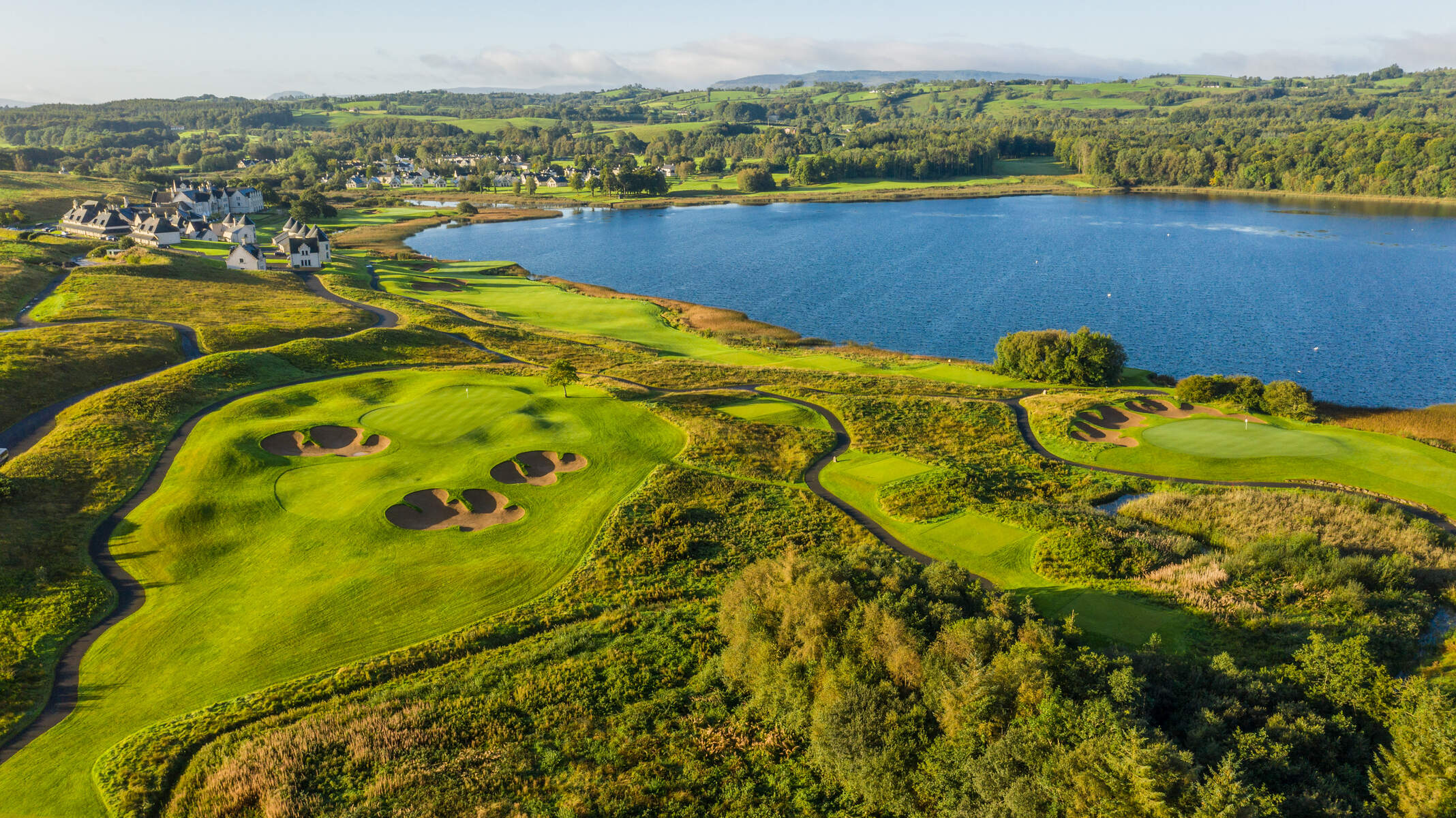
Crom Estate sits on the tranquil shores of Upper Lough Erne in County Fermanagh, Northern Ireland. Managed by the National Trust, the 2,000‑acre demesne is one of the island’s most important nature‑conservation areas. It boasts the largest remaining block of native oak woodland in Northern Ireland, extensive reed‑fringed lakes, wildflower meadows and a network of islands that support a remarkable diversity of flora and fauna. Visitors regularly spot red squirrels, pine martens, otters and all eight native bat species, while the estate’s rare lichens and the blue‑eyed grass (a plant found only in Fermanagh) underline its ecological value.
The estate is also a cultural landscape. The ruins of Old Crom Castle, a 17th‑century tower house, overlook the water, and the grand 19th‑century Crom Castle (private, not open to the public) adds a dramatic backdrop. Designed by landscape architect W.S. Gilpin, the grounds blend formal gardens, a historic walled garden, a bowling green and a series of walking routes that lead to spectacular lake viewpoints.
History
The first house on the Crom site was erected in 1611 by Michael Balfour, a Scottish planter, as part of the Plantation of Ulster. Built of lime and stone within a bawn, the original structure endured two Jacobite invasions before being burnt down in the early 1760s. Its stone shell remains today as the evocative ruins of Old Crom Castle.
In 1840, the 7th Earl of Erne commissioned Scottish architect Edward Blore to design a neo‑Tudor mansion—Crom Castle—that still dominates the estate’s skyline. Although the castle remains a private family residence, its presence has shaped the estate’s identity. The National Trust acquired the surrounding lands from the 6th Earl of Erne in 1987, preserving the woodlands, lakes and historic features for public enjoyment.
During World War II the estate briefly served as a US military base, a fact still recounted on guided walks. More recently, Crom hosted a classic yacht regatta in August 2010, recreating 1890s races on Upper Lough Erne, underscoring its ongoing link to water‑based recreation.
What to See & Do
Woodland Trails and Iconic Yews
Crom offers over 10.5 km of recently upgraded trails that wind through ancient yew groves, oak stands and wetland boardwalks. The highlight is a pair of massive yew trees, fused together and estimated to be over 800 years old—ranked among Britain’s greatest trees. The trails lead to several viewpoints where the lough stretches out to the horizon, perfect for bird‑watching; a dedicated hide equipped with binoculars allows close observation of herons, swans and wintering waterfowl.
Wildlife Watching
The estate’s mosaic of habitats supports a wealth of species. Early‑morning walks often reveal red deer grazing in the meadow, while pine martens and otters may be glimpsed along the water’s edge. The eight native bat species, including the rare lesser horseshoe, roost in the old stone structures and mature trees. Seasonal butterfly walks are popular in summer, when the estate’s rare butterflies flutter among the wildflowers.
Water Activities
A jetty on Upper Lough Erne provides a convenient point for private boats, canoes and kayaks. Paddle‑boarding and guided boat tours are available from the on‑site water sports centre, offering a different perspective of the islands and the castle ruins.
Historic Ruins and Gardens
The romanticised ruins of Old Crom Castle are accessible via a short, well‑marked path from the main car park. Nearby lies a historic walled garden, now restored and open to the public, where seasonal plantings reflect the estate’s horticultural heritage. The bowling green and a small tea‑room/café provide a pleasant spot for a break.
Accommodation
For those wishing to extend their stay, Crom offers seven cosy cottages, glamping pods and a campsite. Each unit is set within the estate’s natural surroundings, allowing guests to wake to the sounds of the lough and the scent of pine.
Practical Information
Crom Estate is open year‑round; however, opening times can vary seasonally and may be affected by weather or conservation work. Visitors are advised to check the official website for the latest hours before travelling.
Admission – An entry fee is required for access to the estate. Current pricing is listed on the National Trust website; discounts are available for children, seniors and National Trust members.
Booking – Weekday visits generally do not require advance booking, but during peak periods (especially weekends and school holidays) pre‑booking is recommended to guarantee entry.
Parking – Free on‑site parking is provided for cars, coaches, minibuses and motorbikes. Disabled parking spaces are available close to the main entrance.
Accessibility – The estate has made strides to improve accessibility. Main pathways are suitable for wheelchair users, and the visitor centre offers accessible toilets. Dogs are welcome on the grounds by arrangement; a dedicated dog‑friendly area is marked near the picnic site.
Facilities – Toilets, baby‑changing rooms, free Wi‑Fi, a gift shop and a picnic area are available. The on‑site café serves light meals, tea and coffee.
Contact – For specific enquiries, call +44 (0) 28 6773 8118 or visit the National Trust page.
Getting There – By car, the estate is reachable via the A4/A5 from Belfast (approximately 2 hours). Public transport options include Ulsterbus services 95, 95A and 95C to Newtownbutler, with a short taxi ride to the estate. For cyclists, the Lough Erne Pilgrim Way passes close to the entrance, offering a scenic approach.
Nearby Attractions – While at Crom, consider a short drive to Castle Balfour, Corranny Forest Pottery, Devenish Island or the Lough Erne Pilgrim Way, all within a 15‑minute radius.
Events – The estate hosts seasonal events, guided walks, wildlife talks and occasional regattas. Details are published on the National Trust events page.
Plan your visit, respect the wildlife, and let the ancient trees and shimmering waters of Crom Estate create lasting memories.