
Overview
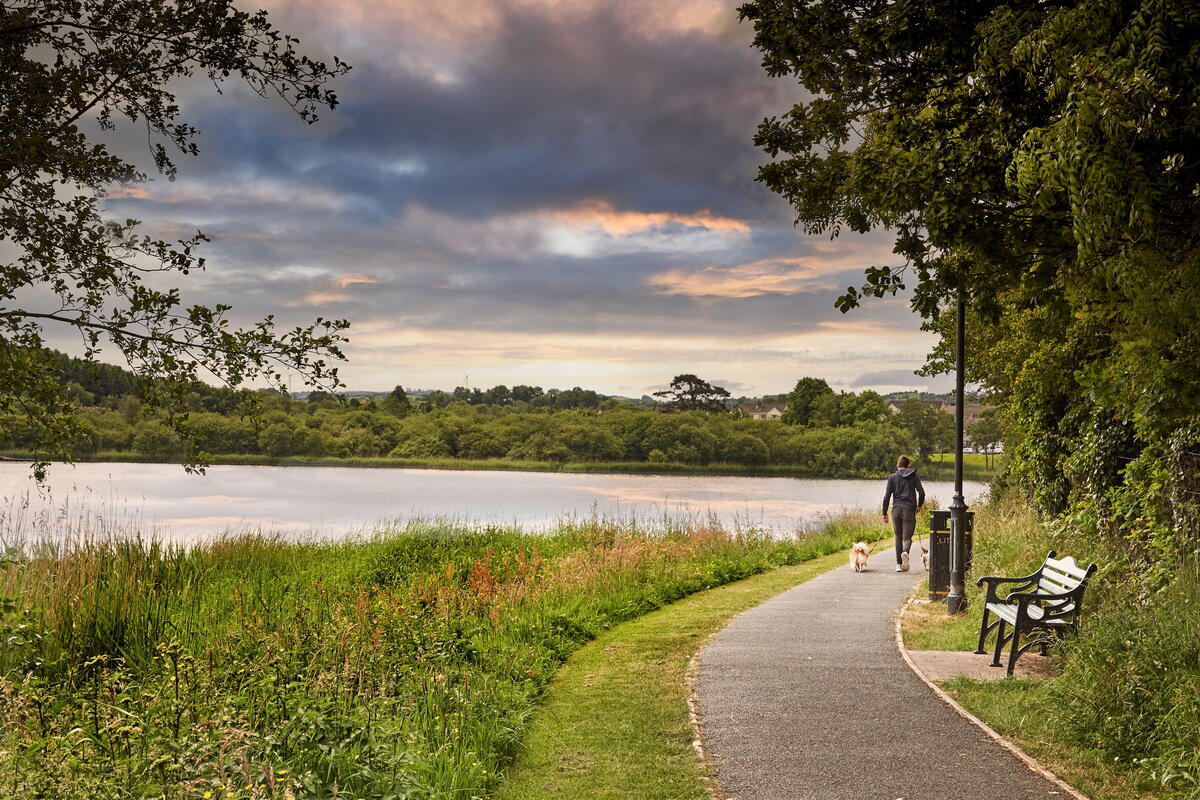
Dartrey Estate, set a few kilometres south‑east of Cootehill in County Monaghan, was once the seat of the Dawson family, Earls of Dartrey. Although the neo‑Elizabethan Dartrey House was demolished in 1946, the surrounding Dartrey Forest, the surviving church, the striking Dawson Mausoleum on Black Island and the 60‑ft Dawson Monument together offer a layered glimpse of Irish country‑house history, classical memorial art and contemporary woodland recreation.
History / Background
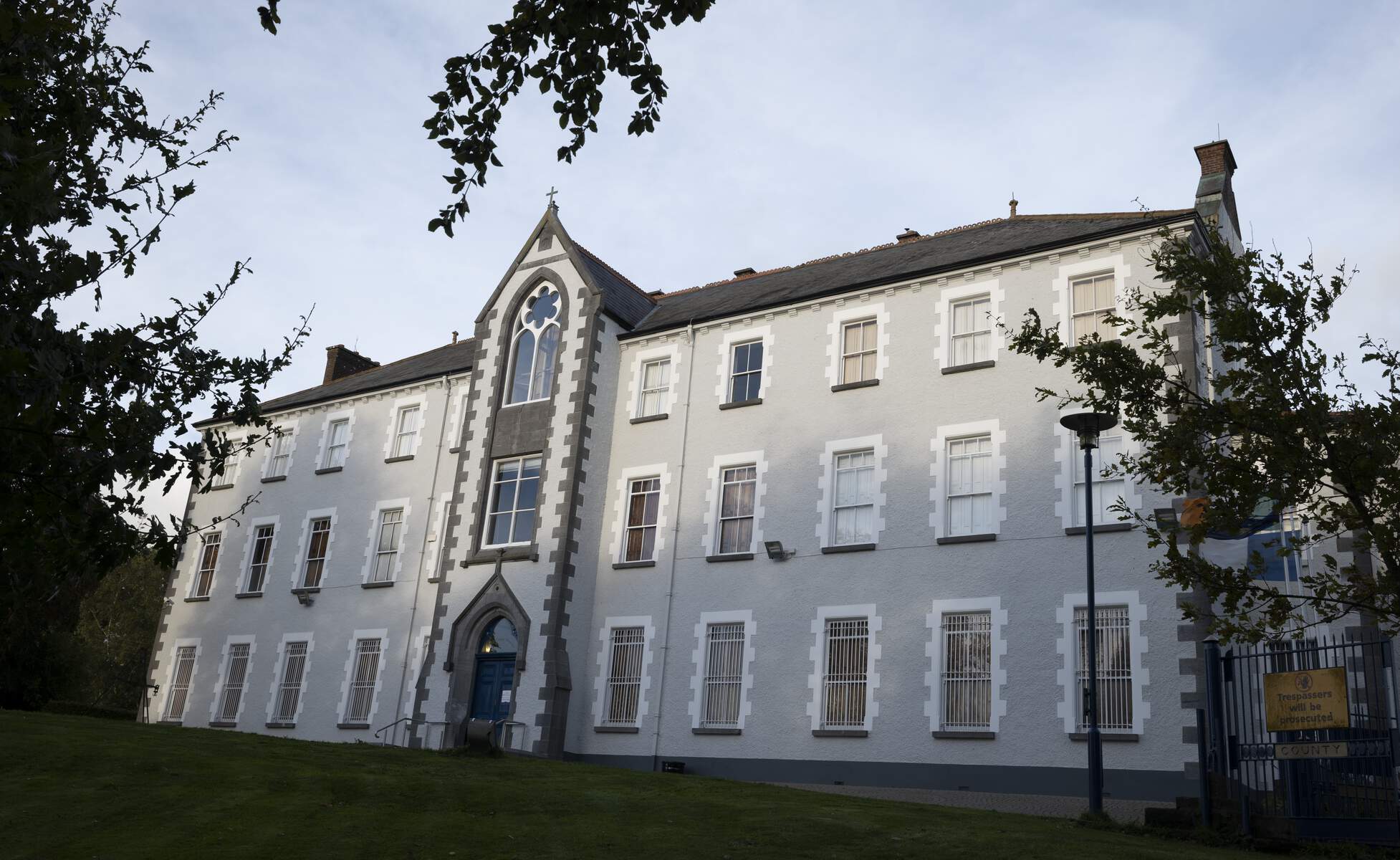
The Dawson lineage arrived in Ulster during the Elizabethan era and by the early 18th century had established Dawson Grove as their family seat. In the 1770s the original house was replaced, and in 1770 James Wyatt designed the Lady Anne Dawson Temple (later known as the Dawson Mausoleum) on Black Island as a Pantheon‑inspired tribute to Lady Anne Dawson, who died in 1769. The monument was completed in 1774 and features a marble group by royal sculptor Joseph Wilton.
During the Great Famine the 3rd Baron Cremorne, later the 1st Earl of Dartrey, commissioned architect William Burn to build a new neo‑Elizabethan castle in the 1840s. The house displayed curvilinear gables, mullioned windows and Tudor chimneys, and sat on a two‑tier terrace overlooking Dromore Lough. A fire in March 1856 damaged part of the structure, but it was rebuilt in a Jacobethan style. Financial pressures in the early 20th century forced the sale of the house’s contents in 1930, and the empty mansion was finally demolished in 1946, leaving only the stables and farmyard fragments.
The estate’s public monuments also tell a story. In 1809 the community erected a 60‑ft Roman Tuscan column – the Dawson Monument – to honour Richard Dawson, the reformist MP nicknamed “Honest Dick”. Designed by James Wyatt, the column is topped by a flame finial symbolising enlightenment. A low stone “Famine Wall” runs along the Cootehill‑to‑Rockcorry road, a stark reminder of the 1840s hardship.
What to See & Do
- Dartrey Forest – Managed by Coillte, the forest is a patchwork of ancient woodlands, shimmering lakes and the Dromore River. New way‑marked trails, upgraded lighting and the whimsical Erica’s Fairy Forest play zone make it ideal for walkers, cyclists and families.
- Dawson Mausoleum (Temple) – Perched on Black Island, the roofless square‑plan structure is visible from the estate drive. Its tetrastyle limestone façade, domed roof with oculus and Wilton’s marble group provide a dramatic photo opportunity.
- Dawson Monument – The 60‑ft column stands just outside the forest gate along the R188, offering panoramic views of the surrounding countryside and a striking backdrop for photography.
- Dartrey Church of St John the Evangelist – A modest neo‑Gothic stone church in Kilcrow, rebuilt in the 19th century with pointed arches and lancet windows. It remains an active place of worship and a quiet spot to reflect beside the lakes.
- Remnants of Dartrey House – The surviving stables and farmyard walls give a sense of the scale of the former mansion. The two‑tier terrace outline can still be traced along the lake’s edge.
- Walking routes – Popular loops connect the church, the mausoleum, the monument and the lakes, allowing visitors to experience both natural beauty and historic landmarks in a single outing.
Practical Information
- Location: Dartrey Estate lies off the R188, about 3 km south‑east of Cootehill, County Monaghan.
- Access & Parking: A small car‑park is available near the church, a short walk from the Dawson Monument. Free parking is also provided at the forest visitor centre.
- Opening times: The forest, church and monuments are open year‑round; there are no entry fees. The play zone and way‑marked paths are accessible from dawn to dusk.
- Facilities: Restrooms and a café are located at the forest visitor centre. Picnic tables are scattered throughout the woodland.
- Getting there: From Dublin, take the M1 to Monaghan, then the N2 to Cootehill and follow signs for the R188. Public transport is limited; a car or bike is the most convenient option.
- What to bring: Comfortable walking shoes, a rain jacket (the Irish weather can change quickly), and a camera for the monument and mausoleum.
- Safety: Stay on marked trails, especially near the lakes and the Famine Wall, and keep children supervised around the play area.
Nearby attractions
- Castle Leslie Estate and St Salvator’s Church – Just a short drive north‑west of Dartrey, Castle Leslie offers guided tours of its historic house, gardens and a working farm. It makes an excellent complement to a day exploring the Dawson legacy. [/castle-leslie/]
- Clontibret – The village of Clontibret, known for its historic battlefield and walking routes, lies a few kilometres east of the estate and provides additional options for heritage‑focused walks. [/clontibret/]
Visitor tips
- Dog‑friendly: Dogs are welcome on the Coillte forest trails provided they are kept on a leash and under control.
- Seasonal highlights: Autumn brings a spectacular display of colour across the oak and birch woodlands, while spring wildflowers add a splash of purple and yellow along the lakeside paths.
- Events: The forest visitor centre occasionally hosts family‑friendly activities such as guided nature walks and craft workshops during school holidays – check the centre’s notice board for the latest programme.
Dartrey Estate offers a rare blend of grand historic ambition and tranquil natural scenery, making it a rewarding stop for anyone exploring the heritage and outdoor delights of north‑eastern Ireland.