
Overview
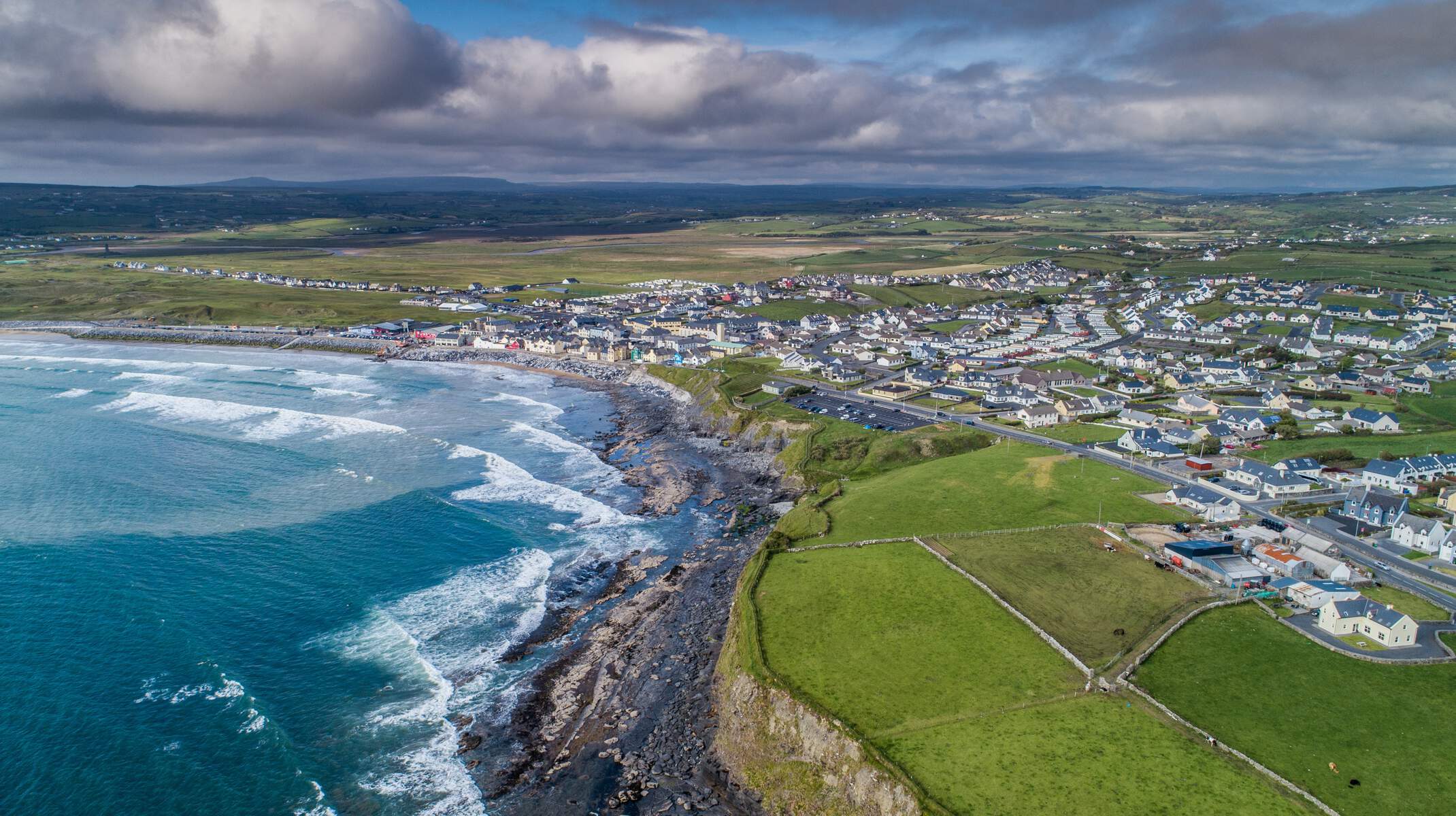
The Dealagh River is a modest yet picturesque watercourse threading the western landscape of County Clare, Ireland. Originating in the rolling hills south of Ennistymon, it flows westward until it meets the Inagh River on the grounds of the famed Lahinch Golf Club. From that confluence the combined waters continue a short journey to empty into Liscannor Bay at the seaside village of Lahinch. The river’s gentle meanders, limestone‑lined banks and clear, cool water make it a favourite spot for walkers, nature lovers and, above all, anglers seeking brown trout.
Geography & Environment
The Dealagh rises in the limestone‑rich hills that fringe the southern edge of the Burren, a classic karst landscape. Its course runs roughly 8‑10 km before joining the Inagh on the golf‑course estate. As a left‑bank tributary, the Dealagh contributes significantly to the Inagh River’s flow and to the estuarine system that drains into the Atlantic. The Inagh estuary, including the Dealagh’s lower reaches, is designated a Special Area of Conservation (SAC) because of its diverse salt‑meadow and dune habitats.
History & Landscape
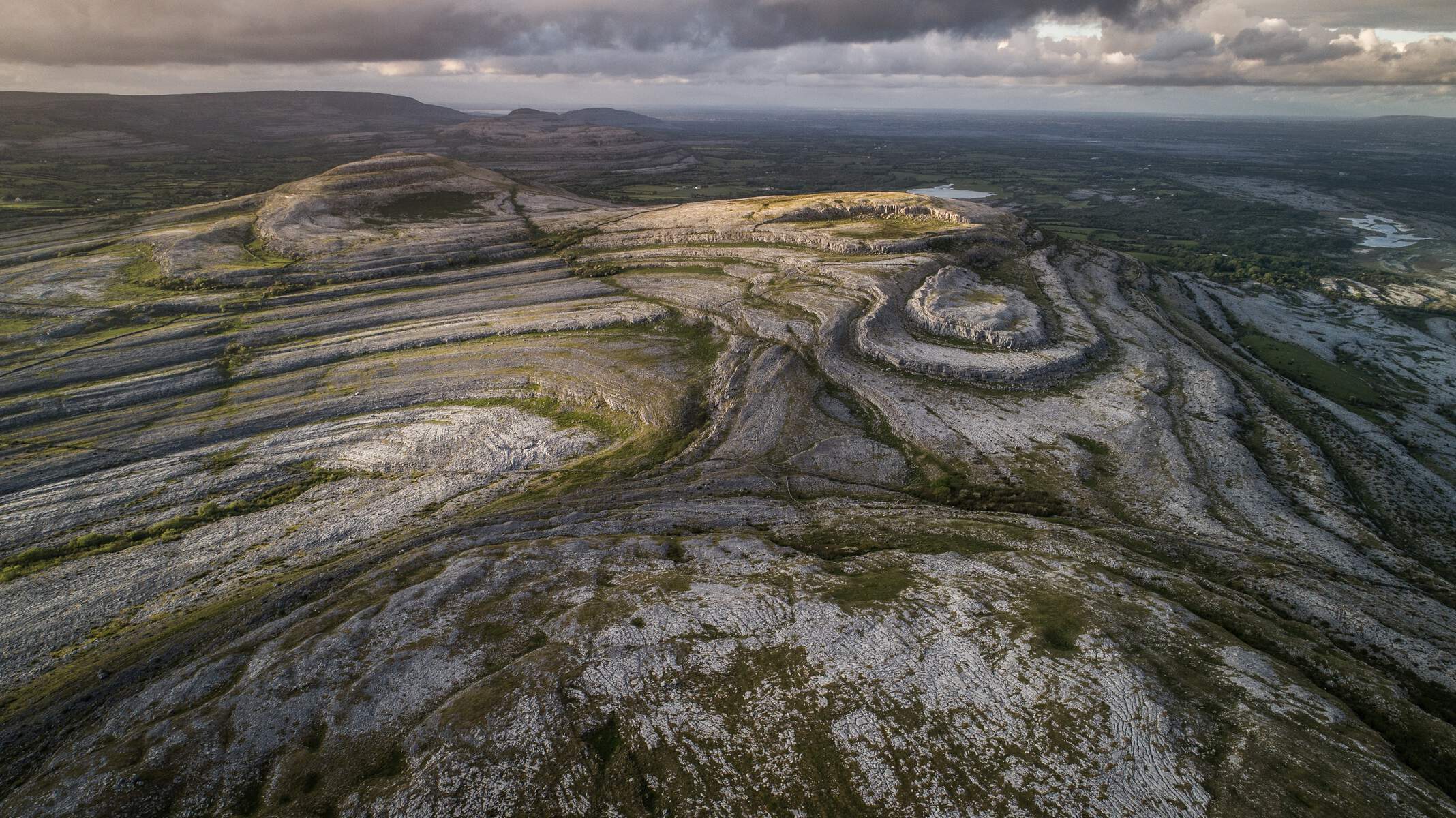
While the Dealagh does not boast a dramatic human history, its natural setting has shaped the surrounding communities for centuries. The river’s course runs through a landscape carved by ancient glaciation, leaving a patchwork of limestone pavements, scrubby heath and pockets of oak woodland. These habitats support a rich assemblage of wildlife, from kingfishers darting over the surface to otters that occasionally surf the quieter bends.
The river’s most notable historical footnote is its role in the development of Lahinch Golf Club. In the late 19th century, the club’s founders deliberately laid out the course around the river, using the waterway as a natural hazard and aesthetic feature. Today, the river still threads between the fairways, offering golfers a scenic backdrop and anglers a convenient access point.
Wildlife
The clear, oxygen‑rich waters support a healthy brown trout fishery and, historically, salmon runs (closed to fishing since 2024). Birdwatchers can spot kingfishers, grey herons and occasional wading birds along the banks. Otters are regular visitors, especially in the quieter stretches near the New Bridge crossing.
What to See & Do
Angling
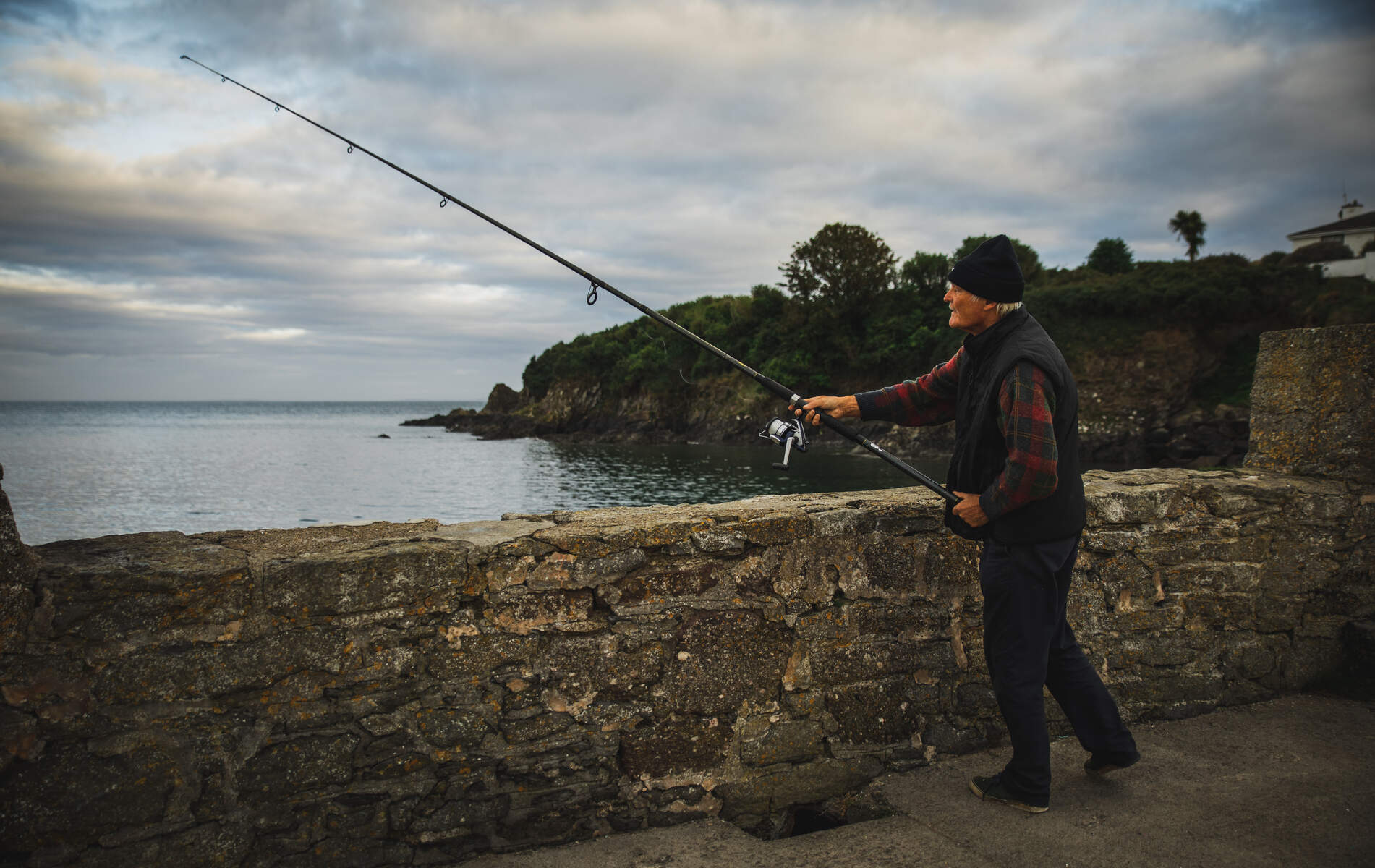
The Dealagh is celebrated for its trout fishery. From March through September the river holds a healthy run of brown trout, attracting both local and visiting anglers. The water’s steady temperature and abundant insect life create ideal feeding conditions. Anglers typically fish from the riverbank or wade into shallow sections, employing a range of fly‑casting techniques. No national licence is required for fishing on the privately owned stretches, but anglers should respect any posted signage and obtain permission where the river passes through privately owned fields.
| Activity | Season | Notes |
|---|---|---|
| Trout fishing | March – September | Best early morning; use dry flies or nymphs |
| River walking | Year‑round | Paths are informal; watch for livestock crossings |
Walking & Photography
The Dealagh’s banks provide a tranquil walking corridor, especially between the New Bridge crossing and the Lahinch Golf Club. Photographers will appreciate the interplay of light on the limestone, the occasional mist that rises from the water in cooler months, and the backdrop of the Atlantic‑facing cliffs near Liscannor Bay. The river’s estuary, where it meets the Inagh, offers a striking view of the bay’s tidal flats and the silhouette of the Cliffs of Moher on the horizon.
The route links conveniently with the Burren Way, a long‑distance trail that skirts the river’s upper reaches, allowing walkers to combine river scenery with the iconic karst landscape of the Burren.
Local Legend
At the Dealagh‑Inagh estuary, local folklore speaks of the lost underwater city of Kilstephen, said to lie on a reef beneath the tidal flats. The legend adds a touch of mystery to the already dramatic coastal scenery.
Nearby Attractions
- Lahinch Golf Club – A world‑renowned links course that incorporates the Dealagh as a natural water feature. Learn more on its Wikipedia page.
- Liscannor Bay – The river’s mouth opens onto this scenic bay, famed for the Kilstephen legend.
- Ennistymon – A short drive inland, this town offers additional trout fishing on the Cullenagh River and a range of cafés and craft shops.
- Clahane Beach – Just north of Lahinch, the beach provides a sandy counterpoint to the river’s green corridor.
- Burren Way – The long‑distance walking route passes near the river’s source, offering an extended hike through the Burren’s limestone landscape.
Practical Information
The Dealagh River is freely accessible; there is no admission fee and no formal opening hours. Parking is available at the New Bridge lay‑by and at the Lahinch Golf Club’s public car park (a small charge may apply during peak golf season). The river’s main crossing, New Bridge, is a narrow stone bridge that can be used by pedestrians and cyclists.
For anglers, the prime fishing period runs from March to September. While a national fishing licence is not required on the privately owned stretches, anglers should verify any local restrictions, especially if they plan to fish on adjoining public land. Seasonal water levels can vary; after heavy rain the river may swell, creating faster currents that are best avoided.
Public transport options are limited; the nearest bus stop is in Lahinch, served by regional routes linking Ennis and Galway. For those driving, the N67 road runs parallel to the river’s lower reaches, providing easy access to the New Bridge area and the Lahinch Golf Club.
The river’s surroundings are largely open and natural, offering limited facilities. Visitors should bring any required supplies, such as water, snacks, and appropriate fishing tackle. Restrooms are available at the Lahinch Golf Club and at the nearby Lahinch beach facilities.
Getting There
From Ennis, follow the N85 west to the R478, then continue on the N67 northward to Lahinch. The Dealagh can be reached on foot from the village centre by following signs to New Bridge. GPS coordinates for the river’s confluence with the Inagh at Lahinch Golf Club are approximately 52.94° N, 9.35° W, useful for those using a handheld navigation device.
The Dealagh River may be modest in length, but its blend of tranquil scenery, rewarding trout fishing and proximity to iconic Clare attractions makes it a worthwhile stop on any west‑coast itinerary. Whether you’re casting a line, strolling along its banks, or simply pausing to listen to the soft rush of water over limestone, the Dealagh offers a genuine taste of County Clare’s natural charm.