
Overview
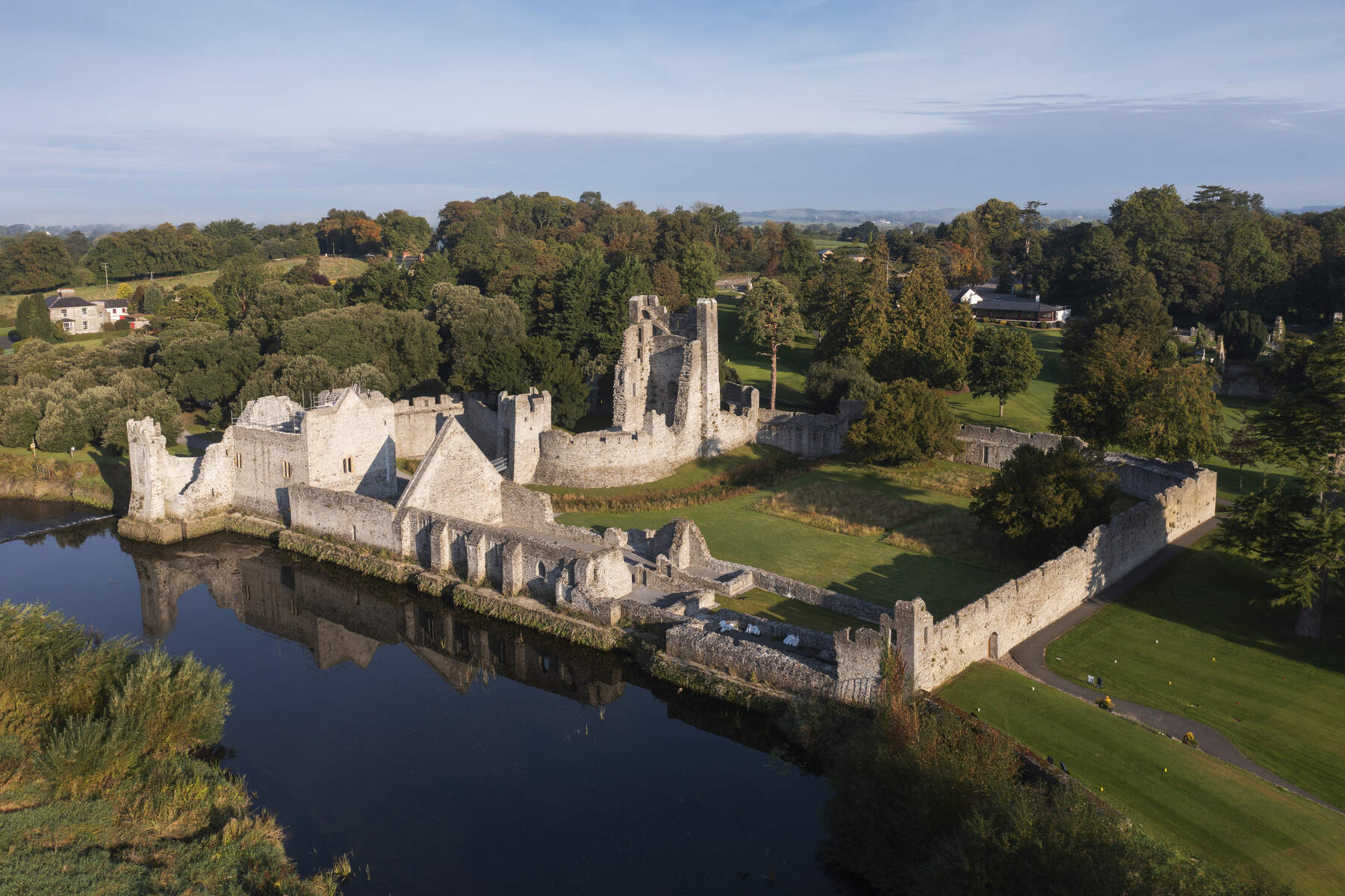
Desmond Hall, also known as Desmond Castle and Banqueting Hall, dominates the south side of Newcastle West’s main square. Managed by the Office of Public Works, this 15th‑century hall sits on the foundations of a 13th‑century castle built by Thomas “the Ape” FitzGerald. Its two‑storey stone structure, vaulted lower chamber and adjoining tower have survived centuries of conflict, making it one of the best‑preserved medieval banqueting halls in Ireland. The hall’s central location means visitors can combine a cultural stop with a stroll through the bustling market town, stopping for coffee or a bite at one of the nearby cafés.
History
The origins of Desmond Hall trace back to the 1200s when the FitzGerald Earls of Desmond erected a fortified castle on the site. By 1298 the complex featured curtain walls, defensive towers, thatched houses, cattle byres and fishponds. The original castle suffered repeated destruction – sacked in 1302, razed in 1315, and later caught up in the Desmond Rebellions of the late 16th century. In 1591 the Crown seized the property, granting it to Sir William Courtenay as part of the Munster Plantation. The hall itself was rebuilt in the 15th century as a grand venue for feasts and entertainment, a role it retained until the turbulent 17th century when it changed hands repeatedly, endured sieges, and was burned by Cromwellian forces.
The 18th‑century saw much of the original castle demolished to make way for Courtenay Castle, leaving the banqueting hall as the primary surviving element. A 19th‑century restoration introduced a replacement fireplace sourced from Kilmallock, and the hall later served as a Masonic hall and a cinema. After a fire in August 1922, the site fell into private hands until the state took over in 1989. Renovations led by the OPW began in 1990, restoring medieval features such as the oak musicians’ gallery and the limestone hooded fireplace that visitors admire today.
What to See & Do
- The Banqueting Hall – Walk the spacious two‑storey hall, noting the vaulted lower chamber and the adjoining tower that hint at the building’s defensive origins.
- Oak Musicians’ Gallery – The restored oak gallery once supported minstrels who played for lavish feasts. Its intricate carpentry offers a vivid glimpse of medieval entertainment.
- Limestone Hooded Fireplace – A striking 15th‑century fireplace dominates one wall, showcasing the craftsmanship of the period.
- Exhibition Area – Small displays present artefacts, interpretive panels and photographs that chart the hall’s turbulent history, from FitzGerald banquets to Cromwellian sieges.
- Photography – The hall’s stone arches, unusual corners and restored interiors provide excellent opportunities for both amateur and seasoned photographers.
- Guided Tours – Tours are limited to 15 visitors, lasting about 40 minutes. Guides weave stories of the FitzGerald dynasty, the Knights Templar myth, and the many battles that scarred the site. Their lively narration keeps children engaged and adults intrigued.
Practical Information
Desmond Hall operates a seasonal schedule. From 24 May to 29 August tours run daily between 10:00 am and 6:00 pm, with the last admission at 5:15 pm. Outside the summer window, visits are possible by prior arrangement for groups (September to May). All tours are free of charge, reflecting the OPW’s commitment to accessible heritage.
Getting there – The hall sits in the centre of Newcastle West, roughly 40 km from Limerick city and 65 km from Killarney, off the N21. It is a 30‑minute drive from Adare and reachable via Bus Éireann routes from Limerick or Tralee. On‑site parking and public toilets are available nearby.
Accessibility – The entrance is via a stone stairway, which can be challenging for visitors with mobility impairments. The OPW notes partial access for those with disabilities and recommends contacting them in advance to arrange suitable accommodations.
Contact – For enquiries, group bookings or accessibility requests, call +353 61 496 811. More information, including the latest opening times, can be found on the Heritage Ireland page linked above.
Nearby attractions – After exploring the hall, consider a walk to the Irish Palatine Heritage Centre, the Barnagh Greenway Hub, or the Limerick Greenway. The historic town itself offers charming shops, cafés and a lively market atmosphere, making a half‑day itinerary easy to assemble.
Duration – A typical visit, including the guided tour and time to peruse the exhibition, takes 1–2 hours. Adding a leisurely stroll through Newcastle West’s streets extends the experience without feeling rushed.