
Overview
Donacarney (Irish: Domhnach Cearnaigh) sits on the eastern edge of County Meath, a short drive north of Dublin and a stone’s throw from the historic town of Drogheda. The village forms part of the Laytown–Bettystown–Mornington–Donacarney urban area, which recorded a combined population of 15,642 at the 2022 census. Despite its modest size, Donacarney offers a blend of medieval heritage, modern community facilities and a growing network of active‑travel routes that appeal to families, history enthusiasts and outdoor lovers alike.
The settlement is anchored by a single Roman‑Catholic church – the Star of the Sea Church in the adjoining townland of Mornington – and a traditional pub that serves as a social hub for locals and visitors. Two co‑located schools, Réalt ná Mara Boys’ National School and Réalt ná Mara Girls’ National School, dominate the centre of the village and act as venues for community events.
History
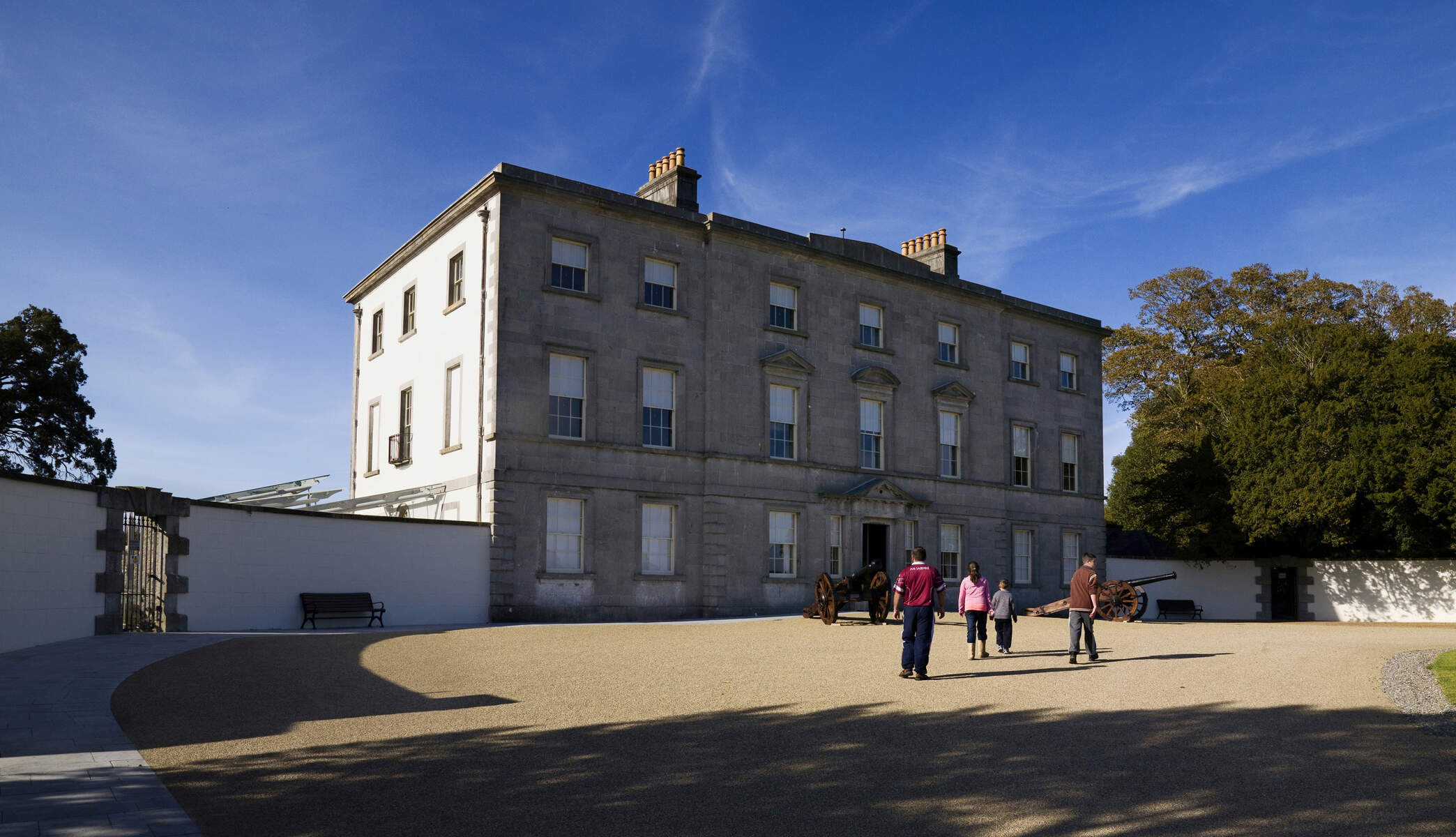
Donacarney’s recorded history stretches back to the early thirteenth century. A charter of Walter de Lacy (1230‑34) lists the area as part of the lands granted by his father Hugh, confirming the village’s early ecclesiastical connections. Throughout the medieval period the lands formed part of the manor of Colpe, held by the Augustinian Abbey at Colp, a cell of the Welsh Llanthony Priory.
The most tangible reminder of this past is the ruin of a late‑medieval tower house, locally known as “Draycott’s Castle”. Described in the Down Survey (1654‑56) as “an ould Castle”, the stone remains sit close to Donacarney Cross and appear on a 1771 map. The tower house likely suffered damage during the 1641 rebellion and later fell into ruin, but its silhouette still dominates the local landscape, offering a glimpse into the turbulent era of Anglo‑Irish lordship.
In the eighteenth century Donacarney entered the national spotlight through the famous Annesley v Earl of Anglesey case (1743). The dispute over the ownership of lands in Great and Little Donacarney formed part of a broader legal battle that inspired Robert Louis Stevenson’s novel Kidnapped.
What to See & Do
Medieval Tower House
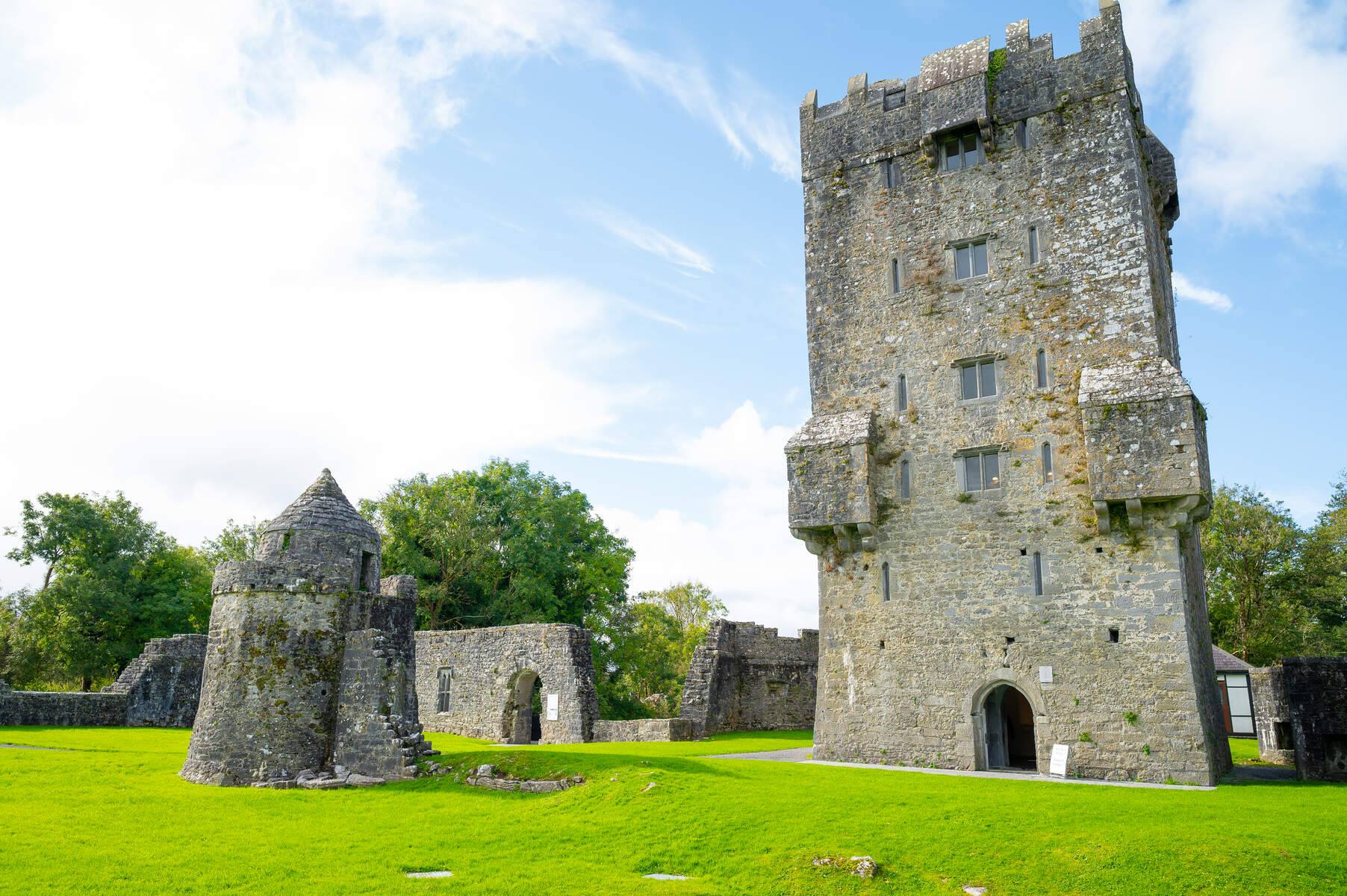
The tower house ruins are accessible from the main road at Donacarney Cross. While there is no formal visitor centre, the site is free to explore and provides excellent photographic opportunities, especially at sunrise when the stone walls catch the soft light.
Star of the Sea Church (Mornington)
Just beyond the village limits, the Star of the Sea Church serves the half‑parish of Mornington. Its modest façade and tranquil interior make it a pleasant stop for those interested in local religious heritage.
Local Pub
The village’s pub offers a warm atmosphere where you can sample a pint of Irish stout and chat with residents about the area’s history and recent developments.
Active‑Travel Network
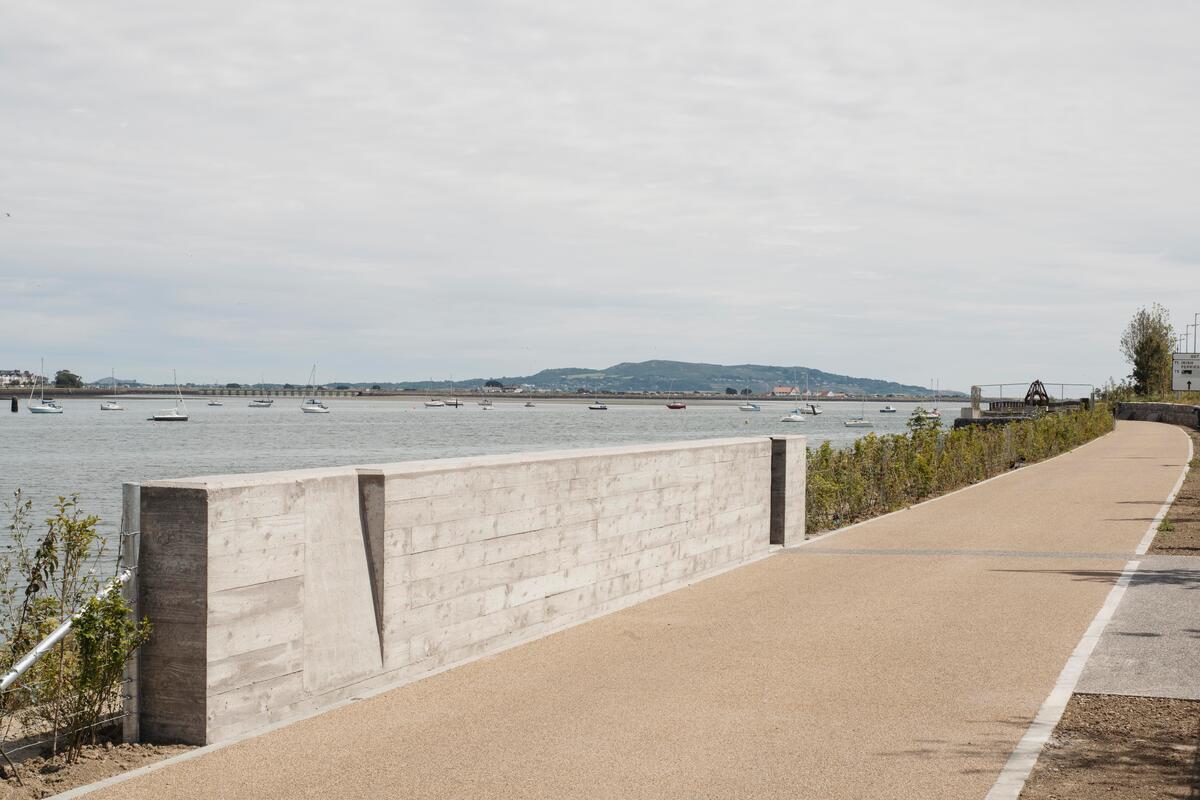
Donacarney has invested heavily in safe walking and cycling infrastructure. In 2026 Meath County Council, An Taisce and the National Transport Authority opened two key schemes:
- Donacarney Footpath and Cycleway – an 800‑metre shared‑space link that connects the residential area of Eastham Road with the Réalt ná Mara schools and extends toward Bettystown. The route is surfaced for both pedestrians and cyclists and includes bright pencil bollards and a car‑free roundabout at the school entrance.
- Safe Routes to School Initiative – a series of traffic‑calming measures and new cycle‑parking facilities around the school campus, designed to encourage children and parents to travel on foot or by bike.
These improvements have already transformed daily commutes for over 800 students and are popular with families using the route for weekend recreation.
Future Greenway Potential
Local councillors are lobbying for a footpath that links Donacarney with the neighbouring village of Colpe. If realised, the route would create a continuous, traffic‑free corridor from the inland village to the coastal beach at Colpe, potentially forming part of a larger Meath greenway network.
Family‑friendly facilities
- Parking – free car parking is available beside the schools and near the village pub. Spaces are limited during school hours.
- Restrooms – public toilets are located within the school grounds (open to visitors during daylight) and at the pub.
- Accessibility – the new footpath and cycleway feature smooth surfaces and gentle gradients, making them suitable for wheelchair users, push‑chairs and cyclists of all abilities.
Getting there
By car – The quickest route is via the M1 motorway, exiting at the Drogheda junction and following the R132 northward. Donacarney lies roughly 30 km (20 mi) from Dublin Airport.
Public transport – The nearest railway station is Drogheda, with regular services to Dublin and Belfast. Local bus services link Donacarney with Laytown, Bettystown and Mornington; timetables should be checked in advance.
Nearby attractions
- Bettystown Beach – a short drive or cycle ride away, ideal for a seaside walk or a dip in the Irish Sea.
- Laytown – famous for its annual horse‑racing on the beach and historic railway station.
- Mornington – home to the Star of the Sea Church and a pleasant promenade.
- Drogheda – explore medieval walls, St. Peter’s Church and the Battle of the Boyne Visitor Centre.
- Bective Abbey – a well‑preserved Cistercian ruin set in tranquil parkland, just a few kilometres inland.
Further reading
For a concise overview, see the Wikipedia entry on Donacarney. Travel‑planning tools are available on Triphobo’s Donacarney page.
Donacarney may be small, but its blend of medieval ruins, modern active‑travel routes and genuine village hospitality makes it a rewarding stop for anyone touring east Meath.