
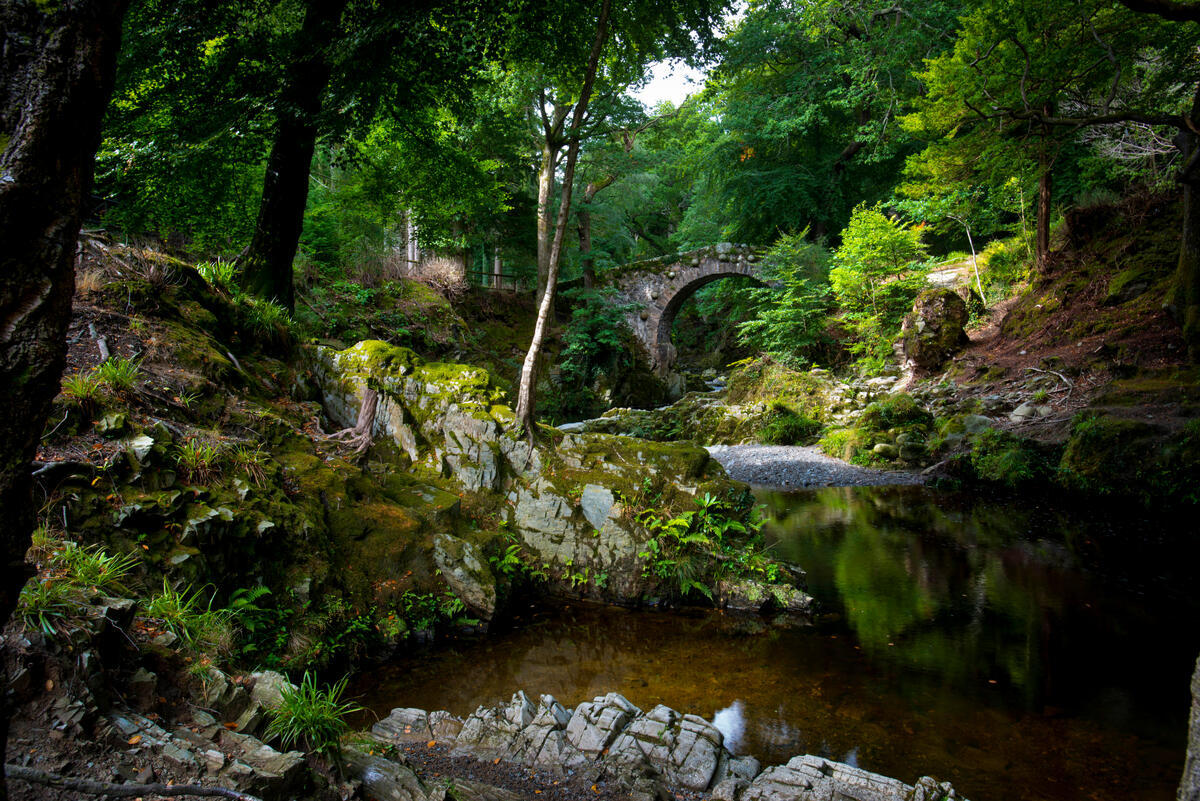
Overview
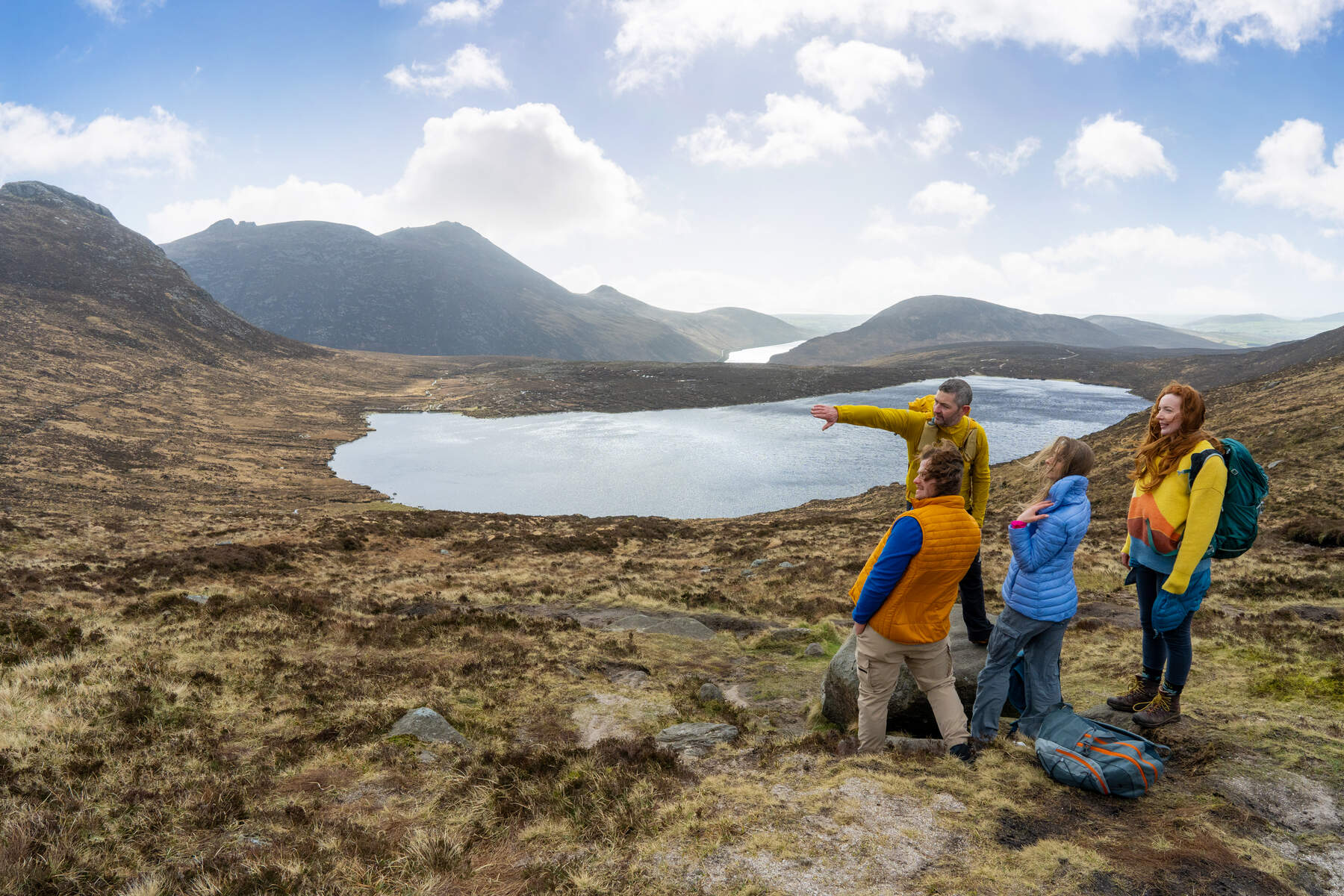
The Dromara Hills sit on the southern edge of County Down, forming a gentle, rolling upland that links the Lagan Valley lowlands with the dramatic backdrop of the Mourne Mountains. Open plateaux, bracken‑covered slopes, pockets of broad‑leaf woodland and a network of streams that feed the River Lagan give the area a tranquil, unspoilt feel, making it popular with walkers, nature lovers and photographers.
The highest point is Slieve Croob (534 m), known locally as the Twelve Cairns because of an ancient burial cairn that legend says holds the remains of twelve kings. On a clear day the summit offers 360° panoramas across six counties, including Lough Neagh, the Sperrin range, Belfast Lough and the distant Irish Sea.
History & Folklore
The hills are the product of millennia of geological activity. Sedimentary and volcanic‑inspired rock layers, together with glacial erosion, created the rounded ridges and drumlins that dominate the terrain. Soils range from clay‑rich patches that support lush grasses to light, calcareous outcrops where wildflowers such as bird’s‑foot‑trefoil and dune gentian thrive.
Human history is etched into the landscape. Field boundaries, stone walls and the ancient cairn on Slieve Croob testify to Bronze‑Age ritual use of the summit. Local folklore records a Lughnasa harvest celebration (also called Cairn Sunday) each August, when villagers would carry a stone up the hill to add to the cairn – a symbolic act of honouring the twelve kings. The hill is also the source of the River Lagan, a spring that bubbles from boggy ground marked by white tufts of bog cotton. The river’s 52‑mile journey to Belfast later powered linen mills and shipyards, linking the quiet hills to the industrial heart of the province.
What to See & Do
The Slieve Croob ‘Twelve Cairns’ Walk
The most popular route begins at Dree Hill car park (59 Dree Hill, Dromara BT25 2EF). From the car park, follow the tarmac road past a small sculpture called the Source of the River Lagan and continue up the Dree Hill road. After about 1.5 km you’ll turn onto the concrete lane known as The Pass Loaning, which gives access to the northern slopes of Slieve Croob. Way‑markers guide you to the Transmitter Road; a left turn leads to the summit, while a right turn returns you to the car park.
| Item | Details |
|---|---|
| Distance | 6.5 mi (11 km) |
| Estimated time | 3.5 hours |
| Start / Finish | Dree Hill car park |
| OS map reference | J300453 (Sheet 20) |
At the summit you’ll find a triangulation pillar beside the Bronze‑Age cairn. The cairn remains a popular spot for visitors to add a stone – a living continuation of the ancient custom. The view is truly 360°, with Lough Neagh to the west, the Sperrins to the north, Belfast and its iconic shipyard cranes to the east, and the Mournes on the horizon.
Wildlife and Wildflowers
Spring brings a carpet of heather, ferns and meadow grasses. Look for bog asphodel in the wetter hollows and orchids on the drier limestone ledges. Birdwatchers can spot raptors soaring over the open moorland, woodland songbirds in the forested sections, and water‑loving species near the river’s source. The mix of habitats – from boggy streams to dry heath – supports a surprisingly diverse fauna for such a compact area.
Access & Parking
The Dromara Hills are freely accessible; there is no admission fee and no formal opening hours. Parking is available at the Dree Hill car park, which provides a modest number of spaces beside a stone‑walled picnic area. The main ascent follows a tarmac road that can become muddy or wet near the summit, so sturdy footwear with good grip is advisable. The final stretch to the cairn involves three stiles and uneven grass – a short, slightly slippery climb, particularly after rain.
Because much of the area is private farmland, keep an eye out for farm gates and respect any signage. Dogs should be kept under control, especially during lambing season, and always stay on marked paths to protect delicate plant communities and avoid disturbing livestock.
Seasonal Highlights
- Lughnasa (Cairn Sunday) – August: Traditionally, locals carried a stone up the hill to add to the cairn. While the formal celebration has faded, the hill remains a gathering point for families and walkers during the August bank holiday, offering a chance to experience a living piece of folklore.
- Autumn Colours – September to October: Bracken and heather turn golden, providing striking backdrops for photography and gentle walks.
- Winter Walks – December to February: Snow‑capped peaks are rare but occasional frost‑kissed vistas give the hills a quiet, dramatic atmosphere. Remember that paths may be icy.
Nearby Attractions
While exploring the Dromara Hills you may also wish to visit:
- Ballygowan – a nearby village with a range of B&Bs and a pleasant lakeside walk.
- Ballyalton – home to the Court Cairn, a well‑preserved Neolithic burial monument.
- Ballynahatty – features the famous henge and surrounding river landscape.
- Legananny Dolmen – a prehistoric portal tomb a few miles from Slieve Croob, visible from the Dree Hill car park sculpture area.
Photography
The hills provide classic photographic moments: sunrise over the High Ridge Overlook, the contrast of light and shadow at the Woodland Edge, and reflective pools in the Stream Corridor after rain. Early morning mist often weaves through the valleys, creating ethereal scenes that are especially rewarding for landscape photographers.
Practical Information
The Dromara Hills are freely accessible; there is no admission fee and no formal opening hours. Parking is available at the Dree Hill car park, which offers a few spaces beside a stone‑walled picnic area. The main ascent to Slieve Croob follows a tarmac road that can become muddy or wet near the summit, so sturdy footwear with good grip is advisable. The final stretch to the cairn involves three stiles and uneven grass – a short, slightly slippery climb, particularly after rain.
Because the area is largely private farmland, keep an eye out for farm gates and respect any signage. Dogs should be kept under control, especially during lambing season, and always stay on marked paths to protect delicate plant communities and to avoid disturbing livestock.
For those staying in the vicinity, the nearby village of Dromara offers a range of cosy B&Bs and self‑catering cottages that blend modern comforts with traditional stone architecture. Local pubs serve hearty, farm‑to‑table meals – a perfect way to end a day of walking.
The Dromara Hills are also well‑suited to family outings; shorter loops such as the Woodland Circuit or the Stream‑side Loop are gentle enough for children while still offering chances to spot wildlife and learn about the local geology.