
Overview
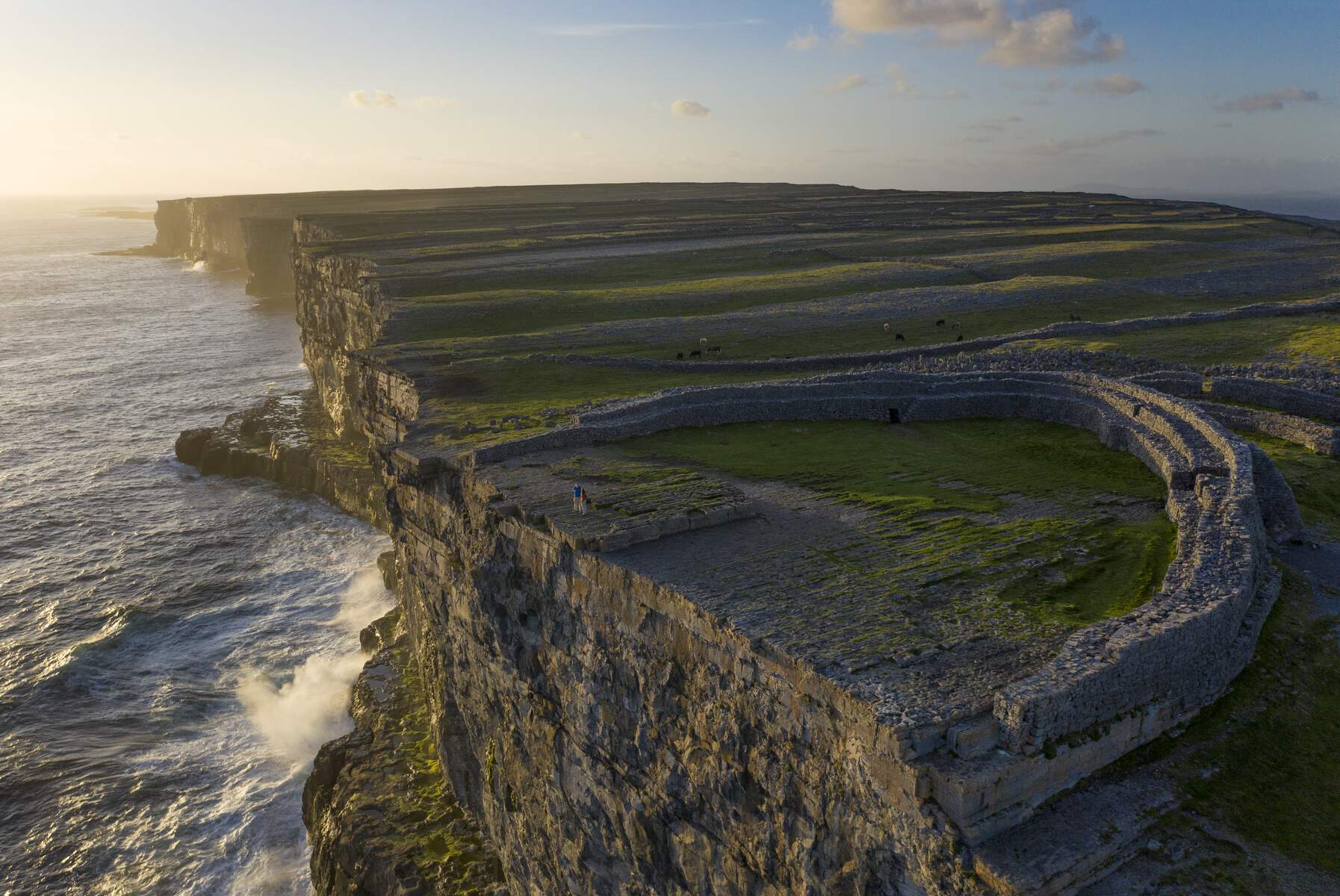
Dún Aonghasa (commonly written Dun Aengus) dominates the western horizon of Inis Mór, the largest of the Aran Islands. Perched on a sheer sea‑cliff 100 metres above the Atlantic, the fort offers one of the most dramatic archaeological experiences in Ireland. Its four concentric drystone walls enclose roughly 6 hectares (about 14 acres) and are punctuated by a chevaux‑de‑frise – a forest of jagged limestone spikes that once deterred invaders. From the ramparts you can see up to 120 km of coastline, including the other Aran islands, Galway Bay and the Connemara mountains.
History
The exact date of construction remains a mystery, but excavations show activity from as early as 1100 BC. The earliest phase involved piling rubble against upright stones to create a modest enclosure. By around 500 BC a triple‑wall defence had been added, and later Iron‑Age builders raised the outer wall to six metres in height. Archaeologists have uncovered bronze‑casting moulds, burial sites and domestic artefacts, indicating the fort was more than a military outpost – it likely served ceremonial and religious functions for the ancient Fir Bolg people. A 19th‑century brooch and a 2020 RTÉ documentary both suggest the site was continuously re‑used, even into the early medieval period (AD 700‑800).
What to See & Do
- Four concentric walls – Walk the reconstructed sections (distinguishable by mortar) and imagine the original dry‑stone technique.
- Chevaux‑de‑frise – The defensive belt of upright limestone spikes stretches from cliff to cliff, a rare surviving example of prehistoric fortification.
- The mysterious rectangular slab – A massive stone slab sits within the inner enclosure; its purpose is still debated.
- Interpretive centre – A small museum near the visitor centre (Kilmurvey) displays artefacts, models of the original fort, and a short film on the site’s history.
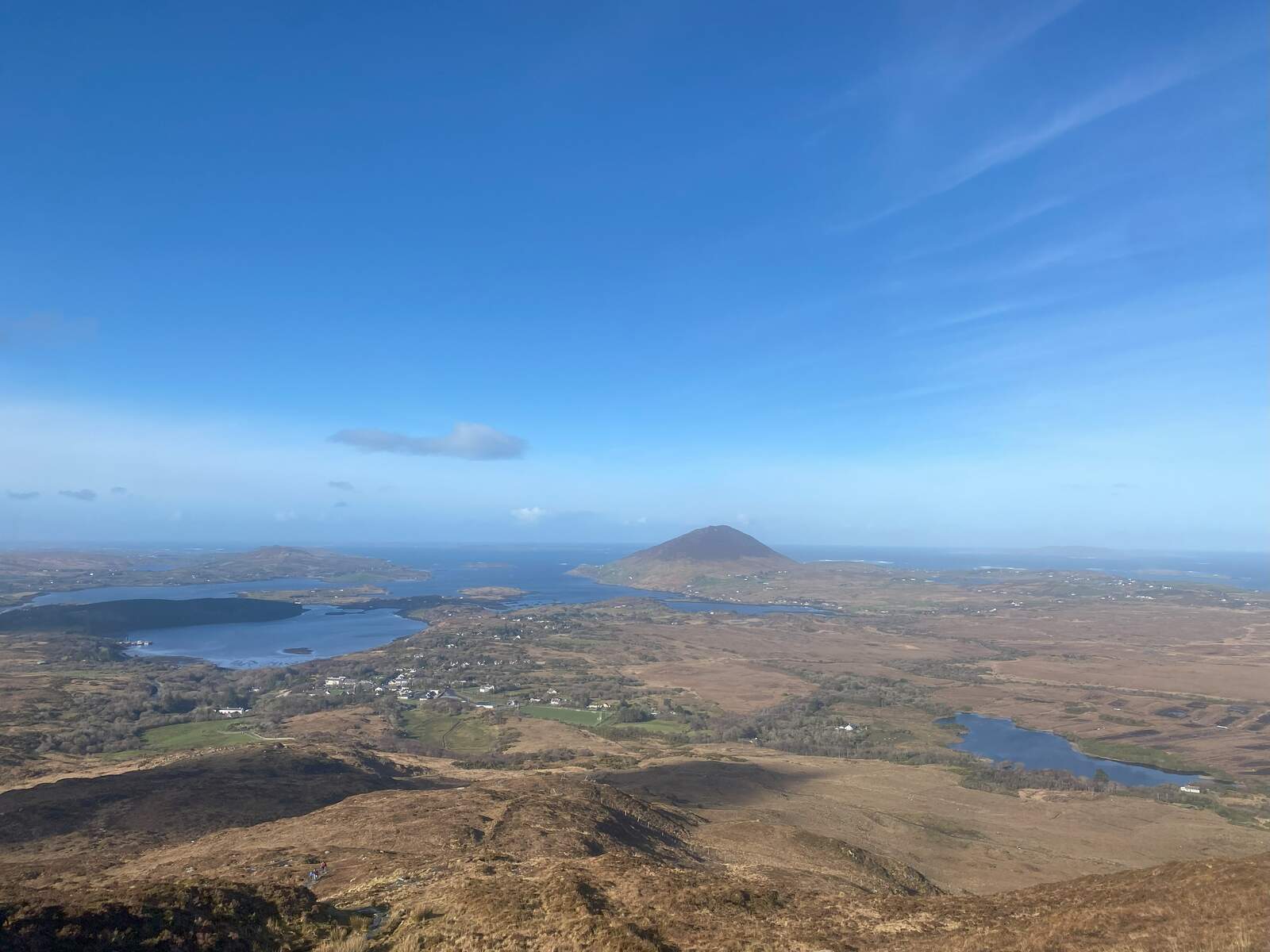
- Panoramic views – On clear days you can spot the islands of Inis Oírr and Inis Meáin, the rugged Connemara coastline, and the distant silhouette of the Cliffs of Moher.
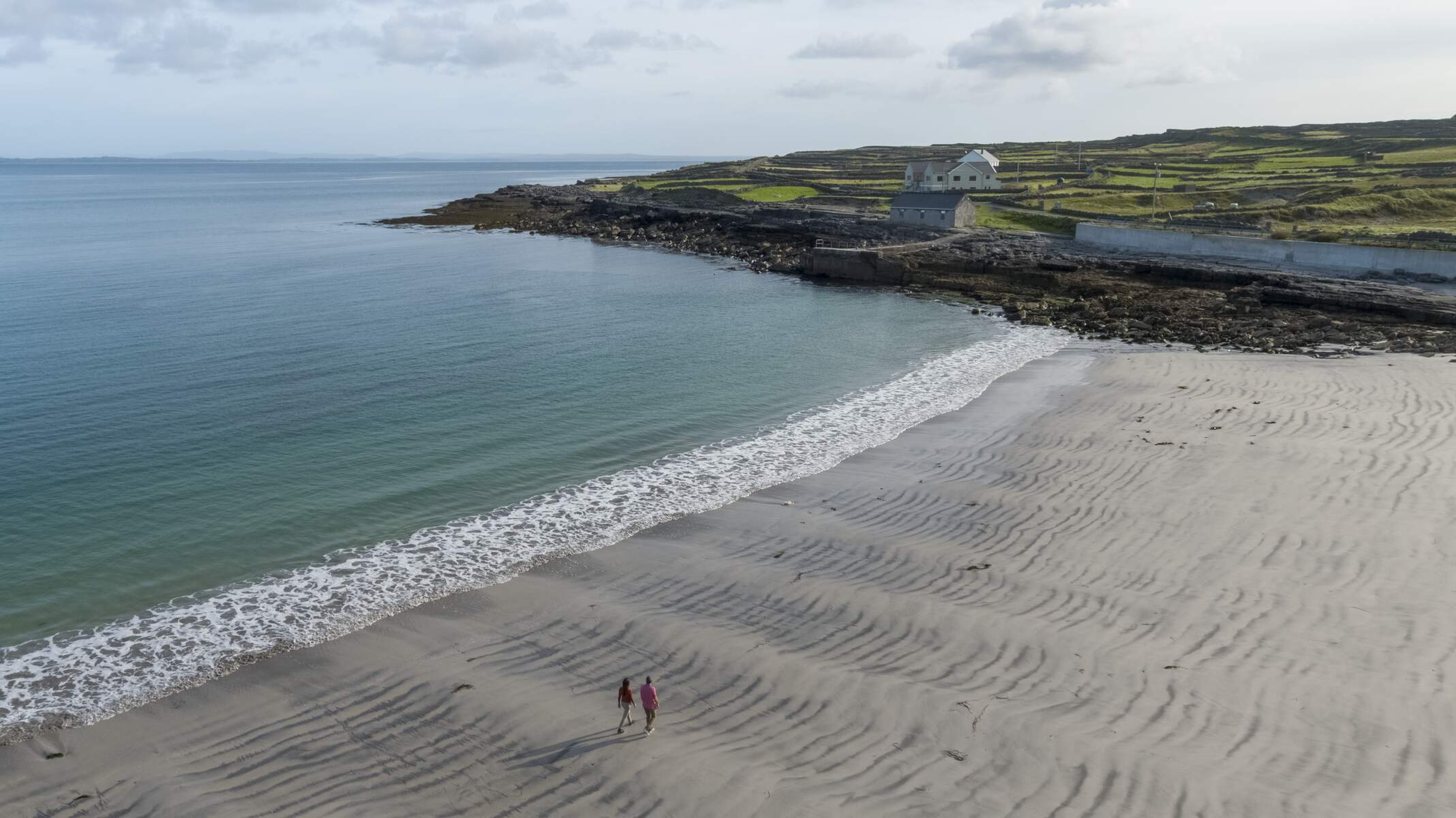
- Nearby attractions – After exploring the fort, head to the Wormhole (Poll na bPeist), Kilmurvey beach, or the traditional thatched cottage Teach Nan Phaidi for a bite.
Practical Information
Dún Aonghasa is managed by the Office of Public Works (OPW). The site is open year‑round with seasonal opening hours (see table below). The visitor centre is about 1 km from the fort; the final stretch of the path is rough, natural rock, so sturdy footwear is essential. There is no fence at the cliff edge, and the drop is roughly 87 metres, so keep a safe distance, especially with children.
Opening Hours
| Season | Times |
|---|---|
| January – March | 09:30 – 16:00 |
| April – October | 09:30 – 18:00 |
| November – December | 09:30 – 16:00 (closed 24‑30 Dec) |
Admission
| Category | Price |
|---|---|
| Adult | €5.00 |
| Group / Senior | €4.00 |
| Child / Student | €3.00 |
| Family (2 adults + 2 children) | €13.00 |
| Free with overnight stay in participating Inis Mór accommodation | Yes |
Getting There
- Ferry – Regular services run from Galway (Rossaveal) and Doolin (County Clare) to the pier at Kilronan, the main village on Inis Mór.
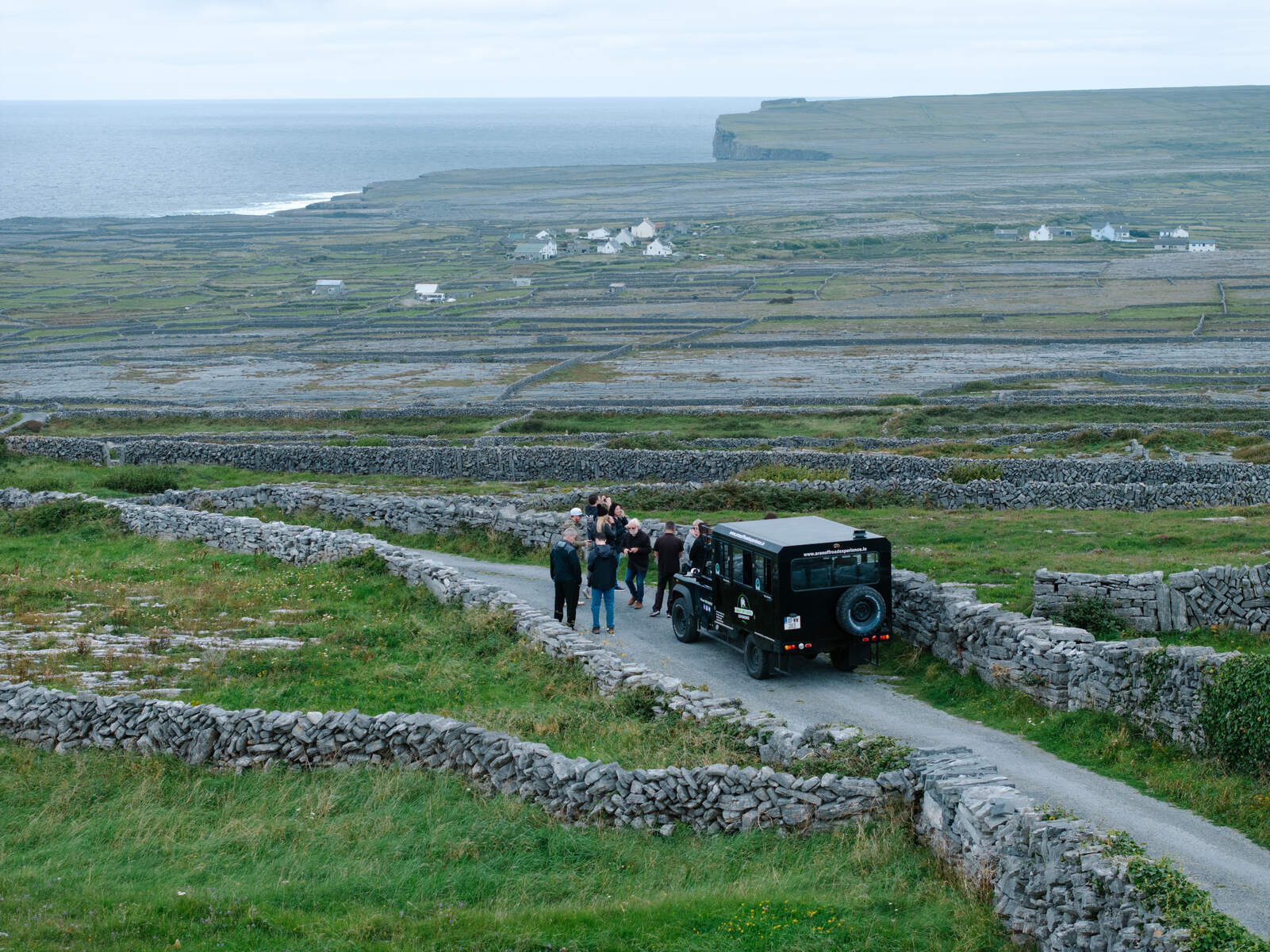
- From the pier – You can hire a bicycle (20‑30 min ride to the visitor centre), take a horse‑drawn trap, or walk (about 1 hour 45 min to the fort). Taxis are also available for a 12‑minute drive to the centre.
- Parking – Bicycle parking is provided at the visitor centre; there is no car parking on the cliff site itself.
Facilities The visitor centre offers toilets, a café, a gift shop, and a small exhibition space. Temporary bathrooms remain open while the main centre undergoes refurbishment (expected to reopen with a new exhibition in 2026). Card payments are accepted, and guided tours can be booked on‑site.
Restrictions
- Drones are prohibited to protect the tranquillity of the site and the safety of visitors.
- Dogs are allowed on a lead.
- The walk is uneven; it is not suitable for wheelchairs or pushchairs.
Nearby Sites While you’re on Inis Mór, consider visiting the Neolithic tomb at Kilmurvey, the thatched cottage Teach Nan Phaidi, or the historic St Enda’s church at Killeany. A short ferry ride takes you to the smaller islands of Inis Oírr and Inis Meáin, each offering their own ancient monuments and coastal walks.
Film & Culture Dún Aonghasa featured in the 2022 film The Banshees of Inisherin, adding a cinematic allure to the already‑magical landscape. The fort’s stark silhouette against the Atlantic has also inspired countless photographers and painters.
Plan Your Visit Arrive early in the day to avoid the busiest periods, especially in summer. The site is free to explore once you’ve paid the entry fee at the centre, and the walk takes roughly 20‑30 minutes each way. Bring a water bottle, as there are no drinking fountains on the cliff. If you stay overnight on the island, you can enjoy free admission and a quieter experience.
Enjoy the sense of standing on the edge of the world – Dún Aengus is not just a ruin, it’s a portal to Ireland’s deep past, offering both awe‑inspiring scenery and a tangible connection to the people who once called these windswept cliffs home.