
Overview
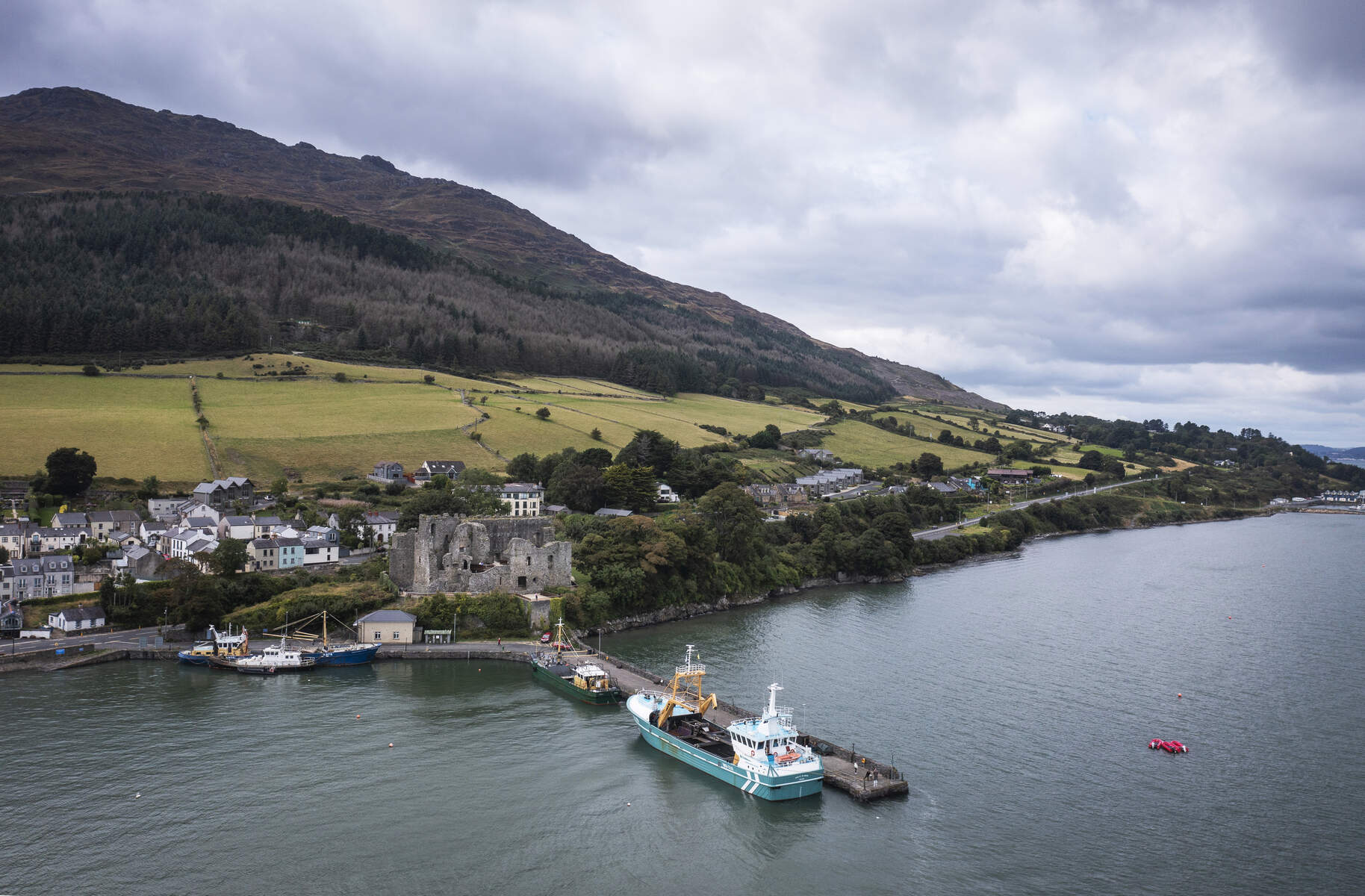
Dundalk sits on the Castletown River at the mouth of Dundalk Bay, roughly halfway between Dublin and Belfast. With a 2022 population of 43,112, it is the seventh‑largest urban area in the Republic of Ireland and the twelfth on the island. Known historically as the “Gap of the North”, the town has long been a gateway between the provinces of Leinster and Ulster, a role that still shapes its vibrant cultural life today. Visitors will find a compact town centre built on an 18‑century street plan, a lively Market Square, and easy access to the scenic Cooley Peninsula
History
Archaeological evidence shows the Dundalk district was first inhabited around 3700 BC, with sites such as Proleek Dolmen (c.3000 BC) and the Giant’s Grave testifying to a deep prehistoric past. The name Dún Dealgan – “the fort of Dealgan” – appears in the Annals of Ulster in 1002 when Brian Boru met the King of Ulster there. In the 12th century Norman settlers, led by Bertram de Verdun, established a stronghold that became the northernmost outpost of The Pale. The modern street layout owes its form to James Hamilton, 1st Earl of Clanbrassil, in the early 1700s.
During the 19th century Dundalk flourished as a manufacturing hub, producing linen, tobacco, whisky and engineering goods, and it became a key railway and maritime link. The town suffered setbacks after the 1921 Partition and the later Anglo‑Irish trade war, but the late‑20th and early‑21st centuries saw a resurgence driven by technology, pharmaceuticals and specialist foods. Today, Dundalk balances its industrial heritage with a thriving arts scene centred on venues such as An Táin Arts Centre and the Oriel Centre.
What to See & Do
- Seek Urban Art Murals – A self‑guided walk around Market Square reveals a colourful outdoor gallery that tells the story of Dundalk’s past and present. Guided tours are available on the first Friday of each month (book via the Tourist Office).
- County Museum Dundalk – Housed in a beautifully restored late‑18th‑century distillery at Roden Place, the museum presents the story of County Louth from the Stone Age to today across three galleries. It also features a 72‑seat theatre for concerts and film screenings.
- An Táin Arts Centre – Located in the historic Town Hall, this 350‑seat theatre, studio space and visual‑arts gallery hosts a diverse programme of local and national productions.
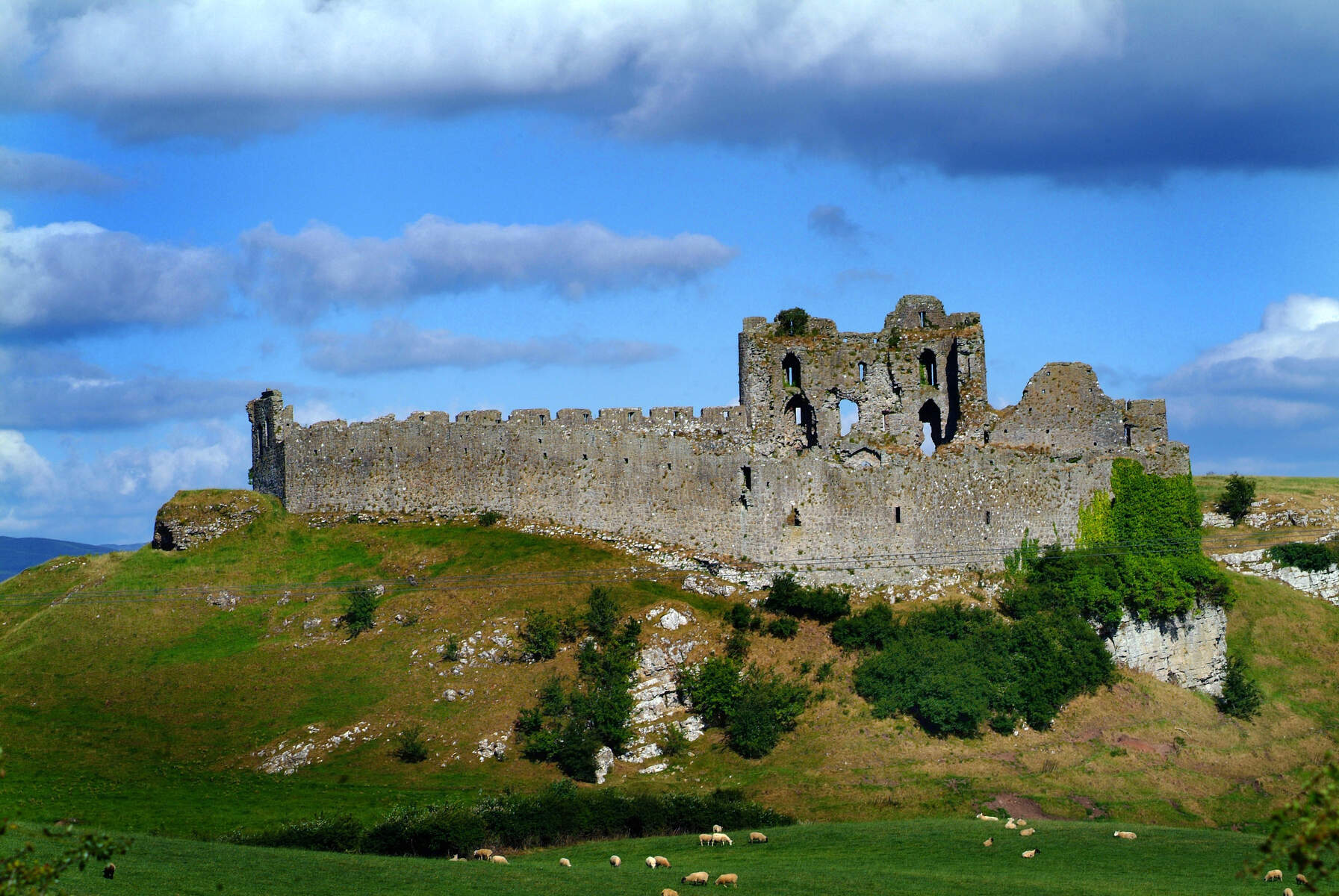
- Castle Roche – An impressive Anglo‑Norman fortress built in 1236 by Lady Rohesia de Verdun. The ruin offers panoramic views of the surrounding countryside. Note: there is no car park; visitors must park on the roadside and access the site via farm gates.
- Dún Dealgan Motte (Cú Chulainn’s Castle) – The earthwork mound that legend says was the stronghold of the mythic hero Cú Chulainn. It is free to explore and provides excellent photo opportunities.
- Proleek Dolmen – A 4,000‑year‑old portal tomb on the grounds of Ballymascanlon House. Local folklore claims a wish is granted to anyone who can place a pebble on the capstone without it rolling off.
- St Patrick’s Church – Designed by Thomas Duff and opened in 1847, this Gothic‑style church boasts a striking bell tower added in 1903 and an interior of granite pillars and vaulted ceilings.
- Dundalk Stadium – Ireland’s only all‑weather horse‑racing track, also hosting greyhound racing. Packages range from general admission to dining in The View restaurant with views of the Cooley Mountains.
- Dundalk Golf Club – An 18‑hole parkland course with sea‑to‑mountain vistas, designed by Peter Alliss.
- Market Square & Kelly Monument – The heart of the town, where Bill Clinton addressed a crowd of 60,000 in 2000. The monument commemorates the 1858 rescue of the Mary Stoddart crew.
- Dundalk Railway Station (Clarke Station) – Opened in 1894, this award‑winning station houses a small museum and was a filming location for Disney’s Disenchanted (2021). Ticket office hours are listed below.
- Dundalk Craft & Farmers Market – Held Fridays from April to October in Market Square, showcasing handmade crafts, local food and live music.
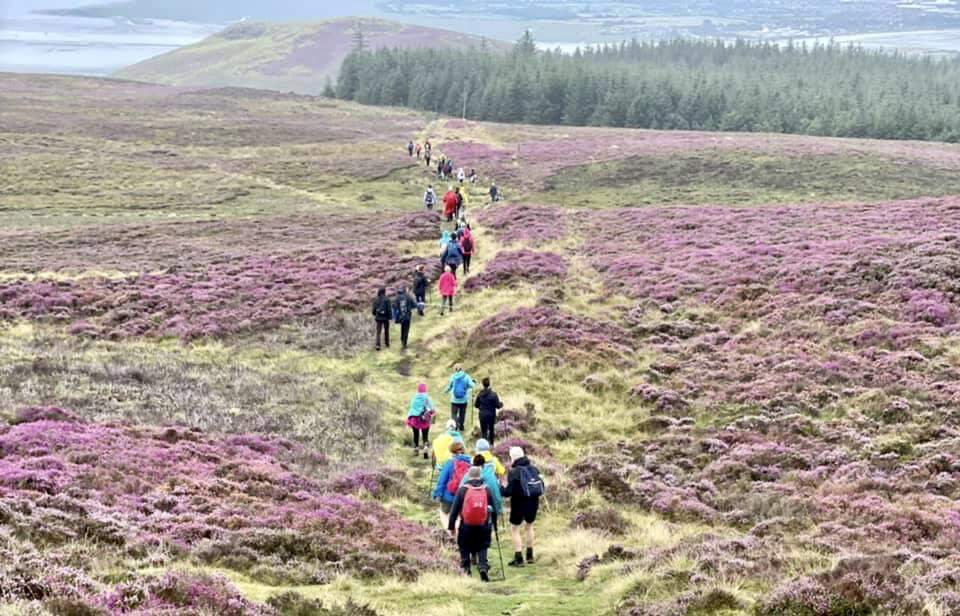
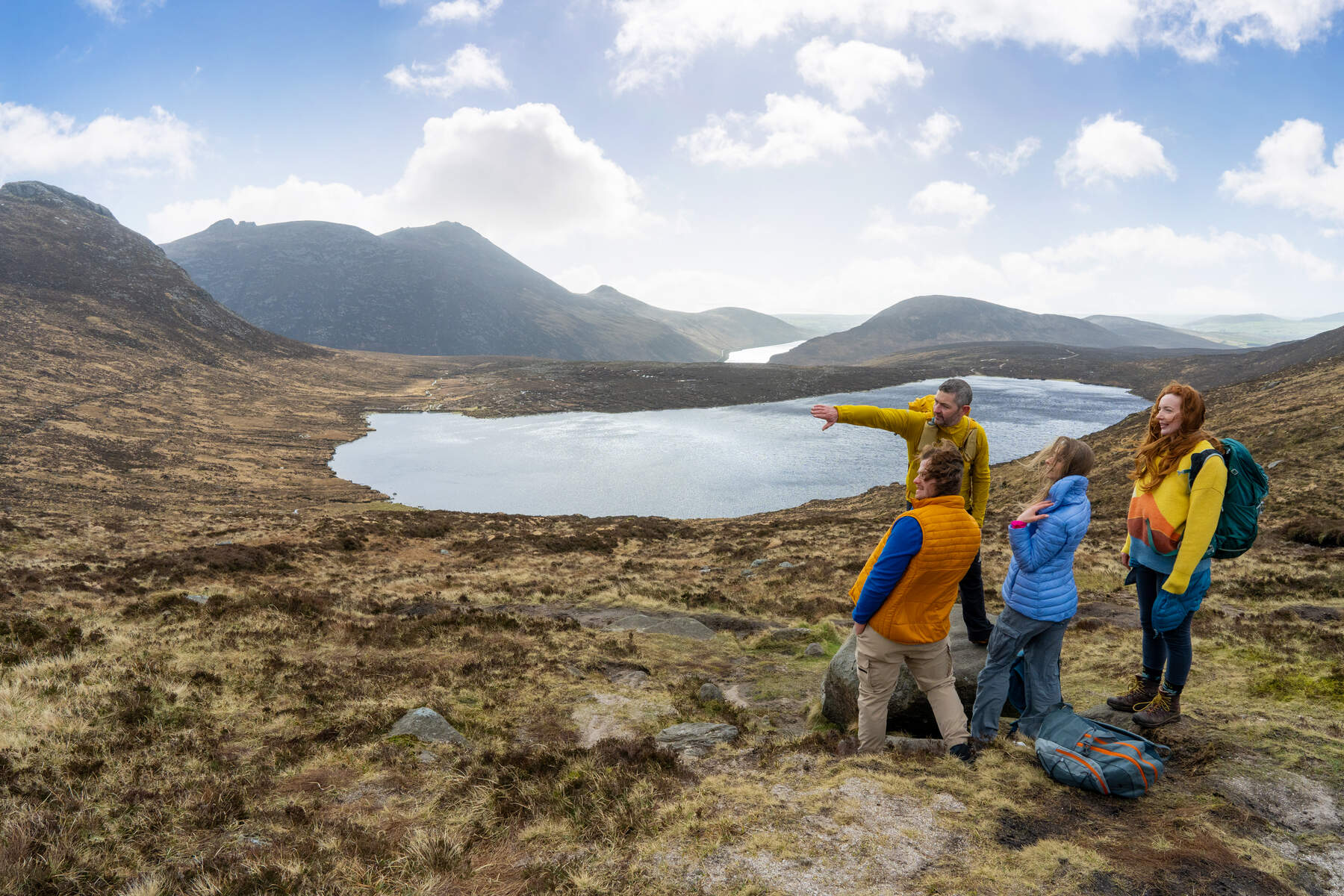
- Outdoor pursuits – Walks in Ravensdale Forest, Stephenstown Pond, or a short drive to the Cooley Peninsula for coastal hikes.
Practical Information
Getting Here
- Train – The Enterprise service runs hourly between Dublin Connolly and Belfast, stopping at Dundalk (approx. 90 min from Dublin). The station ticket office is open Mon‑Fri 5:30 am‑6 pm, Sat 7 am‑5 pm, Sun 10:30 am‑2:30 pm.
- Bus – Bus Éireann operates the Long Walk bus station with local routes (174, 174A, 174B) and inter‑city services to Dublin, Galway and Newry.
- Car – The M1/N1 (A1) links Dundalk to Dublin (≈1 h) and Belfast (≈1 h).
- Air – Dublin Airport is 45 minutes away; Belfast International is under an hour via the M1.
Visitor Services
| Service | Opening Hours | Contact |
|---|---|---|
| Dundalk Tourist Office (Market Square) | Mon‑Fri 10:00‑16:00 | +353 429 352 111 |
| County Museum Dundalk | Open daily; check website for seasonal times | https://www.discoverireland.ie/louth/county-museum-dundalk |
| Dundalk Railway Station Ticket Office | Mon‑Fri 5:30‑18:00, Sat 7‑17:00, Sun 10:30‑14:30 | https://www.irishrail.ie |
Admission – Most heritage sites such as the Seek murals, Castle Roche, Dún Dealgan Motte, Proleek Dolmen and the County Museum are free of charge. The An Táin Arts Centre and Dundalk Stadium charge admission according to the event.
Parking – Town‑centre parking is available on‑street and in public car parks near the Market Square. Castle Roche has roadside parking only; visitors should be prepared for a short walk on uneven ground.
Accessibility – The Tourist Office and County Museum provide wheelchair‑friendly access. The railway station offers step‑free routes to platforms. Some historic outdoor sites (e.g., Castle Roche, Proleek Dolmen) have limited accessibility due to terrain.
Useful Links
- Official tourism site: https://www.visitlouth.ie
- Discover Ireland – Dundalk page: https://www.discoverireland.ie/louth/dundalk
- An Táin Arts Centre: https://www.antain.ie/
- Dundalk Stadium: https://www.dundalkstadium.ie/
When to Visit – Dundalk’s central location makes it an ideal base for day‑trips to Dublin, Belfast, Carlingford and the Mourne Mountains. Summer brings a packed festival calendar, while autumn offers quieter museum visits and stunning coastal colours.
Accommodation Highlights
- Ballymascanlon Hotel & Golf Resort – 4‑star, 130 acre parkland, on‑site Proleek Dolmen, golf and spa.
- The Gateway Hotel – 4‑star rooftop restaurant with views of the Cooley Peninsula.
- Hotel Imperial – Central location, free parking, 49 rooms.
- The Fairway’s Hotel – 113 rooms, Brasserie, conference facilities.
- Lismar Guesthouse – Edwardian town‑house style B&B within walking distance of the town centre.
Whether you are tracing ancient legends, admiring contemporary street art, or simply enjoying a pint in a historic pub, Dundalk offers a rich tapestry of experiences for every traveller.