
Overview
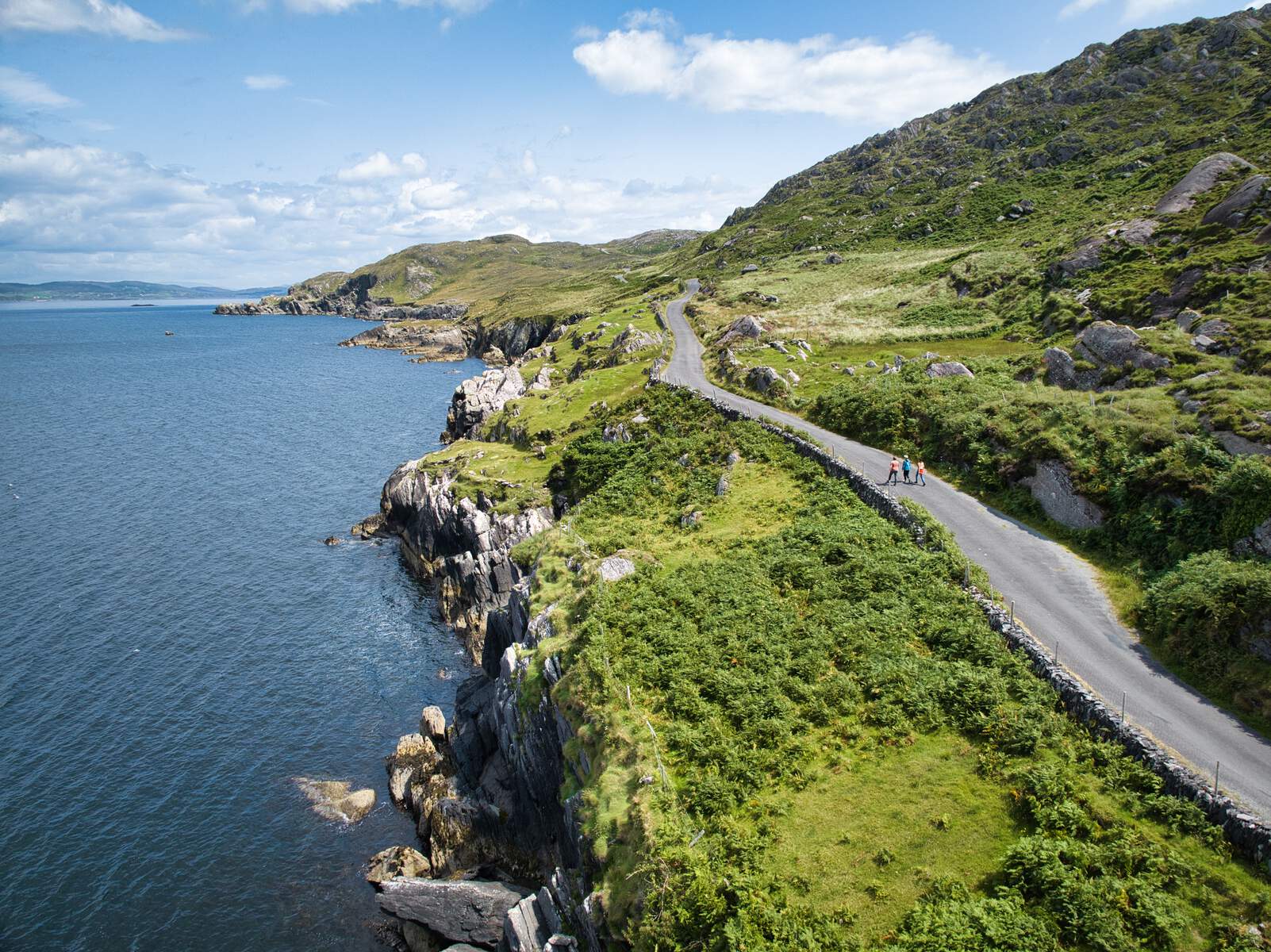
Dursey Island sits at the southwestern tip of the Beara Peninsula in West Cork. Stretching 6.5 km long and 1.5 km wide, the island is separated from the mainland by the turbulent Dursey Sound, a narrow channel with a strong tidal race. The only practical link is Ireland’s unique cable car, which spans roughly 250 m above the Atlantic and carries six passengers per cabin. Once on the island you are greeted by ragged cliffs, open bog, patchwork fields bounded by dry‑stone walls, and a surprisingly rich tapestry of wildlife.
History
The island’s human story stretches back to pre‑historic times. Archaeological surveys have recorded bullaun stones, cup‑marked rocks and a prehistoric hut site at Killowen. Medieval remnants include a ruined monastic church and graveyard at Ballynacallagh, traditionally said to have been founded by monks from Skellig Michael. In the early 17th century the O’Sullivan Beare family built a small castle on Oileán Beag; it was destroyed during the Nine Years’ War in 1602 in what local lore calls the Dursey massacre, when roughly 300 islanders were killed.
A Napoleonic‑era signal tower crowns the island’s highest point at Tilickafinna, its two‑storey stone structure now a romantic ruin. During World War II a large white‑painted “ÉIRE” sign was laid near the tower to warn Allied pilots that they were over neutral Ireland. A Luftwaffe Junkers Ju 88 crashed nearby in 1943, adding a further layer to the island’s dramatic past.
What to See & Do
Cable Car Experience
The Dursey Island Cable Car is the highlight for many visitors. A single crossing takes about 10‑15 minutes and offers unrivalled views of the sound, the surrounding islands (Bull Rock, Cow Rock, Calf Rock) and, on clear days, the Skellig Islands and the Iveragh Peninsula. The journey is a memorable introduction to the island’s isolation and beauty.
Walking the Beara Way Loop
The island forms a 9‑km (approximately 11 km according to Discover Ireland) loop of the Beara Way, marked with purple arrows on a yellow background. The walk is classified as moderate, with an ascent of about 300 m and a total time of roughly 4‑5 hours. Highlights along the route include:
- The three historic townlands – Ballynacallagh, Kilmichael and Tilickafinna – each with stone walls and low hedgerows.
- The ruined monastery at Kilmichael, linked to Skellig Michael’s early monks.
- The signal tower at Tilickafinna, offering panoramic vistas toward the Skelligs, Mizen Head and the distant Iveragh Mountains.
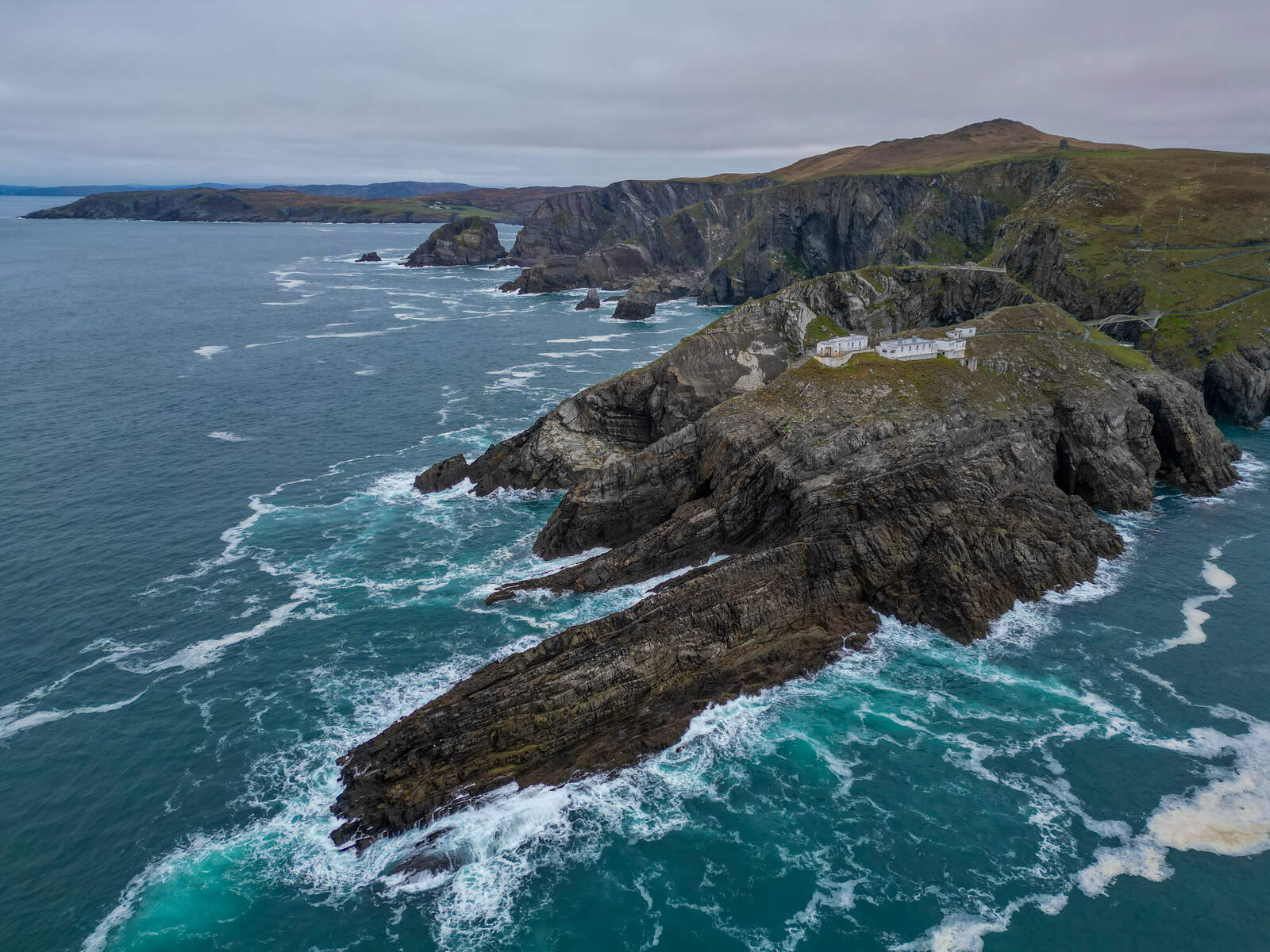
- The remains of O’Sullivan Beare’s castle on the tiny Oileán Beag.
- Several standing stones and a radial stone enclosure at Maughanaclea.
For walkers short on time, a truncated circuit that visits Kilmichael and the signal tower can be completed in about 3 hours.
Birdwatching and Wildlife
Dursey is a recognised birdwatcher’s paradise. Bull Rock offshore hosts a massive gannet colony, while the island itself supports breeding choughs. Seasonal migrants bring rarities from North America (e.g., Wilson’s Warbler, Ovenbird) and Siberia (Eastern Olivaceous Warbler, Red‑flanked Bluetail). Seals, dolphins, whales and otters are regular marine visitors, often spotted from the walking paths.
Cultural Events
The Dursey Island Summer Festival, held each June weekend, showcases traditional Irish music, dance and a short mass service. The festival encourages visitors to “become an islander for the weekend,” offering a glimpse of community life on this remote outpost.
Accommodation
While there are no hotels or pubs, self‑catering options exist. The Dursey Island Schoolhouse, a restored 1891 building, provides four‑person cabins for those wishing an overnight stay. Visitors should bring all food and drink, as the island has no shops or restaurants.
Practical Information
Cable Car Timetable & Fees
| Season | Days | Opening | Closing | Lunch Break |
|---|---|---|---|---|
| 1 Mar – 31 Oct | Daily | 09:30 | 19:30 | 13:00‑13:30 |
| 1 Nov – 28 Feb | Daily | 09:30 | 16:30 | 13:00‑13:30 |
| Visitor | Price (return) |
|---|---|
| Adult | €10 |
| Child (under 16) | €5 |
The service runs roughly four trips per hour; each cabin holds six passengers, cyclists and dogs are permitted. Payment is cash‑only.
Getting There
The cable‑car terminal is at Ballaghboy on the Beara Peninsula, about 64 km (≈1 h 50 min) from Kenmare and 73 km (≈1 h 55 min) from Bantry. The nearest major transport hub is Cork City, with onward connections by road to Castletownbere, the gateway town for the Beara Peninsula.
Walking Details (from Discover Ireland)
- Length: 11 km loop
- Ascent: 300 m
- Grade: Moderate
- Dogs: Allowed
- Estimated time: 4 hours
Tours & Guides
Guided walking tours are offered by Beara Baoi Tours, which combine folklore, history and wildlife interpretation. The tours also cover the nearby Bull Rock lighthouse (built 1888) and the dramatic sea tunnel beneath the sound.
Facilities
There are no shops, pubs or restaurants on Dursey. A seasonal café operates during the summer months, but visitors should pack sufficient water and food for the day. The island has 15 habitable houses and a small farming community; most residents travel to the mainland for schooling and supplies.
Accessibility
The cable car provides the only access to the island; there is no wheelchair‑accessible alternative. The walking routes involve uneven terrain, stone steps and occasional steep sections, making them unsuitable for those requiring assisted mobility.
Useful Links
- Official island site: durseyisland.ie
- Cable‑car timetable & fares: Dursey Island Cable Car Times
- Beara Way map (PDF): Beara Way Walking Route
- E8 European Long‑Distance Trail (starting point): E8 Trail
- Summer Festival details: Dursey Island Summer Festival
Dursey Island offers a rare blend of isolation, natural splendor and layered history. Whether you are chasing seabirds, tracing ancient stonework or simply enjoying the sensation of gliding over the Atlantic in a cable car, the island rewards the curious traveller with an unforgettable slice of Ireland’s wild west.