
Overview
The East Clare Heritage Centre (ECHC) sits within the remarkable stone shell of St Cronan’s Church in the village of Tuamgraney, County Clare. Opened by President Mary Robinson in June 1991, the centre transforms a living place of worship into a vibrant museum and tourist office that tells the story of East Clare from the early monastic era to the present day. Visitors can wander the same 10th‑century doorway that Brian Boru is said to have used, admire a priceless stained‑glass window, and explore a collection of locally produced publications that document the area’s rich cultural tapestry.
History
The Monastic Roots
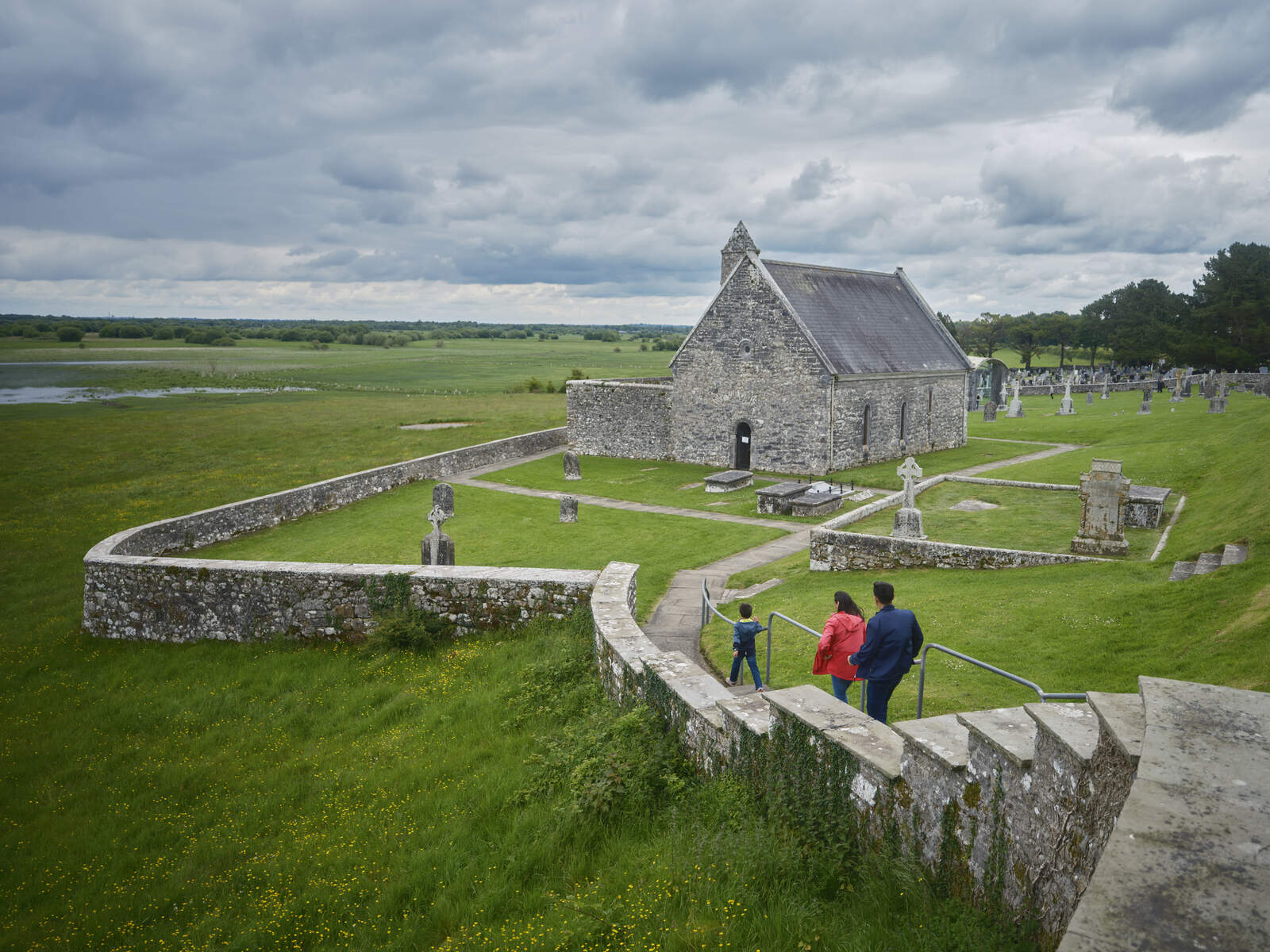
Before the stone church rose in the mid‑10th century, a wooden monastery was founded on the site sometime before 550 CE, most likely by Saint Cronan, the abbot of Clonmacnoise. The settlement survived Viking raids in 886 and 949, and continued to thrive as a spiritual hub for the surrounding countryside.
The Stone Church (c. 950 – 964 CE)
Cormac ua Cillín (also rendered Cormac O Killeen) erected the present sandstone building between 949 and 964 CE. The structure is a rare example of a Type 2 unicameral pre‑Romanesque church, featuring cyclopean masonry, a deep anta and ashlar walling in the chancel – a technique unusual for its period. A round tower once stood beside the church, but it has not survived.
Royal Connections
In 1012 the future High King Brian Boru repaired the church, a fact recorded in the Annals of the Four Masters. Brian’s brother, Marcán, served as abbot, and local tradition holds that the king visited the site frequently in his youth. The church therefore enjoys the unique distinction of being the only surviving building in Ireland, England, Scotland and Wales with a documented link to Brian Boru.
Modern Revival
A community‑run voluntary group formed the East Clare Heritage Centre in 1989, securing a 21‑year licence on the property. The centre was officially opened in 1991 and achieved charitable status in 2002. Over the decades it has overseen restoration projects – notably the 1990 restoration of the Romanesque sandstone head known locally as Gráinne, and the installation of a three‑light stained‑glass window titled The Ascension by Alfred E. Child, valued at roughly €1 million.
What to See & Do
| Feature | Description |
|---|---|
| Original Doorway | Walk through the unchanged lintelled doorway built c. 950 CE – the very portal Brian Boru would have used. |
| Carved Romanesque Head (Gráinne) | A sandstone head recovered from the eastern gable, restored in 1990. Folklore links it to the place‑name Tuamgraney or to St Cronan himself. |
| Stained‑Glass Window – The Ascension | Designed by Alfred E. Child, this three‑light window depicts Jesus and two angels. It was rescued from vandalism in Kilfinaghta and re‑installed in 1990. |
| 12th‑Century Romanesque Window | Features chevron‑decorated arches, offering a glimpse of early medieval craftsmanship. |
| Folk Museum & Tourist Office | Part of the church has been converted into exhibition space displaying artefacts, historical journals, and publications produced by the centre. |
| Graveyard | The surrounding burial ground holds members of both the Church of Ireland and Roman Catholic communities, including genealogist Edward MacLysaght and the parents of writer Edna O’Brien. |
Exhibitions & Facilities
- Permanent Brian Boru Exhibition – A dedicated display tracing the life of the High King, with artefacts, interpretive panels and an audio‑visual presentation.
- Audio‑Visual Show – A short film runs in a small viewing room, summarising the monastic history of Tuamgraney and the wider East Clare region.
- Folk Museum – Displays range from medieval pottery and stone tools to more recent items such as a 19th‑century bicycle and local craft objects.
- Gift Shop – Offers postcards, locally‑written books, publications produced by the centre, and souvenirs related to the church and Brian Boru.
- Research Archive – Volunteers maintain a modest archive of the East Clare Heritage Journal and other local history publications; genealogists can request specific material by email.
Visitor Experience
The centre is staffed by volunteers who are keen to share their knowledge of East Clare’s past. Guided walks of the church and graveyard are offered on most weekdays, and families can enjoy a hands‑on activity corner in the folk museum. The audio‑visual room is wheelchair‑accessible, and the entire interior of the church has level entry via the historic doorway, complemented by a modest ramp added during the 1990s refurbishment. A small café‑style kiosk operates during peak season, serving tea, coffee and locally baked scones.
Events & Seasonal Highlights
While the heritage centre is open year‑round, a handful of community‑run events punctuate the calendar:
- Brian Boru Talk Series – Occasional evening talks by local historians, usually held in October.
- Heritage Day Workshops – Hands‑on sessions on traditional crafts such as stone‑carving or manuscript illumination, typically in the summer months.
- Genealogy Drop‑In – Monthly slots where volunteers assist visitors researching family links to East Clare.
All events are free, though some may require pre‑booking via the centre’s email address (see Practical Information).
Practical Information
Opening hours – Monday to Friday, 9:00 am – 5:00 pm, year‑round. (Some older listings show 10:00 am – 5:00 pm; the centre now opens at 9:00 am.)
Admission – Free entry; a donation box is available near the exit.
Location & Access – Situated in the heart of Tuamgraney, the centre is easily reached by car from Ennis (≈ 30 km) or Killaloe (≈ 15 km). Free on‑site parking is available beside the church.
Contact – Phone: 061‑921350 (the most commonly listed number). Email contact is provided on‑site for research queries.
Facilities – Restrooms are available within the church building. The site is fully wheelchair‑accessible via a level doorway and a discreet ramp. The gift shop and café‑style kiosk are also accessible.
Website – The previously listed URL (http://www.eastclareheritage.com/) is currently unreachable and no alternative official site has been confirmed.
Nearby Activities & Day Trips
While you’re in the area, consider extending your visit:
- Holy Island (Inis Cealtra) – A short boat trip from the nearby quay brings you to the 6th‑century monastic settlement on Lough Derg.
- East Clare Way – The 180 km circular walking route passes close to Tuamgraney, offering sections through the Slieve Aughty foothills and along the Shannon.
- Raheen Wood – A four‑acre native‑species woodland a few minutes’ walk from the centre, home to the ancient Brian Boru Oak (over 1,000 years old).
- East Clare Yoga Centre – Located in the nearby Ború Oak Lodge, it provides yoga and wellness retreats.
- Centre for Environmental Living and Training (CELT) – Offers guided walks, woodland‑management workshops and a native‑tree nursery.
- East Clare Golf Club – A 71‑hole championship course set on 150 acres of rolling countryside with views of Lough Derg.
- Wilde Irish Chocolates – A local chocolate factory where visitors can watch production and even create their own bar.
- Brian Boru Heritage Centre (Killaloe) – Provides a broader perspective on the High King’s legacy.
- Clare Museum – For those interested in a deeper dive into County Clare’s wider history and artefacts.
Enjoy the blend of ancient stone, living community and stunning lakeside scenery that makes the East Clare Heritage Centre a unique stop on any East Clare itinerary.