
Overview
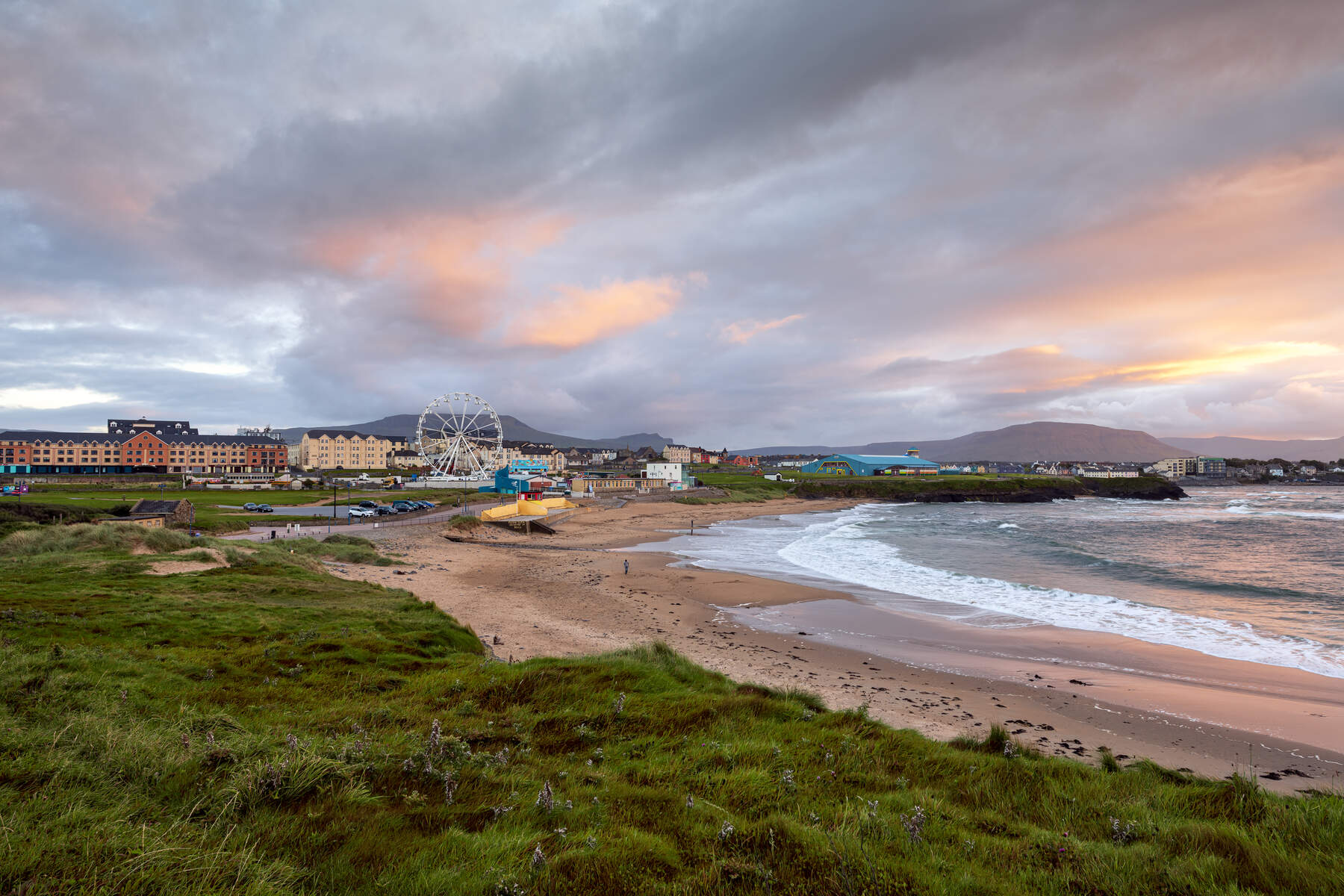
Fanad Head marks the second most northerly point of County Donegal, jutting out between Mulroy Bay and Lough Swilly. The headland forms a striking part of the Wild Atlantic Way, offering sweeping sea‑views, rugged cliffs and a series of sandy coves. Its crown jewel is the Fanad Head Lighthouse, a working beacon that also serves as a visitor attraction, accommodation venue and a focal point for the Great Lighthouses of Ireland tourism initiative.
History
The story of Fanad Head Lighthouse begins with tragedy. In December 1811 the frigate Saldanha was driven ashore on what was then called Fannet Point, a loss that spurred Captain Hill of the Royal Navy to petition the Dublin Ballast Board for a light. Approval came in 1814 and construction began under the supervision of the Board’s Inspector of Works, George Halpin. The original tower, lit on 17 March 1817, displayed a fixed catoptric light – red to sea, white towards Lough Swilly – visible for fourteen miles.
Over the next century the lighthouse underwent several upgrades. In 1886 a new, taller tower (22 m high) replaced the original, equipped with a second‑order catadioptric lens and a red sector over the Swilly Rocks. A further modernisation in 1909 introduced a revolving third‑order lens that produced six flashes every fifteen seconds. The tower survived a lightning strike in December 1916 with only minor damage, and in 1975 the light was converted to unwatched electric operation, changing the character to five white and red flashes every twenty seconds.
Today the lighthouse is one of 70 operated by the Commissioners of Irish Lights and one of twelve featured in the Great Lighthouses of Ireland programme. It remains a vital aid to navigation while also offering a tangible link to the maritime heritage of the north‑west coast.
What to See & Do
- Climb the Tower – Guided tours take visitors up 76 steep steps to the lantern room. From the top, the panoramic vista stretches from the Inishowen Peninsula to the distant Malin Head.
- Lighthouse Visitor Centre – Exhibits explain the evolution of lighthouse technology, from oil‑lamp Argand wicks to modern 1.5 kW electric lamps. Interactive displays highlight the role of the lighthouse in local shipping and rescue operations.
- Stay in a Keeper’s Cottage – Three restored keeper’s homes are available for overnight stays, offering sea‑views, period furnishings and modern comforts. It is a popular choice for romantic getaways and digital‑detox retreats.
- The Great Arch – A natural rock formation on the headland provides a dramatic photo‑op and a prime spot for spotting grey seals and, on lucky days, dolphins.
- Ballymastocker Bay – Just a short drive from the lighthouse, this blue‑flag beach was once voted the second most beautiful beach in the world. Its white sand and clear waters are ideal for swimming, windsurfing and picnicking.
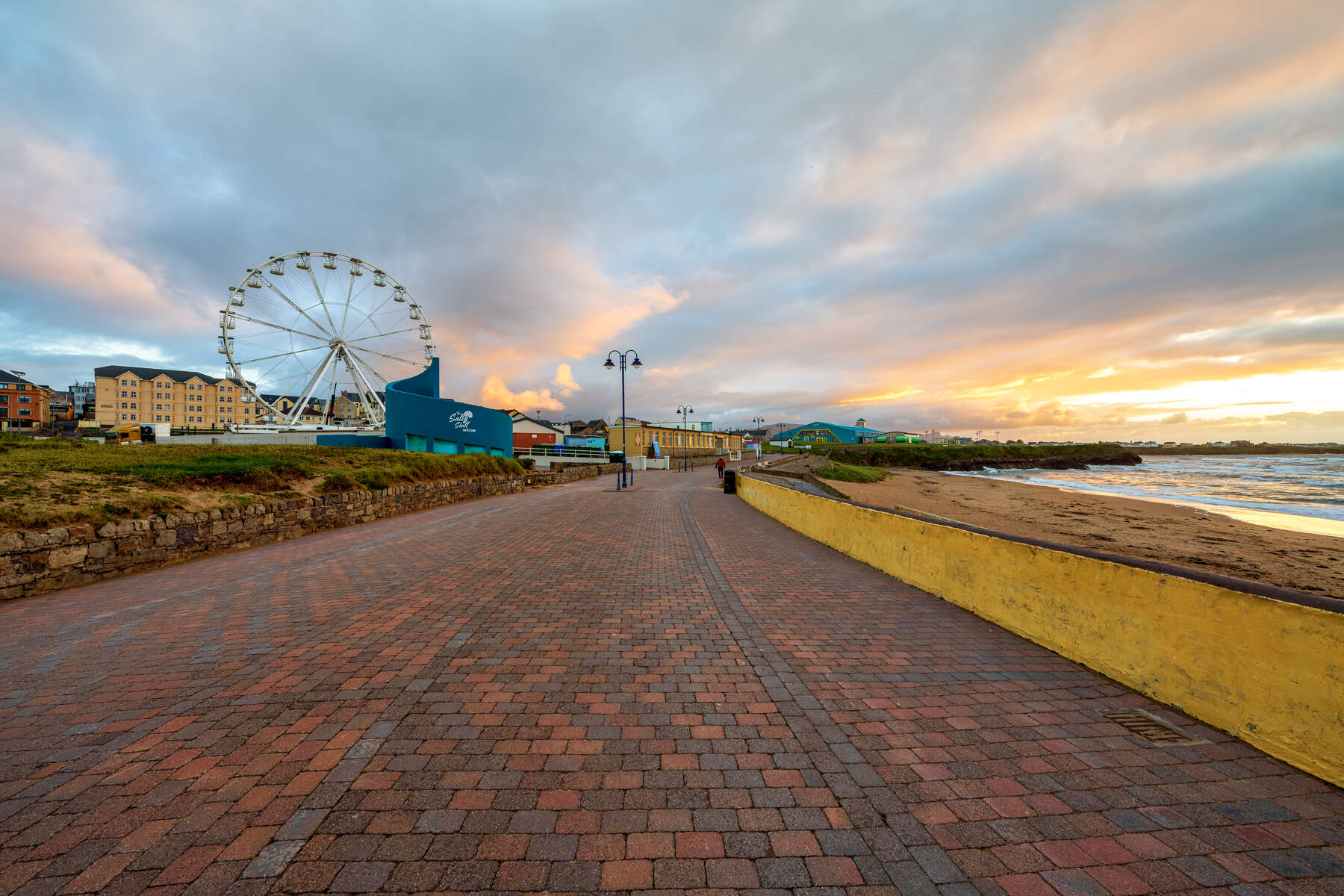
- Portsalon Golf Club – Golf enthusiasts can play a round on this links course, ranked 25th in Golf Digest’s 100 great Irish courses.
- The Pier Restaurant – Overlooking Lough Swilly, the restaurant serves fresh seafood chowder and locally sourced dishes, perfect after a day of exploring.
- Boat Tours – Companies such as Rathmullan Charters offer sailing trips that circle the headland, giving a different perspective of the lighthouse and the surrounding coastline.
Lighthouse Technical Details
| Feature | Specification |
|---|---|
| Height of Tower | 22 m |
| Height of Light (MHWS) | 39 m |
| Light Character | Fl (5) WR 20s |
| Range | White 18 nm, Red 14 nm |
| Sectors | R 100°‑110° (10°), W 110°‑313° (203°), R 313°‑345° (32°), W 345°‑100° (115°) |
| Lens | 300 mm catadioptric cylindrical refractor (electric L24 1.5 kW lamp) |
| AIS Base Station | Yes |
Practical Information
Getting there – The headland is accessed via the Knockalla Coast Road (R238). The nearest airports are Derry‑Londonderry and Donegal; Dublin and Belfast are also viable entry points with onward road travel. For those arriving by ferry, Belfast and Larne are the closest ports. Public transport options are limited, so a car is the most convenient way to reach the site.
Visiting the lighthouse – Tours run year‑round and can be booked through the official site fanadlighthouse.com/tours. The guided experience lasts about 45 minutes and includes access to the visitor centre, the climb to the lantern room and a chance to use binoculars on the top deck. Group, school and private tours are available.
Accommodation – The three keeper’s cottages are available for overnight stays throughout the year. Booking is handled online via the lighthouse’s accommodation page fanadlighthouse.com/accommodation. Each cottage offers sea‑views, en‑suite facilities and a taste of historic maritime life.
Facilities – On‑site parking is free and ample. A small café operates during opening hours, serving hot drinks, light snacks and locally sourced pastries. Wheelchair access to the visitor centre is provided, though the climb to the lantern room involves stairs and is not wheelchair‑friendly.
Nearby attractions – After the lighthouse, continue along the Wild Atlantic Way to explore Ballymastocker Bay, Portsalon Golf Club, and the charming village of Rathmullan, where additional dining and accommodation options await.
Seasonal notes – The lighthouse remains fully operational year‑round. Summer months see the highest visitor numbers, especially for the boat tours and beach activities. Winter visits offer a quieter experience and the chance to see the light’s beam cutting through misty Atlantic evenings.
Contact – For the latest tour times, accommodation availability or special events, visit the official website or call the lighthouse office via the contact details listed on the site.
Fanad Head combines natural drama, maritime history and modern hospitality, making it a must‑see stop on any Donegal itinerary. Whether you’re climbing the tower for unrivalled vistas, strolling the Great Arch, or simply breathing in the salty air from a keeper’s cottage, the headland delivers an unforgettable slice of Ireland’s coastal heritage.