
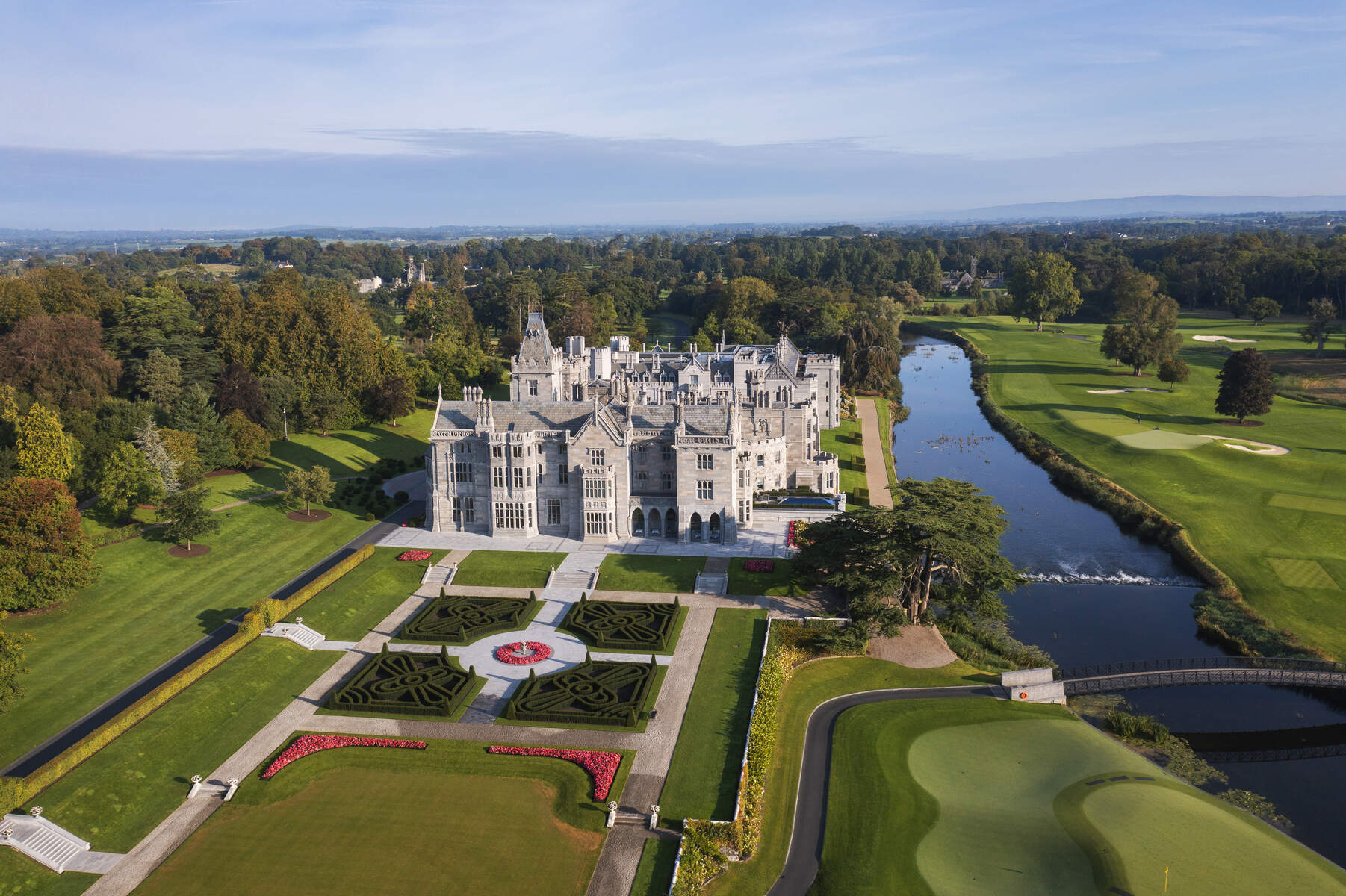
Overview
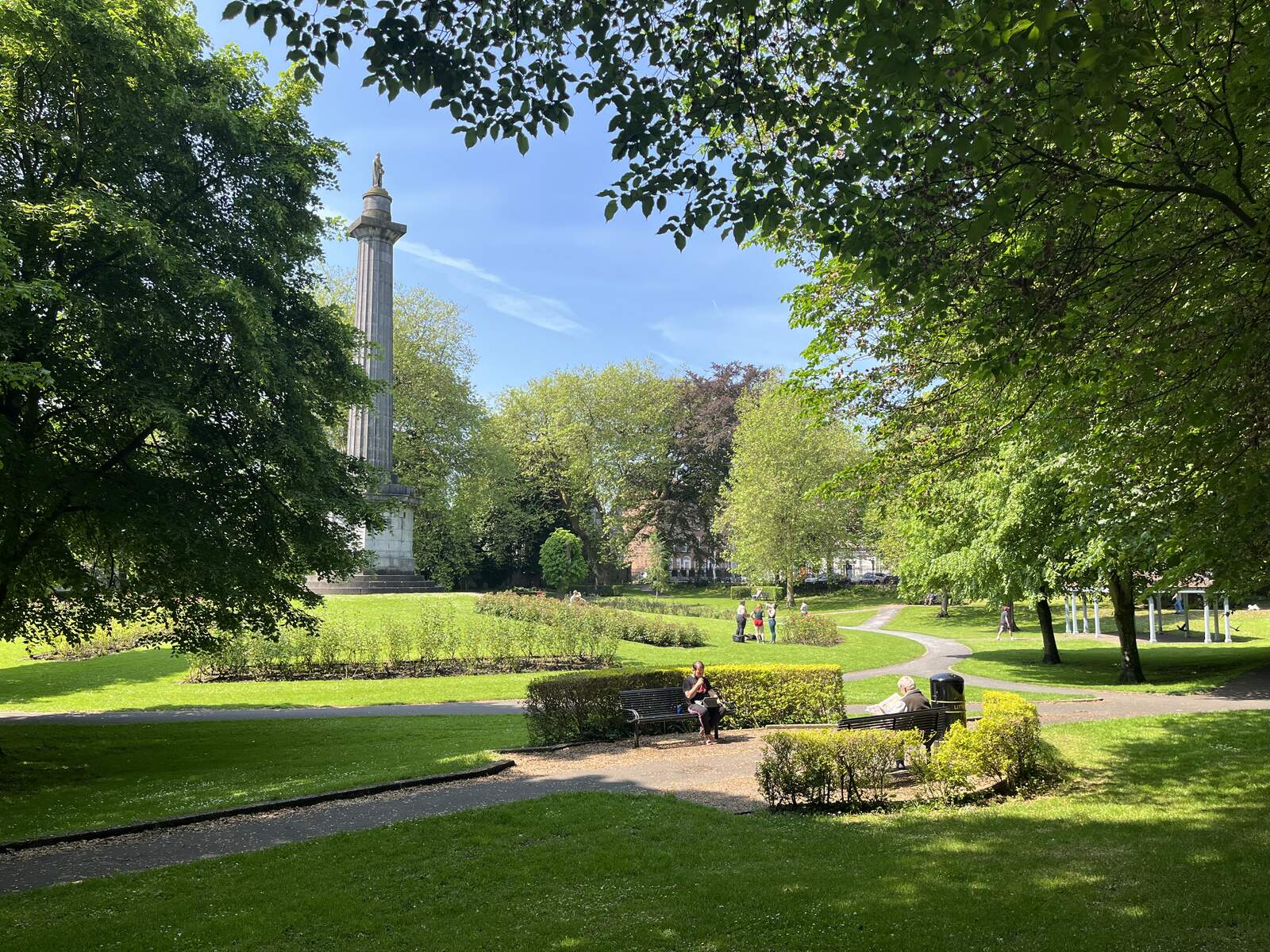
Feenagh Valley is the gentle, verdant bowl that cradles the village of Feenagh in the heart of County Limerick. While the town itself is often described as a “smaller but beautiful upcoming tourist destination”1, the valley extends that promise into a landscape of soft, undulating hills, patchwork fields and the occasional stone wall that seems to have been placed there by centuries of hands. The valley is not a theme‑park or a heavily commercialised site; instead, it offers a quiet backdrop for those who wish to experience the authentic rhythm of rural Ireland.
The valley’s appeal lies in its understated charm. Visitors who wander into the area quickly notice how the light plays across the low hills, how the air carries the faint scent of peat and wildflowers, and how the occasional distant sound of a church bell—most notably from Saint Ita’s Church in nearby Gortmore—adds a timeless note to the scenery. For anyone mapping a road‑trip through the west of Ireland, Feenagh Valley is a natural pause point that feels both secluded and welcoming.
History
Feenagh’s recorded history is modest, yet the valley has quietly witnessed the ebb and flow of Irish rural life for generations. The surrounding parish is anchored by Saint Ita’s Church, a modest stone building that stands as a testament to the community’s long‑standing faith and local craftsmanship. While detailed archival records specific to the valley are scarce, the presence of the church and the surrounding agricultural fields suggest a landscape that has been cultivated, tended and cherished for centuries.
The name “Feenagh” itself is derived from the Irish Fíonach, meaning “a place of wine” or “wine‑like,” a poetic nod perhaps to the richness of the land. Over time, the valley has remained largely untouched by large‑scale development, preserving the pastoral character that early travellers described as “beautiful” and “up‑and‑coming” in contemporary travel guides.
What to See & Do
Gentle Walks and Photographic Moments
The valley’s gentle topography makes it ideal for leisurely walks. Meandering footpaths snake between hedgerows and small streams, offering countless opportunities to pause and capture the quintessential Irish countryside. Early morning mist often settles over the low hills, creating a dramatic backdrop for landscape photography.
Heritage Exploration
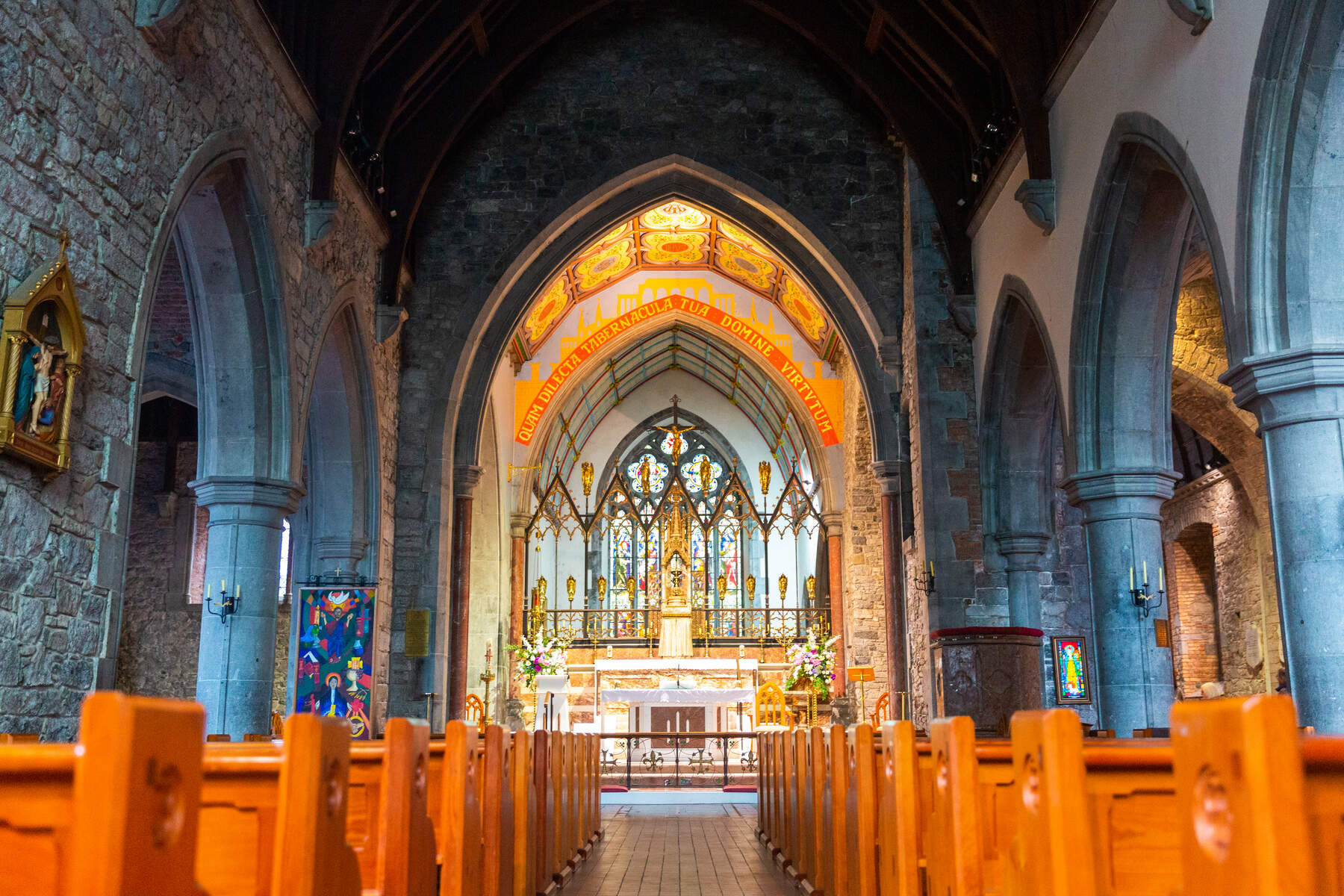
A short drive or a comfortable walk from the valley brings you to Saint Ita’s Church in Gortmore. The church, highlighted in the Feenagh travel guide, is a modest yet striking example of local ecclesiastical architecture. Its stone façade and simple interior provide a quiet space for reflection and a glimpse into the spiritual life of the community.
Local Community Experience
Feenagh itself, though not a bustling city, offers a handful of cosy cafés and a small market where local producers sell fresh dairy, artisanal breads and seasonal produce. Stopping in the village after a stroll through the valley allows visitors to taste the flavours that have sustained the area for generations.
Scenic Drives
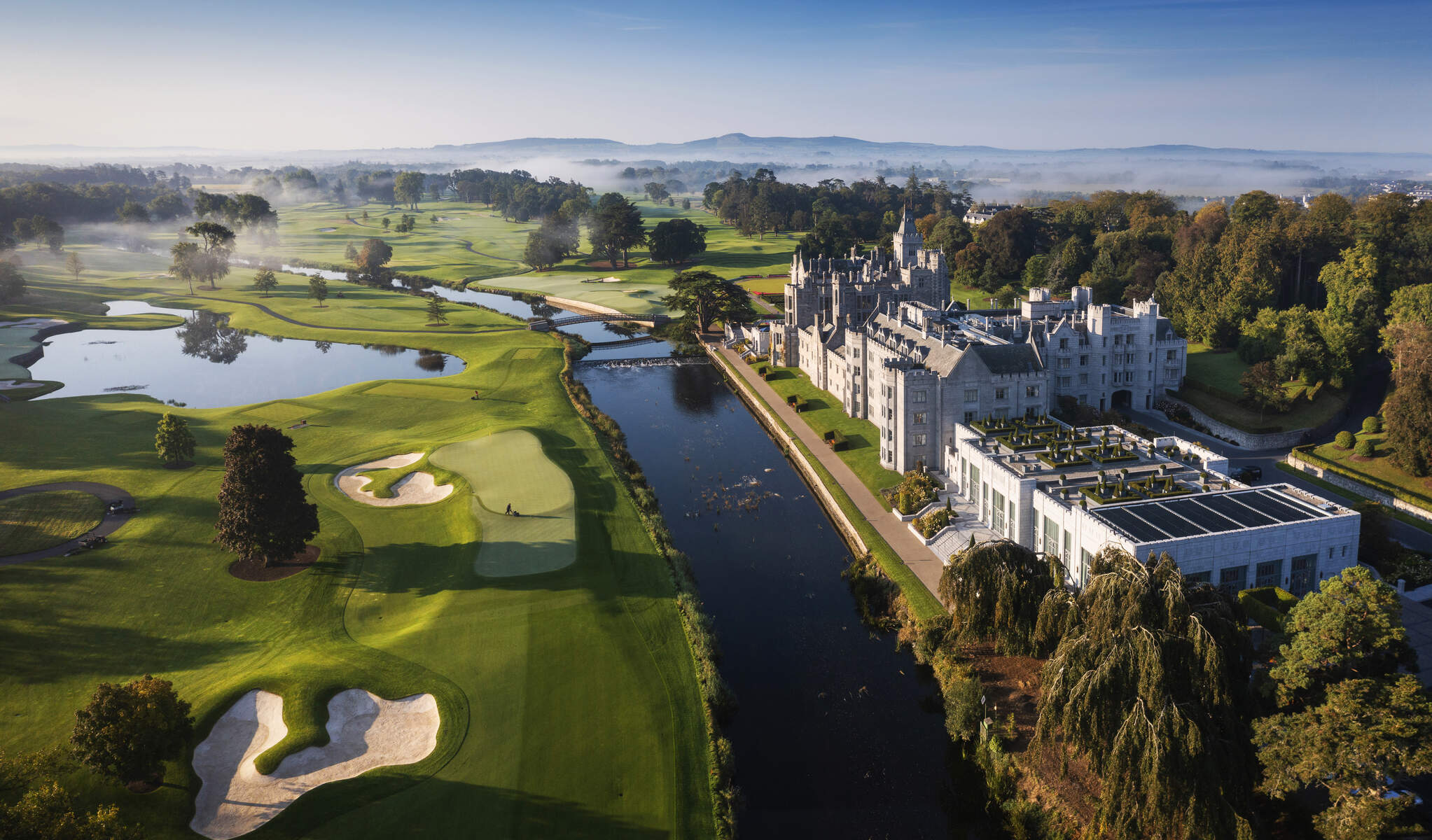
The roads that wind through Feenagh Valley are well‑maintained and provide drivers with panoramic views at every turn. The route is especially rewarding in late summer when the fields are a patchwork of golden barley and deep‑green pastures. For those who prefer to stay in the car, the drive itself becomes a moving tableau of rural Ireland.
Getting There
By car – The valley is accessed via the N69, which runs from Limerick city westwards toward the Shannon Estuary. From Limerick, follow signs for Feenagh; the journey takes about 25 minutes (≈30 km). Parking is available on the roadside in the village and at several lay‑bys along the route.
By public transport – A weekday bus service operated by Bus Éireann links Limerick city with Feenagh and surrounding villages. The service runs several times a day, stopping in the centre of Feenagh. Check the latest timetable on the Bus Éireann website for exact times and any seasonal variations.
From Shannon Airport – The airport is roughly 45 km north of Feenagh. Hire‑a‑car companies are available at the terminal, and the drive follows the N69 south‑west to the valley.
Practical Information
Feenagh Valley does not operate as a formal attraction with set opening hours or admission fees; it is open to the public at all times. Parking is available on the roadside in the village of Feenagh, and there are a few small lay‑by areas that allow visitors to stop safely while taking in the view.
The nearest public transport link is the bus service that runs between Limerick city and the surrounding villages, stopping in Feenagh on weekdays. For those arriving by car, the valley is easily accessed via the N69, which connects Limerick to the coastal towns of the Shannon Estuary.
If you wish to learn more about the broader Feenagh area, the Triphobo guide provides an overview of attractions and practical tips for planning your visit: Feenagh on Triphobo.
While the valley itself does not have dedicated visitor facilities, the nearby village offers public restrooms and a small shop where you can purchase bottled water and snacks. The community is accustomed to visitors and is generally welcoming, especially during the summer months when local festivals add a lively touch to the otherwise tranquil setting.
Seasonal Highlights
- Spring – Wildflowers begin to dot the fields, and the streams swell with melt‑water, creating a fresh, vibrant atmosphere.
- Summer – Long daylight hours allow for extended walks, and the surrounding farms are at their most productive, offering a glimpse of traditional Irish agriculture.
- Autumn – The hills take on a golden hue, and the harvest season brings a subtle bustle to the nearby village markets.
- Winter – While the valley can be misty, the stark landscape offers a different kind of beauty, especially when the low clouds linger over the hills.
Accessibility
The main access routes to Feenagh Valley are paved and suitable for standard vehicles. The walking paths are generally level, though some sections may be uneven due to natural stone surfaces. Visitors with limited mobility should consider staying in the village and enjoying the views from the roadside lay‑bys, which provide clear sightlines of the valley’s most picturesque stretches.
Nearby Attractions
A visit to Feenagh Valley can be combined with several other points of interest in County Limerick:
- Adare – A heritage village famed for its thatched cottages, historic abbey and the luxury Adare Manor estate.
- Ballyhoura Region – Offers mountain biking trails, walking routes and the scenic Ballyhoura Mountains, just a short drive north.
- Abbeyfeale – A historic market town on the River Feale, known for its weekly market and lively festivals.
- Adare Heritage Sites – Includes the Trinitarian Abbey and other medieval structures.
These nearby destinations provide additional cultural, historical and outdoor experiences, making the Feenagh Valley area a versatile base for a day‑trip itinerary.
Feenagh Valley may not appear on every mainstream itinerary, but its quiet allure makes it a rewarding addition for travellers who value authentic, unhurried experiences. Whether you are tracing the gentle curves of the landscape, stepping into the historic aura of Saint Ita’s Church, or simply pausing to breathe in the fresh Irish air, the valley offers a slice of serenity that feels both timeless and uniquely Irish.
Footnotes
-
“Feenagh may not be as popular as other cities in Ireland, but don’t let that fool you. Feenagh is a smaller but beautiful upcoming tourist destination that is worth a visit.” – Triphobo ↩