
Overview
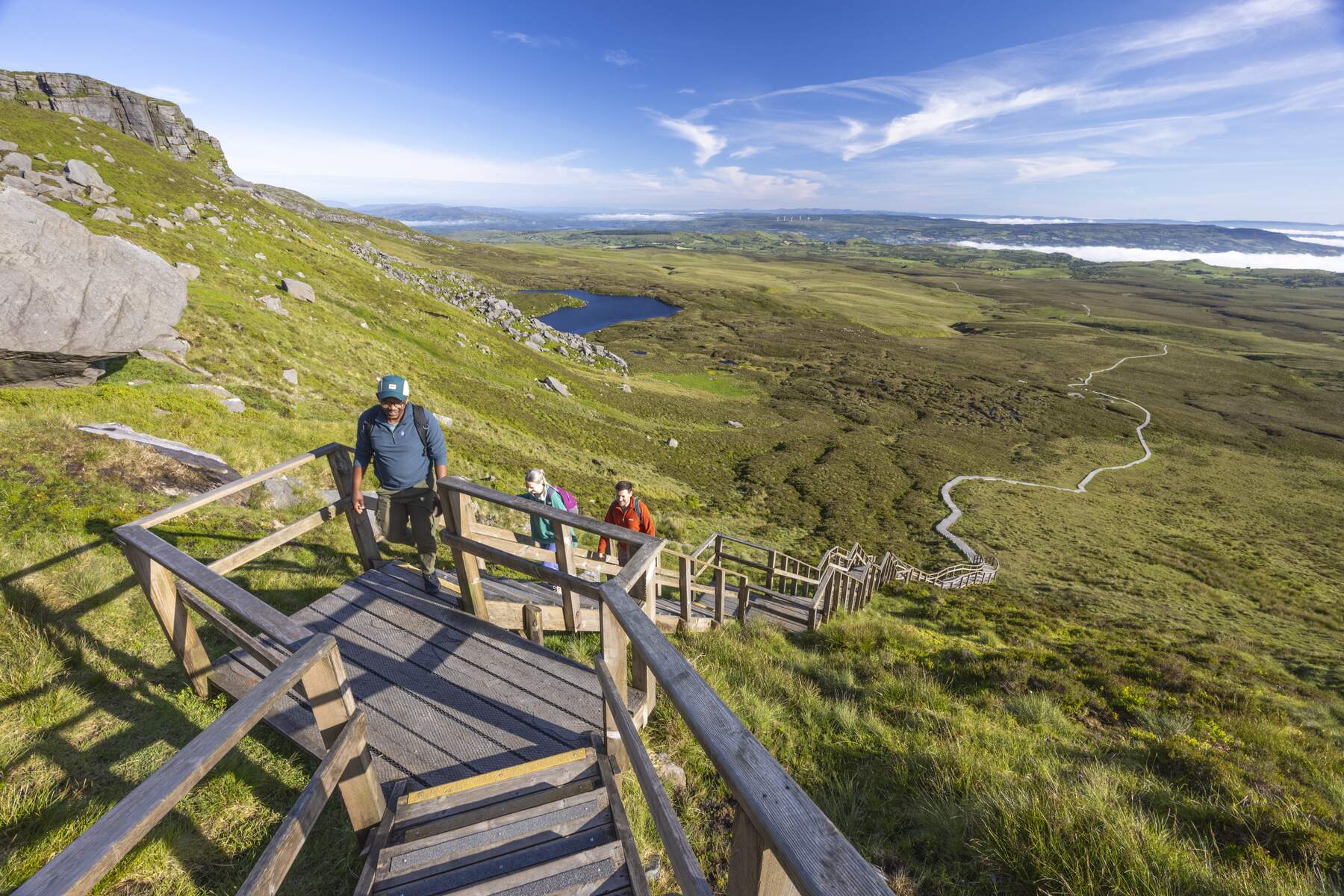
Florence Court sits eight miles south‑west of Enniskillen, perched in the foothills of Cuilcagh Mountain. Managed by the National Trust, the estate combines a grand Georgian mansion, a meticulously restored pleasure garden, and a 15 km forest‑park that winds through native woodlands, rivers and historic features. Visitors can wander from the opulent state rooms to the iconic Florence Court Yew – the progenitor of virtually every Irish yew in the world – before heading out onto bridle‑friendly trails that offer sweeping views of Benaughlin and Cuilcagh.
History
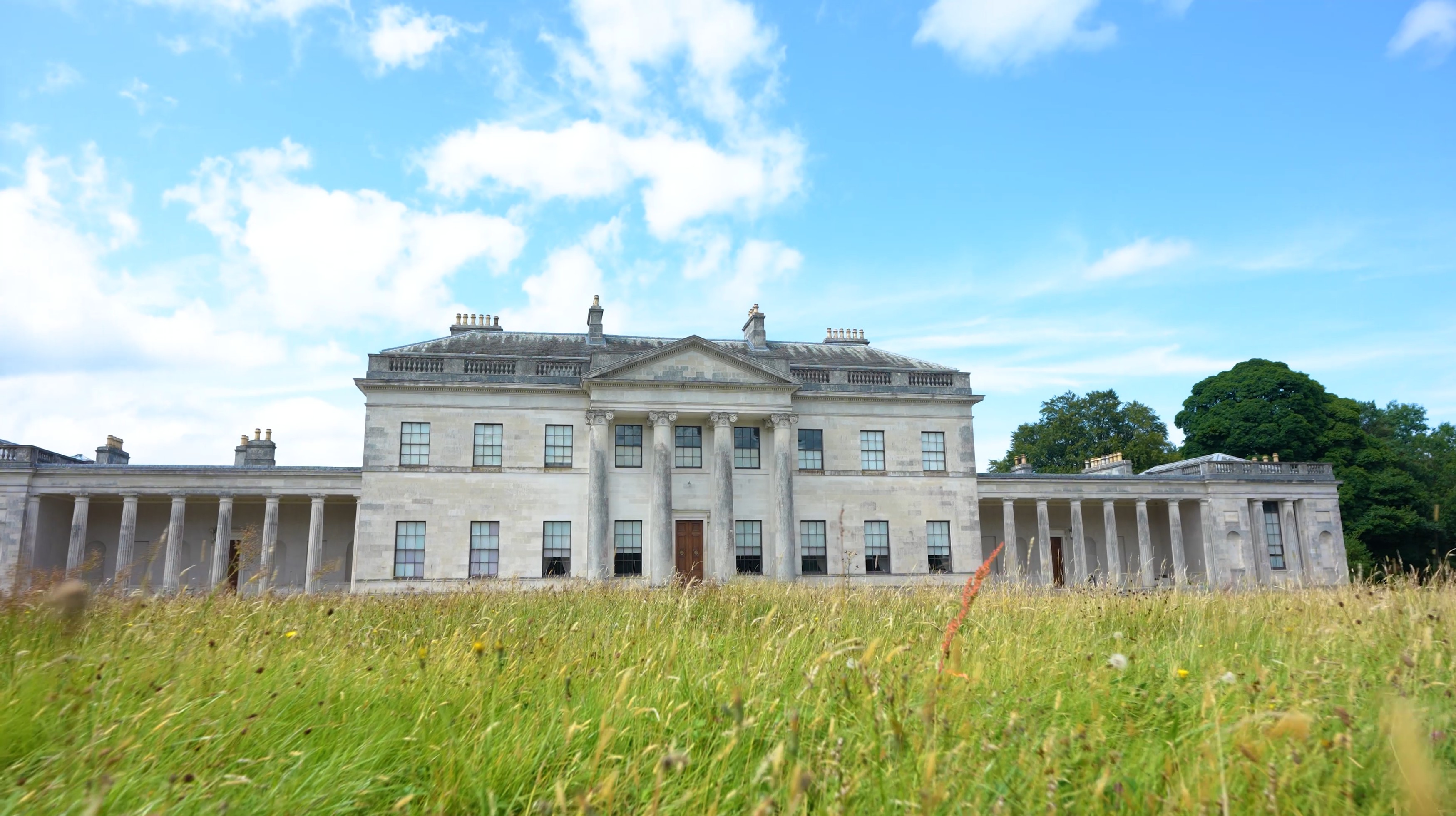
The house originated in the early 18th century when John Cole built a modest residence for his wife, Florence Bourchier Wrey. The present central block was erected in stages between 1730 and 1764, with later colonnades and pavilions (c. 1771) attributed to the Italian engineer Davis Ducart. The interior showcases a rare mix of early baroque plasterwork in the library and later Rococo decoration in the dining, drawing‑room and stair‑hall – a testament to the evolving tastes of the Cole family, later Earls of Enniskillen.
A devastating fire in March 1955 destroyed the upper floors; Sir Albert Richardson led a painstaking restoration that returned most rooms to their former splendour, though a few upper‑floor chambers remain closed. The estate stayed in family hands until 1953, when the 5th Earl transferred the house and fourteen acres to the National Trust. Since then, the Trust has added visitor facilities, rebuilt the thatched summer house (rebuilt after a 2015 arson attack), and restored the walled garden to its 1930s layout.
What to See & Do
The House
Guided tours reveal the house’s exquisite Rococo plasterwork, fine Irish furniture (many pieces returned by the Dowager Countess in 1998), and the dramatic story of the 1955 fire – the dining‑room ceiling still bears the six drainage holes drilled to save it. Some upper‑floor rooms are closed, but the ground‑floor state rooms, library and Venetian room remain fully accessible.
Gardens & Yew
The 18th‑century pleasure garden, landscaped in the mid‑19th century, offers Victorian specimen trees, rhododendrons and panoramic mountain vistas. At its highest point stands the reconstructed summer house, a thatched “heather house” rebuilt in the 1980s and again in 2016 after vandalism. A short walk leads to the Florence Court Yew, the surviving sapling of the two Irish‑yew cuttings discovered on Cuilcagh in 1767; it is the mother of almost every Irish yew worldwide.
The four‑acre walled garden, expanded in the 1870s, contains a rose garden, two ornamental ponds, heirloom fruit‑tree orchards and a working vegetable plot. The 1870s Rose Cottage, once the head gardener’s home, now serves as a holiday let for visitors seeking a night‑time garden experience.
Forest Park & Trails
Florence Court Forest Park provides a network of marked trails – Blue, Red and Lady’s Well – suitable for walkers, cyclists and horse‑riders. The 15 km of routes weave through semi‑natural oak woodland (Glen Wood nature reserve), across the Larganess and Finglass rivers, and past historic features such as the 18th‑century Eel House bridge and a working Victorian hydraulic ram.
Industrial Heritage
A water‑powered sawmill on the edge of the pleasure garden demonstrates 19th‑century timber processing; the original mid‑century water wheel bears the inscription “William Maxwell c. 1848”. Nearby you’ll find a restored carpenter’s workshop, an 18th‑century forge (still used for occasional demonstrations), and a hydraulic ram that once supplied water to the house before mains connection.
Family & Dog Friendly Activities
The estate offers a children’s playground, a natural‑play area, and a tear‑room café serving light bites. Dogs are welcome (two‑paw‑rated) and can roam the parkland on a leash, with dedicated dog‑walking routes.
Practical Information
Opening times – The house and grounds are generally open daily from 10:00 am to 6:00 pm, except during winter when hours may vary; always check the latest times on the National Trust website before you travel.
Admission – Ticket prices are tiered for members and non‑members. The current rates (2026) are:
| Ticket type | Standard price | Gift‑Aid price |
|---|---|---|
| Adult (whole property) | £12.65 | £11.50 |
| Child (5‑15) | £6.33 | £5.75 |
| Family (2 adults + 2 children) | £31.63 | £28.75 |
| Adult (gardens only) | £7.70 | £7.00 |
| Child (gardens only) | £3.85 | £3.50 |
| Family (gardens only) | £19.25 | £17.50 |
National Trust members enter free of charge; guided house‑tour bookings are made on arrival (subject to availability). During peak weekends pre‑booking via the website is recommended.
Parking & Transport – On‑site free parking is available for cars and coaches. The estate is reachable by car via the A509 road from Enniskillen; the nearest bus stop is in the village of Florencecourt. Bike hire is offered at the visitor centre for half‑day or full‑day periods.
Facilities – Toilets (including disabled access), baby‑changing rooms, a café/tear‑room, a book‑shop and free Wi‑Fi are provided. Mobility scooters and wheelchairs can be borrowed from the visitor centre.
Accommodation – Two holiday lets are on the demesne: the historic Rose Cottage (four‑person capacity) and a period‑styled butler’s apartment within the house. Both give exclusive after‑hours access to the gardens.
Events – The estate hosts seasonal events such as Easter celebrations, live blacksmith demonstrations in the forge, and “Living History” tours that recreate 1920s life at Florence Court. Check the National Trust events page for current listings.
Accessibility – Designated accessible routes run from the car park to the house, gardens and forest‑park entry points. A mobility scooter and wheelchair are available on‑site, and disability‑access toilets are located near the café.
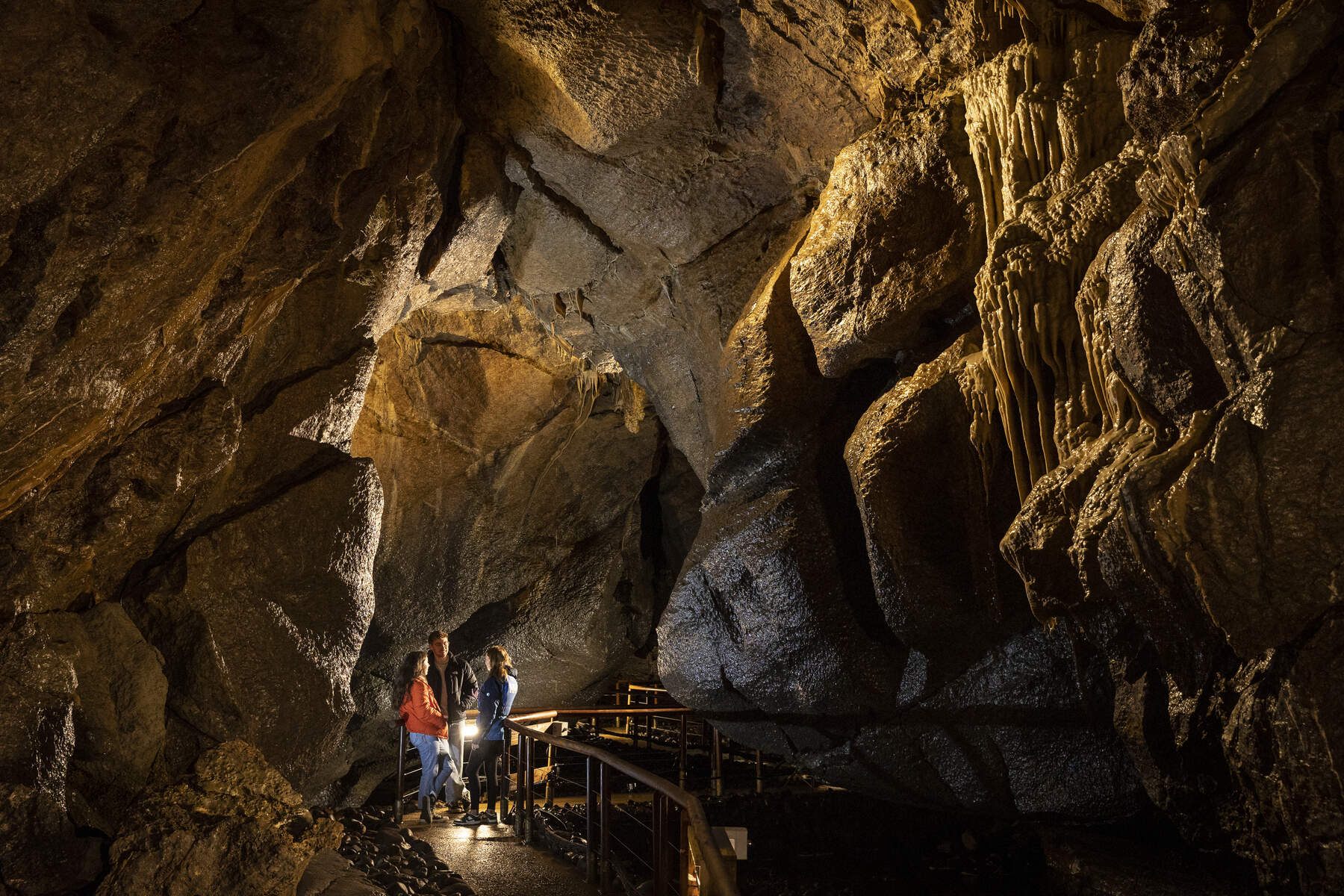
Nearby attractions – Within a short drive you can visit Castle Coole, the Crom Estate, Marble Arch Caves and the scenic Lough Erne region, making Florence Court an ideal base for exploring County Fermanagh’s cultural and natural heritage.
Whether you are drawn by the house’s Rococo splendor, the legendary yew, or the tranquil forest walks, Florence Court offers a richly layered experience that blends history, horticulture and outdoor adventure in one of Northern Ireland’s most picturesque settings.