
Overview
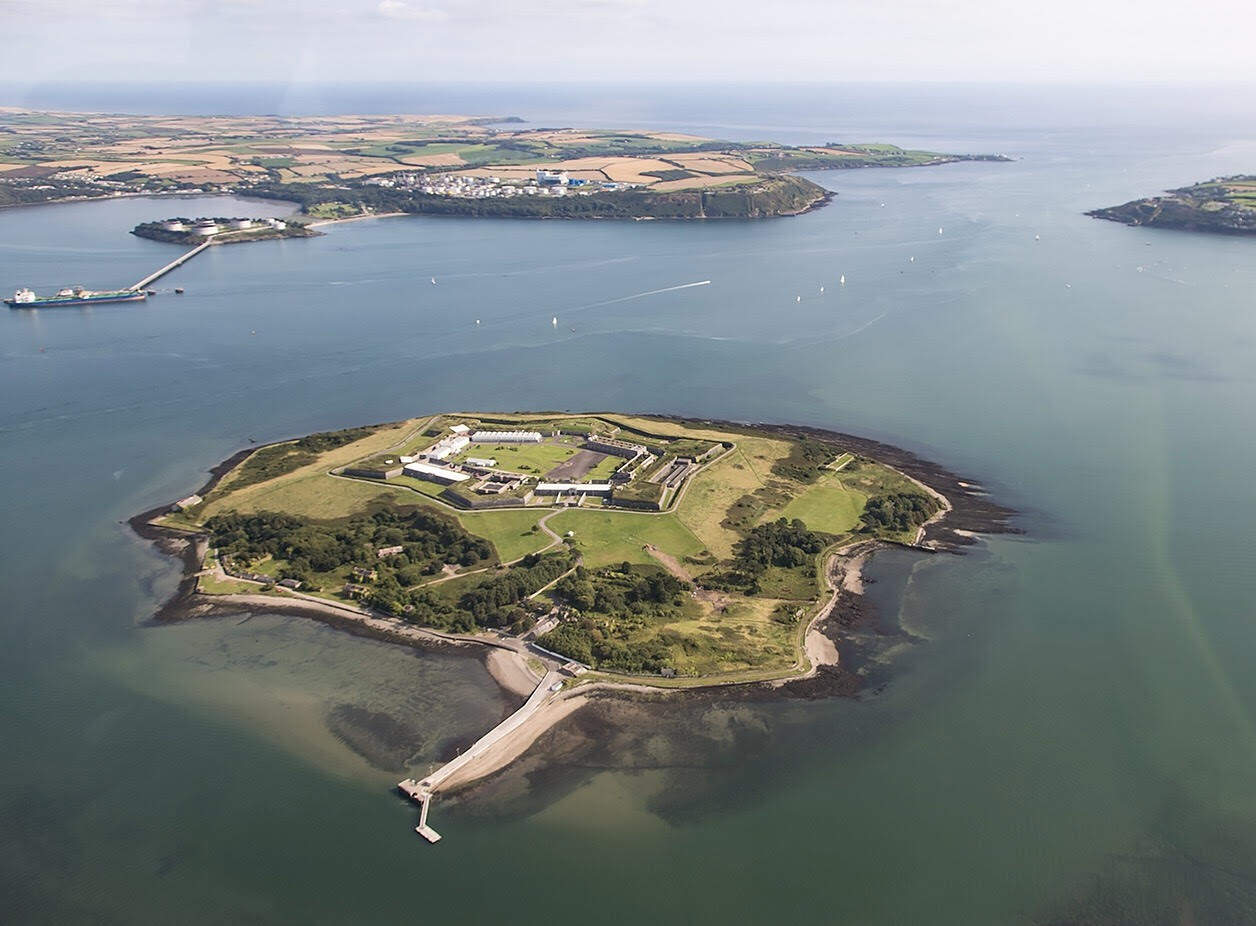
Fort Mitchel crowns the south‑east tip of Spike Island, a 103‑acre (42 ha) island that guards the entrance to Cork Harbour. Originally an 18th‑century earthwork, the site evolved into a massive star‑shaped bastion fort – the most imposing of the three forts that once defended the harbour. After a long military career it became a notorious prison, and since the early 2000s it has been reborn as a heritage attraction that draws over 80 000 visitors a year.
Early monastic settlement
Long before any cannon thundered on its walls, the island was home to a 7th‑century monastic community founded by Saint Mochuda. Records of a church dedicated to Saint Ruthian on the island date back to a 1178 grant to St Thomas’s Abbey in Dublin, indicating a Celtic religious presence that persisted into the medieval period. Ruins of that early church were still reported in the 1770s, long before the first military works appeared.
History
Early fortifications (1779‑1790)
The first fort on Spike Island was an earthwork erected in 1779, armed with eighteen 24‑pounder cannons to protect the harbour during the American War of Independence. When the war ended in 1783 the temporary work was demolished to save rent.
The ‘New’ Fort Westmoreland (1789‑1860s)
In 1789 Colonel Charles Vallancey, Chief Engineer of Ireland, began work on a permanent stone fortress. Originally named Fort Westmoreland in honour of the Earl of Westmorland, the design featured a six‑pointed star plan with corner bastions, a dry moat, a bomb‑proof tower and a surrounding glacis. The foundation stone was laid on 6 June 1804 by Major‑General Sir Eyre Coote, and construction was overseen by Lieutenant‑Colonel Sir Charles Holloway.
By 1800 the unfinished fort was already heavily armed: three 13‑inch, two 10‑inch and two 8‑inch mortars, 29 × 24‑pounder guns, plus a mixture of 12‑pounder, 6‑pounder and 5.5‑inch pieces. The armament reflected the strategic fear of a French landing after the 1796 Bantry Bay attempt.
Work progressed slowly; by 1815 the workforce numbered over 400, yet only the rudiments of the fort were in place. The Napoleonic Wars ended before the fort could be completed, and it remained lightly garrisoned until the 1860s when the final works were finished.
Prison conversion (1847‑2004)
In 1847 the unfinished fortress was converted into a convict depot to house prisoners awaiting transportation during the Great Famine. The prison grew to become one of the largest in the British Empire – often described as “Ireland’s Alcatraz” – and could hold more than 2 300 inmates. Over 1 300 prisoners died on the island and were buried in mass‑grave sites that remain visible today.
Notable inmates included nationalist journalist John Mitchel, after whom the fort was renamed in 1951. During the Irish War of Independence the island held IRA prisoners; a 1985 riot saw the “Burnt Block” catch fire. The prison finally closed in 2004.
Treaty Port and military use (1921‑1938)
Following the 1921 Anglo‑Irish Treaty, Britain retained Spike Island as a “Treaty Port”. The British military remained until 11 July 1938, when the island was formally handed over to the Irish State in a ceremony attended by Éamon de Valera. During “The Emergency” (World War II) the fort’s six‑inch coastal guns were kept on alert to warn ships entering Cork Harbour.
Revival as a tourist destination (2000s‑present)
A €5.5 million investment by Cork County Council and Fáilte Ireland transformed the site into the “Fortress Spike Island” cultural heritage attraction. Guided tours now cover the fort’s ramparts, the punishment block, 1980s cells, 6‑inch gun emplacements, a replica transportation‑ship hull and an interpretive installation on John Mitchel. The island was named Europe’s Leading Tourist Attraction at the 2017 World Travel Awards and continues to rank among Ireland’s most‑visited historic sites.
What to See & Do
- Star‑shaped ramparts and bastions – Walk the perimeter to appreciate the six angled bastions that once allowed concealed fire on any attacker.
- Bomb‑proof casemates – Explore the north‑east and north‑west casemates, original vaulted rooms designed to survive bombardment.
- Six‑inch coastal gun – View a restored 6‑inch gun in its casemate, the same type that warned ships during World II.
- Punishment block & 1980s cells – Descend into the dark cells that housed convicts and later young offenders; an exhibition recounts the 1985 riot.
- John Mitchel installation – A multimedia display explains why the fort bears his name and his role in Irish nationalist history.
- Transport‑ship hull replica – A full‑scale model illustrates the grim reality of penal transportation in the 19th century.
- Ring of Spike walking trail – A 5 km marked path circles the island, offering panoramic views of Cork Harbour, Haulbowline Naval Base and the historic forts of Camden and Carlisle.
- After‑dark tours – Seasonal evening tours explore the underground tunnels and share haunting stories of past inmates (summer schedule).
- Family storytelling sessions – During school holidays, interactive sessions bring the island’s history to life for younger visitors.
- Spike Island 5 km Run – An annual charity run takes participants along the Ring of Spike, combining sport with spectacular harbour scenery.
- Café and gift shop – After a day of exploration, relax with a coffee and browse locally‑made souvenirs.
Practical Information
Getting there – The only way to reach Fort Mitchel is by ferry from Kennedy Pier in Cobh. Irish Rail runs hourly services between Cork City and Cobh (≈ 25 min). From the Cobh train station, Kennedy Pier is a short 5‑minute walk. The ferry crossing takes 10‑15 minutes; tickets include the guided tour and entry to all exhibition spaces.
Opening hours – The island operates daily, typically 10:00‑18:00. (Check the official website for any seasonal variations.)
Admission – Guided‑tour tickets (including ferry) are roughly €27.95 for adults, €14.95 for children (under 12) and €4.95 for children under 2. Prices are subject to change; see the ticketing page for the latest rates.
Parking – Free parking is available at the Five Foot Way Car Park near the Cobh Heritage Centre; paid parking is offered at the Cobh Cathedral car park. On‑street parking in Cobh is limited to three hours and clamping is enforced.
Accessibility – The main pathways around the fort’s outer ramparts are paved and suitable for wheelchair users, though some interior casemates involve steps and low ceilings. The visitor centre provides accessible facilities.
Booking – Advance reservation is recommended, especially during the high season (June‑August). Calls can be placed to +353 21 2373455 or bookings made through the official website.
Visitor tips – Allocate about 3.5 hours for the full experience (ferry, tour and walking trail). Wear comfortable shoes and bring water; the island can be windy. Ferry schedules vary by season, so check times before you travel.
Nearby attractions
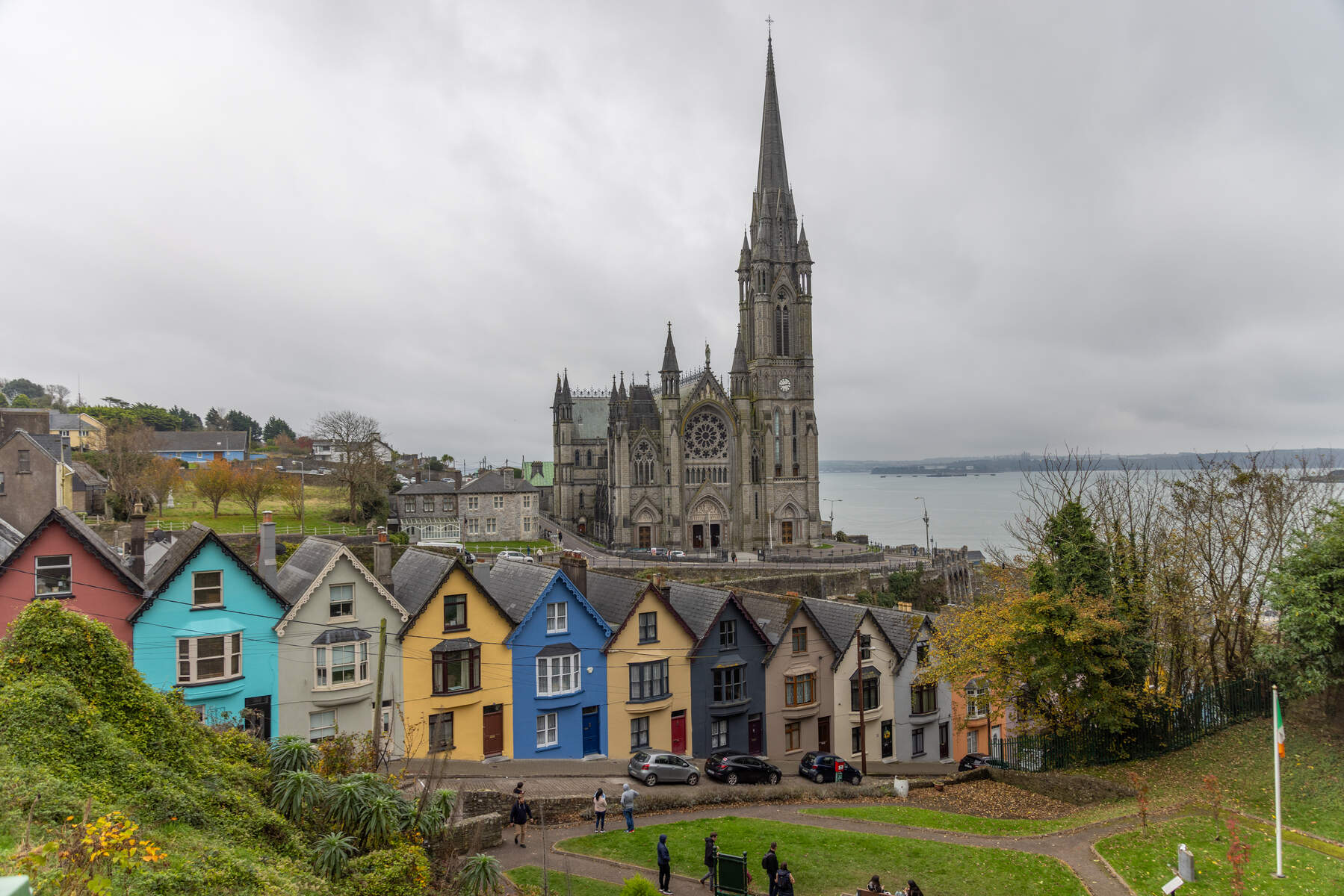
While on Spike Island, you can enjoy views of the neighbouring forts of Camden (now Fort Meagher) and Carlisle (now Fort Davis), as well as the historic town of Cobh, famous for its Titanic connections and the Cobh Heritage Centre.
Seasonal highlights
- Summer after‑dark tours – Explore the fort’s tunnels after sunset.
- School‑holiday storytelling – Interactive sessions for families.
- Annual 5 km charity run – Join runners on the Ring of Spike trail.
Plan your trip to Fort Mitchel as part of a broader Cork Harbour itinerary – the fort’s dramatic architecture, layered history and stunning harbour vistas make it a highlight for any visitor to the south of Ireland.