
Overview
Furnaceland is a modest townland of 365 statute acres in the north‑west of County Cavan. It lies in the civil parish of Kinawley, within the historic barony of Tullyhaw, and forms part of the Swanlinbar electoral division. The name comes from the English description of a field where iron was once smelted; the original Irish name was Maghernavinagh, later recorded as Naclone, Aghycloony or Lowforge in early maps.
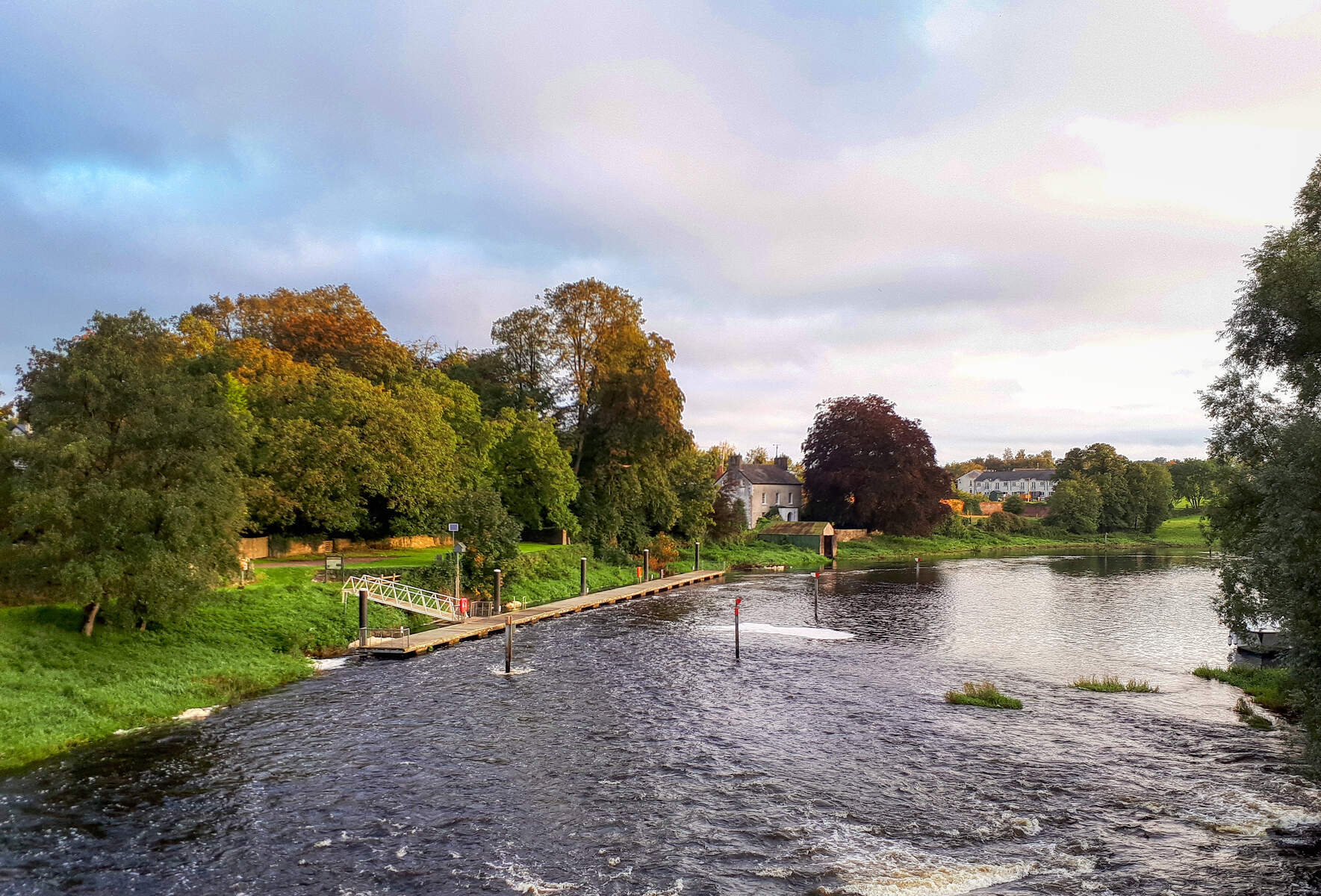
The landscape is a patchwork of low drumlins, gentle river valleys and forestry plantations. The highest point, Furnaceland Hill, rises to 101 m (331 ft). The River Cladagh (also called the Swanlinbar River) and its tributary the Blackwater wind through the townland, feeding historic foot‑bridges, a 19th‑century cattle‑pound and the stone Long Bridge.
History
During the medieval period the land that is now Furnaceland formed part of the ballybetagh of Aghycloony (Áth Chluain – “the ford of the meadow”), controlled by the McGovern (Mág Samhráin) clan, hereditary chiefs of Tullyhaw from the 12th to the early 17th century.
Following the Plantation of Ulster, King James VI granted the area on 26 June 1615 to Sir George and Sir Richard Graham. The Grahams were required to build a stone bawn and a house; they held the land until their participation in the 1641 rebellion led to forfeiture under the 1652 Act for the Settlement of Ireland.
The 1836 Ordnance Survey Namebooks record the ruins of an iron foundry, confirming the industrial activity that gave the townland its English name. By the mid‑18th century Furnaceland became an early centre for Methodist evangelism; John Smith founded one of County Cavan’s first Methodist societies here in 1766. The 1821 census already notes a church and burial ground, and the 1860 stone Long Bridge replaced an earlier 1750 structure.
What to See & Do
Archaeological sites
- Medieval ringfort – A raised circular enclosure about 26 m in diameter, surrounded by an earthen bank and a water‑logged fosse. The earthworks are visible from the surrounding fields and give a tangible sense of early settlement.
- Long Bridge – Built c. 1860 of local stone, this picturesque crossing spans the Cladagh and is a pleasant spot for a short rest during a walk.
Religious heritage
- St Augustine’s Church of Ireland – Opened 22 June 1849, designed by Joseph Welland. Its ashlar sandstone tower and lancet windows are characteristic of Gothic‑Revival architecture.
- Swanlinbar Wesleyan Methodist Church – Circa 1800, a Georgian‑Gothic building now disused but retaining its original pointed windows.
- Methodist Manse House – Late‑19th‑century residence of the resident minister, now a private home.
Outdoor activities
- Cladagh River walk – A gentle, well‑marked riverside trail runs from Swanlinbar through Furnaceland, suitable for casual walking, birdwatching and, with an appropriate licence, trout angling.
- Forestry trails – The planted woodlands on the eastern side of the townland offer short forest walks and opportunities for picnicking.
- Cycling – Quiet country lanes, including the L1031 (Derrylin Road), provide low‑traffic routes for cyclists exploring the Swanlinbar area.
Local events
- Swanlinbar Fair Green – Although technically in the adjoining Hawkswood townland, the fair green was incorporated into Furnaceland’s boundary in 1913. It hosts an annual summer fair and occasional community markets.
Nearby natural attractions
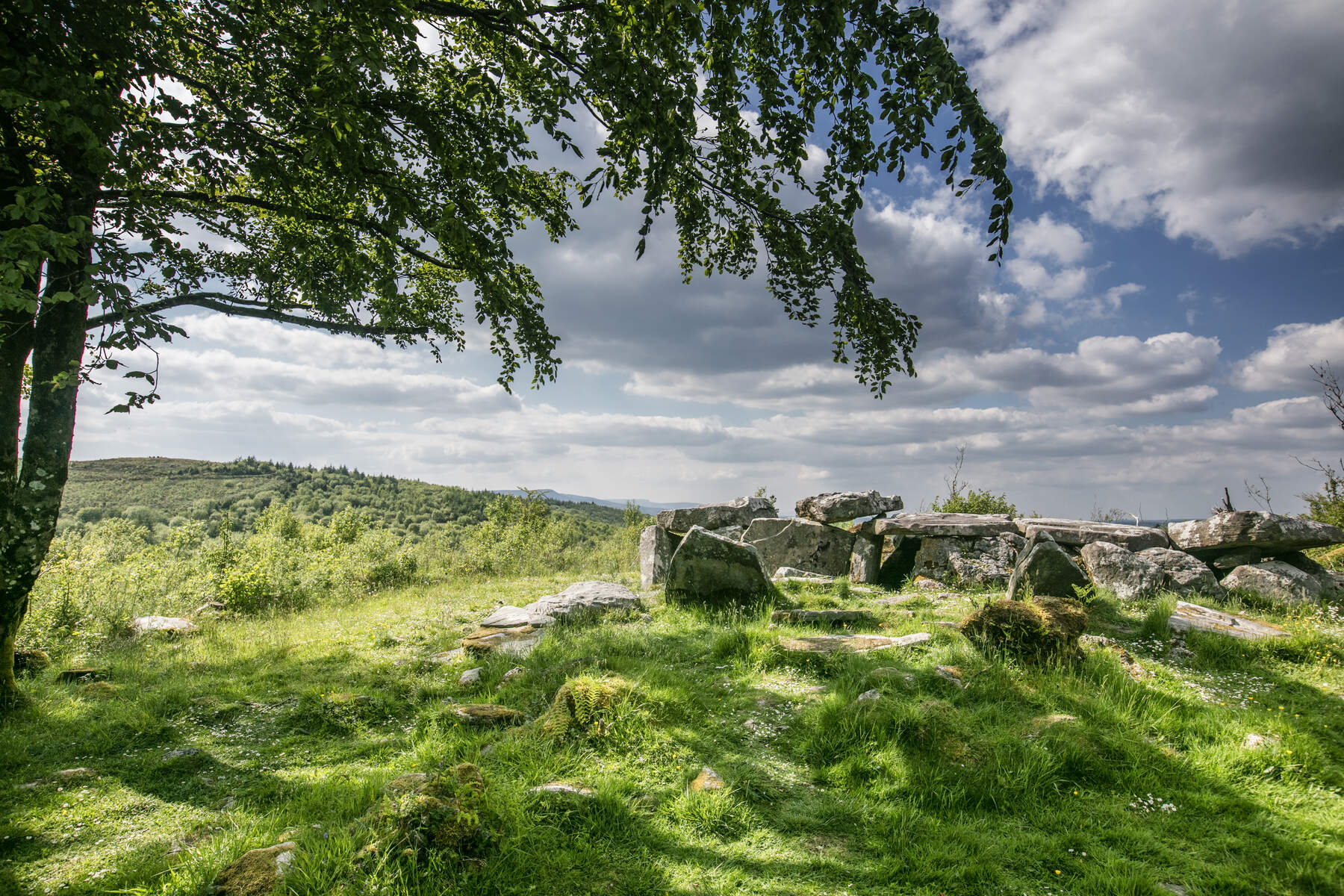
- Cavan Burren Park – A short drive north‑west brings you to the limestone karst landscape of the Cavan Burren, with its dolmen trail and wedge‑tomb walks. (Cavan Burren Park)
- Belturbet – The historic market town on the River Erne, known for its island and heritage centre. (Belturbet)
- Blacklion – A gateway to the Cuilcagh Mountains and the Marble Arch Caves Global Geopark. (Blacklion)
Practical Information
Access – Furnaceland is reached via the N87, which passes through Swanlinbar, and the local L1031 (Derrylin Road). Minor rural lanes give access to the ringfort, bridge and churches.
Parking – Free roadside parking is available at the Long Bridge car‑park, near St Augustine’s Church, and at the Swanlinbar Fair Green. There are no dedicated visitor‑centre facilities, so plan to bring water and snacks.
Facilities – Public toilets are available in Swanlinbar town centre (approximately 1 km away). No admission fees are charged for any of the historic sites.
Opening hours – All sites are on open land and can be visited at any time; however, St Augustine’s Church is open for services on Sundays and may be entered outside worship hours.
Accommodation
| Property | Location | Approx. price per night (EUR) | Highlights |
|---|---|---|---|
| Trivia House Accommodation | Church Road, Furnaceland | €84 | Free Wi‑Fi, parking, laundry facilities |
| Farnham Estate Spa & Golf Resort | Farnham Estate, Cavan | €288 | Spa, breakfast, on‑site golf |
| Slieve Russell Hotel Golf & Country Club | Cranaghan, Ballyconnell | Varies | Full‑service spa, three restaurants |
Getting there
The nearest major airport is Dublin International (≈ 130 km east). The most convenient route is to rent a car and follow the M3 to the N87, then on to Swanlinbar – a drive of about two hours. Public transport is limited; occasional Bus Éireann services run between Cavan town and Swanlinbar, with connections to Dublin.
Accessibility
St Augustine’s Church offers level access to the nave. The ringfort, foot‑bridges and forest trails involve uneven ground and are not suitable for wheelchair users.
Further reading
- 1836 Ordnance Survey Namebooks – note the iron‑foundry ruins.
- Dúchas folklore collection (1938) – oral histories from local families describing everyday life in early‑20th‑century Furnaceland.
- Griffith’s Valuation (1847‑1864) and the 1901/1911 censuses – useful for genealogical research.
Furnaceland may be small, but its layered history—from medieval fortifications to 19th‑century ecclesiastical architecture—offers a rewarding glimpse into the rural heart of County Cavan. Whether you are tracing the footsteps of early ironworkers, exploring a quiet ringfort, or simply enjoying the tranquil river scenery, the townland provides an authentic Irish experience.