
Overview
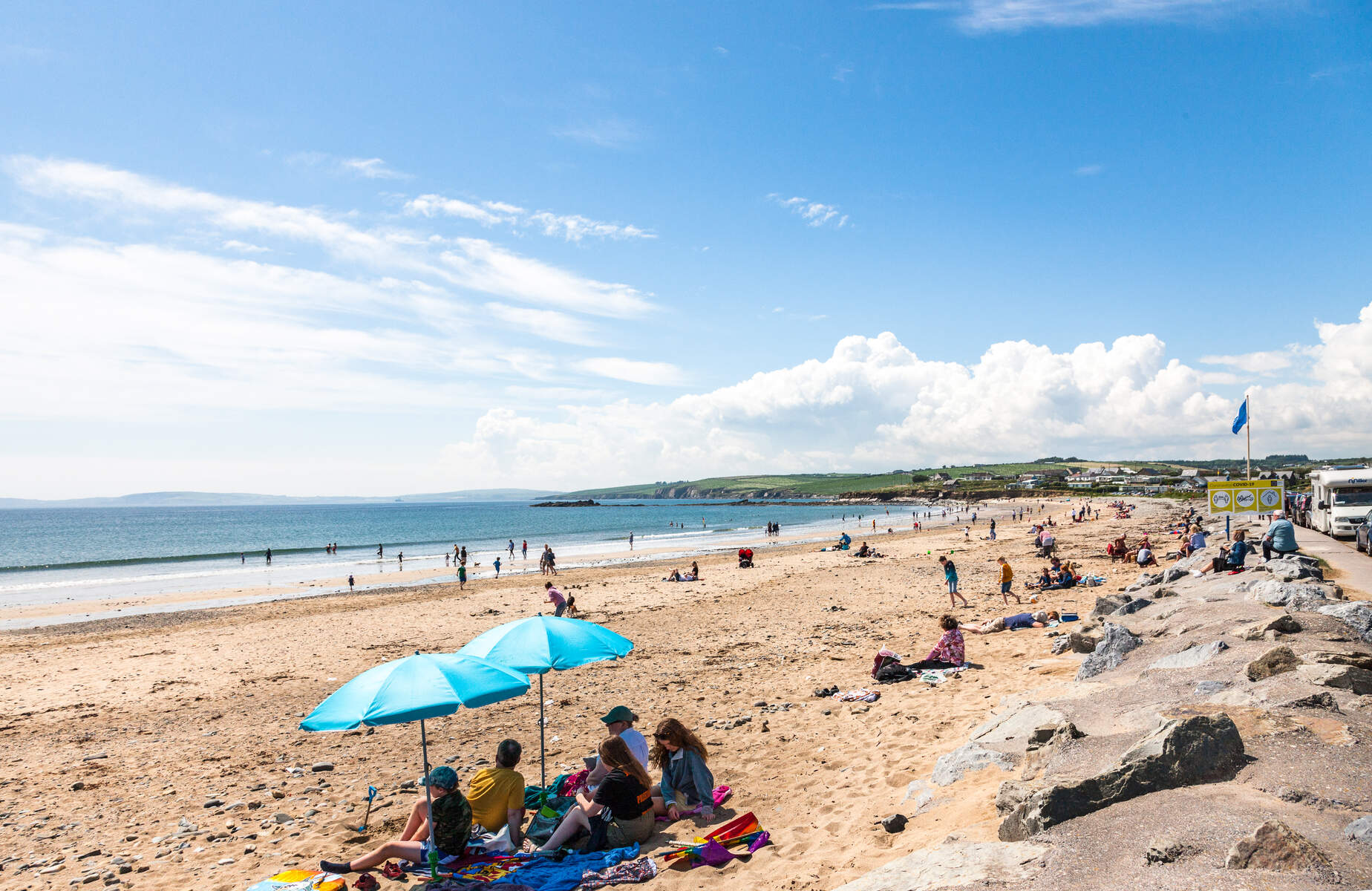
Galley Head Lighthouse stands on the southern tip of Dundeady Island, a rugged headland that juts into the Celtic Sea just a few kilometres south‑east of Rosscarbery in County Cork. At 133 ft (40.5 m) above sea level the white tower dominates the coastline, framing the Red Strand beach to the east and the Long Strand to the west. The headland is cut off from the mainland by the ancient walls of the Norman stronghold of Dun Deidi, a reminder of the area’s medieval past, and the ruined Castle Freke can be seen on the horizon when the light shines landward – a legacy of a 19th‑century request from the Sultan of Turkey.
The lighthouse is part of the Wild Atlantic Way, making it a natural stop for anyone touring West Cork’s dramatic seascapes. Its 21‑metre tower (69 ft) is painted white, and the lantern sits at a focal height of 53 m (174 ft) above high water, flashing a white light every 20 seconds with a range of 23 nautical miles (≈43 km). The beacon continues to serve commercial and leisure vessels navigating the treacherous south‑west Irish coast.
History
The station was designed by the Irish Board of Trade’s Engineer‑in‑Chief, J. S. Sloane, and constructed between 1873 and 1875. Although the buildings were completed in 1875, the light was not lit until 1 January 1878. Its original characteristic – six or seven white flashes in a sixteen‑second period – was produced by a revolving octagonal optic powered by coal‑gas burners, a cutting‑edge technology of the era. In clear weather the gas‑lit beam could be seen for 30 km (19 mi), making Galley Head one of the most powerful lighthouses in the world at the time.
The lighthouse’s landward arc of light is a unique feature. Legend has it that during a visit by the Sultan of Turkey to nearby Castle Freke, he asked that the light be visible from the castle. Four panes of glass were therefore left clear on the landward side of the lantern, a detail that survived even after the light was converted to electricity in 1969 and later automated in 1979.
Technological upgrades continued through the 20th century: the original gas system was replaced by a biform incandescent paraffin optic in 1907, then by electric filament lamps in 1969, boosting the candlepower to 2.8 million and extending the range to 23 nm. Automation in the late 1970s eliminated the need for a resident keeper, and the station now operates under remote monitoring from the Commissioners of Irish Lights headquarters in Dún Laoghaire.
What to See & Do
Lighthouse Views
Although the tower itself is not open to interior visits, the surrounding viewpoint – often sign‑posted as Galley Head View – offers a panoramic tableau of the Atlantic, the two sandy strands, and the crumbling walls of Dun Deidi. Photographers love the contrast of the gleaming white tower against the dark basalt cliffs, especially at sunrise or during a dramatic Atlantic swell.
Keeper’s Cottages
The two original keeper’s houses have been meticulously restored by the Irish Landmark Trust and are now holiday rentals. Each cottage sleeps four, with a double bedroom, a twin bedroom, a fully equipped kitchen, and a comfortable sitting room. The cottages are linked by an internal door, allowing larger groups of eight to twelve guests to stay together. The accommodation retains period details such as walled lawns and traditional stonework, while providing modern comforts.
| Cottage | Sleeps | Minimum Stay | Rate (from) |
|---|---|---|---|
| House One | 4 | 2 nights | €510 |
| House Two | 4 | 2 nights | €510 |
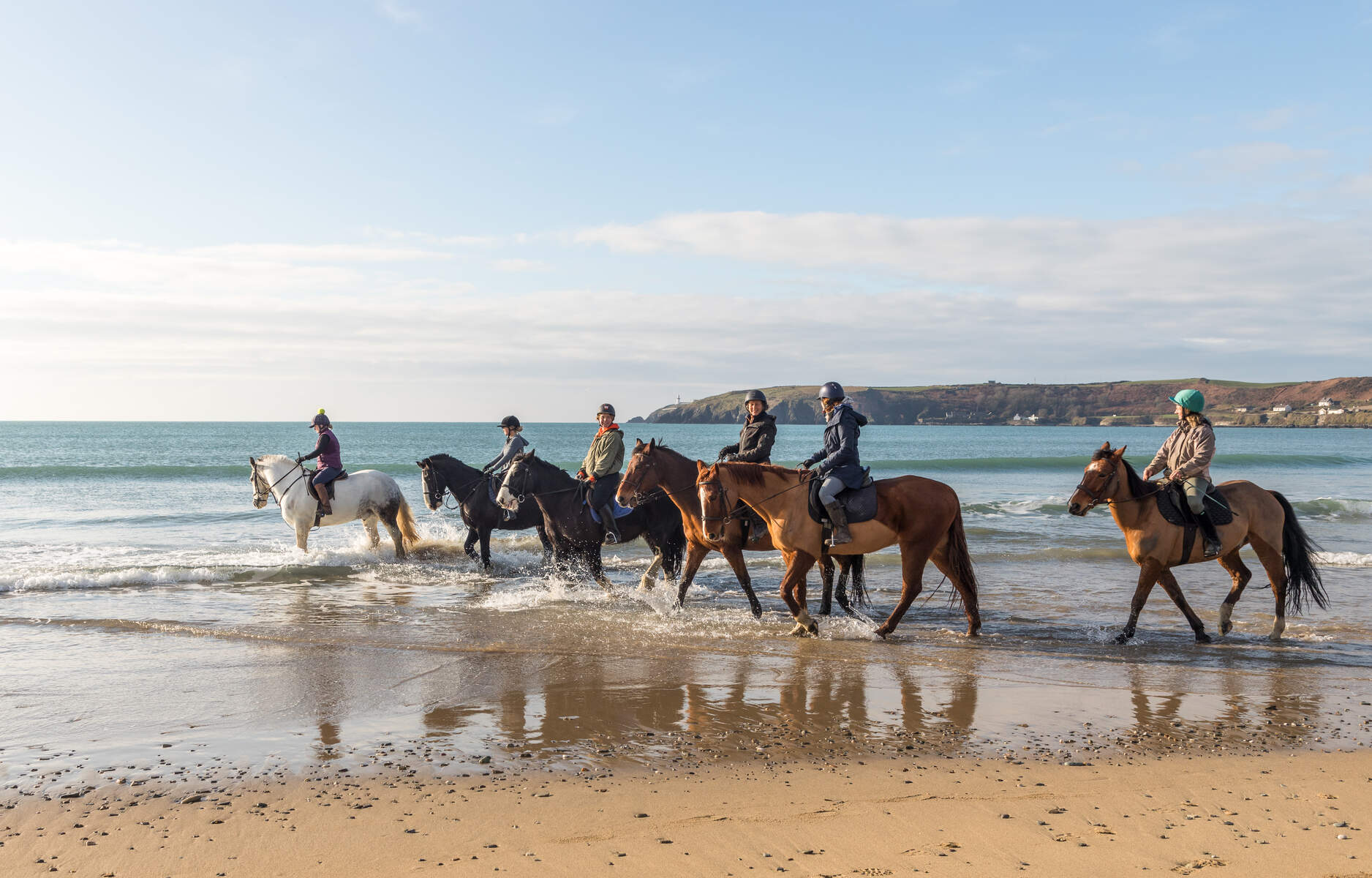
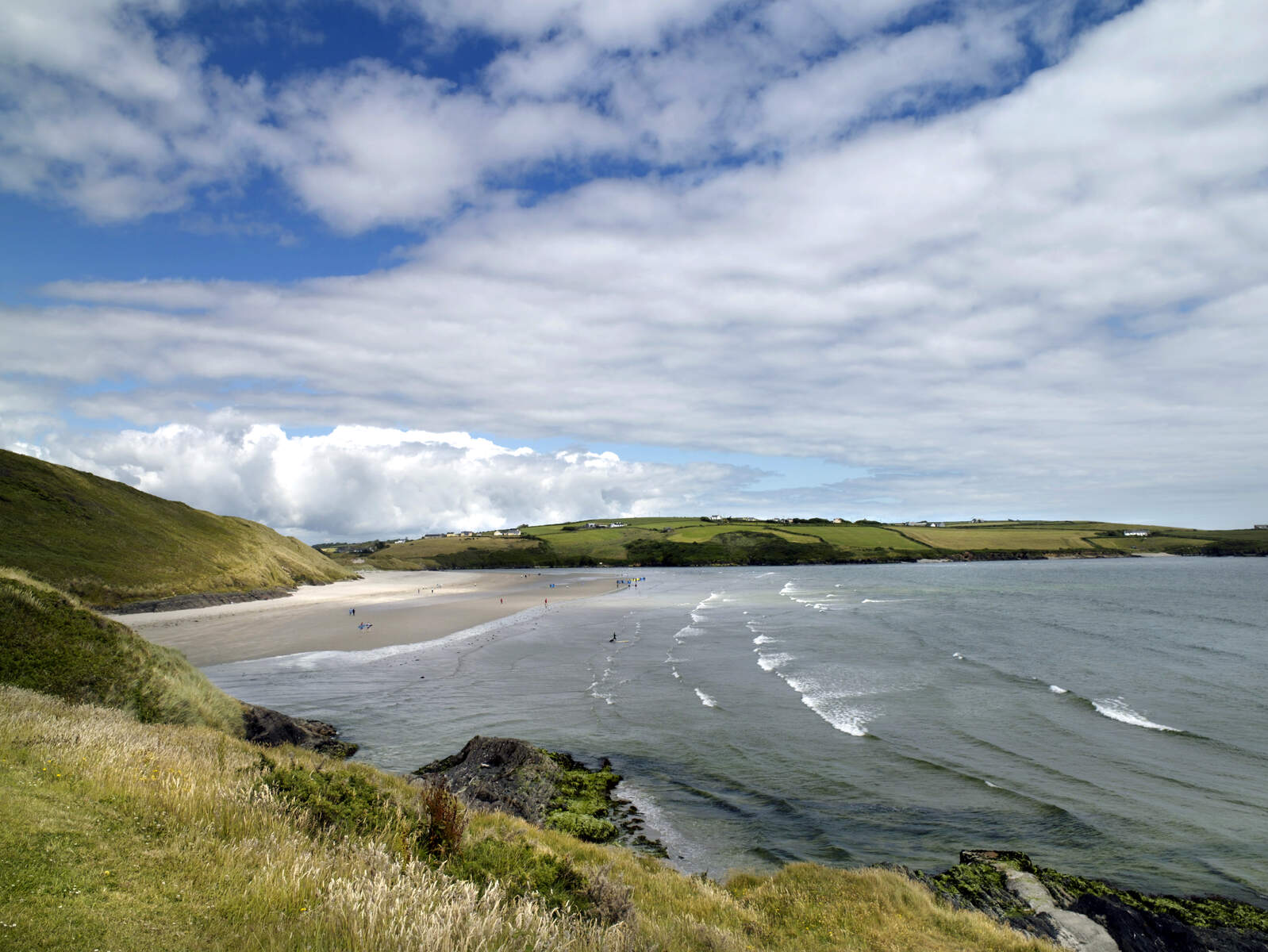
Staying at the cottages gives visitors the chance to wake up to the lighthouse’s rhythmic flash and to explore the coastline on foot. Nearby activities include dolphin and whale watching, surfing at Inchydoney Blue Flag Beach, and a historic walking tour of the market town of Clonakilty, famous for its black pudding.
Heritage Week
Each year, usually in the last week of August, the lighthouse opens its doors to the public during Heritage Week (mid‑August to late August). During this brief window visitors can step inside the tower, learn about the optical equipment, and see the historic lantern room.
Practical Information
Location: Galley Head, Dundeady Island, near Rosscarbery, Co Cork (GPS 51.52997, ‑8.9535). The site is accessed via the N71 from Cork City, followed by local signs to Galley Head. The drive takes roughly 1½ hours.
Public Access: The lighthouse tower is not open to the public except during Heritage Week (mid‑August). The surrounding viewpoint is free to visit year‑round and can be enjoyed from the public car park at Galley Head View.
Accommodation: The two keeper’s cottages are available for self‑catering stays throughout the year. Bookings are made through the Irish Landmark Trust website: Irish Landmark Trust – Galley Head Cottages.
Opening Hours (Heritage Week): Typically 10:00 – 17:00 daily, but exact times vary each year; check the Heritage Week programme for the current schedule.
Admission: No charge to view the lighthouse from the outside. Heritage Week entry is free, though some special tours may carry a modest fee.
Website: Commissioners of Irish Lights – Galley Head
Nearby Attractions: Red Strand and Long Strand beaches, Castle Freke ruins, the town of Clonakilty, and the broader Wild Atlantic Way coastal trail.
Transportation: By car, follow the N71 to Rosscarbery and then the local signs to Galley Head. Public transport options include a bus from Cork City to Rosscarbery, followed by a taxi or a 5‑mile walk to the headland.
Accessibility: The viewpoint is reachable via a short, unpaved path; there is no wheelchair‑accessible route to the lighthouse itself. The keeper’s cottages offer standard accessibility features but are not fully adapted for mobility‑impaired guests.
Best Time to Visit: Clear, calm days provide the most striking sea vistas and allow the lighthouse’s landward arc to be seen from Castle Freke. Late summer offers the added benefit of Heritage Week.
Galley Head Lighthouse remains a living piece of maritime heritage, its white silhouette a constant on the Cork coastline. Whether you are admiring it from the cliff‑top viewpoint, staying in the historic keeper’s cottages, or joining the brief Heritage Week opening, the site delivers a blend of engineering marvel, natural beauty, and Irish history that is hard to match.