
Overview
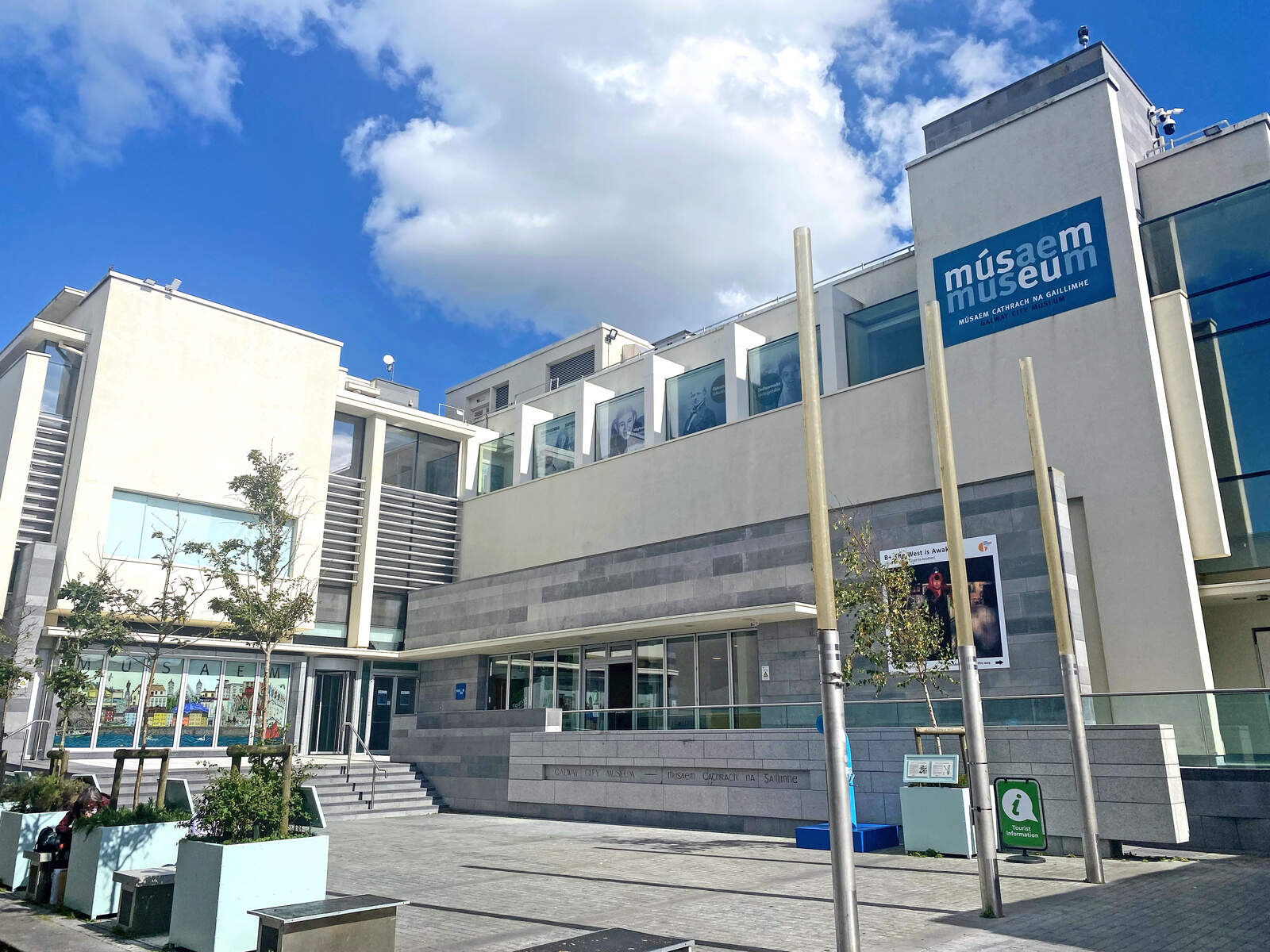
Nestled on the banks of the River Corrib, just a stone’s throw from the medieval Spanish Arch, Galway City Museum offers a compact yet richly layered journey through the city’s past.
The modern, three‑storey building—designed by Ciarán O’Connor and Ger Harvey—opens onto a public plaza that often hosts civic events, giving visitors a pleasant outdoor space before they step inside. Admission is free, making it an ideal rainy‑day activity for families, history buffs, and anyone curious about Galway’s maritime, industrial, and cultural heritage.
History
The museum’s origins date back to 1976 when a modest collection of medieval stones, rescued by artist Clare Sheridan, was displayed in Comerford House, a former private residence on the River Corrib. Over the next three decades the collection grew through generous donations from local residents, eventually encompassing archaeology, folk life, industrial artefacts, and artworks. In 2004 the original museum closed, and a purpose‑built facility opened in April 2007 beside the Spanish Arch. The new building, limited to three levels to respect the scale of surrounding historic structures, cost €6.89 million and earned the Bank of Ireland Opus Architectural Award in 2006.
What to See & Do
Permanent Collections
- DJ Murphy Collection – Over three hundred farm and industrial implements that illustrate traditional rural life in County Galway.
- Medieval Stone Collection – Carvings, chimney pieces, armorial plaques and two complete 16th‑17th‑century fireplaces, including the rare Atty Doorway (1577).
- Claddagh Collection – Objects that trace the history of the Claddagh village, its famous apron and shawl, and a model of the early‑20th‑century settlement.
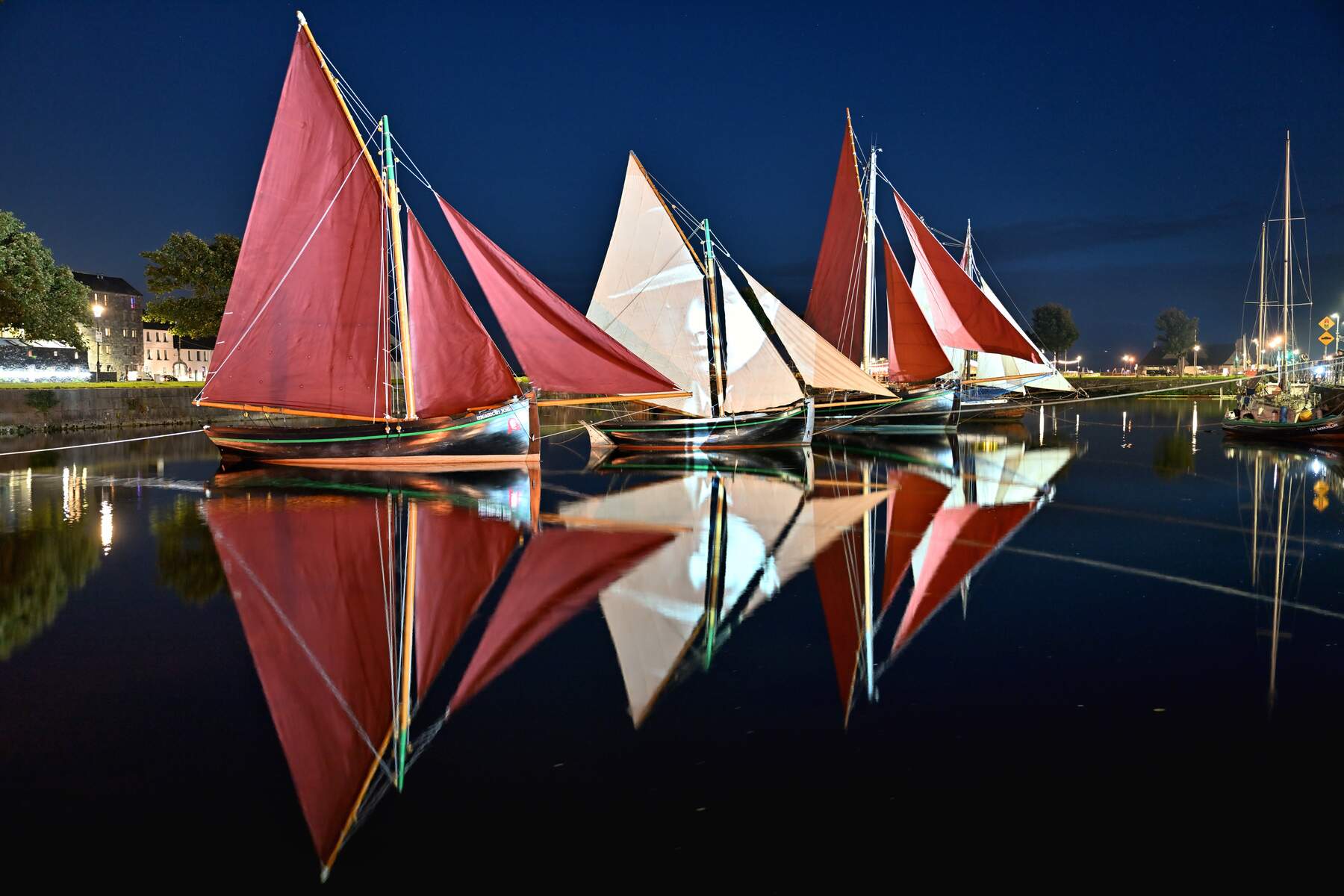
- Maritime Collection – A full‑size replica of a traditional Galway hooker (the Máirtín Oliver), navigation books, an Aldis lamp, and the boat‑building tools of John Reney, the last Claddagh boat builder.
- Galway Militia Artefacts – Uniforms, weapons and personal items linked to the Connaught Rangers and other local regiments.
- 19th‑20th Century Galway – Items from shops, public houses, Persse’s Whiskey Distillery, and a receipt book from a Magdalene laundry.
- Derek Biddulph Photographic Collection – Black‑and‑white images documenting Galway life from the 1950s onward.
- Art Collection – Works by Cecil Maguire, Clare Sheridan’s Madonna and Child carving, and a painting of “Bridie and Galway John”.
Iconic Exhibits
- Statue of Pádraic Ó Conaire – The original bronze statue, now housed inside the museum, celebrates one of Ireland’s most influential writers.
- Oldest Claddagh Ring – A circa‑1700 ring believed to belong to Richard Joyce, a member of the merchant tribes of Galway.
- Civic Sword and Mace – The sword dates to the 1610 charter of King James I; the mace was crafted in Dublin in 1710.
Temporary and Touring Exhibitions
The museum rotates special shows that explore themes such as the 1916 Easter Rising, the Great War, and the GAA’s three‑in‑a‑row triumph (1964‑66). Check the museum’s website for the latest schedule of talks, workshops, and community events.
Practical Information
| Item | Details |
|---|---|
| Opening Hours | Tuesday‑Saturday 10:00‑17:00; Sunday 12:00‑17:00 (closed Monday) |
| Admission | Free (donations welcome) |
| Address | Spanish Parade, Galway, H91 CX5P |
| Coordinates | 53.269832 N, 9.053629 W |
| Website | Visit Galway – Museum page |
| Accessibility | Ground‑floor entrance via the Spanish Arch; lifts serve all three exhibition levels |
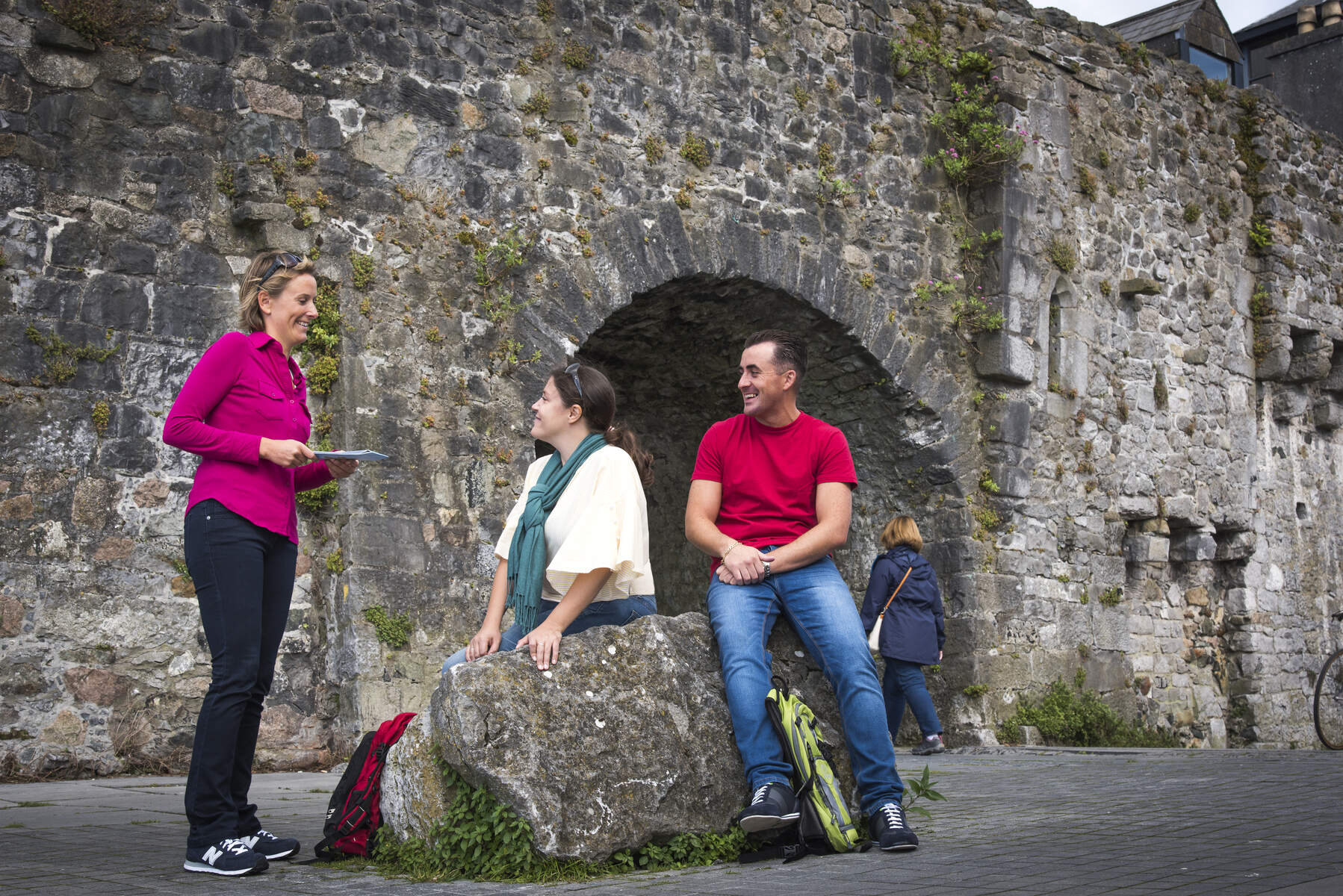
The museum is easily reached on foot from the city centre, the Spanish Arch, and the Long Walk promenade.
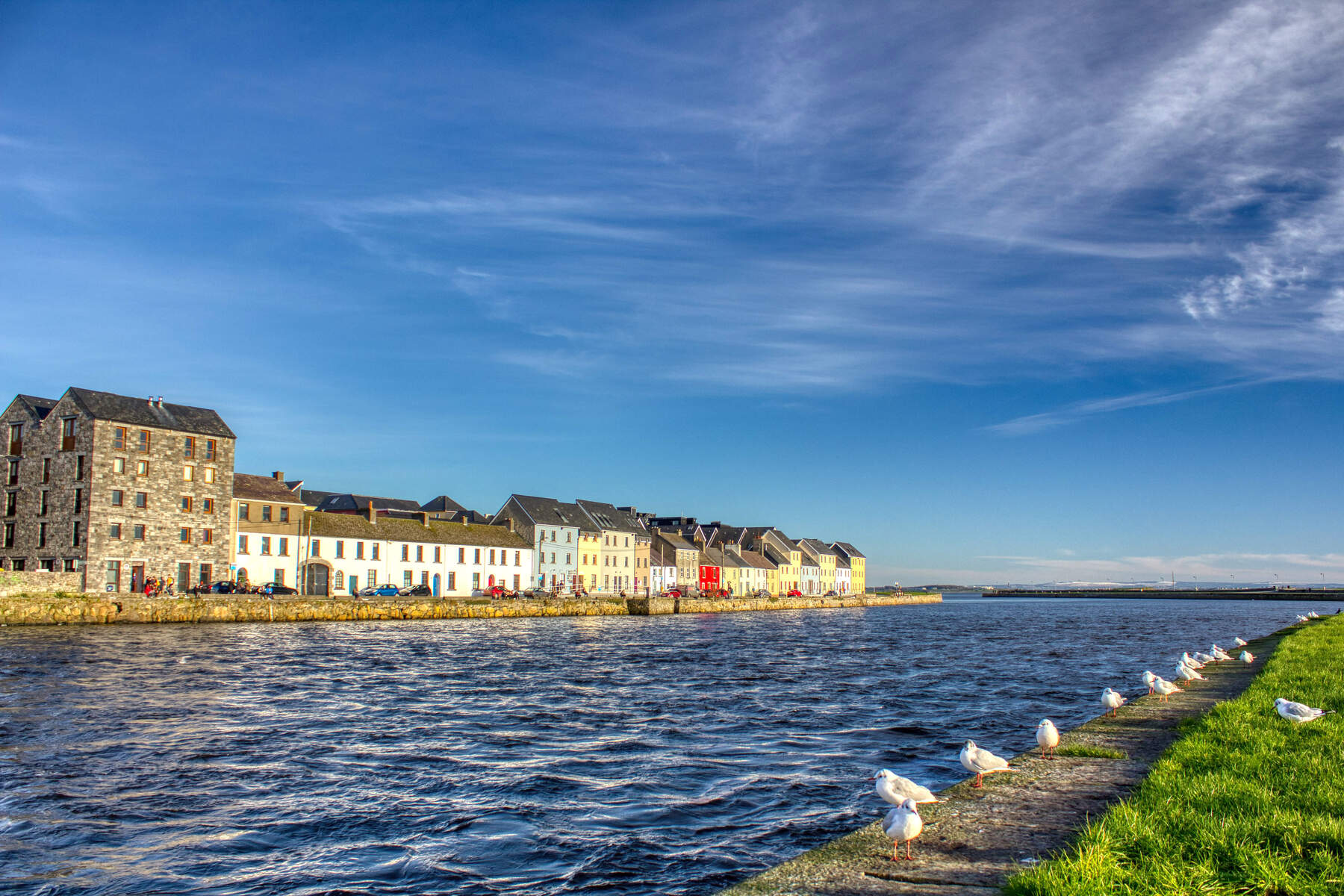
Whether you are tracing Galway’s medieval walls, admiring a replica hooker, or discovering the story behind the world‑famous Claddagh ring, Galway City Museum offers a concise yet compelling snapshot of the city’s soul—perfect for a few hours of cultural immersion in the heart of the West of Ireland.