
Overview
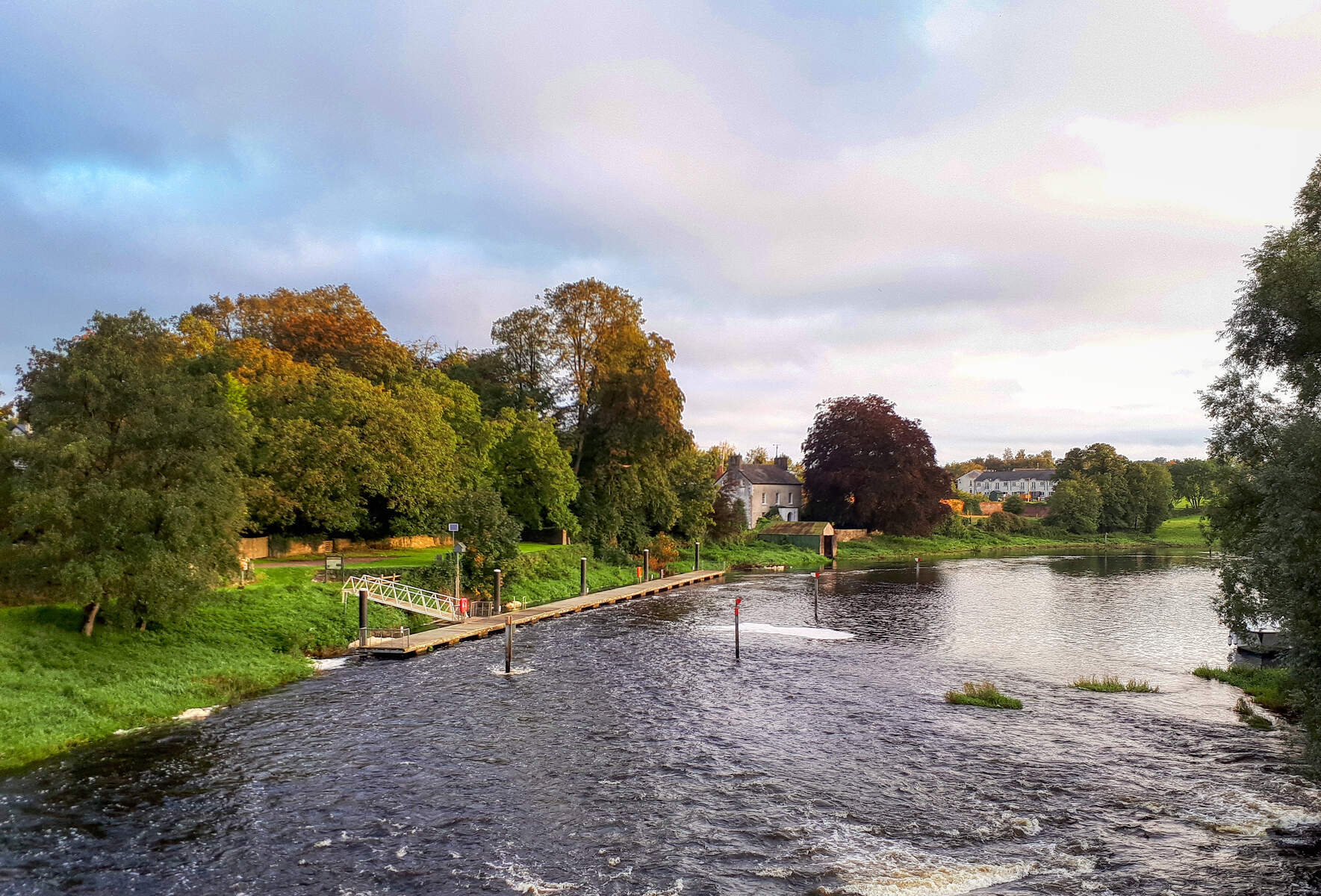
The Gearagh Nature Reserve lies just two kilometres south‑west of Macroom in County Cork, where the River Lee fans out onto a broad alluvial plain. Covering roughly 300 ha and stretching about five kilometres, it is the largest remaining area of post‑glacial alluvial woodland in Ireland and one of the few inland delta forests left in western Europe. The landscape is a quiet tapestry of shallow water, narrow channels and dozens of low‑lying, tree‑crowned islands, punctuated by the ghostly stumps of ancient oak that survived the 1954 flooding. Designated a Ramsar wetland of international importance and a Special Area of Conservation, the reserve offers a sanctuary for a surprisingly rich mix of flora and fauna.
Name and Etymology
The Irish name En Gaorthadh translates as “the wooded river”. This reflects the reserve’s origin as a dense oak forest that once covered the Lee valley after the last Ice Age. The modern anglicised name “Gearagh” is a direct rendering of this Gaelic term.
History
At the end of the last Ice Age, around 8,000 BC, melt‑water from retreating glaciers filled the Lee valley, creating the sprawling wetland that would become the Gearagh. For millennia a dense forest of oak, ash, hazel and hawthorn thrived virtually untouched. The construction of the Inniscarra hydro‑electric dam in the 1950s raised the river level, flooding much of the woodland, felled centuries‑old trees and forced the relocation of local families. The surviving stumps now dot the water’s surface, a stark reminder of that loss. In response, the area was declared a statutory nature reserve in 1987 under the Wildlife Act and remains owned by the ESB, with ongoing management aimed at protecting its unique habitats while allowing low‑impact public access.
Conservation & Management
The Gearagh is protected under three overlapping designations: a Ramsar Site, a Special Area of Conservation (SAC) and a Statutory Nature Reserve. Management is a partnership between the National Parks and Wildlife Service (NPWS) and the Electricity Supply Board (ESB), which monitors water levels, controls invasive species and maintains the walking trail. The focus is on preserving the rare alluvial woodland ecosystem while providing visitors with a low‑impact experience.
What to See & Do
Walking the Loop
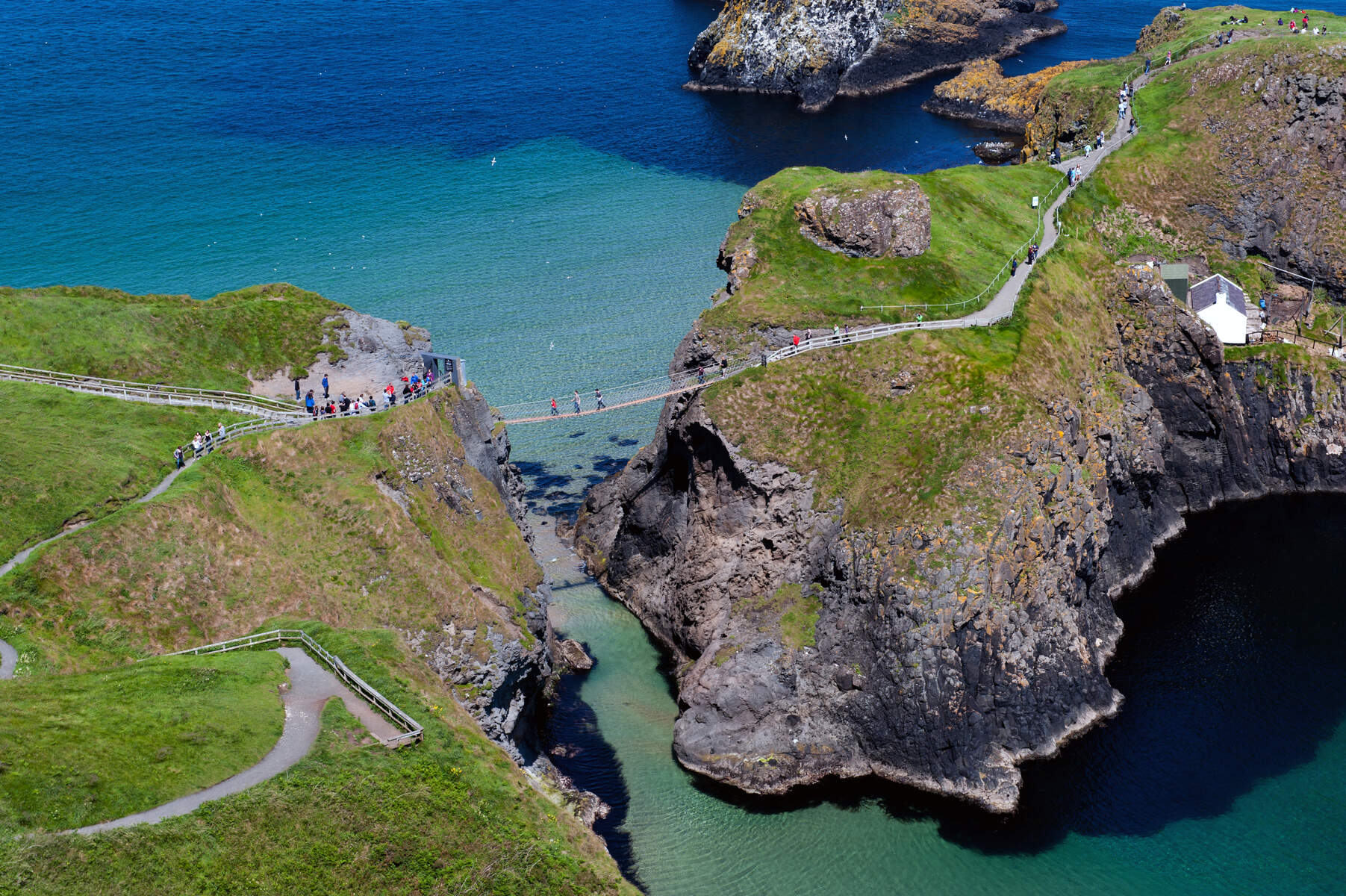
The reserve encourages a single activity – walking – and does so beautifully. A flat, well‑marked 2 km loop begins at the roadside car‑park on Inchigeela Road just outside Macroom. The path weaves over low causeways and natural tracks between the islands, offering occasional pauses on small land‑spits to watch water flow around ancient stumps. The walk can be completed in 45 minutes to an hour at a relaxed pace, though bird‑watchers and photographers often linger longer. Expect uneven ground, exposed roots and occasional mud after rain; sturdy, waterproof shoes are advisable.
Cycling, Running & Other Activities
According to route data on Komoot, the flat, well‑worn paths of the Gearagh are also suitable for road cycling, mountain biking, jogging and trail running. Several short loops – for example the “Irish Everglades” 6.4 km circuit – are rated easy and are appropriate for all fitness levels. Cyclists should be prepared for occasional unpaved sections and the occasional muddy stretch after rain. Runners appreciate the quiet, low‑traffic environment and the chance to spot wildlife from the trail.
Wildlife Watching
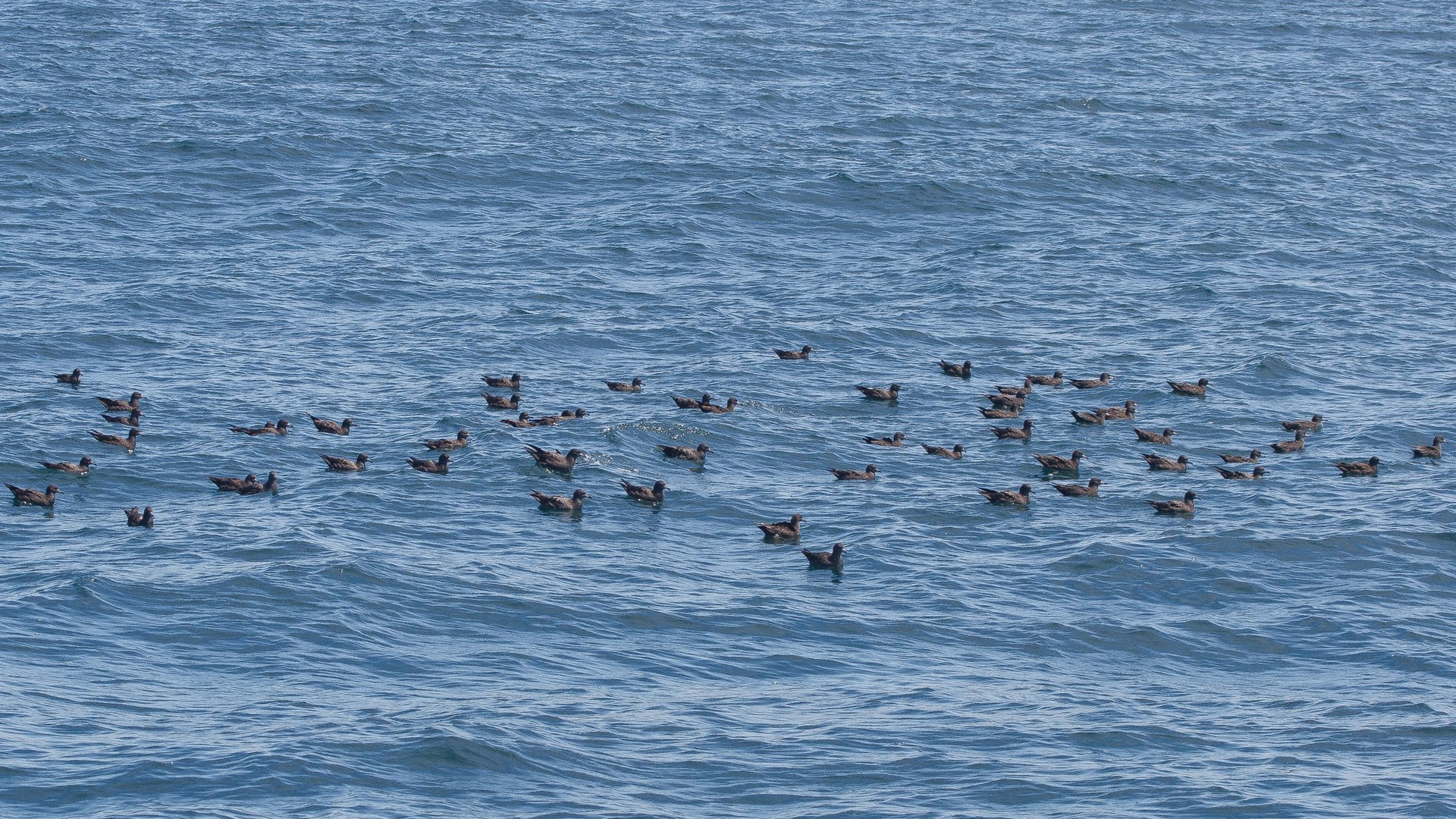
- Birds: Year‑round residents include kingfishers, grey herons, mallards, wigeon, greylag geese and coots. Autumn and winter bring flocks of whooper swans and other migratory waterfowl.
- Mammals: Otters are a regular sight along the banks.
- Fish & Invertebrates: Atlantic salmon and brown trout navigate the Lee’s currents; the near‑extinct freshwater pearl mussel clings to the riverbed, and the white‑clawed crayfish has been recorded in deeper channels.
- Plants: In spring, wild garlic carpets the higher islands, while marsh marigold, meadowsweet and the rare mudwort appear in wetter spots.
Photographic Opportunities
Water levels fluctuate dramatically, giving the Gearagh a different character each season. Summer’s shallow pools mirror willow and alder canopies, creating glass‑like surfaces. Winter’s lower levels expose a lunar landscape of stumps and islands, perfect for moody, low‑light shots. Early mornings often bring mist drifting over the channels, adding an ethereal quality to any frame.
Practical Information
- Access: The reserve is open year‑round; there is no admission charge.
- Parking: A small car‑park is available at the start of the loop on Inchigeela Road.
- Facilities: No visitor centre, café or toilets are provided, so bring water and any necessities.
- Footwear: Sturdy, waterproof shoes are recommended due to uneven and occasionally muddy ground.
- Guidelines: Stay on the marked path, keep dogs on a lead, and take litter home to preserve the delicate habitat.
- Safety: The walk is flat but involves walking over causeways and near water; watch your footing, especially after rain.
Seasonal Water Levels & Visitor Advice
The Gearagh’s water level is highly variable. In dry periods – such as the record‑low levels reported in 2024 – large sections of the lakebed can dry out, exposing water‑lily beds and creating a stark, almost lunar landscape. While this offers unique photographic chances, some causeways may become harder to cross and certain channels can be very shallow. Visitors are advised to check recent water‑level reports (local news or the NPWS site) before setting out, especially during prolonged droughts.
Nearby Attractions
While you’re in the Macroom area, consider adding these short trips to your itinerary:
- Ballyvourney – The Heart of the Muskerry Gaeltacht – a vibrant Irish‑speaking village with traditional music sessions and craft shops, just a 15‑minute drive north.
- Inniscarra Dam – the hydro‑electric dam whose construction reshaped the Gearagh; the dam’s visitor area offers panoramic views of the Lee.
- Macroom Town – browse local shops, enjoy a meal in a cosy pub, or explore the historic Macroom Castle ruins.
Enjoy the serene beauty of the Gearagh, where ancient forest remnants and vibrant wildlife meet the ever‑changing rhythm of the River Lee.