
Overview
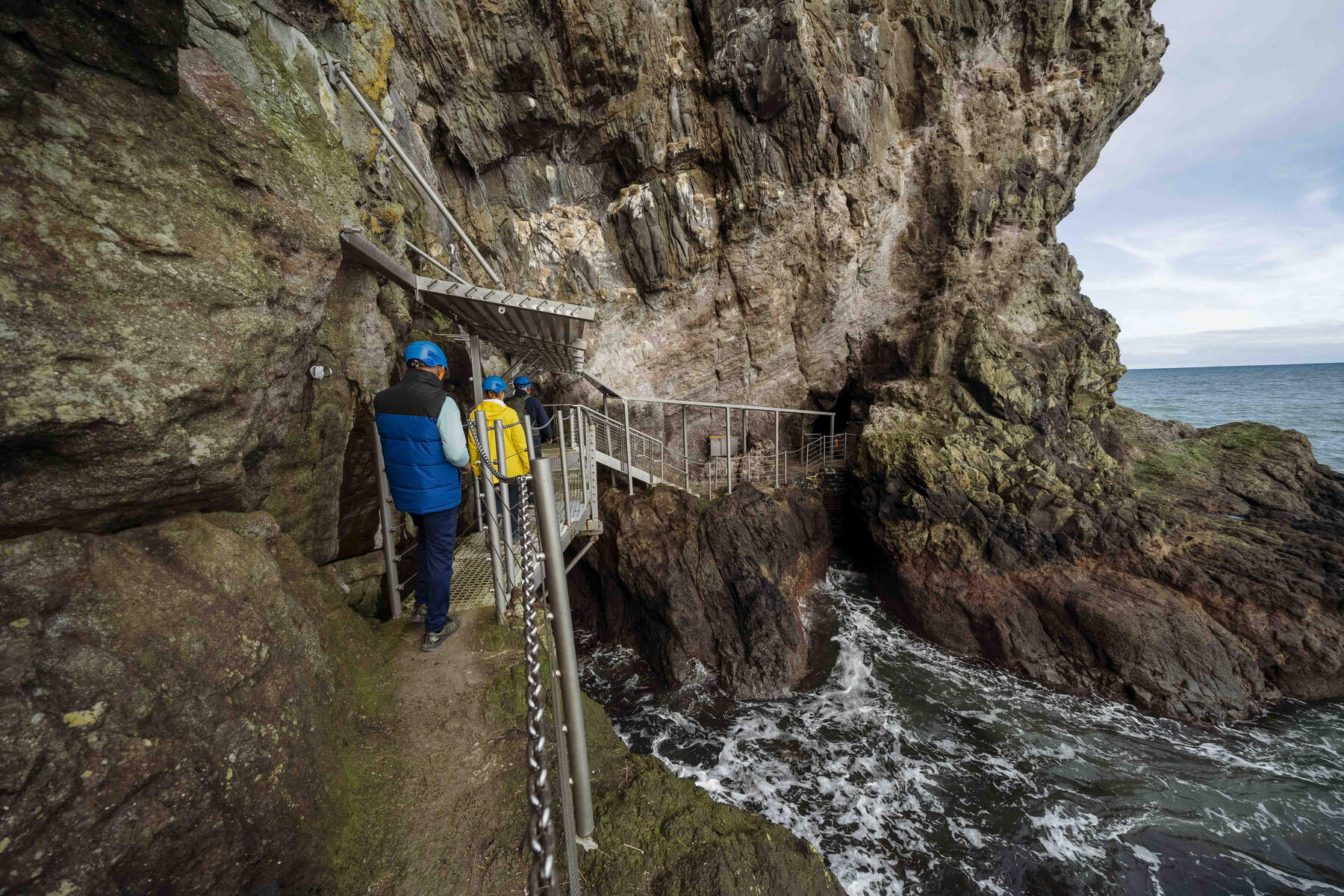
Glanacloghy Rocks sits quietly on the Irish coastline, a subtle outcrop that hints at the dramatic forces that have shaped the island over hundreds of millions of years. Though it does not enjoy the fame of the Cliffs of Moher or the Giant’s Causeway, the rocks are a genuine piece of the geological puzzle that tells the story of ancient seas, volcanic eruptions, and continental drift. Visitors who venture to this secluded spot are rewarded with a sense of discovery and a tangible connection to the deep time that underpins Ireland’s landscape.
Background
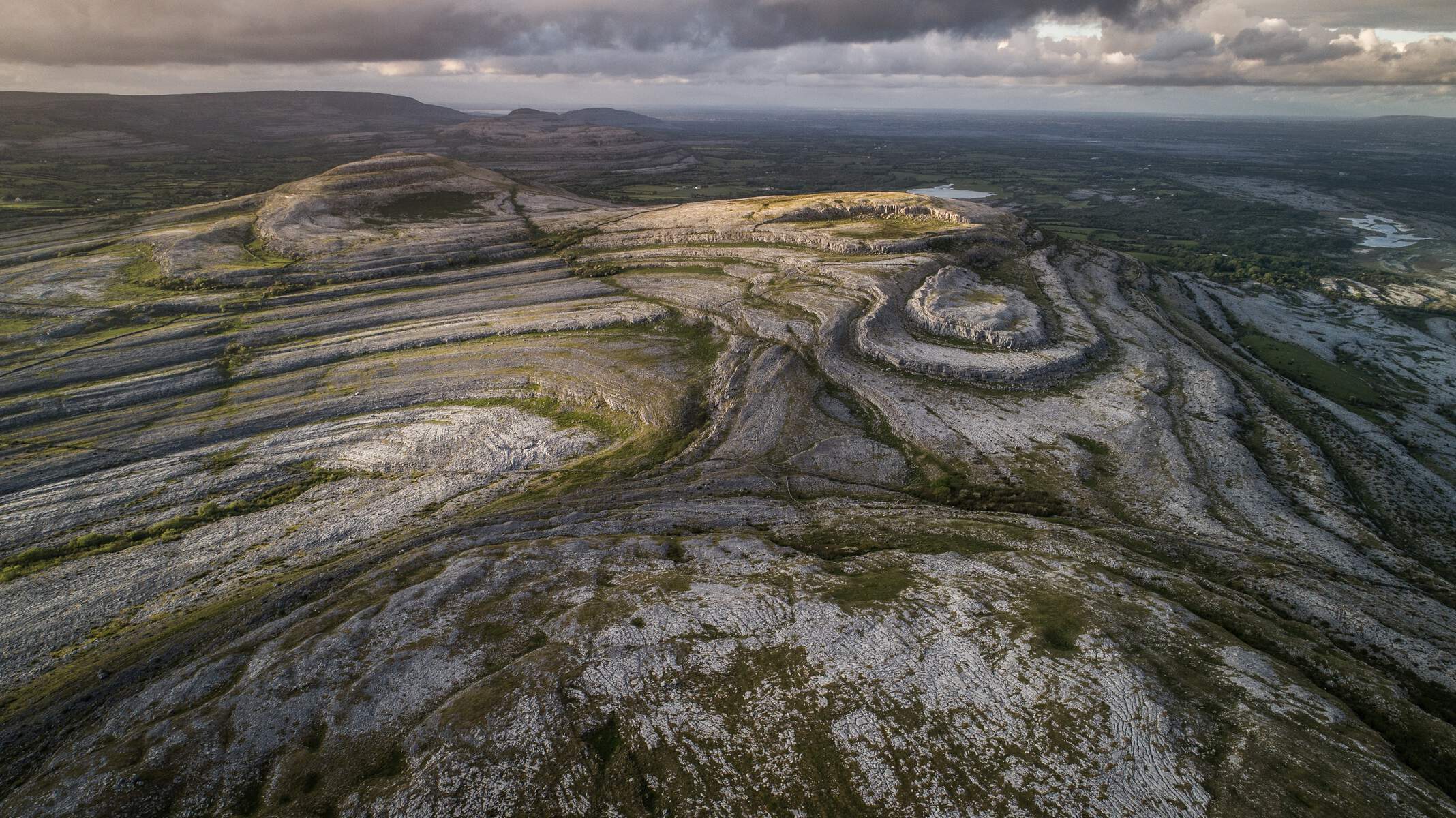
Ireland’s geology is a patchwork of eras, each leaving its imprint on the land. From the Devonian‑age slate that preserves the world’s oldest tetrapod footprints on Valentia Island, to the Carboniferous limestone of Doolin Pier that still bears crinoid stems and a rare shark tooth, the island is a living museum of Earth’s history. The Burren’s twisted limestone hills, the billion‑year‑old gneiss of Inistrahull, and the copper‑stained cliffs of Stage Cove each illustrate a different chapter of that story.
Glanacloghy Rocks, while not described in detail in the available sources, belongs to this same lineage of formations. Its very name – “Glanacloghy” – suggests a Gaelic origin, often associated with coastal or riverine settings where water has polished the stone over time. In the broader context of Irish geology, such outcrops are typically the result of ancient volcanic activity, sedimentary deposition, or the relentless sculpting by glacial ice during the last Ice Age. The rocks therefore serve as a silent record of the island’s transition from a tropical sea floor to the rugged, green terrain we recognise today.
What to See & Do
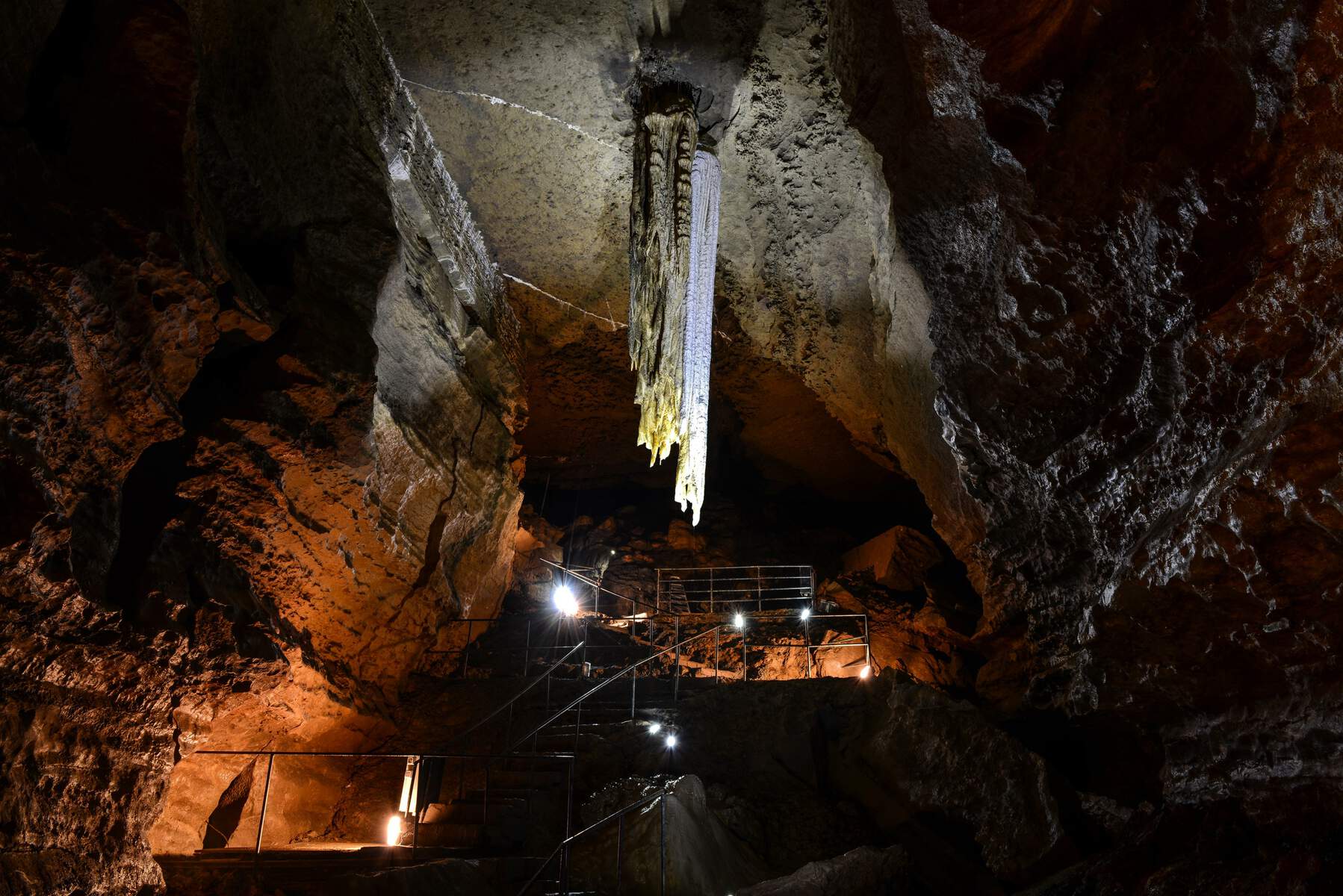
Even without a dedicated visitor centre, Glanacloghy Rocks offers several points of interest for the observant traveller:
- Rock Formations – Look for layered strata, mineral staining, or unusual veins that echo the copper‑rich cliffs of Waterford’s Stage Cove. Colours range from muted greys to vivid greens and blues, depending on mineral content.
- Fossil Hunting – While the site is not noted for abundant fossils, the surrounding coastline often yields crinoid stems, brachiopods and occasional shark teeth, as seen at Doolin Pier.
- Photography – Sunrise and sunset light create dramatic shadows on the faces of the rocks, and the remote setting means few crowds to distract.
- Coastal Walks – A short, sign‑posted path leads from the nearest village to the outcrop, offering sea‑bird spotting and, in season, glimpses of marine mammals.
How to Get There
Access is by road; the nearest settlement is a small coastal village (exact name to be confirmed). From the village car‑park, a marked footpath leads to the rocks. Because GPS coordinates are not widely published, visitors should carry a detailed OS map or use a navigation app that includes minor coastal tracks. Parking is generally free, but check local signage for any time limits.
Practical Information
Because Glanacloghy Rocks is a lesser‑publicised site, there is no formal ticketing system or staffed information point. Access is therefore free and unrestricted, mirroring the open‑access policy of many of Ireland’s geological attractions.
- Tides and Weather – Low tide provides the safest and most expansive view; high tide can restrict access to the base of the formation. Irish weather changes quickly, so dress for wind and rain and avoid the site in severe swell.
- Safety – The rocks themselves are stable, but surrounding cliffs may have loose sections. Stay on the designated path and obey any signage.
- Facilities – No permanent facilities exist on site. Toilets, cafés and additional parking are available in the nearby village.
- Conservation – Do not remove rock samples or disturb the environment. The site is protected under national and EU geological heritage regulations.
Nearby Attractions
If you have time, consider extending your visit to other coastal highlights in the area, such as the Ballymacran Coastal Walk – Lough Foyle, which offers complementary sea‑scapes and bird‑watching opportunities.
The Bigger Picture
Glanacloghy Rocks may not dominate travel brochures, yet it embodies the spirit of discovery that drives many of Ireland’s geological enthusiasts. By placing this modest outcrop alongside world‑renowned sites highlighted by Robbie Galvin – from the Devonian footprints on Valentia to the copper‑stained cliffs of Waterford – visitors gain a fuller appreciation of the island’s complex past. Each rock, each mineral vein, and each fossil fragment adds a line to the story of an island that has been a volcanic hotspot, a tropical seabed, and a glaciated wilderness all within the span of a few hundred million years.
Exploring Glanacloghy Rocks is therefore an invitation to step off the well‑trodden path and engage directly with the ancient forces that shaped Ireland. Whether you are a seasoned geologist, a casual walker, or a photographer seeking new textures, the rocks offer a quiet, contemplative experience that complements the more dramatic spectacles found elsewhere on the island.
For further reading on Ireland’s geology, see the Geological Survey of Ireland’s website and the detailed articles on the Valentian Trackway, Doolin Pier, Mullaghmór Hill, Inistrahull, and Stage Cove.