
Overview
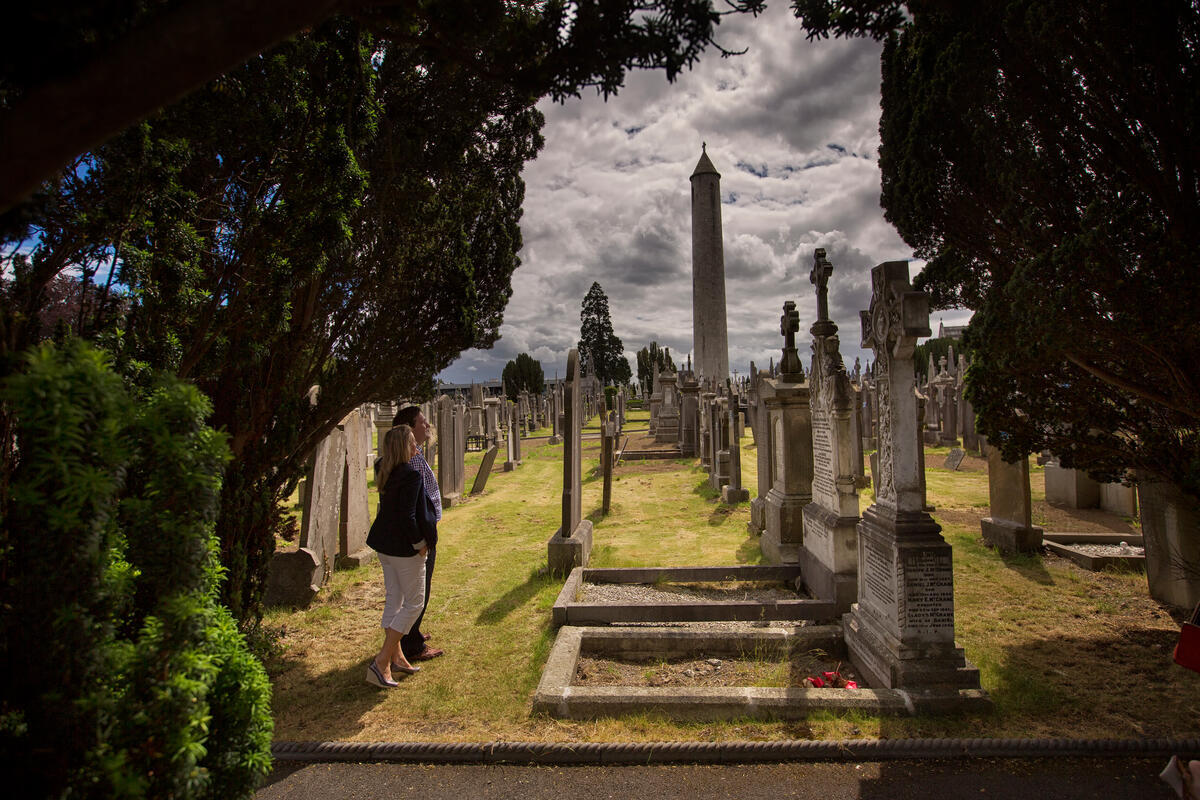
Set on 124 acres of rolling lawns just 2.5 km north of Dublin’s city centre, Glasnevin Cemetery Museum is more than a burial ground – it is a living archive of Irish history. Opened in 1832, the cemetery now holds the remains of more than one and a half million people, from revolutionary politicians to celebrated artists. The site is anchored by the award‑winning interactive museum and Ireland’s tallest round tower, the 180‑foot O’Connell Tower, which offers panoramic views of the capital.
Visitors can wander the Victorian‑style garden at their own pace, join a passionate guide for a themed tour, or climb the tower for a bird’s‑eye perspective of Dublin’s skyline. The combination of tranquil green space, striking monuments and cutting‑edge exhibits makes Glasnevin a top destination for history buffs, families, and anyone who enjoys a thoughtful cultural experience.
History
Glasnevin’s origins lie in the struggle for religious equality in early‑19th‑century Ireland. Under the Penal Laws, Dublin’s Catholic majority had no dignified burial ground of their own. In 1823 a public outcry over a restricted funeral mass sparked a campaign led by Daniel O’Connell, the “Liberator”, who championed a cemetery open to all faiths. The cemetery was originally called Prospect Cemetery and was consecrated on 21 February 1832; the first interment – eleven‑year‑old Michael Carey – took place the following day.
The original nine‑acre plot quickly expanded to its present 124 acres, becoming the final resting place for victims of the Great Famine, cholera epidemics, the Spanish flu and the 1916 Easter Rising. Notable graves include those of Michael Collins, Éamon de Valera, Charles Stewart Parnell, Countess Markievicz, poet Brendan Behan and musician Luke Kelly. The cemetery also contains mass‑grave sections – an estimated 800,000 burials – and a dedicated “Angels Plot” where still‑born babies are interred on consecrated ground.
The high walls that surround the grounds were built in the 19th century to deter body‑snatchers; watchmen and dogs once patrolled the perimeter. The world’s largest collection of Celtic crosses is also housed here, showcasing centuries of stone‑carving tradition.
The O’Connell Tower, originally opened in 1869, was destroyed by a bomb in 1971 and fully restored in 2018. It now houses O’Connell’s family crypt at its base and a spiral staircase of 222 steps that rewards climbers with sweeping views of Dublin, Meath, Wicklow and the Irish Sea.
The museum, opened in 2010, was the first cemetery museum in the world and the first Irish museum to win the Thea Award for Outstanding Achievement. Its two‑floor exhibition, “The City of the Dead”, uses touch‑free stylus pens, audio guides and interactive screens to trace Ireland’s social, political and artistic evolution through the lives of those buried in Glasnevin.
What to See & Do
- Guided tours – Choose from four themed experiences:
- Irish History Tour: Highlights the graves of Michael Collins, Daniel O’Connell and other key figures, with in‑depth commentary on the 1916 Rising and the Civil War.
- O’Connell Tower Tour: Explores the Liberator’s crypt and the tower’s restoration story, culminating in a climb to the summit.
- Extra‑Ordinary Lives Tour: Delves into the lesser‑known stories of people such as Maria Higgins (buried twice) and Francis de Groot, who inadvertently opened the Sydney Harbour Bridge.
- Dead Interesting Tour: Focuses on quirky anecdotes, from a lion‑tamer’s fatal encounter to a woman who was buried twice.
- Self‑guided exploration – Purchase an €8 audio guide (available in eight languages) and a souvenir passport to stamp at key graves. The guide syncs with a map that points out the most significant monuments.
- O’Connell Tower climb – Ascend the 222‑step spiral staircase for a 55‑metre‑high vista over Dublin’s rooftops, the River Liffey and the surrounding parkland.
- Museum exhibitions – Interactive displays cover genealogy, the Great Famine, Irish rebellion, World War I, Cumann na mBan and the evolution of Irish art and music. Touch‑free stylus pens let visitors annotate screens without contaminating surfaces.
- Celtic cross collection – Wander among the world’s largest assortment of intricately carved crosses, each telling a story of faith, craftsmanship and local legend.
- Milestone Gallery – A dedicated space that introduces visitors to the most influential figures buried here, beginning with Daniel O’Connell.
- Nearby attractions – The National Botanic Gardens sit next door, offering a leafy contrast to the solemn stonework. Croke Park, Dublin’s iconic GAA stadium, is also within walking distance. For a family‑friendly outing, consider a short bus ride to Ardgillan Castle or a visit to the historic Arbour Hill monument.
Interesting Stories
Glasnevin is full of unusual tales that bring its history to life:
- The Seapoint Tragedy – In the 19th century a family ate mussels from a polluted pond, leading to the death of five children. The incident is recorded in contemporary coroner reports and even mentioned in James Joyce’s Ulysses.
- The Fake Funeral Scam – A man once staged a fake burial by filling a coffin with bricks, claiming his wife had died. Six years later the ‘wife’ resurfaced, the truth was uncovered and the grave was exhumed.
- Brendan Behan’s Pint – Every year on his birthday a pint of Guinness is left on Behan’s grave; the nearby pub “The Grave Diggers” jokes about the missing glasses.
- Michael Collins’s Crowning Spot – Collins’s grave receives the most flowers of any burial in Glasnevin, a testament to his enduring popularity among visitors from around the world.
These anecdotes are highlighted on several of the themed tours and are also featured in the museum’s digital exhibits.
Events & Seasonal Highlights
- Virtual tours via Google Arts & Culture – Free online exploration of the museum and selected graves, updated regularly with new stories such as Cumann na mBan, World War I soldiers and the funeral of Jeremiah O’Donovan Rossa.
- 1916 Easter Rising Commemorations – Special talks and guided walks are organised each March to mark the centenary of the Rising, often featuring descendants of the figures buried on site.
- Seasonal Exhibitions – The museum rotates thematic displays; recent examples include a focus on women’s roles in Irish revolutionary history and a showcase of Celtic stone‑carving techniques.
- Family Workshops – During school holidays the museum runs genealogy‑intro sessions and interactive storytelling for children aged 7‑12.
Check the official website for the latest schedule, as events are often tied to historic anniversaries.
Online & Virtual Experience
Glasnevin Cemetery Museum partners with Google Arts & Culture, offering a virtual tour of the museum and selected graves. This online experience lets you explore the “City of the Dead” exhibition, view high‑resolution images of the Celtic crosses and listen to audio stories about figures such as Thomas Ashe and Jeremiah O’Donovan Rossa. The virtual platform is regularly updated with new online exhibits, including:
- Cumann na mBan – The formation and impact of the women’s organisation during the Easter Rising.
- Glasnevin Cemetery & World War One – Stories of the Irish soldiers buried here.
- The Funeral of Jeremiah O’Donovan Rossa – The 1915 funeral that inspired a nation.
These resources are free and can be accessed via the Google Arts & Culture site.
Genealogy & Research Services
The museum runs a dedicated genealogy desk where visitors can search the burial registers, census records and newspaper archives to trace family connections. A paid research service is available for those who prefer a specialist to conduct the search on their behalf. The on‑site archive holds over 1.5 million burial entries, making it a valuable resource for anyone researching Irish ancestry.
Practical Information
| Area | Opening Hours |
|---|---|
| Cemetery (self‑guided) | 9:00 am – 5:00 pm daily |
| Visitor Centre & Museum | 10:00 am – 5:00 pm daily (last entry 5:00 pm) |
| Tour | Price (adult) | Includes |
|---|---|---|
| Self‑guided (audio guide) | €8 | Museum entry + audio guide |
| Irish History Tour | Varies* | Guided tour + museum entry |
| O’Connell Tower Tour | Varies* | Tower climb + museum entry |
| Extra‑Ordinary Lives Tour | Varies* | Storytelling guide + museum entry |
| Dead Interesting Tour | Varies* | Lesser‑known stories + museum entry |
*Tour prices fluctuate seasonally; check the official website for the latest rates.
Getting there – Glasnevin Cemetery Museum is located on Finglas Road, Dublin 11. From O’Connell Street, Dublin Bus routes 4, 9, 40, 83 or 140 drop you directly at the entrance. The Drumcondra DART station is about 1.5 km away (a 20‑minute walk). Cyclists can use the on‑site bike racks beside the museum.
Parking – A small car park accommodates up to 30 vehicles for a €2 fee. Additional street parking is available across the road near the Tower Café.
Facilities – The visitor centre houses the Tower Café, offering a varied menu, and the Glasnevin Trust Shop, which sells heritage‑themed souvenirs. Audio guides are free to download onto personal devices, and a stylus pen is provided for touch‑free interaction with exhibit screens.
Accessibility – The museum interior is fully wheelchair‑accessible. The O’Connell Tower climb involves a steep staircase and is therefore not suitable for visitors with limited mobility.
Booking – While walk‑in tickets are accepted, peak periods (especially summer weekends) can fill quickly. Advance booking via the official ticket page guarantees a spot on your preferred tour.
Visitor tips – Photography is permitted in most outdoor areas but flash is discouraged near delicate monuments. Dogs are allowed on a leash in the open grounds but not inside the museum or during guided tours.
Glasnevin Cemetery Museum offers a rare blend of solemn remembrance, vibrant storytelling and panoramic views. Whether you are tracing family roots, seeking insight into Ireland’s turbulent past, or simply enjoying a peaceful stroll among historic monuments, the site provides a richly layered experience that resonates long after you leave the grounds.