
Overview
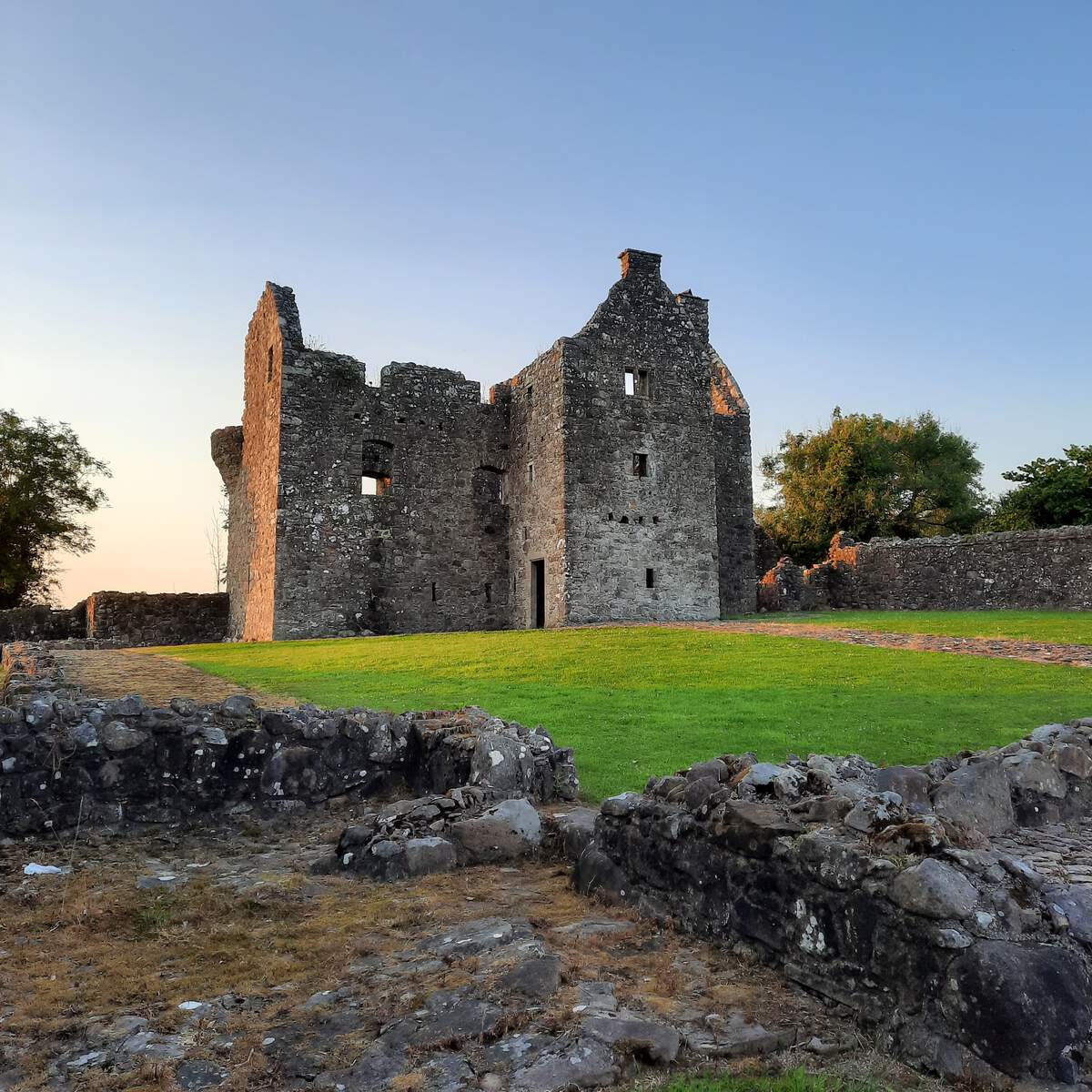
Gweedaney Stream (often referred to as Gweedaney River) lies just north‑west of Sligo town in the province of Connacht. The waterway meanders through low‑lying farmland and patches of native woodland, creating a series of gentle bends that are ideal for both fly‑fishing and spin‑casting. Anglers are drawn to the stream for its healthy populations of brown trout and occasional sea trout, while walkers enjoy the quiet, reflective surface that mirrors the surrounding sky.
History & Landscape
Although the stream does not feature prominently in recorded Irish history, its name appears on local maps and in angling guides dating back to the early 20th century. The surrounding landscape has long supported a mixed agricultural economy, and the stream has traditionally supplied water for livestock and small‑scale milling. Over recent decades, the watercourse has become a focal point for recreational fishing, with local clubs maintaining informal stewardship of the banks.
Community Involvement
Local angling clubs, many of which belong to the Sligo Angling Association, look after the banks and help monitor fish stocks. Recent commentary in the Irish Independent highlighted a desire among anglers for improved signage at Sligo’s angling sites, Gweedaney Stream included, to aid visitors and promote responsible fishing practices. The clubs also organise occasional clean‑up days and share spot recommendations through online platforms such as Fishbox.
What to See & Do
Fishing
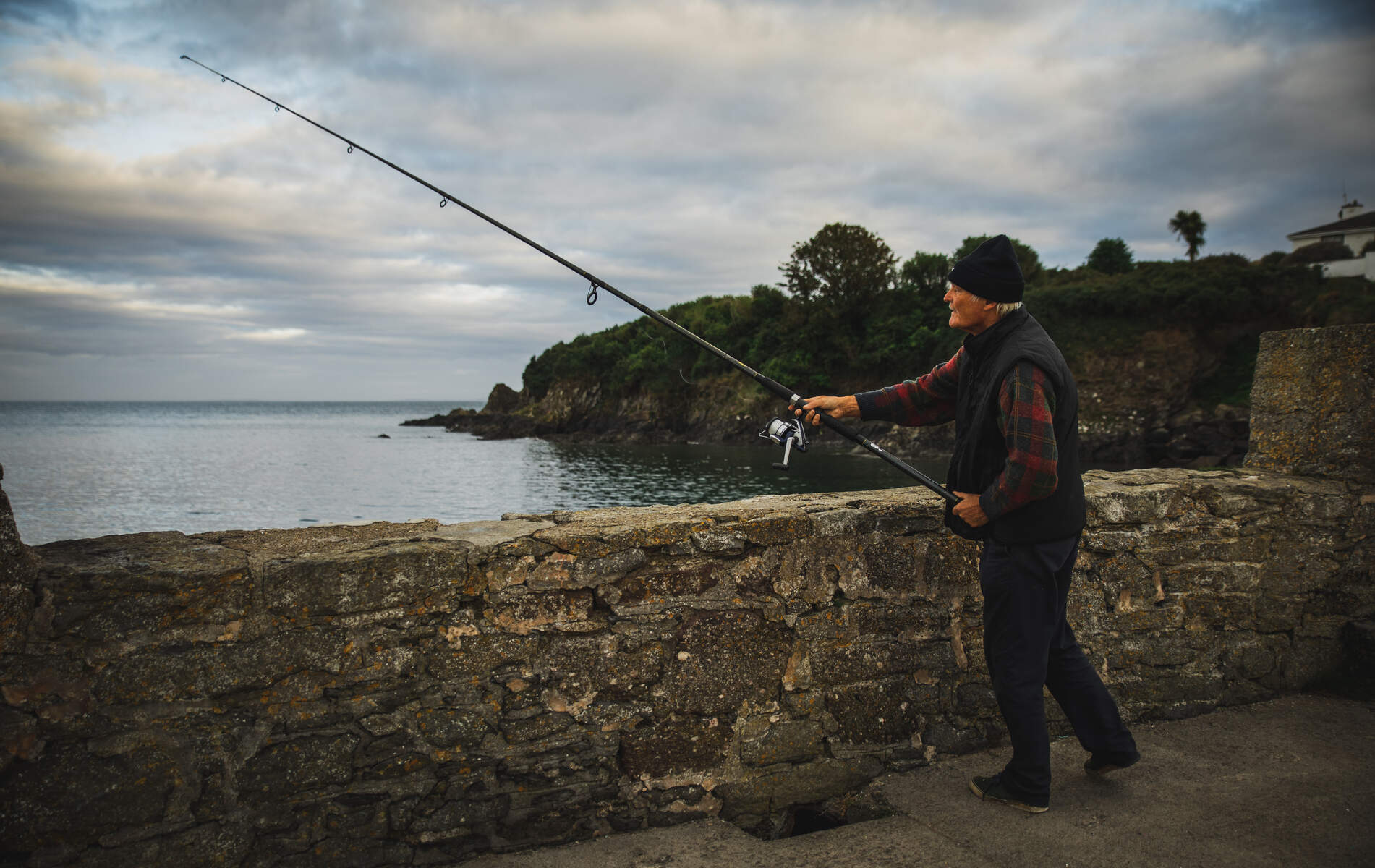
The primary draw of Gweedaney Stream is its reputation as a productive trout fishery. Local anglers report steady catches of brown trout ranging from 0.5 kg to 2 kg, with the best results recorded during the early morning hours in late spring and early autumn. The stream’s structure—comprising riffles, pools, and occasional undercut banks—provides natural cover for fish and varied presenting opportunities for both nymph and dry‑fly techniques.
For up‑to‑date spot recommendations, the online guide on Fishbox lists several “hot spots” that have been verified by local anglers. While the site does not prescribe a specific licence, it advises visitors to check the current fishing regulations for the area before casting. A link to the general regulation page is provided on the site, ensuring anglers stay compliant with seasonal limits and catch‑and‑release rules.
Fishing licence – In Ireland, a rod licence issued by Inland Fisheries Ireland is required for all freshwater angling. Anglers should obtain a licence before fishing at Gweedaney Stream and ensure they are aware of any local restrictions.
Scenic Walks
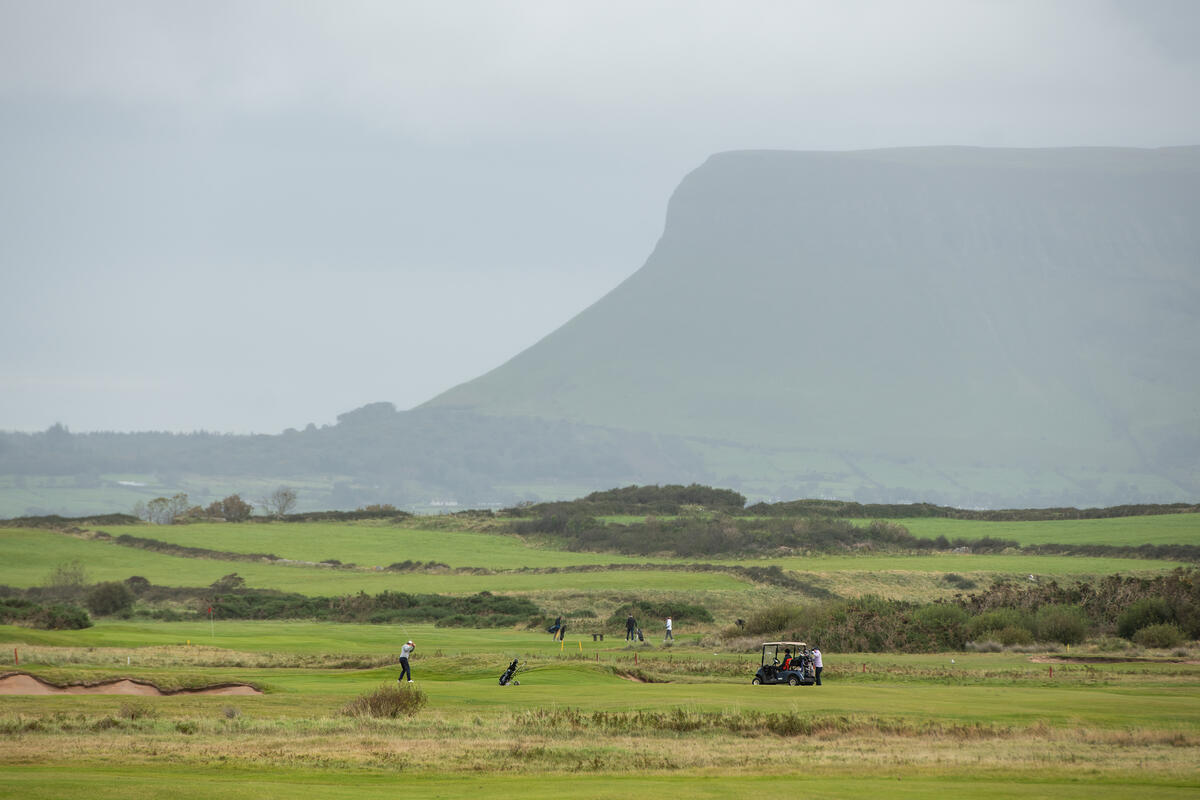
Beyond angling, the stream’s banks offer a low‑impact walking experience. The gentle gradient makes the route accessible for most fitness levels, and the surrounding fields open up to occasional views of the distant Sligo hills. Birdwatchers may spot kingfishers darting over the water, while the occasional otter can be glimpsed at dusk.
Wildlife
The riparian habitat supports a range of wildlife. In addition to kingfishers, you may hear the call of the common sandpiper and see grass‑land birds such as meadow pipits. Otters are most active at dawn and dusk, and the water’s clear pools often reveal freshwater mussels and aquatic insects that form the trout’s food base.
Seasonal Highlights
Trout activity peaks in late spring (May‑June) when brown trout are on the rise, and again in early autumn (September‑October) when sea trout make their way upstream. Early morning sessions during these periods tend to produce the best catches. Autumn also brings a colourful backdrop of turning foliage in the surrounding woodlands.
Conservation & Community
Local angling clubs, including members of the Sligo Angling Association, look after the banks and help monitor fish stocks. Recent commentary in the Irish Independent highlighted a desire among anglers for improved signage at Sligo’s angling sites, Gweedaney Stream included, to aid visitors and promote responsible fishing practices.
Getting There
The stream is accessed via the regional road network linking Sligo town to the surrounding countryside, most commonly the R291. A simple Google or Mapcarta search for “Gweedaney Stream” will pinpoint the exact location and provide turn‑by‑turn directions. A small lay‑by on the road provides parking, though facilities are limited; visitors should bring water and any required supplies.
Public transport options are limited; the nearest regular bus service stops in Sligo town, from where a short taxi ride or a private car is the most convenient way to reach the stream.
Nearby Attractions
A visit to Gweedaney Stream can be combined with several of Sligo’s highlights:
- Benbulben Forest Walk – a 5 km loop offering dramatic mountain scenery and views of the iconic Benbulben plateau.
- Ballysadare River – renowned for its salmon runs and waterfalls, just a short drive east of the stream.
- Ballygilgan Nature Reserve – a nearby wetland haven for birds and otters.
- Sligo town – historic streets, the Cathedral of the Immaculate Conception, and a range of cafés and pubs.
Practical Information
Access – Reachable via the R291 road north‑west of Sligo town. Parking is available at a lay‑by (verify exact spot before arrival).
Regulations – Angling is permitted but subject to the standard Irish fishing regulations, which vary by location and season. Visitors should consult the regulation link on the Fishbox page or contact the local County Sligo Angling Association for the latest rules.
Fees – No formal admission fee is listed for accessing the stream or its banks.
Best Time to Visit – Trout action is strongest in May‑June and September‑October. Early mornings during these months are especially productive.
Facilities – No on‑site cafés or restrooms are recorded. Visitors should bring their own supplies or use facilities in nearby Sligo town.
Safety – The water flow is moderate; however, anglers should be aware of slippery banks after rain. The stream’s depth is generally shallow, but occasional deeper pools require caution when wading.
Navigation – For precise mapping, the Fishbox site includes a “map” button that opens an interactive map centred on the river’s coordinates. This can be useful for planning entry points and identifying the most productive fishing stretches.
By combining the quiet charm of a rural Irish waterway with reliable trout fishing, Gweedaney Stream offers a modest yet rewarding outdoor experience for anglers and nature lovers alike.