
Overview
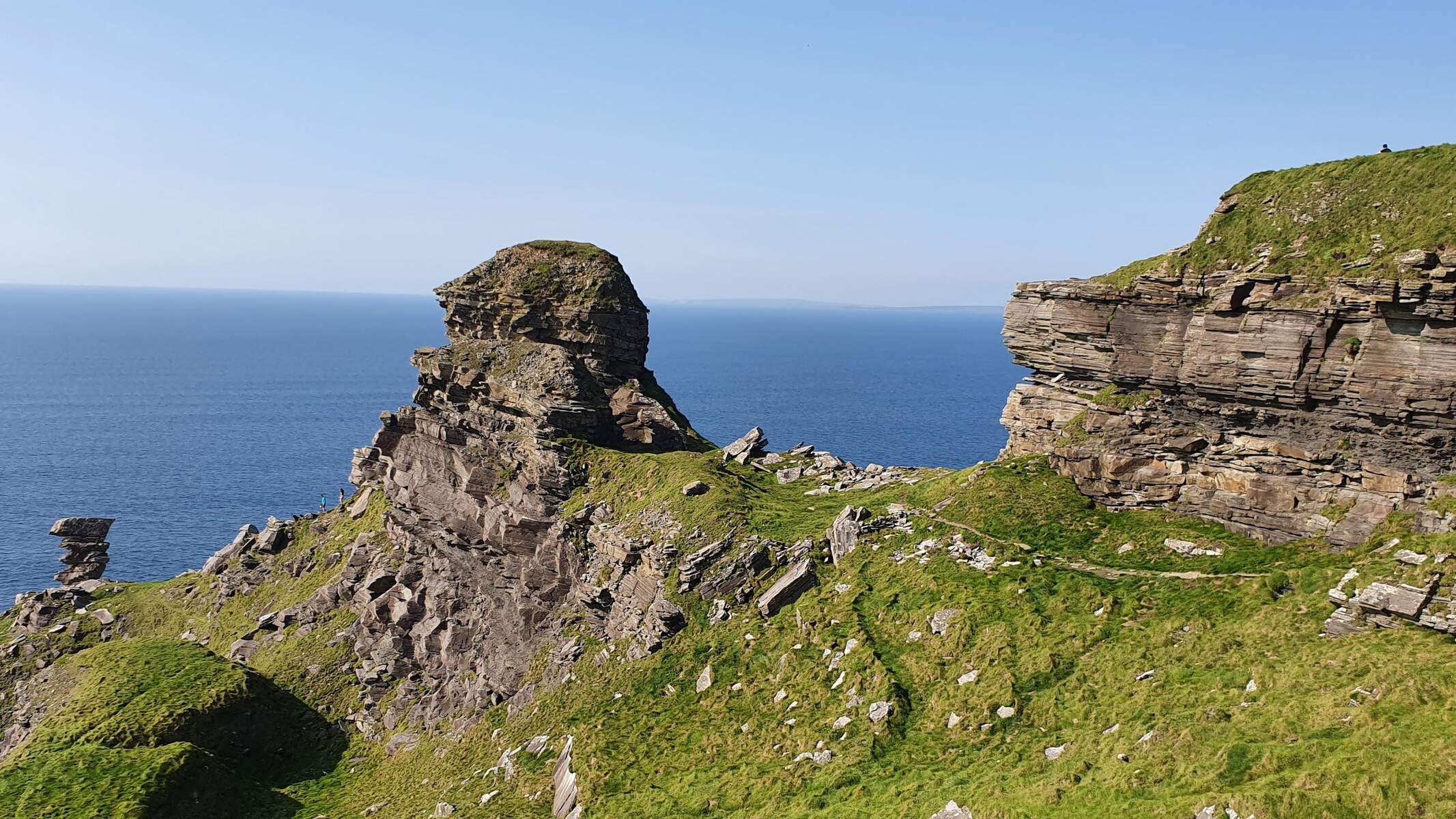
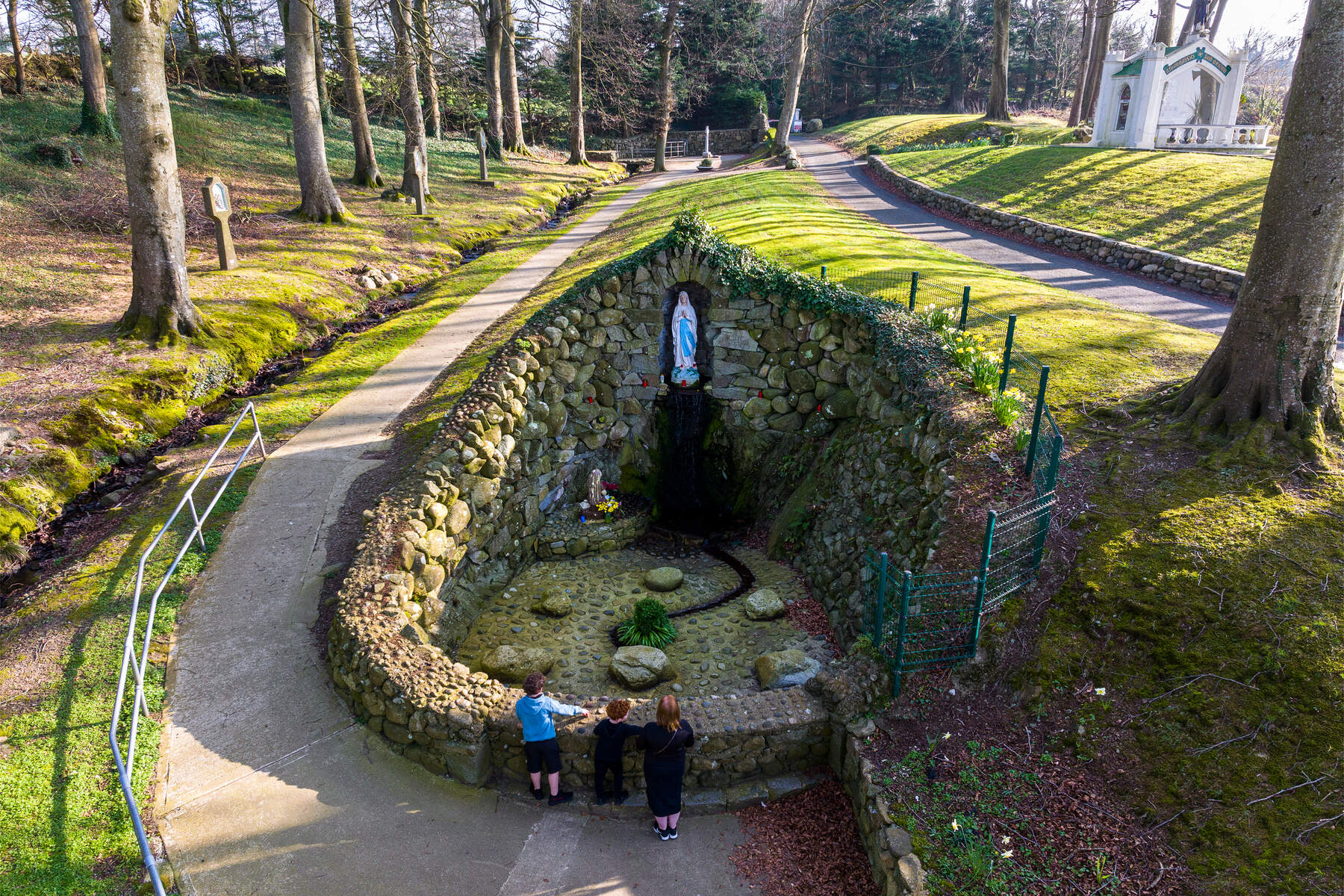
St Brigid’s Holy Well lies in the quiet townland of Ballysteen, just off the R478 that links Liscannor to the world‑famous Cliffs of Moher. The modest stone grotto sits opposite Moher Cottage, making it an easy stop for anyone touring County Clare’s dramatic Atlantic coastline. The site is open year‑round, free of charge, and has no formal visitor centre – the landscape itself guides the visitor.
History / Background
The spring predates Christianity. Folklorist Máire Mac Neill suggested the location originally hosted a Lughnasa festival dedicated to the harvest god Lugh. When Christianity arrived, the site was rededicated to St Brigid of Kildare, a 5th‑century abbess whose legend bridges the Celtic goddess Brigid and the Christian saint. Tradition holds that Brigid herself paused here on her journey to Connacht, cementing the well’s status as a place of healing, thanksgiving and pilgrimage.
Over the centuries the sanctuary has evolved into two distinct levels:
- Lower sanctuary – the holy spring, a modest bronze statue of St Brigid holding a vessel, and a stone altar where pilgrims leave rosaries, prayer cards and votive candles that burn day and night. The water is reputed to aid infertility and eye ailments.
- Upper sanctuary – accessed via steep, weather‑worn steps, this circular space contains a rag‑tree (often an ash) draped with clooties – strips of cloth tied as petitions – and an ancient graveyard traditionally linked to members of the O’Brien clan, the medieval rulers of the surrounding lands.
The site marks two key pattern days: St Brigid’s Day (1 February) and the Feast of the Assumption (15 August). On these dates locals and visitors perform the “turas”, a pilgrimage that begins with prayers at the lower sanctuary, climbs the steps, and finishes with a circuit of the garden surrounding the well‑house.
What to See & Do
- Stone grotto and statue – step inside the low‑arched grotto to view the bronze figure of St Brigid and the walls lined with remembrance cards, rosaries and personal tokens left by generations of pilgrims.
- Votive candles and ribbons – notice candles that burn continuously and ribbons fluttering from the ash trees, creating a living tapestry of devotion.
- Rag‑tree (clootie tree) – tie a strip of cloth to the tree as a prayer for healing, protection or gratitude.
- Historic graveyard – wander among the weathered headstones linked to the O’Brien clan, feeling the weight of centuries of Irish history.
- Pilgrimage walk (turas) – on pattern days, join the traditional circuit that moves from the lower sanctuary up to the upper garden, echoing the steps taken by pilgrims for over a millennium.
Seasonal Highlights
- 1 February – St Brigid’s Day: Early morning prayers are followed by a communal walk up to the upper sanctuary. Locals often serve traditional oatcakes and tea.
- 15 August – Feast of the Assumption: The well becomes a focal point for a larger gathering; a short mass is sometimes held in the lower grotto, and the rag‑tree is adorned with a colourful array of clooties.
- Summer evenings: As the sun sets behind the cliffs, the grotto is illuminated by the glow of countless votive candles, offering a memorable, reflective experience.
Getting Here
- Location: Opposite Moher Cottage, R478, Ballysteen, County Clare.
- Access by car: A short walk from the R478 turn‑off. Limited roadside parking is available near the road; visitors should arrive early in peak season. (Exact capacity not listed online.)
- Public transport: Regional Bus Éireann routes serve Doolin (stop #101) and Liscannor (stop #102). From either stop it is a brief walk along the R478 to the well. During the summer season the free Burren & Cliffs Explorer shuttle bus (operating May 21 – September 20 2026) connects Doolin, Liscannor and the Cliffs of Moher visitor centre and makes a designated stop close to the R478 turn‑off by the well.
- Sea‑level view: For a different perspective, consider the Doolin Ferry coastal cruise, which passes the cliffs and offers a chance to see the well’s surroundings from the water.
- Facilities: No visitor centre or on‑site amenities; nearby facilities are available at the Cliffs of Moher visitor centre.
- Accessibility: The lower sanctuary is level, but the steep steps to the upper sanctuary are not wheelchair‑friendly.
Practical Information
- Opening hours: Open all year, free of charge.
- What to bring: Comfortable shoes, a candle or two if you wish to add to the votive display, a piece of cloth for the rag‑tree, and a bottle of water – the site has no drinking facilities.
- Best time to visit: Early morning or late afternoon for quieter moments, and especially on 1 February or 15 August to experience the full turas pilgrimage.
Nearby Attractions
While visiting St Brigid’s Holy Well, consider extending your day with other highlights along the Atlantic route:
- Walk a stretch of the Burren Way, which passes close to the cliffs and offers spectacular coastal scenery.
- Explore the historic ruins of Ballinalacken Castle, a 15th‑century tower house just a short drive inland.
- Visit the early medieval site of Corcomroe Abbey, linked historically to the O’Brien clan whose ancestors are buried in the well’s graveyard.
- Of course, the world‑renowned Cliffs of Moher are only minutes away, providing dramatic views and visitor facilities.
St Brigid’s Holy Well offers a rare blend of natural beauty, ancient ritual and Irish heritage, all set against the backdrop of the Atlantic’s most iconic cliffs.