
Overview
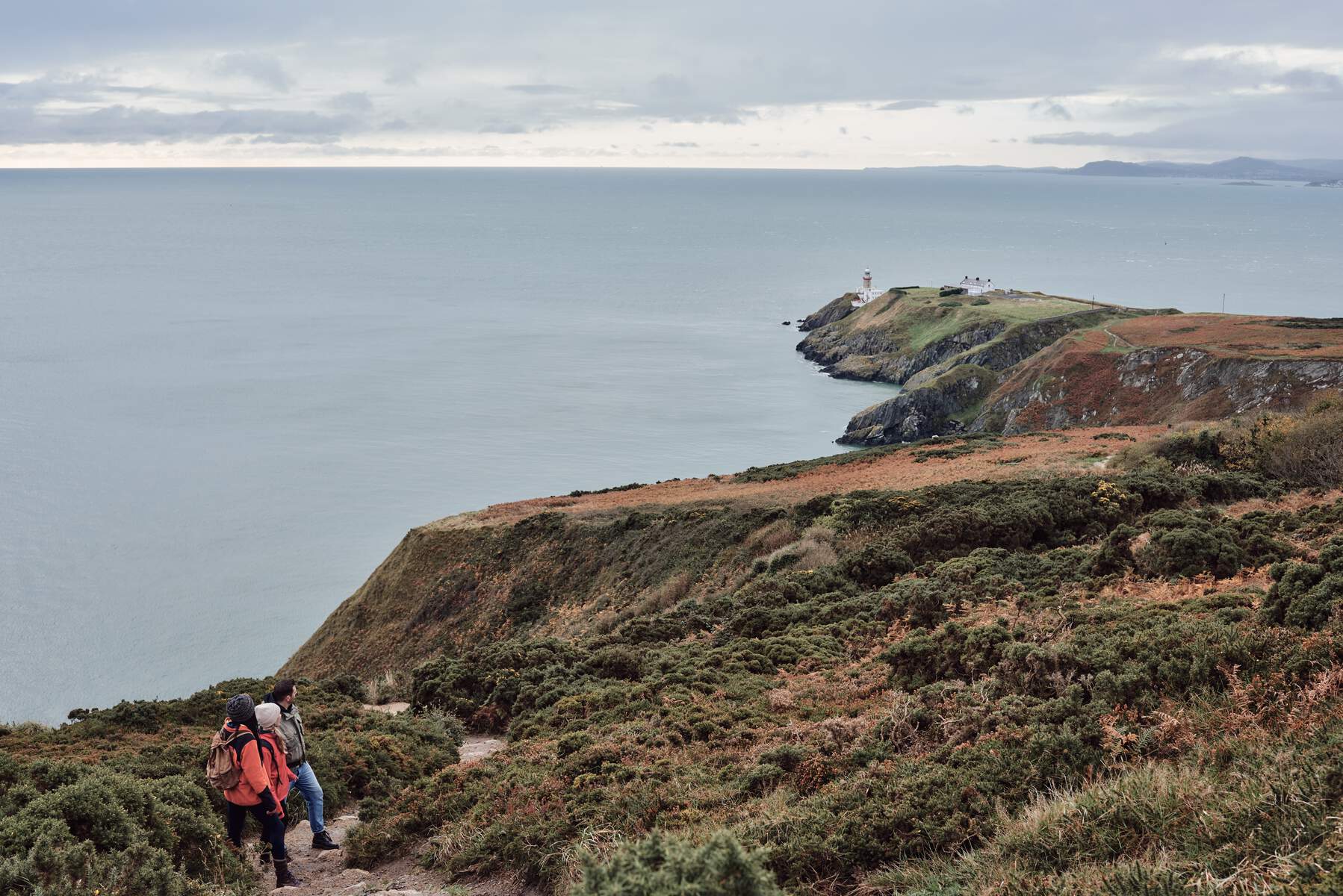
Perched on the Howth Head peninsula, the Howth Cliffs are among the few coastal cliffs that can be reached from Dublin in under an hour. The dramatic limestone escarpments drop into the Irish Sea, framing views of Ireland’s Eye, Lambay Island and the distant Wicklow Mountains. Seals, porpoises and occasional dolphins frolic in the waters below, making the cliffs a hotspot for wildlife watchers. The area forms a key segment of the Dublin Coastal Trail, linking urban Dublin with the rugged Fingal coastline.
History & Background
Howth began as a modest fishing village and grew into a bustling maritime hub. Its headland has inspired writers from James Joyce to contemporary poets, and the cliffs have long served as a natural landmark for sailors navigating Dublin Bay. Over the centuries the area has retained its wild character, with heather‑covered slopes and historic pathways that once served as tramlines and military routes. Today, the cliffs are managed as open public space, preserving both natural beauty and cultural heritage.
What to See & Do
Walking the Cliff Loops
The Howth Cliff Walk offers four colour‑coded loops, each beginning and ending at the Howth DART station. All routes are marked on the ground and on official maps.
| Loop (Colour) | Length | Approx. Time | Difficulty | Total Climb |
|---|---|---|---|---|
| Green – Cliff Path Loop | 8 km | 1.5‑2 h | Moderate | 130 m |
| Blue – Tramline Loop | 7 km | 1.5‑2 h | Moderate | 130 m |
| Red – Black Linn Loop | 8 km | 2‑2.5 h | Moderate | 160 m |
| Purple – Bog of the Frogs Loop | 12 km | 2.5‑3 h | Hard | 240 m |
Each loop weaves past the harbour, up the sea‑cliff edge, and back through the village, delivering panoramic sea views, rugged outcrops and occasional glimpses of the resident seal colonies. The Green and Blue loops are popular for a half‑day outing, while the Red and Purple routes provide a more demanding experience for seasoned walkers.
Wildlife Spotting
Early mornings often reveal pods of porpoises and, in summer, playful dolphins surfacing near the cliffs. Seals are a regular sight on the rocks below, especially around the East Pier. The varied habitats – from sea‑level rock pools to heather‑clad summits – support a rich birdlife, including gulls, terns and occasional raptors.
Guided Experiences
For a deeper insight, local operators such as Howth Adventures and Hidden Howth Experiences run guided walks that blend natural history with local folklore. These tours typically start at the harbour and follow the same marked loops, adding commentary on geology, flora and the literary connections of the area.
Water‑Based Activities
If you prefer to view the cliffs from the water, Ireland’s Eye Ferries and Howth Cliff Cruises offer short trips that circle the headland, providing a different perspective on the sheer drops and sea caves. Kayakers can join Shearwater Sea Kayaking for a paddle along the coastline, exploring hidden coves and the iconic lighthouse at the end of the East Pier.
Nearby Amenities
After a walk, the village of Howth offers a range of seafood restaurants, cafés and pubs. Beshoffs The Market and King Sitric Seafood Bar serve fresh catches, while the Bloody Stream provides a lively beer garden near the DART station. Public toilets are located at the end of the pier, conveniently marking the start of the cliff walk.
Practical Information
Getting there – Take the DART from Dublin Connolly Station to Howth (9 stops). Tickets are purchased at the station; a Leap Visitor Card can be cost‑effective for short stays. The train drops you in the heart of Howth, a short walk from the harbour and the trailhead.
Trail conditions – The paths are generally well‑marked but can be rough and steep in places, especially on the Red and Purple loops. Moderate fitness is recommended; sturdy footwear is advisable.
Facilities – Public toilets are available at the pier (see Google Maps link). There is no admission fee for the cliffs or the walking routes. Parking is limited in the village; most visitors use the DART.
Seasonal notes – The cliffs are accessible year‑round, with each season offering distinct scenery: spring wildflowers on the heather, summer seal colonies, autumnal colour changes, and winter sea‑foam.
Safety – The cliff edges have railings in most sections, but some exposed sections lack barriers. Stay on the marked paths and heed any local signage.
Further reading – Detailed maps and route descriptions are available on the Howth Cliff Walk page and the Visit Howth website.
Whether you have an hour or a full day, the Howth Cliffs deliver a compact yet unforgettable coastal experience just outside Ireland’s capital.