
Overview
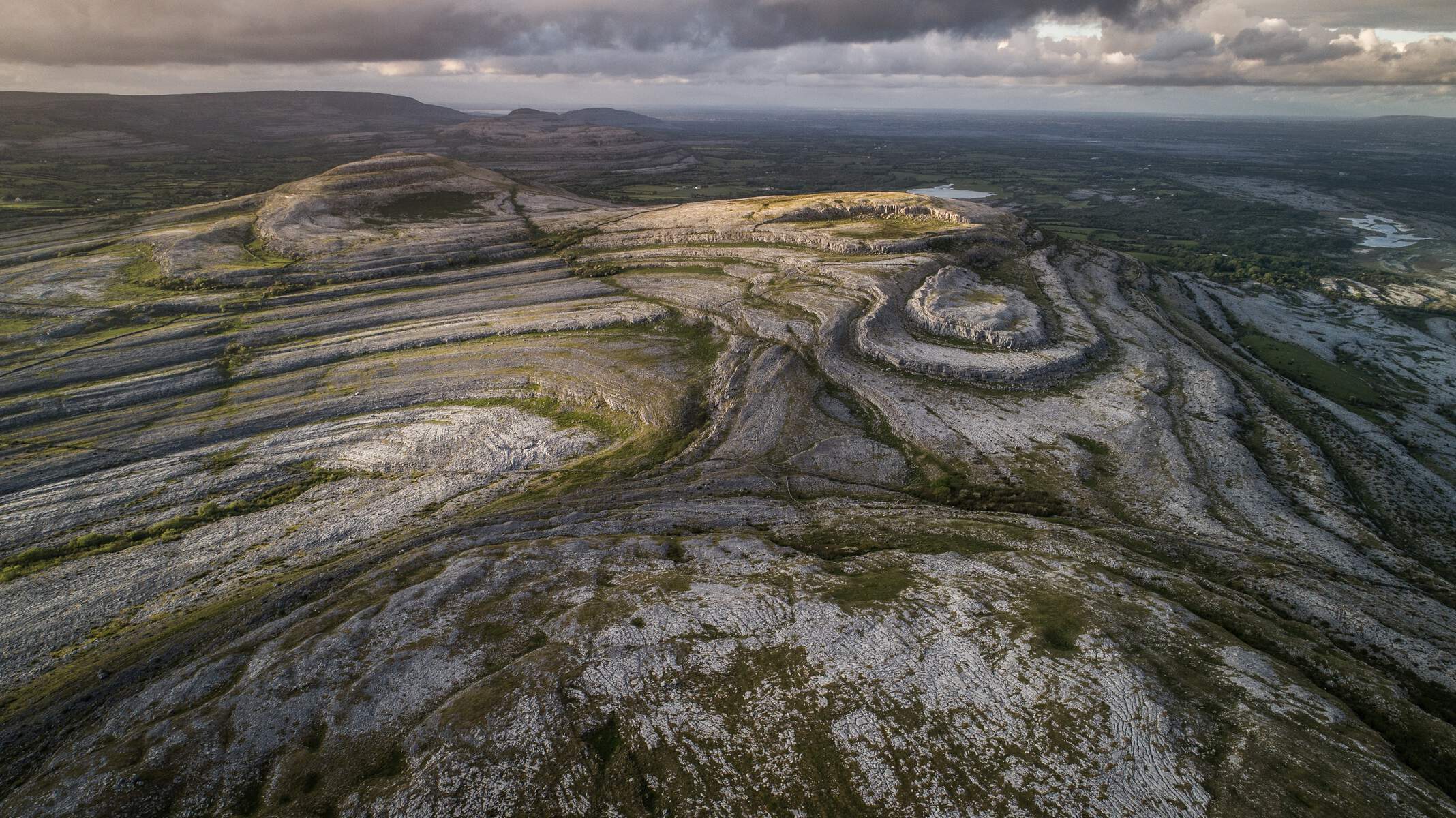
Inchiquin Castle lies in the heart of County Clare, perched on a rocky outcrop that watches over the shimmering waters of Lough Inchiquin. The ruin is part of a wider landscape that includes gentle forest trails, a well‑stocked trout lake and sweeping views toward the iconic limestone hills of the Burren. Though the castle itself is a fragment of a once‑imposing tower house, the site feels complete: the lake, the surrounding woodlands and the historic stonework together create a setting that feels both wild and deeply rooted in Irish history.
History
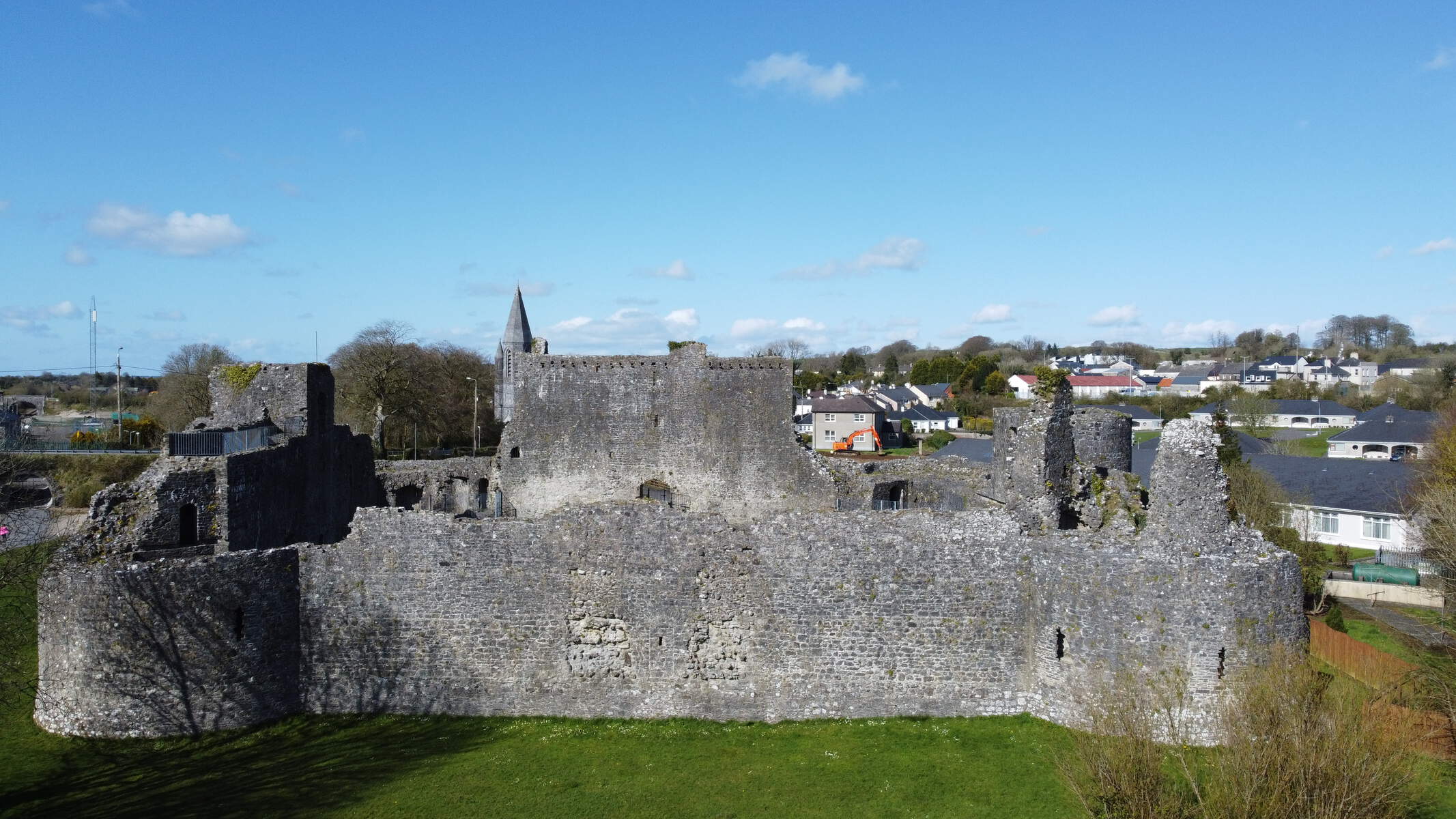
The origins of Inchiquin Castle reach back to the mid‑15th century. The first recorded resident was Teige‑an‑Chomhaid O’Brien, who died in 1466 and is widely believed to have founded the tower house on what was then an island – locally known as O’Quin’s Island – at the northern edge of the lake. The stronghold gave its name to the surrounding barony of Inchiquin and later supplied the title “Earl of Inchiquin” to the O’Brien family’s chief, the Marquess of Thomond.
The castle passed through the O’Brien line, being held by Turlough, son of Murrough O’Brien, in 1542 and by Murrough, the fourth baron, in 1580. During the chaotic 17th century it became the seat of Murrough O’Brien, later 1st Earl of Inchiquin, a figure noted for his shifting allegiances in the Confederate Wars. The stronghold survived a Cromwellian cannon bombardment in 1649, but the later decades saw it fall into ruin.
A more comfortable wing – often referred to locally as the “banquet hall” – was added to the original tower sometime after the mid‑1600s, providing a larger domestic space. The castle was attacked and briefly captured by Maguire of Fermanagh during an O’Donnell raid on Clare, an event recorded in contemporary accounts.
By the late 17th century the O’Brien family had abandoned Inchiquin Castle. The 1659 Petty census lists the site as “Ballyportrea”, and the 19th‑century antiquarian O’Curry noted that substantial walls still stood, sheltering a poor family. In recent years the ruin has been cared for by private owners, with local resident Bob Browne undertaking sympathetic repairs to the remaining masonry.
What to See & Do
- Castle Ruins – Walk among the ivy‑clad stone walls, trace the outline of the original tower and picture the O’Brien family’s daily routine. The site offers excellent photographic opportunities, especially during the golden hour when the low light paints the stone in warm tones.
- Lough Inchiquin – The lake is a favourite spot for trout anglers. A fishing permit, obtainable from the County Clare Angling Association or local tackle shops, is required. The calm waters also reflect the surrounding forest, making it a haven for landscape photographers.
- Forest Trails – A network of gentle paths winds through the surrounding woodlands, providing chances to spot waterfowl, songbirds and the occasional deer. The trails are suitable for families with children, though supervision is advised near the uneven ground around the castle.
- Picnic Areas – Picnic tables are scattered along the shoreline, offering a pleasant spot for a packed lunch while you soak up the peaceful atmosphere.
- Wildlife Watching – Early mornings and late afternoons bring the most active wildlife. Birdwatchers can expect to see swans, ducks and a variety of smaller birds nesting among the reeds.
Getting There
The site is most easily reached by car. From Ennis, follow the R460 north‑west for about 15 km, then turn onto the local road signposted for Lough Inchiquin. A small, free parking area sits at the lake’s edge; note that overnight parking is not permitted and there are no public toilet facilities.
Public transport to the immediate vicinity is limited. The nearest bus stop is in Corofin, about 3 km away, so a taxi or a short walk is required to reach the castle from there. For cyclists, the quiet rural roads around the lake provide a scenic ride, but traffic can be present on the main R460.
Practical Information
Entry to the castle ruins and the surrounding natural area is free and unrestricted during daylight hours. Parking is available in a small on‑site lot; however, overnight parking is not permitted and there are no public toilet facilities, so visitors should plan accordingly.
The site is most tranquil on weekday mornings, when crowds are low and the light on the water is soft. Photographers often prefer the late‑afternoon golden hour for dramatic shadows on the stone walls.
If you wish to fish, remember to obtain a valid trout fishing permit before you arrive. Local angling shops in Ennis or Corofin can provide the necessary paperwork and advice on seasonal limits.
For families, the gentle walking paths and the open lakeside make the location a safe and engaging outdoor experience, though the uneven terrain around the ruins means younger children should be kept close. Cyclists can also enjoy the scenic rural roads surrounding the lake, but should be mindful of local traffic.
Nearby Attractions
- Bunratty Castle – A short 20‑minute drive north brings you to the well‑preserved Bunratty Castle and Folk Park, offering guided tours and medieval reenactments. [/bunratty/]
- Clare Abbey – Located near Ennis, this 12th‑century Cistercian abbey provides a peaceful ruin set in a tranquil garden. [/clare-abbey/]
- The Burren Way – For walkers seeking longer treks, the long‑distance Burren Way passes not far to the west, showcasing the unique karst landscape of the region.
Overall, Inchiquin Castle offers a blend of history, natural beauty and quiet recreation that makes it a rewarding stop on any County Clare itinerary.