Overview
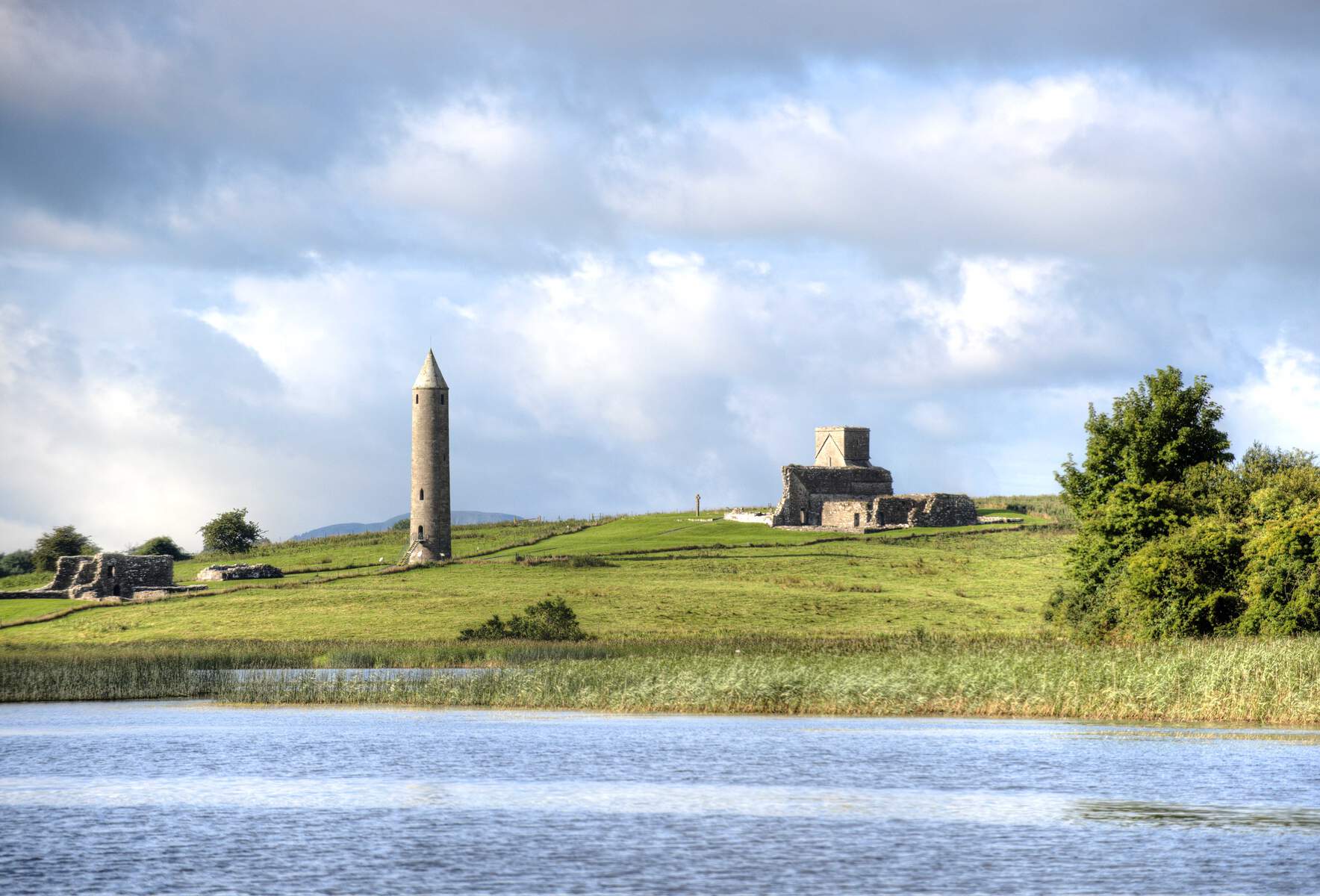
Inchmacnerin Abbey (Irish: Mainistir Inis Mac nÉirín) is a former Augustinian priory perched on the tiny Church Island in the western arm of Lough Key, County Roscommon. Designated a National Monument and placed under the guardianship of the Office of Public Works, the site is a silent witness to more than a millennium of Irish ecclesiastical history. Its remote location—nestled among native woodland and surrounded by the tranquil waters of Lough Key—makes it a compelling destination for history enthusiasts, photographers, and paddlers seeking a touch of the mystical.
History
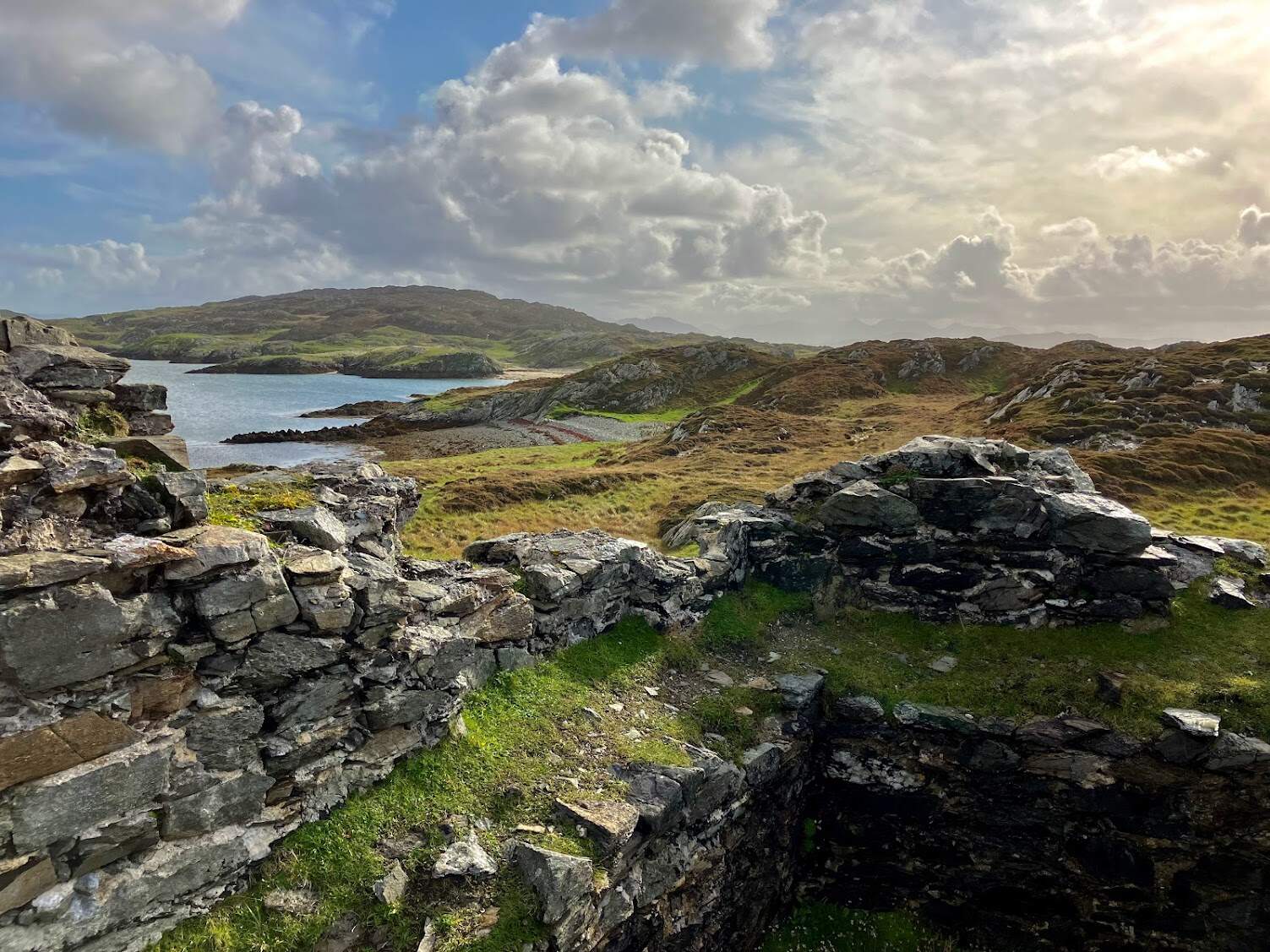
The monastic tradition on Church Island dates back to the 6th century, traditionally attributed to the missionary Saint Colum Cille (St Columba). The name Inchmacnerin translates as “island of the sons of Éirín”, hinting at an early Gaelic community. Between 1140 and 1170 the site was refounded as an Augustinian priory dedicated to St Mary, joining a network of religious houses that dotted the Lough Key basin.
The original stone church, measuring roughly 8 m by 15 m, likely originated in the 10th or 11th century. In the 13th century the community extended the building eastward by about 30 m, adding a single lancet window with an external rebate that survives today. The priory was enclosed by drystone walls forming a rectangular precinct, with a cloister situated against the south side of the church. Records are sparse, but the death of Prior Muireadach O’Gormley in 1229 is one of the few documented events.
Following the Irish Reformation, the monastery was dissolved around 1569. The lands were granted to William Taaffe in 1596, and the island fell into quiet ruin. Archaeological excavations in 2000, 2002 and 2004 uncovered a range of features: a saint’s shrine (possibly dedicated to St Columcille) with a round‑headed window embrasure, a children’s graveyard (cilín) consisting of rows of uninscribed markers spaced about a metre apart, a cairn thought to be a well, and a small holy‑water stoup and spud stone. Radiocarbon dating of human remains from the shrine area placed burials between AD 1021 and 1216, confirming the site’s long‑term sacred use.
What to See & Do
While the island itself is not open to the public, the surrounding lake offers several ways to experience the ruins:
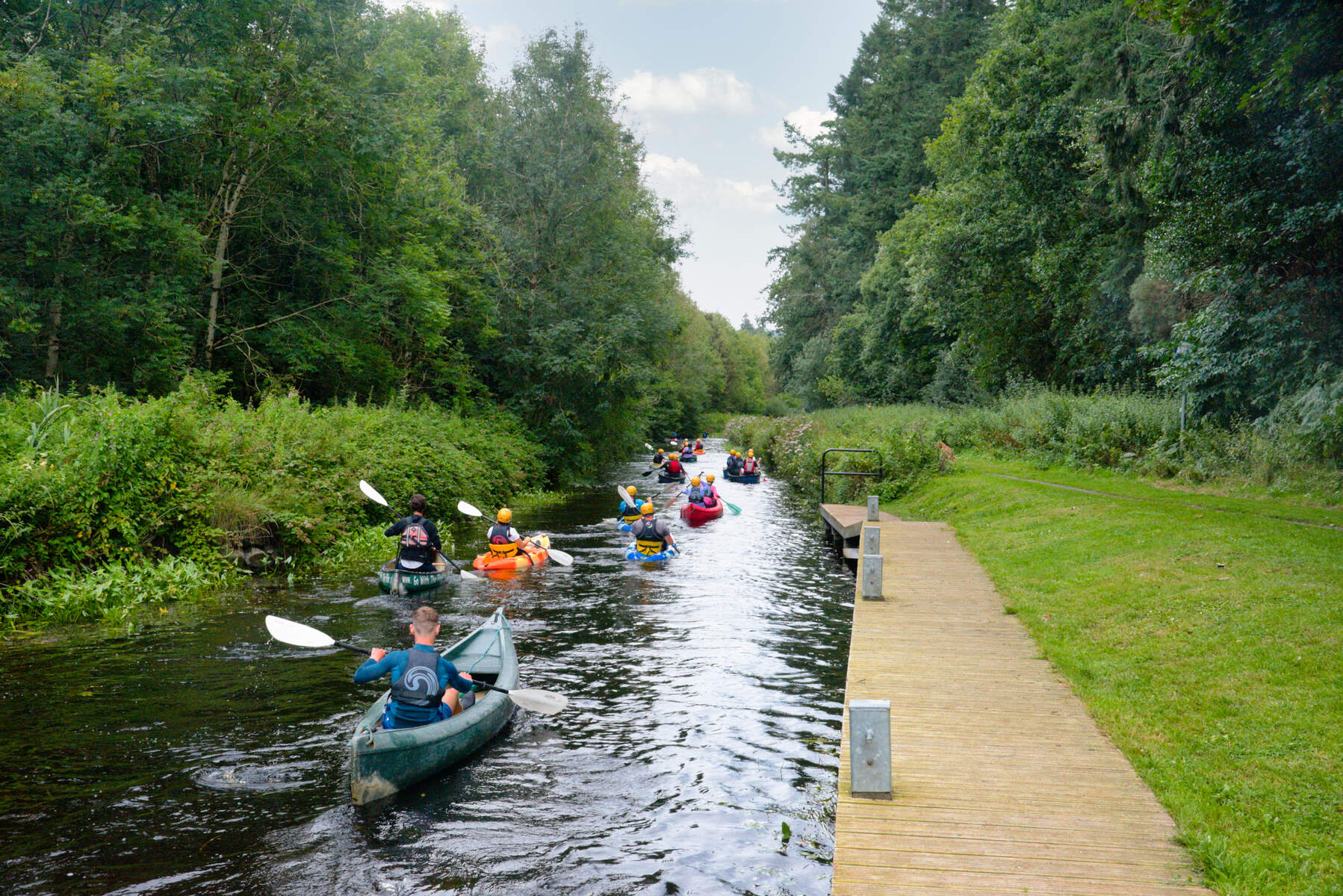
- Kayak Exploration – Launch from the Lough Key shoreline (e.g., the visitor centre at Lough Key Forest Park or the slipway opposite McDermott’s Castle) and paddle toward Church Island. The low‑lying woodland and faint outline of the stone walls become visible as you approach, especially on calm days.
- Guided Boat Tours – Operators such as Lough Key Boats run regular tours that circle the island, allowing passengers to photograph the standing granite gables, the lone lancet window, and the faint foundations of the cloister.
- Historical Observation – From the water you can discern the rectangular drystone enclosure, the western doorway trabeate arch, and the remnants of the saint’s shrine with its distinctive round‑headed window. The children’s graveyard lies to the south‑west of the church, marked by a tidy row of stone markers.
- Landscape Appreciation – The island sits amid a cluster of other historic islands—Trinity Island, Hogs Island, and Hermit Island—each with its own monastic or archaeological story. Late‑spring marshes burst into colour with marsh marigold, providing a vivid backdrop for photography.
Seasonal Highlights
The best time to view Inchmacnerin is from late spring to early autumn (May‑September). During these months water levels are generally stable, making kayak approaches easier and the surrounding marshland at its most colourful. In winter the lake can be wind‑tossed and the water level may drop, exposing more of the island’s stonework but also increasing the risk of slippery banks.
Wildlife & Landscape
Lough Key is a designated Special Area of Conservation. While circling the island you may spot kingfishers, herons and, on quieter days, the occasional otter. The surrounding woodlands are dominated by oak and ash, and the shallow bays host reeds that attract a variety of wet‑land birds. For bird‑watchers, a pair of goldeneyes are regular winter visitors.
Practical Information
Access – Classified as No Public Access by Heritage Ireland. Visitors may view the ruins from a kayak or a licensed boat tour, but landing on the island is prohibited without explicit permission from the Office of Public Works.
Safety – The island’s terrain is uneven, with fallen stone blocks and exposed roots. The Heritage Ireland notice advises that the site is unguided and that visitors assume full responsibility for their safety.
Protection Status – Inchmacnerin Abbey is protected under the National Monuments Acts 1930‑2014. Any disturbance of the stonework or burial sites is illegal.
Getting There – The most common launch points are the visitor centre at Lough Key Forest Park (near Boyle) or the slipway at the southern shore opposite McDermott’s Castle. Kayak rentals are available locally, and scheduled boat tours can be booked through the Lough Key Boats website.
Coordinates
| Latitude | Longitude |
|---|---|
| 53.994499 | -8.26078 |
Further Reading – For detailed archaeological data, consult the Historic Environment Viewer. The Heritage Ireland page provides official visitor guidance: https://heritageireland.ie/unguided-sites/inchmacnerin-augustinian-priory/.
Nearby Attractions
While on Lough Key, consider adding these sites to your itinerary:
- McDermott’s Castle on Castle Island – a striking 15th‑century tower house.
- Boyle Abbey – a well‑preserved Cistercian ruin on the mainland, reachable by a short drive from the forest park. (Boyle Abbey)
- Trinity Island – another monastic island with visible stone foundations.
- Hag’s Leaps crannógs – ancient lake dwellings that can be seen from boat tours.
Inchmacnerin Abbey may be silent, but its stone silhouettes against the Lough Key horizon tell a story of devotion, conflict, and continuity that spans more than a thousand years. Whether you’re paddling across the lake or watching from a boat, the island invites a moment of reflection on Ireland’s monastic heritage.