
Overview
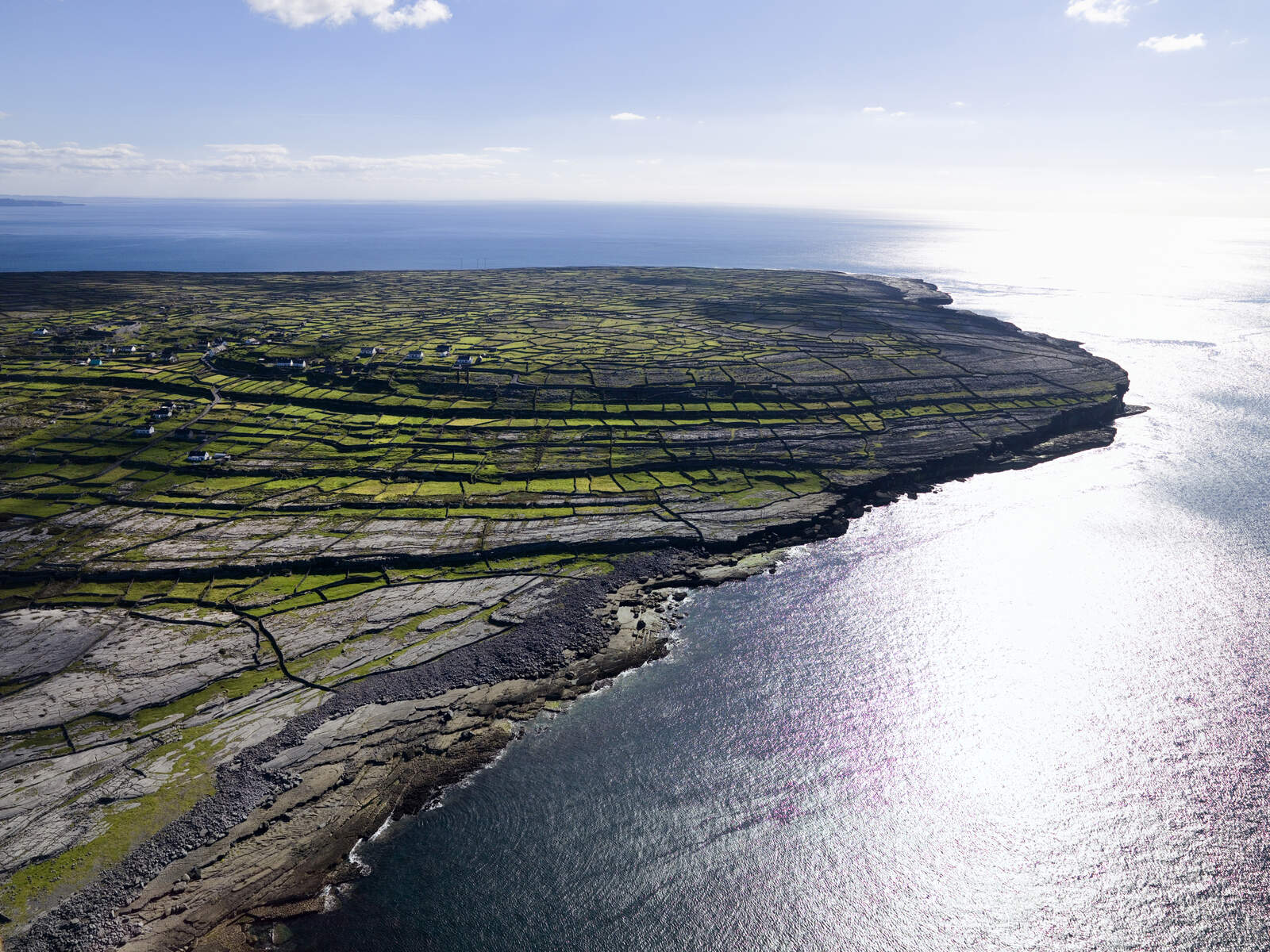
Inishmaan (Irish: Inis Meáin, meaning “middle island”) sits in the heart of Galway Bay, forming the centre of the three Aran Islands off the west coast of Ireland. With a population of just 184 (2022 census) it is the least‑populated of the trio, preserving a strong Gaelic tradition – Irish is the everyday language, though all residents speak English. The island is an extension of the Burren, characterised by stark limestone pavements, criss‑crossing grykes and isolated clints that create a unique glacio‑karst landscape dating back to the Visean period (≈350 million years ago). Its temperate climate supports an unusual mix of arctic, Mediterranean and alpine plants, making it a botanist’s delight.
History
The island’s geology tells a story of ancient seas, volcanic activity and successive glaciations. The last glacial period stripped away earlier karst features, leaving the present‑day fissured limestone that defines the terrain. Human presence stretches back to the Neolithic, evident in the Carrownlisheen Wedge Tomb (Leaba Dhiarmada agus Ghrainne), a 4,000‑year‑old burial monument that still dominates the eastern lowlands. Early Christian influence is visible in the ruins of Cill Cheannanach and other stone churches, while the Iron Age left a legacy of stone forts – the most impressive being Dún Crocbhur (also known as Dún Chonchúir), an oval ring‑fort with walls up to 7 m high and terraces that command sweeping Atlantic vistas.
In the late 19th century the island attracted literary figures, most famously playwright John Millington Synge. Between 1898 and 1902 he stayed each summer in Teach Synge, a thatched cottage that has been restored as a small museum. From the cliff‑edge seat now called Synge’s Chair he wrote some of his best‑known works, inspired by the island’s solitude and folklore.
What to See & Do
- Dún Crocbhur (Dún Chonchúir) – The largest stone fort on the Aran Islands, oval in shape (70 × 35 m) with two concentric limestone walls and terraces offering panoramic views.
- Dún Fearbhaí – A square‑shaped fort on the eastern side, less visited but equally striking; the looped Lúb Dún Fearbhaí walk (≈12.5 km) passes its walls and provides coastal scenery.
- Carrownlisheen Wedge Tomb – Known locally as “Leaba Dhiarmada agus Ghrainne”, this Neolithic tomb is free to visit and accessible from the main village.
- Teach Synge – Restored 300‑year‑old cottage turned museum; open daily noon‑2 pm (adult €3).
- Synge’s Chair – A natural stone seat on a sheer cliff overlooking Inis Mór and the Atlantic; free and reachable via a short detour on the North Pier Loop.
- Cill Cheannanach – Ruins of an 8th‑century church with impressive views over the islands.
- Beaches – Ceann Gainimh on the north side offers a quiet sandy stretch; Tra Leitreach is a sheltered spot on the south coast.
- Inis Meáin Knitting – Visit the workshop to see traditional Aran knitwear being produced.
- Teach Ósta – The island’s sole pub, serving hearty meals, local beers and occasional live music.
- Siopa Ruairí – The island store and post office, useful for snacks, cash‑back and basic supplies.
- Public Library – Open Tue/Thu 14:00‑16:00 and Sat 11:00‑13:00; free internet and a local‑studies collection.
- Walking Trails – The North Pier Loop (≈8 km, 2‑3 h), South Pier Loop (≈7 km), and the longer Lúb Dún Fearbhaí loop (≈12.5 km) showcase cliffs, forts, churches and the iconic Synge’s Chair.
Practical Information
Getting there – Ferries depart year‑round from Rossaveel (≈50 min crossing, up to two sailings daily) and from Doolin (≈20 min fast ferry, 3‑4 sailings May‑Oct). A new jetty, Caladh Mor, opened in 2007 and lies 1.5 km north of the village. Small aircraft operated by Aer Arann fly from Connemara Airport (≈10 min flight, 9‑seat aircraft) with several daily services, especially in August.
Getting around – No private vehicles are permitted; the island is explored on foot or by bicycle. The main village is a short walk from the pier, and most attractions are reachable via sign‑posted coastal paths. Taxi tours are available for those who prefer a guided route.
Opening hours & admission:
| Attraction | Opening hours | Admission |
|---|---|---|
| Teach Synge (museum) | Mon‑Sun 12:00‑14:00 | Adult €3 (free for children) |
| Public Library | Tue/Thu 14:00‑16:00; Sat 11:00‑13:00 | Free |
| Dún Crocbhur | Open all day | Small fee (exact amount varies) |
| Dún Fearbhaí, Dún Chonchúir, Synge’s Chair, Carrownlisheen Tomb, beaches | Open all day | Free |
Facilities – The island has a primary school, a secondary school (Coláiste Naomh Eoin), and a desalination plant that supplies water, though occasional shortages can occur. Wi‑Fi is available in most public buildings, but signal can be limited in remote areas. Cash is accepted in most shops and the pub; there is no ATM, but cash‑back is possible at Siopa Ruairí.
When to visit – Late May offers the sunniest weather and the peak of wildflower displays (gentians, avens). The island remains quiet year‑round, but the ferry schedule is most frequent in summer.
Accommodation – A range of B&Bs, guest houses and self‑catering cottages are available; many can deliver prepared meals to the island.
Contact & further info – For up‑to‑date ferry timetables and booking, visit the Aran Islands Ferries site or the official Galway tourism pages.