
Overview
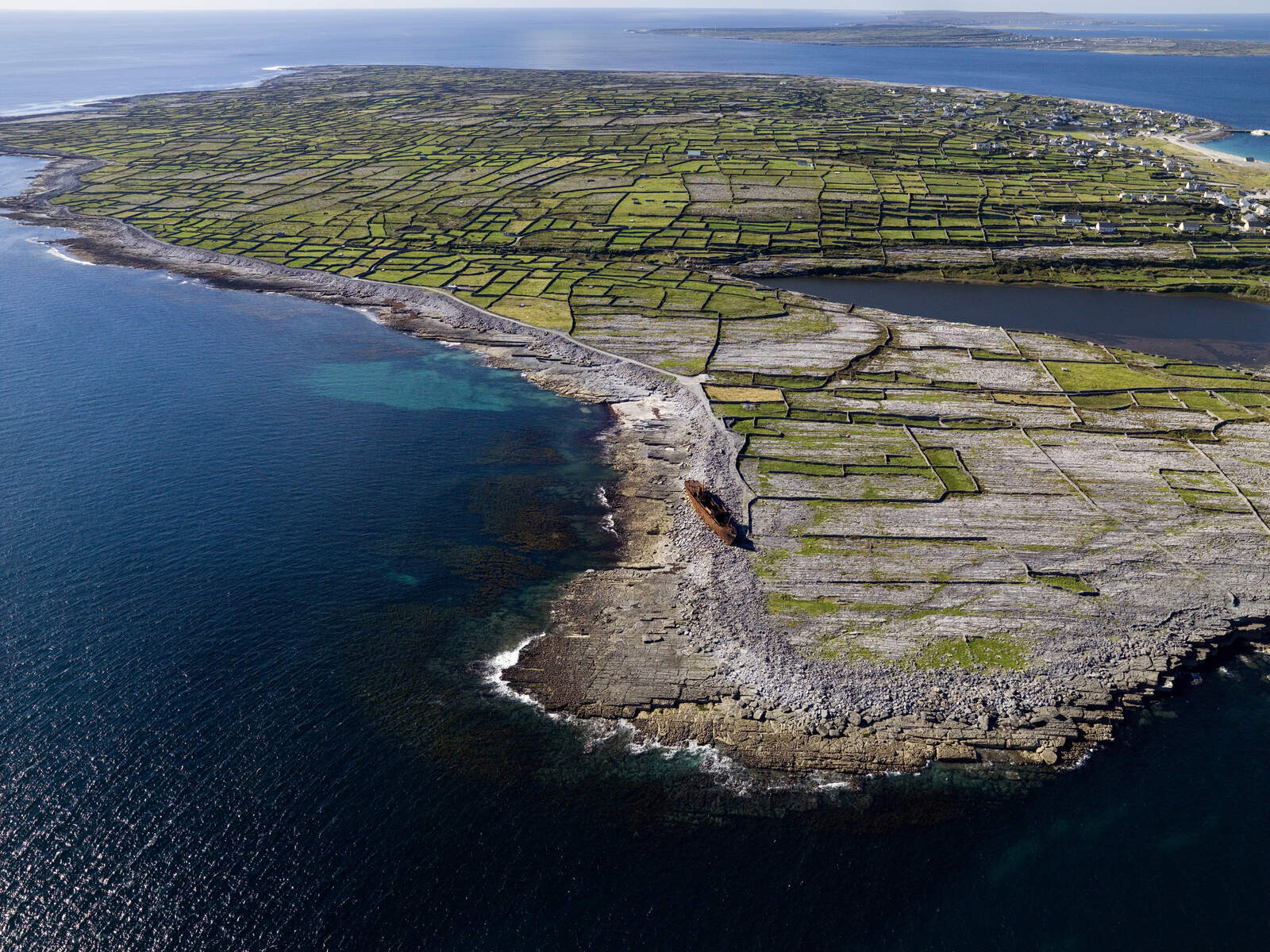
Inishteig – known in Irish as Inis Oírr or Inisheer – is the smallest of the three Aran Islands, sitting just 3 km off the Galway coast. Its compact size (about 3 km × 3 km) makes it possible to explore the whole island in a single day, yet the island feels far larger thanks to its dramatic limestone landscape, white‑sand beaches, ancient ruins and a lively Gaelic‑speaking community. The island’s main settlement clusters around the pier, where a short walk leads to the award‑winning An Trá beach, the ruins of O’Brien’s Castle and a range of cafés and pubs that showcase traditional music and locally caught seafood.
The island is a Gaeltacht area with a population of just over 260 residents and only six family surnames. Irish is the everyday language, and visitors are welcomed into a community that keeps its cultural traditions vibrant.
History & Background
Archaeological evidence shows that Inishteig has been inhabited for thousands of years. A Bronze‑Age burial mound, Cnoc Raithní, dates to around 1500 BC, making it the oldest known human‑made feature on any of the Aran Islands. The mound was uncovered after a storm in 1885 and is a key stop for archaeology enthusiasts.
The island’s early Christian heritage is evident in the 10th‑century St Caomhán (also called St Kevin) church, which was gradually buried by shifting sands until the community excavated and preserved it as a striking “sunken church”. Nearby lies the grave of the saint, Leaba Chaomháin, traditionally associated with healing prayers.
The most recognisable medieval structure is O’Brien’s Castle, a 15th‑century tower house built by the O’Brien clan on the site of an earlier ring‑fort (Dún Forma). The castle changed hands several times – captured by the O’Flahertys in 1582 and later slighted by Cromwellian forces in 1652 – but its ruins still dominate the island’s northern skyline, offering panoramic views of Galway Bay and the Cliffs of Moher.
In the 20th century the island entered popular culture when the MV Plassey, a cargo ship that ran aground during a storm in March 1960, became a photogenic landmark. Its rusting hull now sits on a white‑sand beach at the island’s southern tip and appears in the opening credits of the beloved Irish TV series Father Ted.
What to See & Do
| Attraction | Highlights |
|---|---|
| O’Brien’s Castle | 15th‑century tower house, sweeping views of the Atlantic, historic interpretation panels |
| Plassey Shipwreck | Rusting hull on a pristine beach, photography hotspot, Father Ted fame |
| An Trá (The Beach) | Blue‑Flag beach, crystal‑clear water, ideal for swimming and sunbathing |
| St Caomhán’s Sunken Church | Partially buried medieval church, atmospheric ruins, sand‑clearing tradition |
| Tobar Einne (Sacred Well of Enda) | Ancient well reputed to have healing properties, quiet spot for reflection |
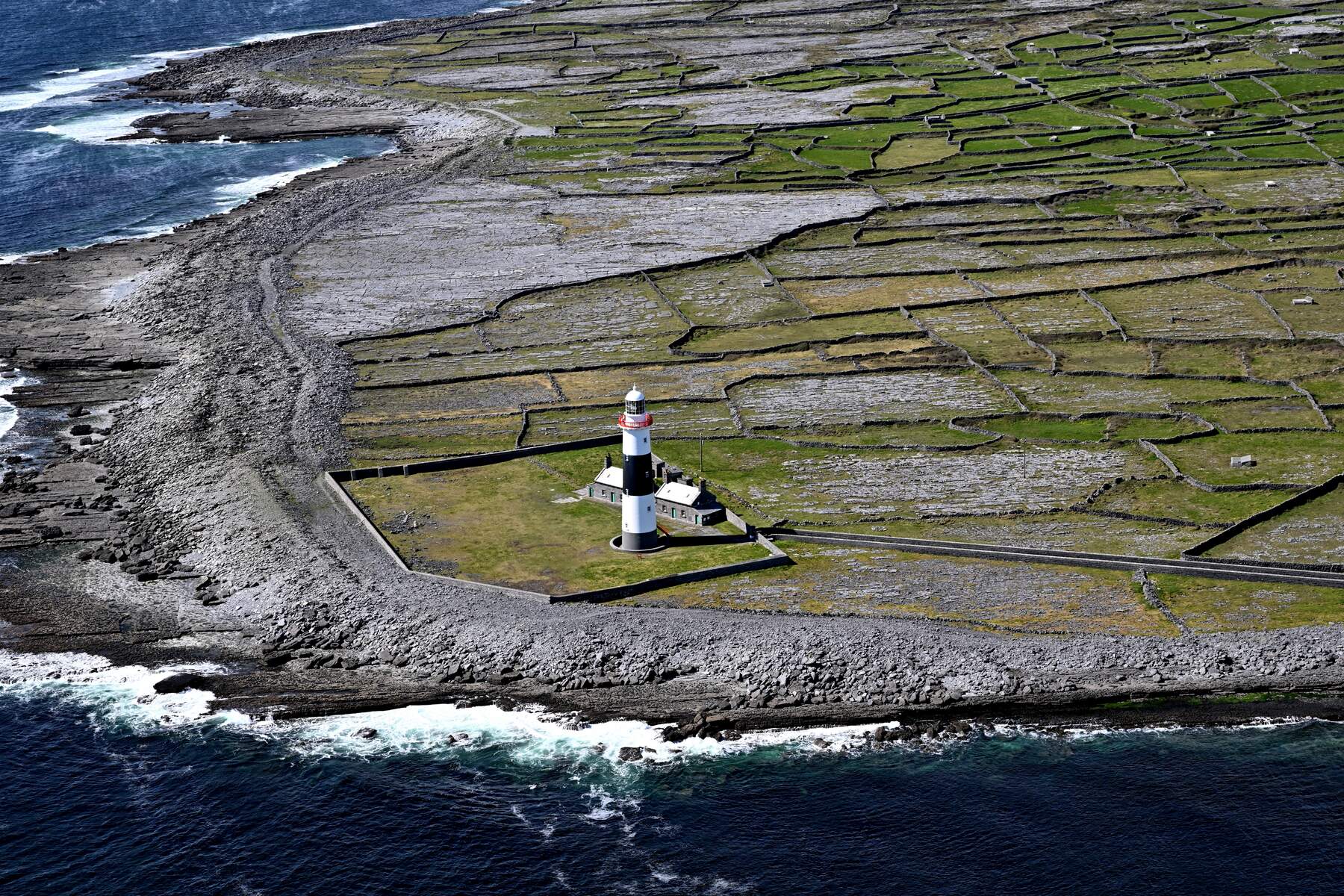
| Inishteig Lighthouse (Fardurris Point) | 1857 black‑and‑white striped tower, active beacon, a “masterpiece of ashlar limestone construction” |
| An Loch Mór (The Big Lake) | Freshwater lake near the Plassey wreck, tranquil walking backdrop |
| Seal Colony | Grey seals haul out on the north coast during summer low tides |
| Cnoc Raithní | Bronze‑Age burial mound, archaeological interest |
| Pony & Trap rides | Traditional horse‑drawn carriage tours that weave narrow tracks around the island |
| Áras Eanna Arts Centre | Local craft exhibitions, music sessions, workshops |
| St Gobnait’s Church | 11th‑12th‑century stone church linked to Saint Gobnait, one of the island’s earliest Christian sites |
Getting Around
Because the island’s roads are mostly flat and the distances short, visitors can comfortably walk, but the most popular way to see the sights is by bicycle. Bike‑rental outlets sit just across from the ferry pier and offer adult bikes, child trailers and even electric models. For those who prefer a slower pace, pony‑and‑trap rides provide a charming, historic way to travel the narrow boreens. A seasonal “Wanderly Wagon” bus tour also operates, offering a guided loop of the main attractions.
Activities
- Cycling – Follow the 12 km discovery trail that loops the island, stopping at the castle, beach, lighthouse and lake.
- Swimming – An Trá and the smaller north‑east beach (near the old air‑strip) both hold Green Coast Awards for water quality.
- Photography – The Plassey wreck, sunset at the lighthouse and the panoramic vista from O’Brien’s Castle are perennial favourites.
- Traditional Music – Pubs such as Tigh Ned and Óstán Inis Oírr host nightly sessions featuring local fiddlers and singers.
- Craft & Language Workshops – Áras Eanna runs regular pottery, wood‑craft, wall‑building, Irish‑language courses and bodhrán masterclasses.
- Currach Boat Races – Every August the island stages traditional currach (skin‑covered boat) races, a lively event that draws locals and visitors alike.
Additional Heritage Sites
St Gobnait’s Church
Located on the western side of the island, this modest stone church dates from the 11th‑12th centuries and is associated with Saint Gobnait, a 6th‑century saint who sought refuge on Inis Oírr. The site includes the remains of a beehive hut and offers a quiet glimpse into early monastic life.
Cill Ghobnait
A nearby ruined medieval church, also linked to Saint Gobnait, can be visited as part of a short walk from the well of Enda. Its simple rectangular shape and ancient stonework illustrate the island’s layered religious history.
Culture & Events
Inishteig’s Gaeltacht status means Irish is spoken in shops, cafés and on the streets. Visitors are encouraged to try a few phrases – the locals are always happy to share the language.
- Currach Races (August) – Spectators gather on the beach to watch traditional wooden boats race across the surf, accompanied by music and storytelling.
- Workshops – The Áras Eanna Arts Centre offers hands‑on sessions in pottery, wood‑craft, traditional wall building, bodhrán playing and Irish‑language classes, often led by award‑winning artisans.
- Music Sessions – Evening sessions in Tigh Ned, Tigh Ruairí and Óstán Inis Oírr showcase fiddle, sean‑nos and singing, with occasional guest performances from mainland groups.
Practical Information
Getting There
| Route | Operator | Approx. Duration | Frequency |
|---|---|---|---|
| Doolin → Inishteig | Doolin Ferry (fast ferry) | 15–20 min | 6 departures daily (summer) |
| Rossaveal (Ros a’ Mhíl) → Inishteig | Aran Island Ferries / Garrihy’s | 55 min | Several daily services year‑round |
| Connemara Airport → Inishteig | Aer Arann (plane) | 10 min | Several flights daily (seasonal) |
Tickets can be booked in advance via the ferry operators’ websites – doing so saves queuing time at the pier. The ferry terminal is a short, level walk from the village centre and the bike‑rental shop.
Opening Hours & Fees
Most historic sites on Inishteig are open free of charge and have no set opening hours; they are accessible whenever the island is open to visitors. The lighthouse tower itself is not open to the public, but the surrounding area can be visited at any time. The pony‑and‑trap tours run from 10:00 am to 4:30 pm during the high season.
Facilities
- Restrooms – Public toilets are available near the pier and at the beach.
- Food & Drink – Options include Teach an Tae Café (cakes and tea), The Seaweed Café (pizza and panoramic views), Óstán Inis Oírr (seafood restaurant) and Tigh Ned (pub with live music).
- Accommodation – Choices range from the family‑run Inis Oírr Hotel (14 rooms) to the budget‑friendly Radharc na Mara (Seaview) Hostel, as well as several B&Bs such as Tigh Ruairí.
Contact & Further Details
For the latest ferry timetables, ticket prices and special events, visit the official island site at [discoverinisoirr.com] or call the island information line at +353 91 568 903.
Inishteig offers a perfect blend of natural beauty, ancient history and warm Irish hospitality. Whether you arrive by fast ferry from Doolin, spend the day cycling the coastal paths, or linger over a pint of Guinness while a local fiddler plays, the island’s compact charm ensures an unforgettable Irish adventure.