
Overview
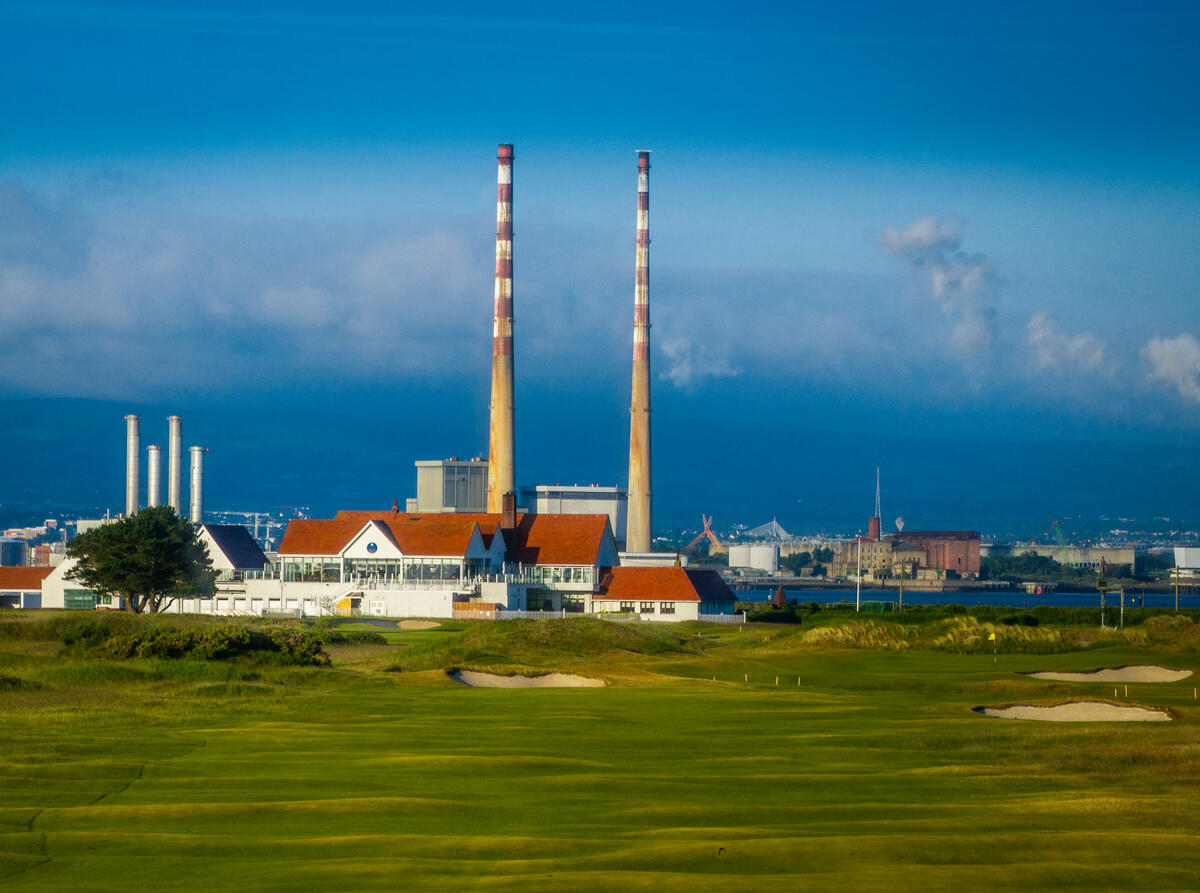
Irishtown Nature Park sits on the Poolbeg Peninsula, just a short walk from the bustling streets of Dublin 4. Covering roughly 32 hectares (about 26.3 acres), the park blends reclaimed land with native habitats, offering a quiet counterpoint to the city’s traffic and the nearby Poolbeg Generating Station. Visitors are drawn to its meandering shoreline, gentle boardwalks and a network of easy‑grade paths that suit walkers, joggers, cyclists and families with prams.
History
In the early 1970s the site was a municipal rubbish dump, filled with construction rubble and household waste. Local residents, led by the Sandymount and Merrion Residents Association, pressed Dublin Corporation to transform the scarred ground into a green space. Key supporters included city manager Frank Feely and parks superintendent Jim Shannon. By the early 1980s volunteers planted trees, grasses and wildflowers, and the area was officially opened as a nature reserve.
During the Wood Quay excavations, around thirty lorry loads of archaeological material were deposited here, adding a hidden layer of history beneath the soil. Early plans even envisaged a boating lake and courts for tennis and basketball, but these never materialised. Today the park’s only man‑made furnishings are a handful of wooden benches, one of which bears the carved slogan “The trail is beautiful, be still.”
Lorna Kelly, a long‑standing member of the residents’ association, notes that more than 200 plant species now thrive in the park, many introduced unintentionally via the nearby port. The park’s proximity to the incinerator and wastewater treatment works gives it an industrial backdrop, yet the community’s stewardship has turned it into a thriving coastal oasis.
Seasonal Highlights
- Spring (March–May) – Wildflowers such as pyramidal orchid and yellow rattle burst into colour, and the grassland supports a variety of butterflies.
- Summer (June–August) – Skylarks, linnets and stonechats are most vocal; the tide is lower in the evenings, revealing stretches of sand and sea‑shells for a brief walk.
- Autumn (September–November) – Brent geese gather on the two‑hectare grassland, and migratory waders use the shoreline.
- Winter (December–February) – The park offers quiet bird‑watching opportunities; the occasional sighting of the wren adds a festive note.
What to See & Do
Wildlife watching
The park is a hotspot for birdwatchers. Year‑round you can spot skylarks, linnets, dunnocks, stonechats, herons and Brent geese. In the summer months the air is filled with the chatter of black‑capped chickadees and nuthatches. Insect enthusiasts will enjoy spotting the red‑tailed bumblebee and the rare beetle Oedemera lurida.
Flora
A surprising botanical mix thrives on the reclaimed ground. Common grasses such as Lolium perenne and Festuca rubra mingle with wildflowers like the pyramidal orchid. Shrubs include blackberry, Prunus spinosa (blackthorn) and Sambucus nigra (elder). Tree species range from native ash (Fraxinus excelsior) to the non‑native sycamore (Acer pseudoplatanus) and Japanese knotweed (Reynoutria japonica).
Trails and Views
Two main entrances give you access to the park’s trail network:
- Beach Road entrance – an off‑road path opposite Marine Drive that follows the edge of Sandymount Strand for 1.4 km before reaching the park gate.
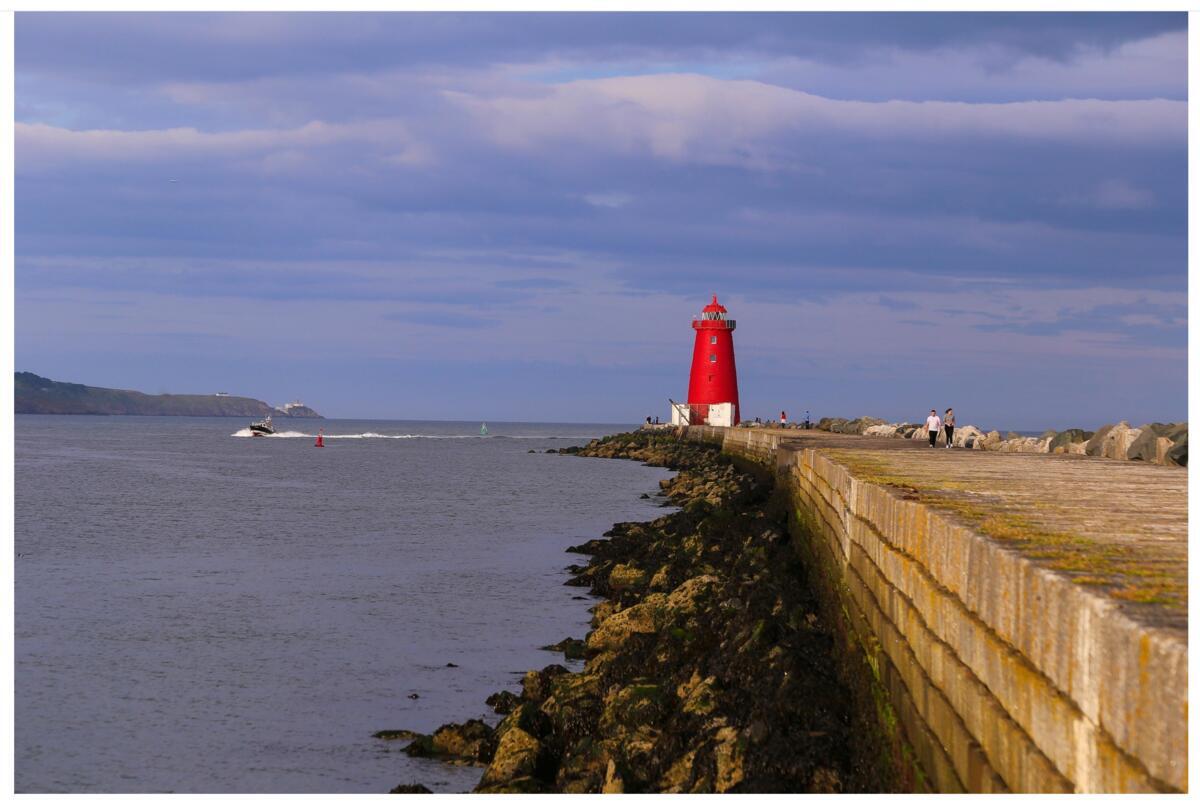
- Pigeon House Road entrance – located near the Poolbeg Generating Station and the iconic Poolbeg Lighthouse.
From either point, a paved, compacted‑gravel loop encircles the park, ideal for a leisurely stroll or a brisk run. Boardwalk sections skirt the wetland edges, providing safe footing for wheelchairs and strollers. A shorter shoreline trail leads directly onto Sandymount Strand, where you can watch the tide roll in and, on clear days, glimpse the Great South Wall.
Activities
- Walking & running – the flat, well‑maintained paths are popular with locals for daily exercise.
- Dog walking – dogs are welcome; most of the main routes are leash‑friendly, with designated off‑leash zones near the beach.
- Photography – sunrise over the water, the industrial silhouette of the power station, and the burst of colour from wildflowers make for compelling shots.
- Picnicking – open lawns provide ample space for a blanket‑lay picnic; remember to take all litter with you.
- Tide walking – at low tide the seabed is exposed, offering a unique short walk among rocks and shells (check tide times before you go).
Practical Information
Irishtown Nature Park is free to enter and open from dawn until dusk, with daylight hours shifting seasonally. No ticket office exists, so there is no admission fee.
Parking – there is no dedicated car park; street parking is available on nearby Sandymount Avenue and at the public car park on the south side of the Strand (pay‑and‑display).
Public transport
- Buses: Routes 1, 18 and 47 stop within a short walk of the Beach Road entrance (e.g., stop 375 on Strand Road). The nearest DART stations are Sandymount, Lansdowne Road and The Point; each is a 15‑20 minute walk to the park perimeter.
- Cycling: Dublin’s city‑wide cycle lanes connect to the park, and bike racks are provided near both entrances.
Accessibility The primary loop is surfaced with compacted gravel, cleared and sanded in winter, making it suitable for wheelchairs, prams and walkers. Some natural footpaths feature boardwalks or wood‑chip surfacing; these are still navigable but may be a little uneven for those with limited mobility.
Nearby attractions A short walk brings you to Sandymount Strand, the Great South Wall and Poolbeg Lighthouse – perfect for extending your coastal exploration. For another coastal green space, consider a visit to Ardgillan Castle on the north side of Dublin Bay.
| Feature | Details |
|---|---|
| Opening hours | Dawn – dusk (daily) |
| Admission | Free |
| Main entrances | Beach Road (off‑road path) & Pigeon House Road |
| Public transport | Bus 1, 18, 47; DART at Sandymount, Lansdowne Road, The Point |
| Wheelchair access | Paved loop fully accessible; some natural trails less smooth |
| Dogs | Allowed on leash; off‑leash zones marked |
| Latitude | 53.3355243 |
| Longitude | -6.1955458 |