
Overview
James’ Battery is a modest historic site on the Dublin coastline that bears the name of Dr. James J. Drumm, the Irish chemist whose innovative rechargeable battery powered the world‑first battery‑electric multiple units in the 1930s. While the location itself is an outdoor setting without a visitor centre, it serves as a tangible reminder of a bold experiment that placed Ireland at the forefront of electric rail transport long before the modern era of battery‑electric trains.
History
The Drumm Battery and Its Inventor
Dr. James J. Drumm, born in County Down in 1896, carried out advanced research into high‑charge alkaline batteries at University College Dublin in the late 1920s. In 1929 he patented a battery chemistry that could charge four times faster and discharge up to three times faster than contemporary designs, a breakthrough that attracted attention across Europe and the United States. The Irish government, keen to exploit surplus electricity from the Shannon hydroelectric scheme, funded the development of a battery‑powered railway service.
From Prototype to Service
The first prototype was a conversion of the Great Southern Railways’ Drewry petrol railcar No. 386 at Inchicore Works in 1930. Successful trials led to the construction of purpose‑built units (A, B, C and D) between 1931 and 1939. Unit A entered regular commuter service on the Dublin‑to‑Bray line in 1932, followed shortly by Unit B. The trains could reach 80 km/h (50 mph) within 50 seconds, maintained a cruising speed of 88 km/h (55 mph) for most of the journey, and offered a capacity of 140 passengers per five‑car set.
Wartime Heroics and Decline
During ‘The Emergency’ (World War II) coal shortages made the electric Drumm trains especially valuable, allowing them to continue operating when steam locomotives were constrained. However, post‑war electricity shortages and the arrival of cheaper diesel alternatives led to their withdrawal on 12 July 1949. The four railcars were subsequently converted to ordinary passenger stock and finally scrapped in the late 1950s.
Legacy and Modern Resonance
The Drumm Battery Train is now recognised as a precursor to today’s battery‑electric multiple units (BEMUs). In 2024, Iarnród Éireann unveiled a 1:1 mock‑up of a new X’trapolis DART+ carriage, a hybrid that echoes Drumm’s original vision of clean, battery‑powered rail travel. The story of Dr. Drumm’s invention is celebrated at James’ Battery, linking past innovation with Ireland’s green transport future.
What to See & Do
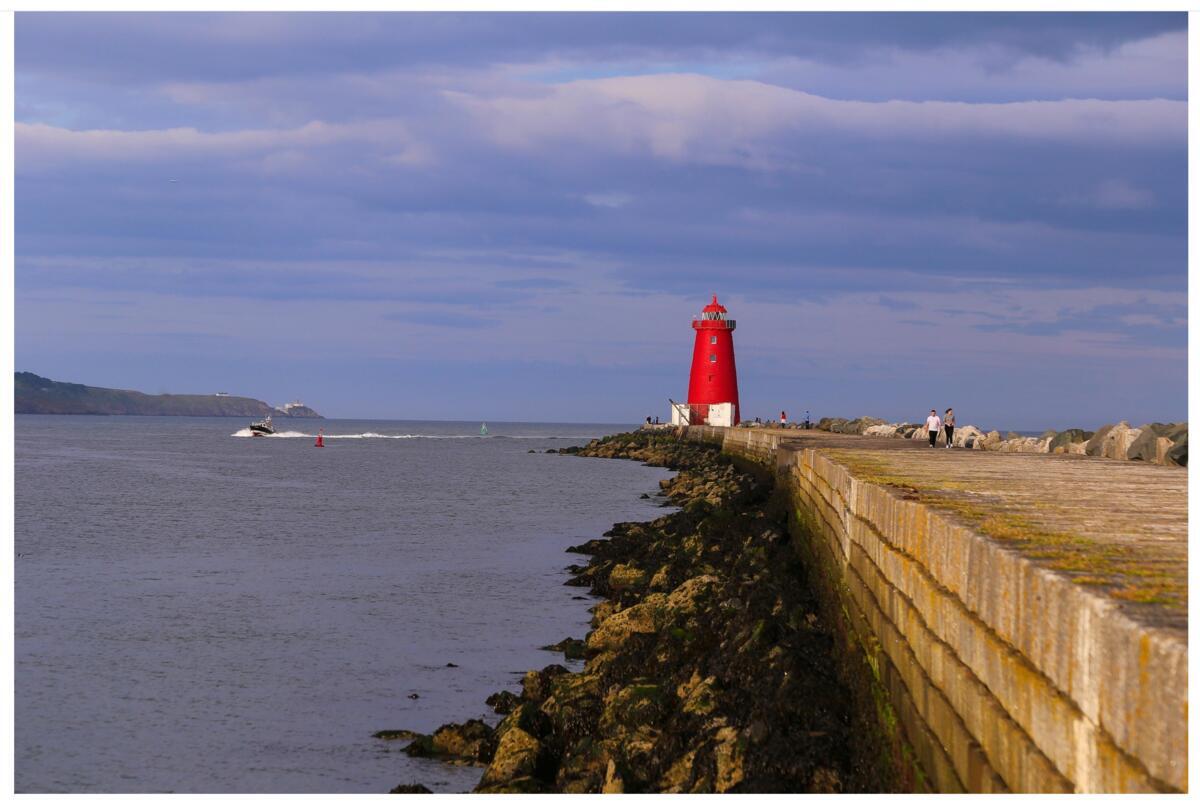
- Interpretive Signage – Information boards at the site outline Dr. James Drumm’s life, the chemistry behind his battery, and the operational history of the Drumm Battery Train.
- Historical Context – The location offers views of the former Dublin‑to‑Bray commuter line, allowing visitors to imagine the sleek, chocolate‑and‑cream carriages that once glided along the coastal track.
- Photography – The coastal setting provides a scenic backdrop for photos, especially at sunrise when the sea reflects the early‑morning light on the historic plaque.
- Self‑Guided Walk – A short walk from the battery site leads to the nearby former Bray charging point, where the original overhead pickup once re‑energised the trains for their 130 km (80 mile) range runs.
Practical Information
James’ Battery is an open‑air historic landmark with no admission fee. The site is accessible 24 hours a day, although the interpretive panels are best viewed during daylight. There are no formal visitor facilities on‑site, but parking is available on the adjacent public road. For those interested in deeper research, the Irish Rail Heritage Centre in Dublin holds archival material on the Drumm Battery Train, and the Ireland Made website provides extensive articles and video documentaries.
Accessibility
The site is level and wheelchair‑friendly, but the surrounding path can be uneven near the cliff edge. Sturdy walking shoes are recommended.
Visitor Tips
- Check tide times before visiting; the path can be slippery at high tide.
- Bring a water bottle and sunscreen – the site is exposed to the sea breeze.
- Early morning or late afternoon offers the best light for photography and quieter conditions.
- Dogs are permitted on a leash, but keep them away from the interpretive panels.
Nearby Attractions

- Bray Seafront – A short bus or bike ride brings you to Bray’s promenade, cafés, and the historic Bray Harbour.
- Inchicore Works – The former railway workshop where the Drumm batteries were assembled, now hosting occasional rail heritage exhibitions.
- National Museum of Ireland – Decorative Arts & History – Features exhibits on Irish industrial innovation, including early electric transport.
Getting There
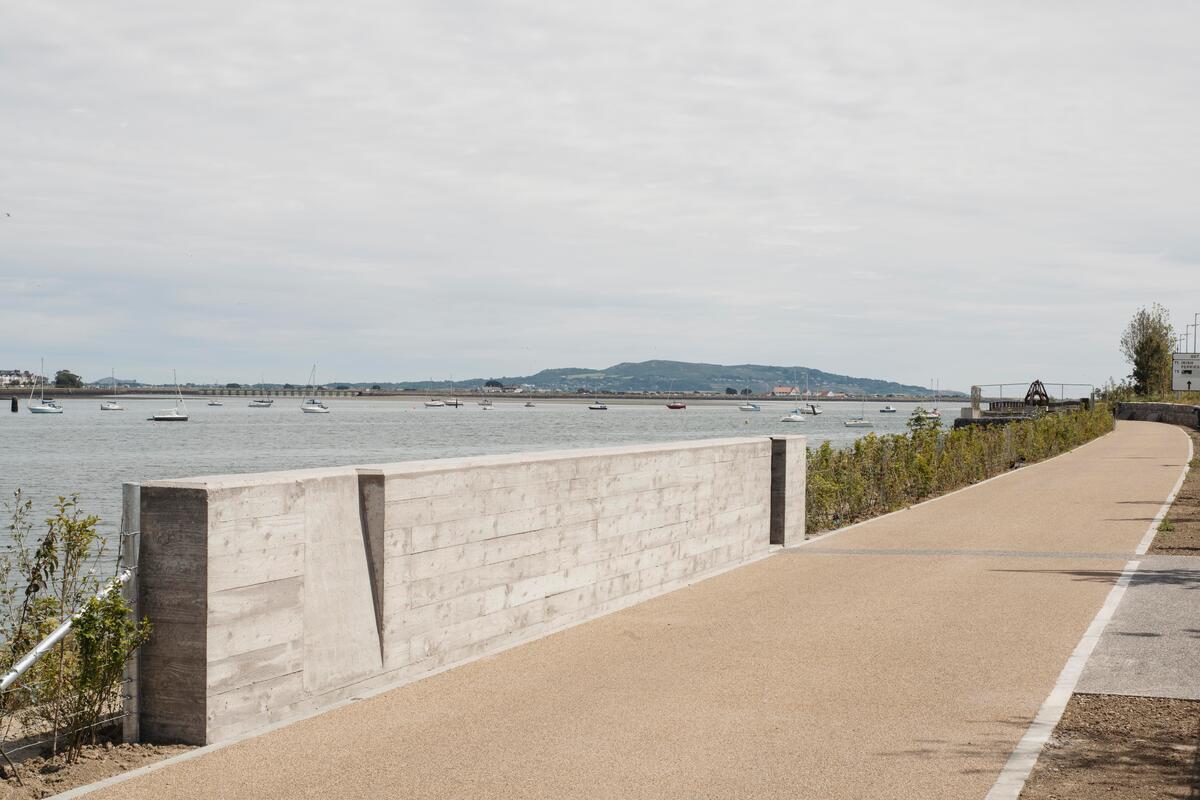
James’ Battery can be reached by public transport via the DART line to Sandymount (or Bray) followed by a short walk north along the coastal path to the battery site. Private‑car visitors can use the N11 and follow local signage to the coastal outcrop; limited roadside parking is available. [Fact‑check required: exact DART stop and parking details]
James’ Battery offers a quiet place to reflect on a pioneering chapter of Irish engineering, where the legacy of Dr. James J. Drumm continues to inspire modern sustainable transport.