
Overview
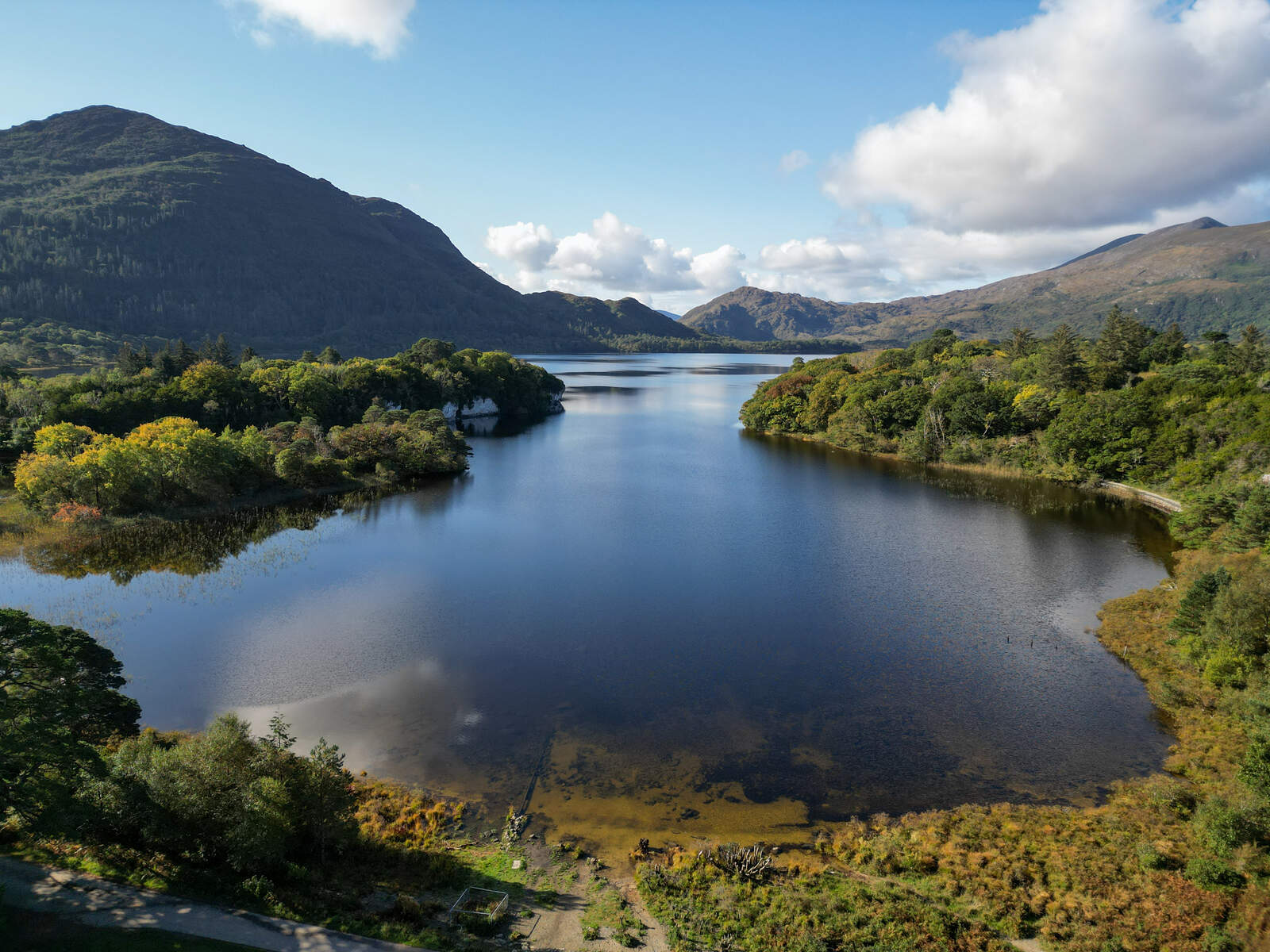
Killarney National Park (Irish: Páirc Náisiúnta Chill Airne) is the jewel of County Kerry and the first national park created in Ireland (1932). Covering 102.89 km² (25,425 acres), the park embraces the Lakes of Killarney, the Mangerton, Torc, Shehy and Purple Mountains, and the most extensive native oak‑and‑yew woodlands left in the country. Designated a UNESCO Biosphere Reserve in 1981, the landscape is a mosaic of bogs, lakes, mountains, woodland and historic estates, all managed by the National Parks and Wildlife Service.
History
Human activity in the Killarney valley stretches back to the Bronze Age (≈4,000 years ago), with evidence of copper mining on Ross Island. Early Christian monks founded Inisfallen Abbey on Lough Leane in the 7th century; the monks recorded the Annals of Inisfallen and gave the lake its name – “Lake of Learning”. The medieval period left Muckross Abbey (1448) and the 15‑century Ross Castle.
In the 18th century the land was split between the Herberts of Muckross and the Brownes (Earls of Kenmare). Extensive oak‑wood exploitation for charcoal and iron smelting reduced the ancient forest, but re‑planting in the early 1800s created the oak stands that dominate today. The Muckross Estate was bought by American William B. Bourn in 1910, improved with the Sunken Garden and rock garden, and donated to the Irish state in 1932 by Arthur Vincent and his parents‑in‑law. The donation formed the Bourn Vincent Memorial Park, the core of today’s enlarged national park.
What to See & Do
| Feature | Highlights |
|---|---|
| Lakes of Killarney | Lough Leane (largest), Muckross Lake (deepest, 73.5 m), Upper Lake. Boat trips to Inisfallen Island reveal the monastic ruins; the Meeting of the Waters shows the three lakes converging. |
| Woodlands | Ancient oak woods (≈12 km²) on sandstone, the rare pure yew wood of Reenadinna Wood, and wet carr on limestone. Bryophyte carpets and the iconic Derrycunihy Oak are a botanist’s delight. |
| Wildlife | Ireland’s only native red‑deer herd (≈900 individuals), introduced sika deer, red‑start, wood‑warbler, peregrine, and the re‑introduced white‑tailed eagle. Otters, herons and kingfishers frequent the lakes. |
| Historic Sites | Muckross House & Gardens (Victorian mansion, 1843), Muckross Abbey, Ross Castle, Inisfallen Abbey, Ladies View and Old Weir Bridge. |
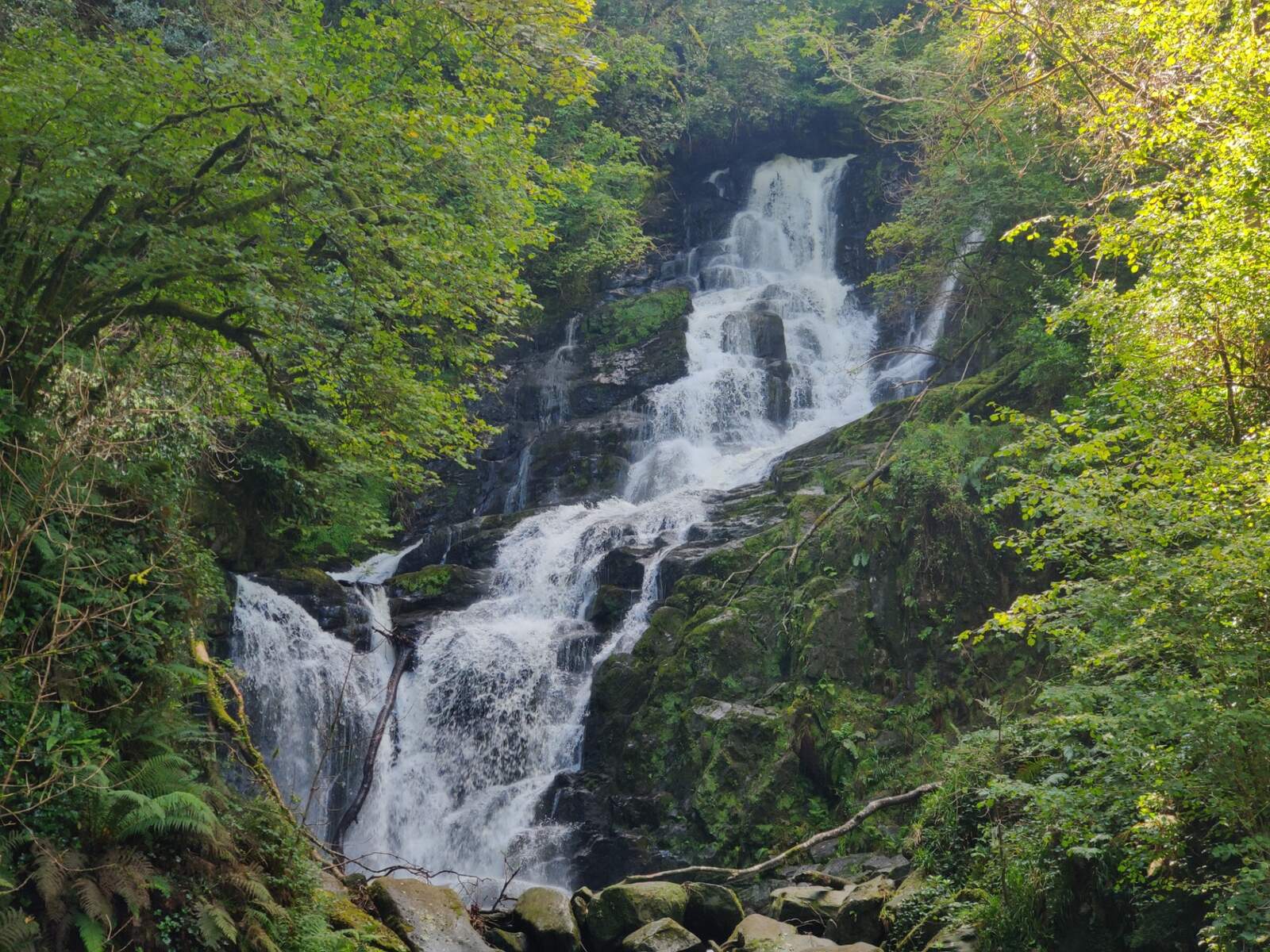
| Waterfalls & Peaks | Torc Waterfall (20 m cascade), Torc Mountain (535 m) with panoramic views, Gap of Dunloe and the Old Kenmare Road for long‑distance walkers. |
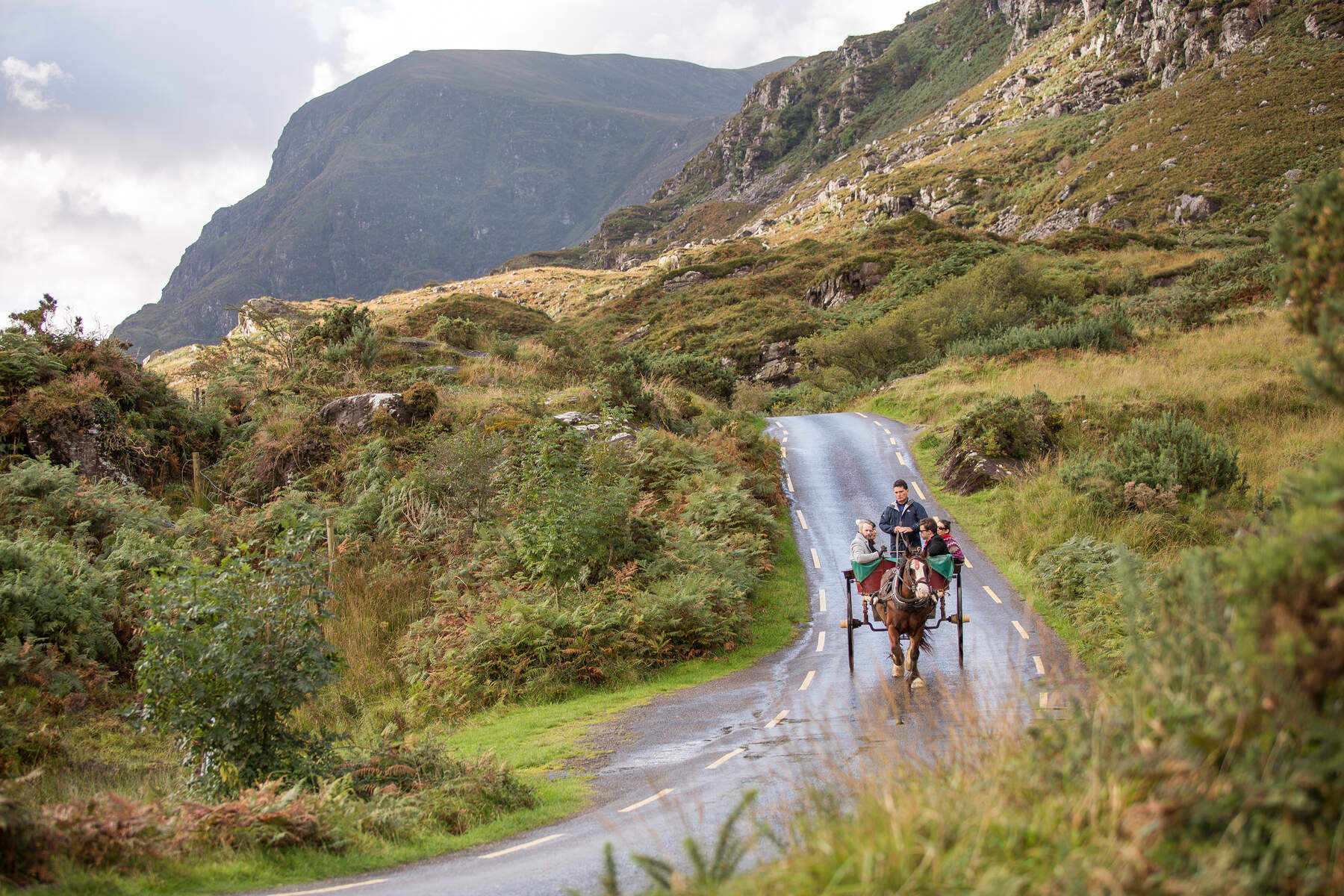
| Recreation | Over 30 km of surfaced paths for walking, cycling and horse‑drawn jaunting‑car rides. Popular trails include the Muckross Lake Loop (6.5 mi, easy), Torc Waterfall & Mountain Loop (4.5 mi, moderate), Gap of Dunloe (7 mi one‑way) and the Kerry Way sections that thread the park. |
Walking & Cycling Highlights
- Muckross Lake Loop – a gentle 10 km circuit that passes Muckross House, the Abbey, the Meeting of the Waters and ends at Torc Waterfall.
- Torc Waterfall & Mountain Loop – a 4.5 mi moderate hike climbing 850 ft to the waterfall and then up to Torc Mountain for sweeping lake vistas.
- Gap of Dunloe – a dramatic 7 mi trek through a glacial valley between the MacGillycuddy’s Reeks and the Purple Mountains; shuttle services are available for the return leg.
- Old Kenmare Road – a challenging 10 mi historic route linking Killarney to Kenmare, prized by experienced hikers.
- Knockreer Circular Walk – a 5 km paved loop offering lake and mountain panoramas, ideal for families and cyclists.
Getting Around
Bicycles are the most popular way to explore the park’s network of surfaced tracks. Rental shops in Killarney (e.g., Killarney Rent a Bike, Lyne’s Rent a Bike) provide mountain‑bike, hybrid and e‑bike options. Traditional jaunting‑cars operate from Kenmare Place, offering a leisurely horse‑drawn tour of the main attractions.
During the summer months a Big Red Bus hop‑on/hop‑off service links the visitor centre, Ross Castle, Torc Waterfall and the Gap of Dunloe.
Practical Information
Visitor Centre – located in Killarney House & Gardens, open 09:15 – 17:15 (closed for lunch 13:00‑14:00). The centre provides maps, exhibition space and free guided tours of the house and gardens.
Opening Hours
| Area | Hours |
|---|---|
| Park (pedestrian access) | Open 24 hours year‑round |
| Visitor Centre (Killarney House) | 09:15 – 17:15 (closed 13:00‑14:00) |
| Muckross House (guided tours) | Varies – generally 10:00‑17:00, tickets required |
| Ross Castle (guided tours) | Mid‑March – late November, 10:00‑16:30 |
Admission
| Attraction | Fee (2024) |
|---|---|
| Park entry | Free |
| Muckross House & Gardens | €9 adults, €5 children (guided tour) |
| Ross Castle | €6 adults, €4 children |
| Boat trips on the Lakes | €12 adults, €8 children (round‑trip) |
| Jaunting‑car ride | €15 per person (approx.) |
Website & Contact
- Official park website: https://www.killarneynationalpark.ie/
Location – Latitude 52.00595, Longitude ‑9.55618.
Accessibility – The main visitor centre and several paved loops (e.g., Knockreer Circular Walk) are wheelchair‑friendly; however, many historic sites and mountain trails have limited accessibility due to uneven terrain.
Getting There
The park borders the town of Killarney and is reachable by car via the N71. Pedestrian and cycle access is free from several car parks (Ross Castle, Muckross House, Torc Waterfall). Public transport to Killarney town (bus or train) provides a convenient base for day trips into the park.
Conservation Note
Rhododendron invasion and over‑grazing by sika deer are the principal ecological threats. Ongoing removal programmes and fenced exclusion zones aim to protect the ancient oak and yew woodlands, ensuring the park’s biodiversity endures for future generations.
Whether you are tracing the steps of early monks, chasing the roar of Torc Waterfall, or simply breathing the fresh Atlantic‑influenced air while spotting a red‑deer herd, Killarney National Park offers a compact yet spectacular showcase of Ireland’s natural and cultural heritage.